
 Home
King Tutankhamun: The Story of Egypt's Famous Boy King
Few names from the ancient world are as recognized as King Tutankhamun. He ruled for only a short time, died young, and was a minor figure for centuries, yet the discovery of his nearly untouched tomb turned him into the most famous pharaoh of all. This guide tells his story, from his brief reign and mysterious death to his golden mask and where travelers can see his treasures today.

Table of Contents
- Who Was King Tutankhamun?
- How Old Was King Tut When He Ruled and Died?
- King Tut's Family: Parents and Wife
- How Did King Tut Die?
- The Discovery That Made Him Famous
- The Golden Mask and Famous Treasures
- The Curse of Tutankhamun
- Where to See King Tut Today
Who Was King Tutankhamun?
King Tutankhamun was a pharaoh of ancient Egypt's 18th dynasty who ruled during a turbulent period more than 3,300 years ago. He is often called the boy king because he came to the throne as a child and died while still a teenager. For most of history he was almost forgotten, overshadowed by greater rulers, until modern archaeology made him a household name.
His early life was shaped by religious upheaval. His father had overturned Egypt's traditional faith, closing temples and promoting the worship of a single sun disk. The young pharaoh's name was originally Tutankhaten, but he changed it to Tutankhamun to honor the god Amun, a sign that he restored the old gods and returned Egypt to its familiar beliefs.
The original name of King Tut was Tutankhaten, which means "Living Image of Aten." This name was chosen to reflect his devotion to the god Aten. He later changed it to Tutankhamun, which means "Living Image of Amun," after he came to power.
How Old Was King Tut When He Ruled and Died?
King Tut was remarkably young throughout his reign. He became pharaoh around the age of nine and ruled for roughly a decade. Because he was so young, powerful advisers and officials helped govern the kingdom in his early years.
His life ended just as suddenly as it began. Most scholars agree he died at about eighteen or nineteen years old, making his death one of the enduring puzzles of ancient Egypt. For a king who achieved little of lasting political importance, King Tut's age at death is a large part of what makes his story so haunting.
Tutankhamun was about 18 or 19 years old when he died, around 1323 BC. He became king at about nine, so he ruled Egypt for roughly ten years.
King Tut's Family: Parents and Wife
Tutankhamun's family tree is one of the most studied in the ancient world. Modern DNA analysis points to the "heretic" pharaoh Akhenaten as his father, and his mother was likely one of Akhenaten's own sisters. This close family marriage was common among Egyptian royalty, who believed it kept the bloodline divine, though it may have left the young king with health problems.
His wife was Ankhesenamun, who was also his half-sister and a daughter of Akhenaten and the famous queen Nefertiti. The couple appear together in tender scenes on objects from the tomb. They had two daughters, but both were stillborn, and their tiny mummified bodies were buried alongside the king, leaving him with no surviving heir.
Customize Your Dream Vacation!
Get in touch with our local experts for an unforgettable journey.
Plan Your TripHow Did King Tut Die?
The question of how King Tut died has fascinated people for a century. Early theories suggested he was murdered by a blow to the head, but modern scans have largely ruled this out. Instead, most researchers now point to a combination of factors.
Studies of the king's mummy revealed that he had a club foot and walked with the aid of canes, several of which were found in his tomb. He also appears to have broken his leg shortly before death, and the wound may have become infected. On top of this, DNA testing found traces of malaria. Many experts believe a mix of a weakened body, injury, and disease brought his short life to an end.
there is no definitive answer to the cause of King Tut's death. However, there is a general agreement that he died from a combination of chronic malaria and a badly damaged knee.
The Discovery That Made Him Famous
For more than 3,000 years, the boy king lay hidden in the Valley of the Kings. That changed in 1922, when the British archaeologist Howard Carter, backed by his patron Lord Carnarvon, uncovered the entrance to the tomb known as KV62.
What Carter found astonished the world. Unlike almost every other royal tomb, which had been emptied by robbers, this one was nearly intact. It held more than 5,000 objects, including chariots, thrones, jewelry, weapons, and statues, all packed into a small set of chambers. The discovery, on 4 November 1922, remains one of the greatest finds in the history of archaeology.
British archaeologist Howard Carter discovered the tomb. His work was paid for by Lord Carnarvon, an English aristocrat. Carter's Egyptian team uncovered the first step of the entrance stairway after years of searching the valley.
The Golden Mask and Famous Treasures
The most iconic object from the tomb is the king's funerary mask. The King Tut mask is made of solid gold and inlaid with lapis lazuli, carnelian, and colored glass, showing the young ruler's calm, idealized face. Weighing about ten kilograms, the Tutankhamun golden mask has become a symbol of ancient Egypt itself.
The mask covered the head of the mummy, which rested inside a series of nested coffins, the innermost made of solid gold. Beyond these, the King Tut treasures included gilded shrines, delicate jewelry, board games, and everyday items meant to serve the king in the afterlife. Together they offer an unmatched window into royal life in ancient Egypt.
The King Tut mask weighs about 10 kilograms, or 22 pounds. It is 54 centimeters tall and made of solid gold, with inlays of lapis lazuli, quartz, obsidian and colored glass.
The Curse of Tutankhamun
No story about the boy king is complete without the famous curse. Shortly after the tomb was opened, Lord Carnarvon died from an infected mosquito bite, and newspapers quickly spread tales of a deadly curse striking those who disturbed the pharaoh's rest.
The curse of Tutankhamun captured the public imagination and still appears in films and books today. In reality, there is no scientific evidence of any curse. Most people connected to the discovery lived long, healthy lives, and Carter himself died many years later. The legend, however, has only added to the king's lasting fame.
No. No curse was written in the tomb, and there is no scientific proof of one. The legend grew after Lord Carnarvon died in 1923 from an infected mosquito bite. Howard Carter lived until 1939.
Where to See King Tut Today
Travelers to Egypt can still come face to face with the boy king. His mummy remains in his tomb in the Valley of the Kings near Luxor, displayed in a climate-controlled case where visitors can view the young pharaoh in the place he was buried. The tomb itself, though small, carries the weight of its remarkable history.
The treasures, meanwhile, now have a spectacular new home. The complete collection is displayed at the Grand Egyptian Museum near the Giza Pyramids, where the golden mask and thousands of other objects are shown together for the first time since their discovery.
Want to walk in the footsteps of the pharaohs? Our expert Egyptologist guides lead tours of the Valley of the Kings and the museums that hold the king's treasures. Fill in the form below to start planning your journey through ancient Egypt.
Frequently Asked Questions
Since the discovery of King Tut’s tomb, his treasures have been distributed to various museums all over Egypt. The most important of these treasures, including the mummy itself, are securely preserved in the king’s original tomb (KV62) in the Valley of Kings.
King Tut's tomb was discovered by Howard Carter in November 1922 in the Valley of Kings. It remains one of the most significant archaeological finds in the world, and you can visit the tomb today to see the king's original resting place.
The Tutankhamun golden mask is in the Grand Egyptian Museum in Giza, near the pyramids. It moved there from the old Egyptian Museum in central Cairo. It is displayed in the Tutankhamun galleries, which opened in November 2025.
Yes. The tomb is open to the public. Visitors walk down the stairway and corridor to a platform that looks over the burial chamber, the painted walls and the stone sarcophagus.
In 2026 the tomb ticket costs about 700 Egyptian pounds for foreign adults. Visitors also need the general Valley of the Kings ticket, which is about 750 Egyptian pounds. Students with valid ID pay about half. Prices can change.

By taking a felucca ride on the Nile in Cairo, you can take in the picturesque panorama of the River Nile.

From short sailings between Luxor and Aswan to two-week journeys running all the way from Cairo — which route suits your time and the sites you want to see.

Egypt maintaining its status as a welcoming destination for international visitors whilst implementing robust security measures across all major tourist areas.

Whether you're a history enthusiast, adventure seeker, or family traveller, Egypt offers unparalleled opportunities to witness civilisation's greatest achievements whilst enjoying contemporary comforts and warm Egyptian hospitality.

Planning a trip to Egypt? Discover what to pack with our complete UK traveller’s guide, including essentials for Nile cruises, desert tours, and city breaks.

Picture this: you're standing in the bustling streets of Tokyo, desperately trying to navigate to your hotel, but your phone displays that dreaded "No Service" message. For UK travellers venturing beyond our shores, maintaining reliable internet connectivity isn't just about convenience—it's about safety, productivity, and making the most of every precious moment abroad.

This comprehensive guide draws upon decades of collective wisdom from seasoned travellers and local insights to ensure your Egyptian adventure reflects the respect this magnificent culture deserves.

Egypt beckons with its ancient pyramids, vibrant bazaars, and the legendary Nile River, drawing hundreds of thousands of UK travellers annually. Yet beneath the allure of this archaeological wonderland lies a complex landscape of potential risks that make comprehensive travel insurance not just advisable, but absolutely essential for British visitors.

Understanding flights from UK to Egypt becomes essential for anyone planning this remarkable journey across continents and cultures.

Explore Egypt’s weather by season, average temperatures, and when to visit for the perfect holiday.

Egypt in Ramadan offers UK travellers a unique blend of spiritual devotion, cultural richness, and authentic experiences. The holy month transforms daily life, combining centuries-old traditions with vibrant celebrations that reveal Egypt’s hospitality and heritage.

For UK couples seeking something beyond the typical Mediterranean getaway, Egypt presents a captivating alternative where pharaonic grandeur meets Red Sea luxury. From intimate felucca rides along the Nile to private dinners beneath star-studded desert skies, this land of mysteries promises honeymoon memories that will last a lifetime.

Egypt, a land where history and modernity intertwine seamlessly, stands as a beacon for intrepid adventurers and history enthusiasts alike. For UK seniors, this ancient country offers a treasure trove of experiences that cater to both the inquisitive mind and the comfort-seeking soul. The allure of Egypt lies not only in its iconic monuments and archaeological wonders but also in its welcoming atmosphere and well-established tourism infrastructure. This makes it a prime destination for seniors wishing to embark on a journey that is both enriching and manageable.

Discover wheelchair friendly holidays for UK travellers. A full Travel Guide with all what you need to know before booking a wheelchair holiday to Egypt!

With English widely spoken in tourist areas and numerous guided tours tailored to solo travellers, navigating Egypt independently is both feasible and rewarding. Solo travellers can choose from group excursions, private guides, or self-paced itineraries, ensuring that their journey is as relaxing or adventurous as they desire.

As you plan your journey, you'll face the delightful dilemma of choosing between two equally captivating routes: from Aswan to Luxor or Luxor to Aswan. Each direction offers its own set of highlights and experiences, making the decision a matter of personal preference. In this guide, we'll explore both routes in detail, helping you make an informed choice for your unforgettable Nile cruise adventure.

This guide is designed for UK visitors, providing a detailed breakdown of the best time for a Nile cruise, month-by-month weather insights, practical travel tips, and cultural considerations. Whether you are a first-time visitor or a returning traveller, this guide will help you plan your Aswan Luxor Nile cruise with confidence.

This guide explains Nile river cruise prices for UK travellers. Learn the differences between luxury standard and budget cruises, what affects cost, and tips for planning your ideal Nile adventure.

Experience the best of Egypt by combining cairo and nile in one unforgettable journey. Explore iconic landmarks in Cairo, then relax on a scenic Nile cruise visiting ancient temples and historic sites along the river.

Visiting Egypt from the UK? Discover essential tips on safety, visas, flights, Nile cruises, costs, and culture in one complete guide designed for British travellers.

Cruising the Nile River is the ideal way for first-time UK visitors to explore Egypt’s ancient landmarks in comfort. The Luxor to Aswan route offers iconic temples, expert-guided tours, and relaxed sailing, making it perfect for beginners.

This article is a travel guide to Cairo for UK visitors, covering top attractions, culture, transport, safety, and essential tips to help plan an easy and enjoyable trip.

Islamic Cairo is a historic district in Cairo known for its rich Islamic heritage, stunning architecture, and vibrant street life. This travel guide introduces UK visitors to its key landmarks, cultural experiences, and practical tips for exploring the area. From grand mosques to bustling markets, Islamic Cairo offers an authentic and immersive journey into Egypt’s past and present.

Table Of Contents
The life, death, and legendary treasures of King Tut, the young pharaoh whose intact tomb made him the most famous ruler of ancient Egypt.
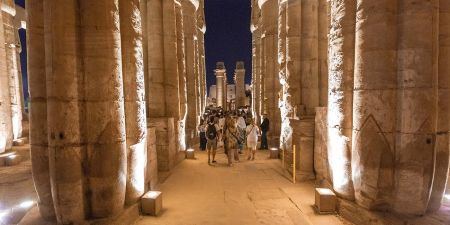
Luxor is the most well known recognized City in Upper Egypt and the capital of Luxor Governorate, known famously for its oldest and most Ancient Egyptian sites.

Aswan is Egypt’s southernmost city and lies, like Luxor and Cairo, on the shores of the Nile River, at its first cataract. Know More .!

The Long Nile Cruise between Cairo, Luxor and Aswan is sure to be the trip of a lifetime through the ancient land of Egypt. Cruise boats now leave regularly from Cairo heading south to Luxor and Aswan. The two-week journey takes passengers to all of the major ancient sites along the Nile Valley, with time to relax and enjoy the scenery of the Nile Valley.

Egypt Do's & Don'ts. Know before you go Egypt, dress, Camera Usage, tipping and all the information you need to know before visiting egypt. Know more!
