Home
HomeIslamic Cairo: A Comprehensive Travel Guide for UK Visitors
Islamic Cairo is a historic district in Cairo known for its rich Islamic heritage, stunning architecture, and vibrant street life. This travel guide introduces UK visitors to its key landmarks, cultural experiences, and practical tips for exploring the area. From grand mosques to bustling markets, Islamic Cairo offers an authentic and immersive journey into Egypt’s past and present.

Islamic Cairo is one of the most fascinating and historically rich areas in Cairo, offering an immersive journey through more than a thousand years of Islamic history. Distinct from Egypt’s ancient Pharaonic sites, this district showcases a different era—one defined by religious scholarship, intricate architecture, and vibrant urban life that continues to thrive today.
Recognised as a World Heritage Site by UNESCO, Islamic Cairo contains one of the largest concentrations of historic Islamic monuments in the world. For UK travellers, it provides an experience comparable to exploring medieval quarters in cities such as York or Edinburgh, but with a unique cultural identity shaped by centuries of Islamic civilisation. The district is not a static museum; it is a living, breathing part of Cairo where tradition and modern life coexist.
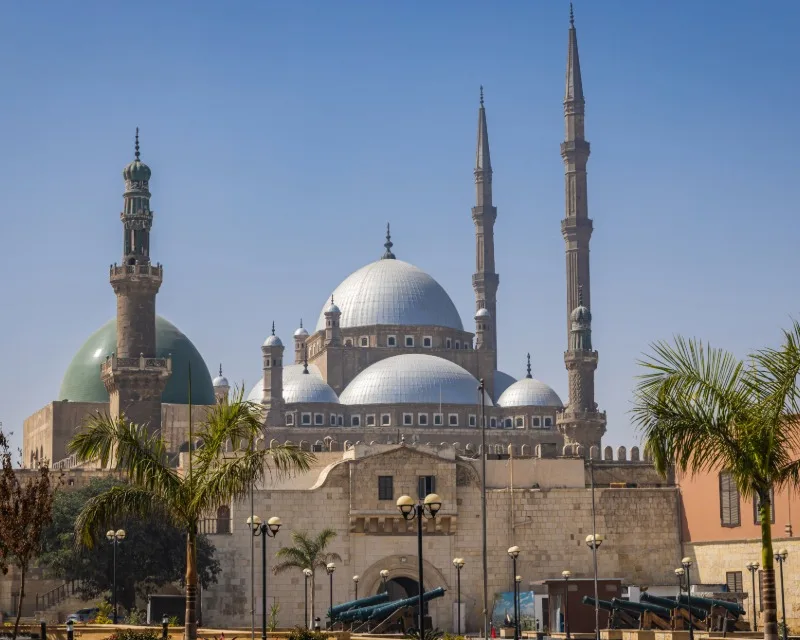
Historical Background and Cultural Significance
Islamic Cairo was founded in the 10th century by the Fatimid dynasty and quickly developed into a major centre of political, cultural, and religious life. Over the centuries, it was expanded and enriched by successive rulers, including the Ayyubids, Mamluks, and Ottomans. Each period contributed distinctive architectural styles and institutions, resulting in a remarkably layered historical landscape.
At the heart of this heritage stands the Al-Azhar Mosque, established in 970 AD. It remains one of the most important centres of Islamic learning in the world. For British visitors, its long-standing academic tradition may evoke comparisons with historic universities, although its religious and cultural role is quite different.
Another key landmark is the Citadel of Saladin, a formidable medieval fortress built in the 12th century. Strategically positioned on a hill, it once protected the city from invasion and now offers sweeping views across Cairo. The Citadel also houses significant mosques and museums, making it a central stop on most itineraries.
What makes Islamic Cairo particularly compelling is that it remains an active urban area. Unlike many preserved historic districts in Europe, it is still home to local communities, giving visitors a chance to experience history as part of everyday life rather than as a purely curated attraction.
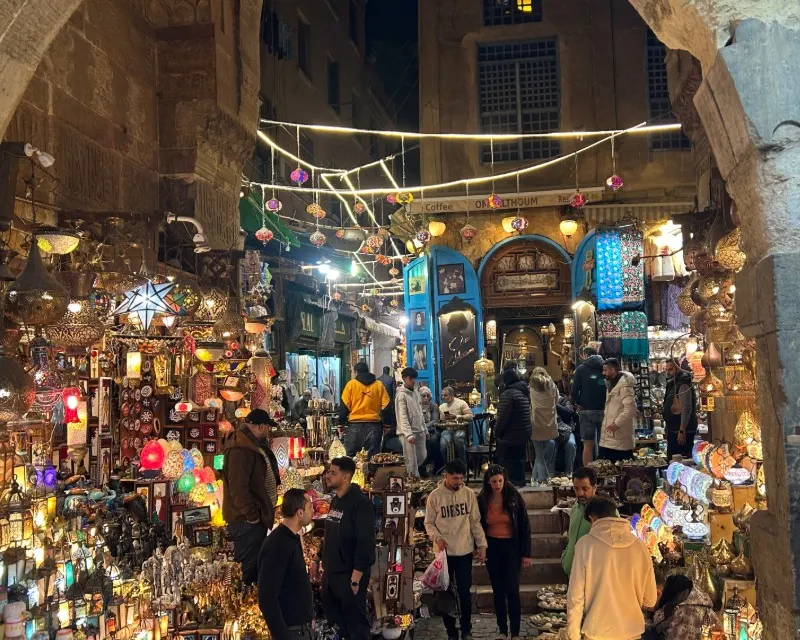
Markets, Street Life, and Local Culture
A visit to Islamic Cairo would not be complete without exploring Khan el-Khalili, one of the oldest and most famous markets in the Middle East. Established in the 14th century, this bustling bazaar is filled with narrow lanes lined with shops selling spices, textiles, jewellery, and traditional crafts.
For UK travellers, the experience can feel lively and occasionally overwhelming, but it is also one of the most authentic aspects of visiting Cairo. Bargaining is a normal part of shopping here, and a polite, good-humoured approach is usually appreciated.
Beyond the market, the streets of Islamic Cairo are full of character. Traditional coffee houses offer a place to pause and observe daily life, while street vendors provide opportunities to sample local dishes. The district’s energy, combined with its historic setting, creates a unique atmosphere that appeals to travellers seeking a deeper cultural experience.
Respect for local customs is essential. Visitors should be courteous, dress appropriately, and remain mindful that this is a residential area as well as a tourist destination.
Customize Your Dream Vacation!
Get in touch with our local experts for an unforgettable journey.
Plan Your TripArchitecture and Key Attractions
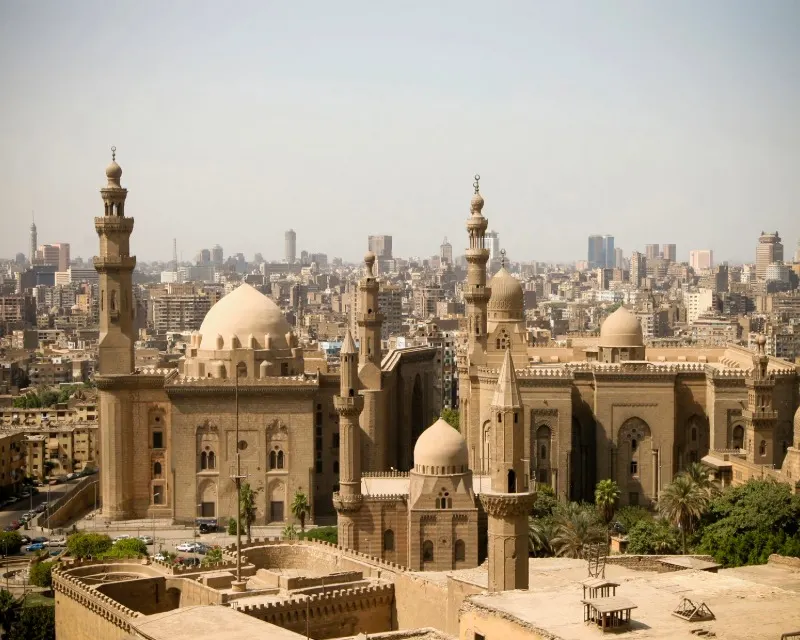
Islamic Cairo is renowned for its architectural diversity, featuring a wide range of styles that reflect different historical periods. The Mosque of Ibn Tulun is among the oldest and best-preserved mosques in the city. Its vast courtyard and distinctive spiral minaret make it a particularly striking example of early Islamic design.
Another highlight is the Sultan Hassan Mosque, a masterpiece of Mamluk architecture built in the 14th century. Its grand scale and intricate detailing make it one of the most impressive religious buildings in Cairo.
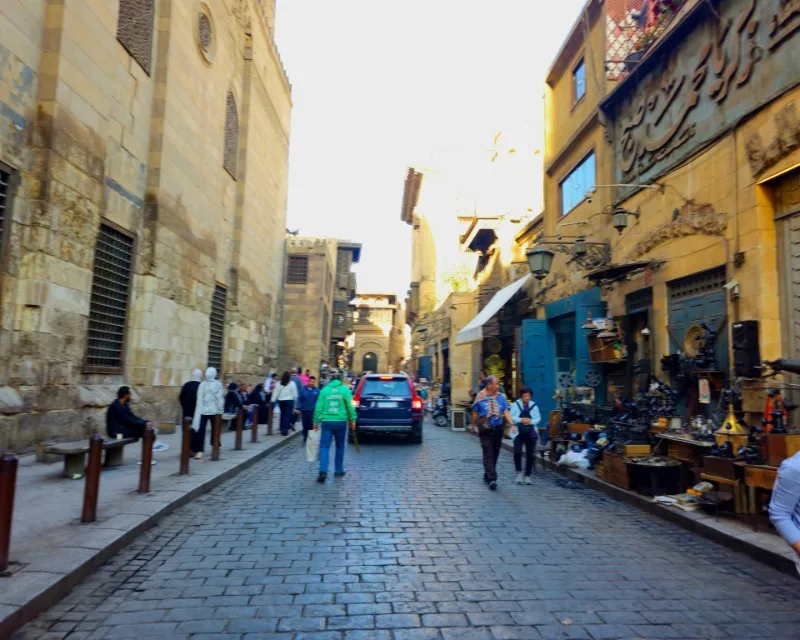
Al-Muizz Street is another must-visit location, often described as an open-air museum. It contains a dense collection of historic buildings, including mosques, schools, and traditional houses, all within a relatively short walking distance. Exploring this street offers a comprehensive overview of Islamic Cairo’s architectural heritage.
When visiting these sites, it is important to remember that many are still active places of worship. Modest dress is required, and visitors should behave respectfully at all times.
Practical Advice for UK Travellers
Navigating Islamic Cairo can be challenging due to its narrow, winding streets, so many UK visitors choose to explore the area with a guide. This not only makes navigation easier but also provides valuable historical context that enhances the experience.
Comfortable footwear is essential, as the best way to explore is on foot. Visitors should also carry water, wear sun protection, and plan their visits during cooler parts of the day, particularly outside the winter months.
Getting to Islamic Cairo is relatively straightforward. Taxis and ride-hailing services such as Uber are widely used and generally reliable. These options offer a convenient way to travel between the district and other parts of Cairo.
In terms of safety, the area is generally considered safe for tourists, especially during the day. However, standard precautions should be taken, including keeping personal belongings secure and staying in well-populated areas.
Islamic Cairo offers UK travellers a unique opportunity to explore a living historical landscape that spans more than a millennium. Its combination of significant landmarks, vibrant markets, and everyday life creates an experience that is both educational and deeply engaging.
From the scholarly importance of Al-Azhar Mosque to the lively atmosphere of Khan el-Khalili, the district provides a rich and varied perspective on Egypt’s cultural heritage. For those seeking to go beyond the country’s ancient monuments, Islamic Cairo is an essential and rewarding destination within Cairo and a highlight of any visit to Egypt.
It is known for its historic mosques, traditional markets, and medieval architecture in Cairo.
Yes, especially when explored with a guide for better understanding and ease.
A full day is ideal to see the main attractions at a comfortable pace.
Between October and April, when temperatures are milder.
Yes, particularly when visiting religious sites.
Yes, it is generally safe, though standard precautions are advised.
Yes, but a guide can significantly enhance your experience.
In most places, yes, but always check at religious sites.
Cash is preferred in markets such as Khan el-Khalili.
You can use taxis or ride-hailing apps like Uber.
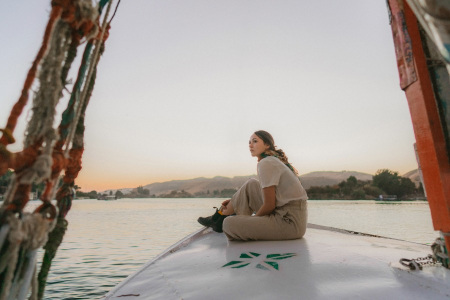
By taking a felucca ride on the Nile in Cairo, you can take in the picturesque panorama of the River Nile.

Ranging from shorter Cruises sailing between Luxor and Aswan, to the long Nile Cruises which sail from Cairo to Luxor and Aswan!

Egypt maintaining its status as a welcoming destination for international visitors whilst implementing robust security measures across all major tourist areas.

Whether you're a history enthusiast, adventure seeker, or family traveller, Egypt offers unparalleled opportunities to witness civilisation's greatest achievements whilst enjoying contemporary comforts and warm Egyptian hospitality.

Planning a trip to Egypt? Discover what to pack with our complete UK traveller’s guide, including essentials for Nile cruises, desert tours, and city breaks.

Picture this: you're standing in the bustling streets of Tokyo, desperately trying to navigate to your hotel, but your phone displays that dreaded "No Service" message. For UK travellers venturing beyond our shores, maintaining reliable internet connectivity isn't just about convenience—it's about safety, productivity, and making the most of every precious moment abroad.

This comprehensive guide draws upon decades of collective wisdom from seasoned travellers and local insights to ensure your Egyptian adventure reflects the respect this magnificent culture deserves.

Egypt beckons with its ancient pyramids, vibrant bazaars, and the legendary Nile River, drawing hundreds of thousands of UK travellers annually. Yet beneath the allure of this archaeological wonderland lies a complex landscape of potential risks that make comprehensive travel insurance not just advisable, but absolutely essential for British visitors.

Understanding flights from UK to Egypt becomes essential for anyone planning this remarkable journey across continents and cultures.

Explore Egypt’s weather by season, average temperatures, and when to visit for the perfect holiday.

Egypt in Ramadan offers UK travellers a unique blend of spiritual devotion, cultural richness, and authentic experiences. The holy month transforms daily life, combining centuries-old traditions with vibrant celebrations that reveal Egypt’s hospitality and heritage.

For UK couples seeking something beyond the typical Mediterranean getaway, Egypt presents a captivating alternative where pharaonic grandeur meets Red Sea luxury. From intimate felucca rides along the Nile to private dinners beneath star-studded desert skies, this land of mysteries promises honeymoon memories that will last a lifetime.

Egypt, a land where history and modernity intertwine seamlessly, stands as a beacon for intrepid adventurers and history enthusiasts alike. For UK seniors, this ancient country offers a treasure trove of experiences that cater to both the inquisitive mind and the comfort-seeking soul. The allure of Egypt lies not only in its iconic monuments and archaeological wonders but also in its welcoming atmosphere and well-established tourism infrastructure. This makes it a prime destination for seniors wishing to embark on a journey that is both enriching and manageable.

Discover wheelchair friendly holidays for UK travellers. A full Travel Guide with all what you need to know before booking a wheelchair holiday to Egypt!

With English widely spoken in tourist areas and numerous guided tours tailored to solo travellers, navigating Egypt independently is both feasible and rewarding. Solo travellers can choose from group excursions, private guides, or self-paced itineraries, ensuring that their journey is as relaxing or adventurous as they desire.

As you plan your journey, you'll face the delightful dilemma of choosing between two equally captivating routes: from Aswan to Luxor or Luxor to Aswan. Each direction offers its own set of highlights and experiences, making the decision a matter of personal preference. In this guide, we'll explore both routes in detail, helping you make an informed choice for your unforgettable Nile cruise adventure.

This guide is designed for UK visitors, providing a detailed breakdown of the best time for a Nile cruise, month-by-month weather insights, practical travel tips, and cultural considerations. Whether you are a first-time visitor or a returning traveller, this guide will help you plan your Aswan Luxor Nile cruise with confidence.

This guide explains Nile river cruise prices for UK travellers. Learn the differences between luxury standard and budget cruises, what affects cost, and tips for planning your ideal Nile adventure.

Experience the best of Egypt by combining cairo and nile in one unforgettable journey. Explore iconic landmarks in Cairo, then relax on a scenic Nile cruise visiting ancient temples and historic sites along the river.

Visiting Egypt from the UK? Discover essential tips on safety, visas, flights, Nile cruises, costs, and culture in one complete guide designed for British travellers.

Cruising the Nile River is the ideal way for first-time UK visitors to explore Egypt’s ancient landmarks in comfort. The Luxor to Aswan route offers iconic temples, expert-guided tours, and relaxed sailing, making it perfect for beginners.

This article is a travel guide to Cairo for UK visitors, covering top attractions, culture, transport, safety, and essential tips to help plan an easy and enjoyable trip.

Islamic Cairo is a historic district in Cairo known for its rich Islamic heritage, stunning architecture, and vibrant street life. This travel guide introduces UK visitors to its key landmarks, cultural experiences, and practical tips for exploring the area. From grand mosques to bustling markets, Islamic Cairo offers an authentic and immersive journey into Egypt’s past and present.
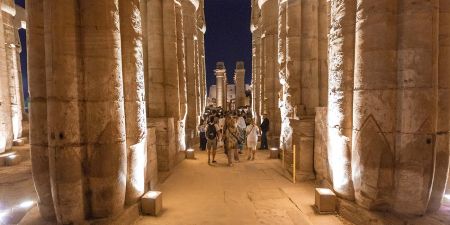
Luxor is the most well known recognized City in Upper Egypt and the capital of Luxor Governorate, known famously for its oldest and most Ancient Egyptian sites.
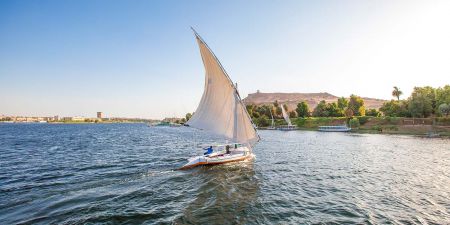
Aswan is Egypt’s southernmost city and lies, like Luxor and Cairo, on the shores of the Nile River, at its first cataract. Know More .!
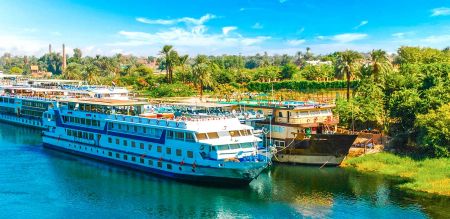
The Long Nile Cruise between Cairo, Luxor and Aswan is sure to be the trip of a lifetime through the ancient land of Egypt. Cruise boats now leave regularly from Cairo heading south to Luxor and Aswan. The two-week journey takes passengers to all of the major ancient sites along the Nile Valley, with time to relax and enjoy the scenery of the Nile Valley.

Egypt Do's & Don'ts. Know before you go Egypt, dress, Camera Usage, tipping and all the information you need to know before visiting egypt. Know more!