Home
Home
In the 1960s, rising waters from the Aswan High Dam threatened the monument, prompting a major UNESCO rescue operation. The temple was dismantled into roughly 13,000 sandstone blocks and relocated to New Kalabsha Island over the course of more than two years. In 1979, it was added to the UNESCO World Heritage List alongside other Nubian monuments between Abu Simbel and Philae, highlighting its enduring historical importance.
The Origins of Kalabsha Temple
Kalabsha Temple traces its foundations to the early Roman era, a period marked by imperial consolidation and intense cultural blending across Egypt and Nubia. Built at ancient Talmis (Bab al-Kalabsha), the temple stood at an intersection of Egyptian, Nubian, and Roman religious traditions.
Built during the reign of Augustus
Construction began around 30 BCE under Emperor Augustus, making it one of the earliest major Roman-sponsored projects in Egypt. Intended both to assert Roman authority and to respect local religious customs, the structure became one of the best-preserved Graeco-Roman temples in Lower Nubia.
Although Augustus initiated the work, the temple remained incomplete, with later emperors—especially Vespasian—contributing significant additions. Inscriptions reveal that the site remained an active religious center for nearly three centuries, with dated carvings extending into the mid-3rd century CE.
Dedicated to the Nubian sun god Mandulis
Mandulis, a uniquely Nubian solar deity associated with fertility and rebirth, was the temple’s principal god. Depicted in tall, elaborate crowns topped with solar disks, Mandulis represented a blend between the Egyptian Ra and Nubian Apedemak. His worship flourished for centuries, especially among the Blemmyes, who dominated Lower Nubia by the late 4th century CE.
Isis and Osiris also received veneration within the complex, creating a multi-deity sanctuary that reflected the region’s diverse spiritual identities.
Constructed over an earlier sanctuary of Amenhotep II
Beneath the Roman temple lie remains of an older sanctuary dating to around 1400 BCE, built by Amenhotep II. This continuity shows that the site held sacred meaning for nearly 1,500 years before Roman construction began. By building directly over the earlier structure, Roman architects preserved the area’s longstanding religious function while reshaping it with their own monumental style.
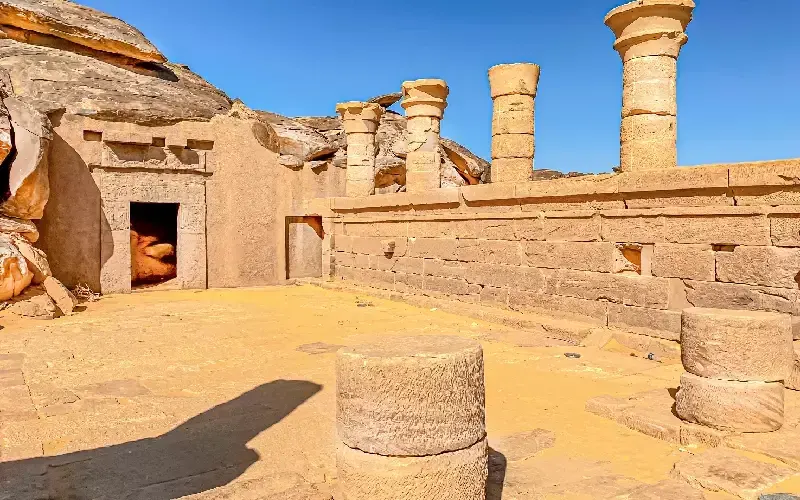
Architectural Design and Symbolism
Kalabsha’s architecture highlights a striking synthesis of Egyptian design conventions and Roman decorative preferences. Built of sandstone, the complex features massive walls, precise alignment, and richly carved reliefs.
Layout: pylon, forecourt, hypostyle hall, sanctuary
The temple stretches 76 meters long and 22 meters wide. It opens with a towering 14-meter pylon set at a slight angle, forming a distinctive trapezoidal forecourt. This court, surrounded by colonnades with small side chambers, served as an assembly area for rituals.
Beyond the forecourt lies the hypostyle hall supported by twelve columns—eight of which still stand—with capitals decorated in intricate floral patterns.
The sanctuary area comprises three inner chambers, including the Hall of the Ennead and the Offering Hall, where Mandulis’s cult statue once stood. A staircase leads to the roof, which likely played a role in solar worship and ceremonial observation.
Roman and Egyptian stylistic fusion
Kalabsha seamlessly merges Egyptian architectural norms—such as axial layouts and hieroglyphic decoration—with Roman influences visible in column shapes, capital styles, and certain relief elements. This blend reflects both cultural coexistence and the Roman desire to legitimize their rule through traditional pharaonic imagery.
Reliefs of Augustus and ritual scenes
Throughout the temple, Augustus and later emperors appear making offerings to Egyptian deities in classic pharaonic pose. One of the most notable scenes is Horus emerging from reeds, carved with exceptional detail.
Other panels depict rituals involving Min, Khnum, Isis, Osiris, and Mandulis, many still bearing traces of vivid original paint.
Use of hieroglyphic, Greek, and Meroitic inscriptions
Kalabsha holds an exceptional multilingual record:
- Hieroglyphic texts associated with traditional rituals
- Greek inscriptions, including a decree by the Roman governor Aurelius Besarion forbidding pigs in the temple (250 CE)
- Meroitic script carved onto a column—an uncommon survival of the language of the Kushite kingdom
Additionally, the 5th-century Greek inscription of King Silko documents his military victory over the Blemmyes, portraying him dressed like a Roman cavalryman.
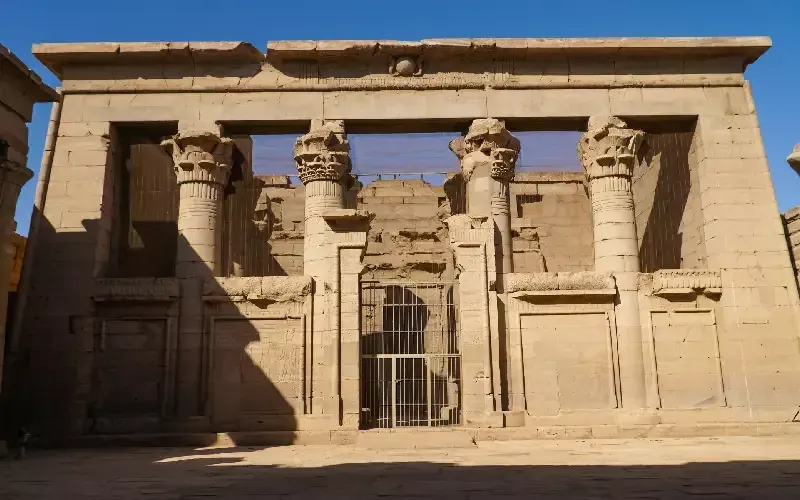
The temple features a blend of Egyptian and Roman architectural elements, including intricate reliefs depicting Emperor Augustus and various deities. It also contains inscriptions in hieroglyphic, Greek, and Meroitic scripts. Coptic crosses and Christian symbols added later showcase the temple's religious evolution.
Customize Your Dream Vacation!
Get in touch with our local experts for an unforgettable journey.
Plan Your Trip
Cultural Layers and Religious Shifts
Across centuries, Kalabsha Temple mirrored sweeping religious changes in Nubia and southern Egypt, adapting to new beliefs while preserving earlier traditions.
Mandulis and the syncretic Nubian-Egyptian pantheon
As the central deity, Mandulis embodied a distinctly Nubian understanding of solar power. Often shown wearing the imposing hemhem crown, he symbolized cosmic renewal. His cult coexisted with that of Isis and Osiris, illustrating the dynamic blending of local and Egyptian religious systems.
Mandulis appears in inscriptions under epithets such as Aiôn pantokrator, meaning “Eternal All-Powerful,” which underscores his elevated cosmic status.
Christianization and reuse as a church
By the 4th–6th centuries CE, as traditional Egyptian religion declined, Kalabsha was transformed into a Christian church. Spaces once reserved for solar worship were repurposed, and Christian paintings—including depictions of saints—covered earlier pagan imagery.
Silko’s inscription and other late antique writings show Nubia’s gradual shift toward Christianity while still retaining traces of earlier artistic styles.
Graffiti and Coptic crosses on temple walls
Coptic crosses carved into the sandstone, often placed intentionally over earlier reliefs, document the temple’s liturgical reuse. Yet many older inscriptions—both religious and administrative—remain visible, creating a layered historical palimpsest.
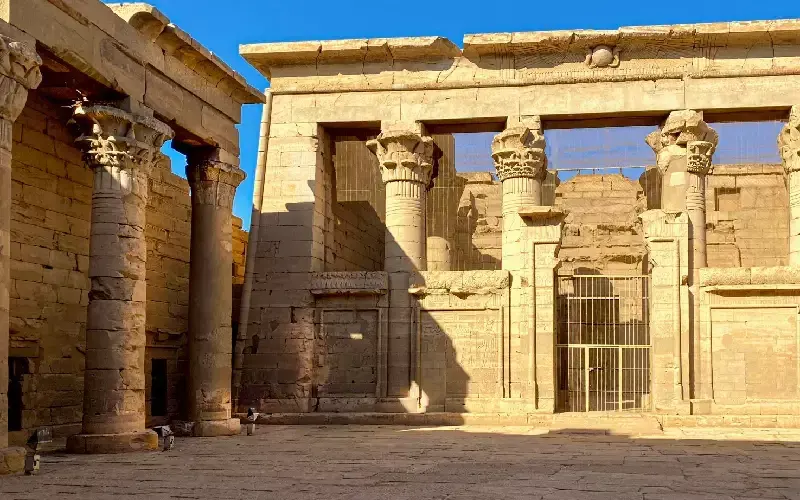
Kalabsha Temple is the largest free-standing temple in Lower Nubia, built during Emperor Augustus's reign around 30 BCE. It was dedicated to the Nubian sun god Mandulis and represents a fusion of Egyptian and Roman architectural styles. The temple's history spans over a millennium, including its conversion to a Christian church in later centuries.
The Great Relocation of the 1960s
The modern story of Kalabsha is inseparable from the Aswan High Dam, a project that threatened to erase Nubia’s monumental landscape beneath the waters of Lake Nasser.
Threat from Aswan High Dam and Lake Nasser
The construction of the Aswan High Dam promised flood control, expanded agriculture, and hydroelectric power—but at the cost of inundating most of Lower Nubia. Kalabsha, lying directly within the flood zone, faced complete submersion.
UNESCO-led International Campaign to Save the Monuments of Nubia
Responding to appeals from Egypt and Sudan, UNESCO launched the International Campaign to Save the Monuments of Nubia in 1960. Over the next 20 years, 22 major monuments were rescued, making it the largest archaeological preservation effort ever undertaken.
Dismantling and reassembly at New Kalabsha
Kalabsha’s rescue began in 1962. The temple was disassembled into roughly 13,000 numbered sandstone blocks, transported by barge to higher ground near the new Aswan High Dam, and reassembled on modern foundations. The operation took over two years and required extraordinary engineering precision.
Technical challenges and international cooperation
Germany played a key role by funding and managing the relocation, contributing advanced documentation and engineering expertise. Because of this support, Egypt gifted one of Kalabsha’s monumental gates to Germany in 1971—a gesture celebrating international solidarity in the preservation of antiquities.
In the 1960s, Kalabsha Temple was threatened by the construction of the Aswan High Dam. As part of UNESCO's International Campaign to Save the Monuments of Nubia, the temple was meticulously dismantled into about 13,000 blocks and relocated to a new site near Aswan. This preservation effort took over two years to complete.
Legacy and Global Significance
Kalabsha Temple today stands not only as a relic of ancient Nubia but also as a monument to modern heritage preservation.
UNESCO World Heritage designation in 1979
In 1979, Kalabsha was inscribed as part of the “Nubian Monuments from Abu Simbel to Philae” World Heritage Site. The listing recognizes its architectural value, religious history, and its role in the unprecedented international salvage campaign.
The Kalabsha Gate gifted to Germany
The temple’s relocated gate, now in Berlin’s Egyptian Museum, is slated to become the entrance to the fourth wing of the Pergamon Museum. Its hieroglyphs and reliefs—featuring Augustus in pharaonic regalia—remain exceptionally well preserved.
Symbol of cultural preservation and diplomacy
Kalabsha represents one of the greatest triumphs of worldwide cooperation in protecting cultural heritage. Although the temple lost its original landscape setting, its survival testifies to what global partnership can achieve when history faces existential danger.
Kalabsha Temple, along with other Nubian monuments, was designated as a UNESCO World Heritage site in 1979. This recognition highlights its exceptional historical and cultural significance, as well as the international effort to preserve it from the rising waters of Lake Nasser.
As a gesture of gratitude for Germany's assistance in the relocation effort, Egypt gifted one of Kalabsha Temple's gates to Germany in 1971. The gate, which depicts Emperor Augustus making offerings to Egyptian gods, is now housed in Berlin's Egyptian Museum and will serve as the entrance to a new wing of the Pergamon Museum.
Kalabsha Temple was dedicated to Mandulis (Merul), the Nubian sun god, who was often depicted wearing a distinctive feathered crown. The temple served as a major cult center for Mandulis, symbolizing the blend of indigenous Nubian beliefs with traditional Egyptian religious practices during the Roman era.
Yes. Visitors can walk freely through the temple’s sanctuary, hypostyle hall, outer courts, and roof areas. The modern site also includes nearby monuments—such as the Kiosk of Qertassi, Beit el-Wali Temple, and the Chapel of Dedwen—creating a broader archaeological landscape overlooking Lake Nasser.
Kalabsha boasts massive sandstone blocks, precise Roman-era engineering, and highly symmetrical design. Its enormous pylon, finely carved reliefs, and open courtyard layout make it one of the best examples of a temple constructed during Egypt's early Roman period. The scale rivals some of the major temples in Upper Egypt.
Yes. The temple stands on New Kalabsha Island, reachable by a short motorboat ride from the Aswan High Dam area. The scenic trip across Lake Nasser adds to the experience, offering views of the desert cliffs and surrounding Nubian monuments.
Kalabsha served as a border temple, marking the cultural meeting point between Egypt and Nubia. It acted as a religious, administrative, and symbolic center that reinforced Egyptian influence while integrating Nubian traditions. Its inscriptions also document diplomatic relations and local governance during the Roman occupation.
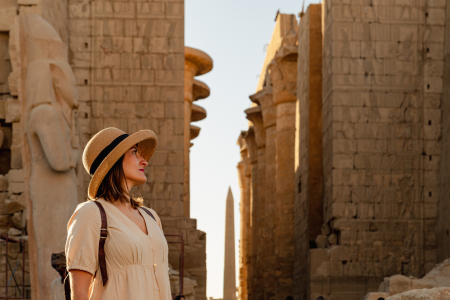

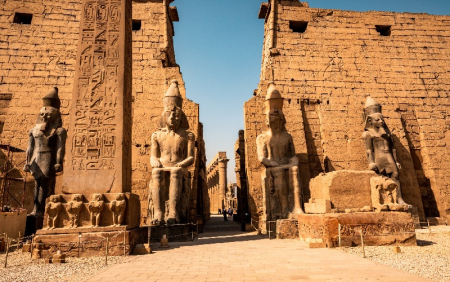
Luxor Temple, built by Amenhotep III and expanded by Ramses II, is a breathtaking New Kingdom monument dedicated to the renewal of kingship. Located on Luxor’s east bank, it stands as one of Egypt's most iconic sanctuaries, celebrated for its grand pylons, colossal statues, and deep religious significance.
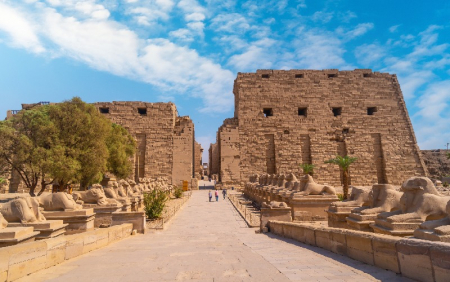
Karnak Temple in Luxor is an iconic ancient Egyptian complex, showcasing grand architecture, rich history, and the spiritual and political legacy of Thebes across nearly 2,000 years of construction.
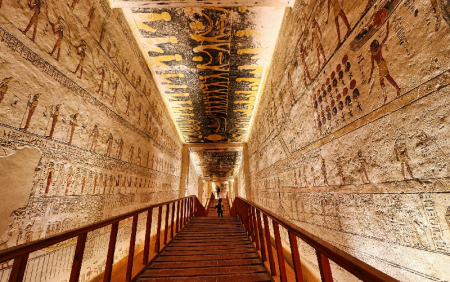
The Valley of the Kings is Egypt’s legendary royal necropolis, featuring 65 tombs of New Kingdom pharaohs, remarkable engineering, and world-famous discoveries like Tutankhamun’s burial.
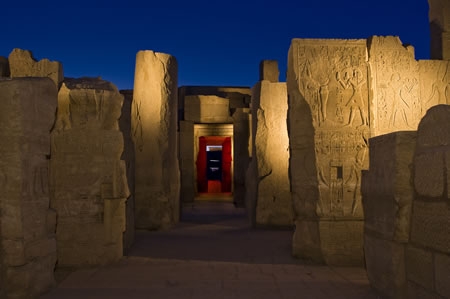
The Karnak Sound and Light Show transforms the vast temple complex into a magical nighttime spectacle, combining illuminated monuments, music, and storytelling to bring ancient Egyptian history vividly to life.
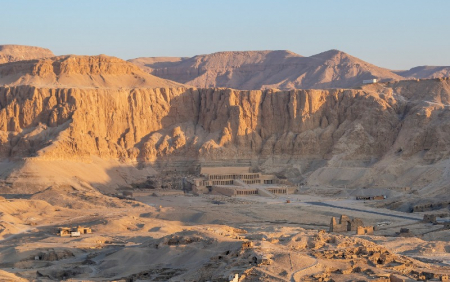
Discover the Valley of the Queens in Luxor, Egypt, with royal tombs, stunning art, and UNESCO heritage significance.
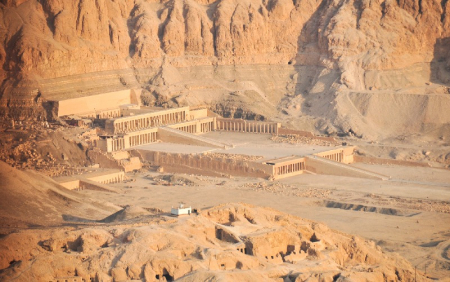
The Temple of Hatshepsut is a breathtaking 18th-Dynasty mortuary temple at Deir el-Bahari, famed for its grand terraces, cliffside design, and historical significance.
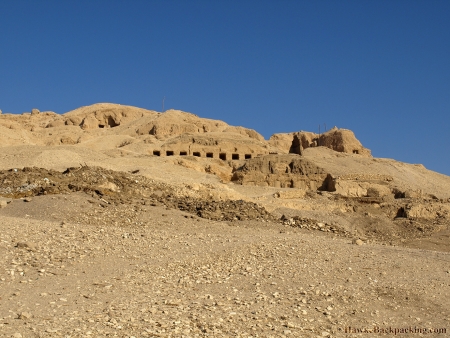
Explore the Valley of the Nobles in Luxor and learn how its 400+ tombs reveal vivid scenes of daily life and remarkable artistry from ancient Egypt’s New Kingdom.
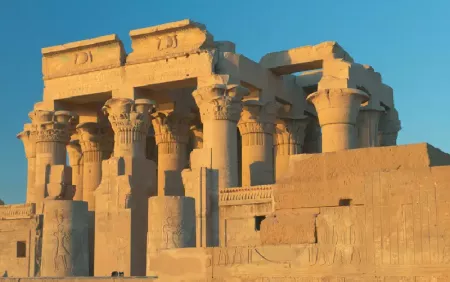
Kom Ombo Temple—Egypt’s remarkable twin sanctuary honoring Sobek and Haroeris, famed for its perfect symmetry and sacred crocodile traditions.
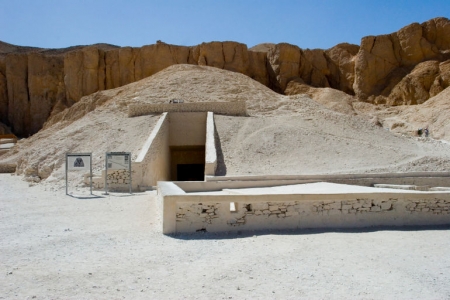
Tutankhamun’s tomb revealed over 5,000 stunning treasures, from gold chariots to the iconic mask, reshaping our understanding of ancient Egypt after its discovery in 1922.

Dendera Temple, 60km from Luxor, is Egypt's remarkably preserved healing sanctuary for Hathor. Explore vivid colors, hidden crypts & ancient astronomical knowledge.
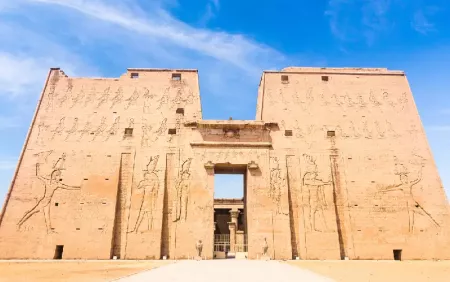
The Temple of Edfu, buried for centuries, is one of Egypt’s best-preserved temples—offering a vivid look into Ptolemaic religion, mythology, and architecture.
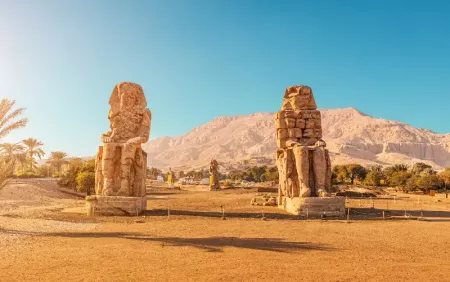
The Colossi of Memnon are 18-meter statues of Amenhotep III, once famed for their mysterious dawn “singing,” which captivated ancient visitors and inspired over a hundred inscriptions.
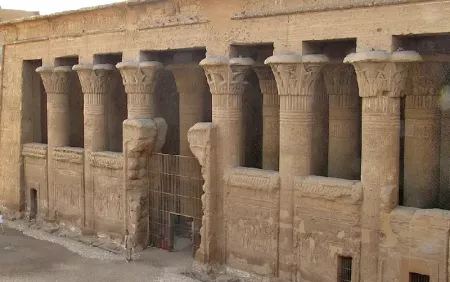
The Temple of Khnum at Esna, built from the Ptolemaic to Roman periods, features a stunning hypostyle hall with 24 ornate columns and reflects centuries of devotion to the creator god Khnum.
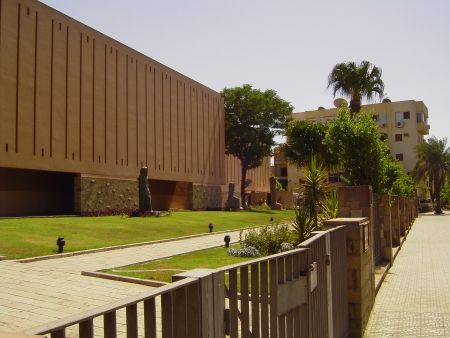
Luxor’s Mummification Museum offers an immersive look at ancient embalming methods, displaying tools, human and animal mummies, and the notable mummy of Masaharta.
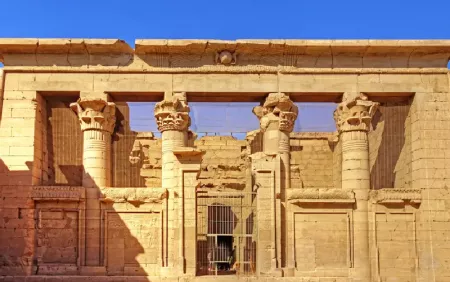
Kalabsha Temple, built under Emperor Augustus, was rescued from rising Nile waters in the 1960s and relocated block by block to New Kalabsha Island. Today, it remains a key UNESCO-recognized Nubian monument.
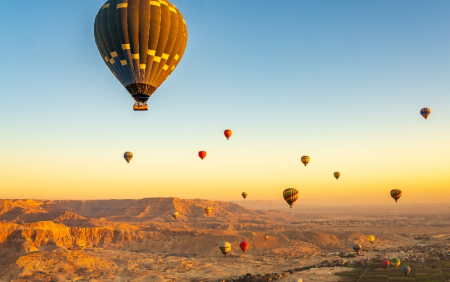
Soar above Luxor at sunrise in a hot air balloon and witness ancient temples, the Nile, and royal necropolises from the sky. This unforgettable experience offers breathtaking views and a unique perspective on Egypt’s timeless heritage.
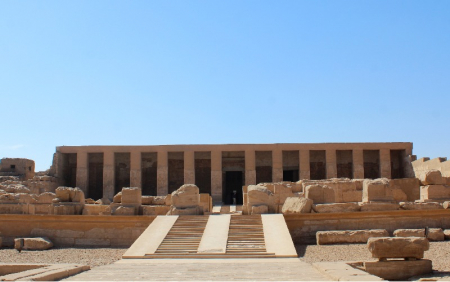
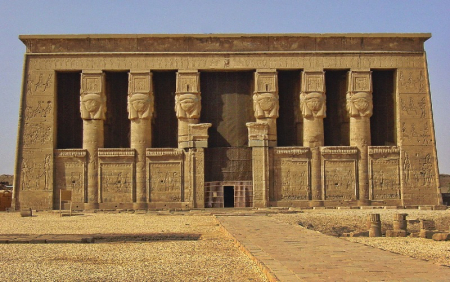
Explore the Temple of Hathor at Dendera, a remarkably preserved ancient Egyptian sanctuary dedicated to the goddess of love, music, and healing, renowned for its zodiac, vibrant reliefs, and astronomical ceilings.
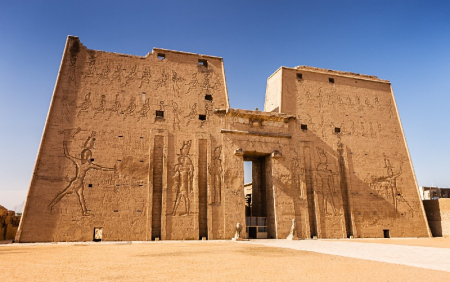
Visit the Temple of Horus at Edfu, a remarkably preserved Ptolemaic temple showcasing ancient Egyptian rituals, art, and architecture.
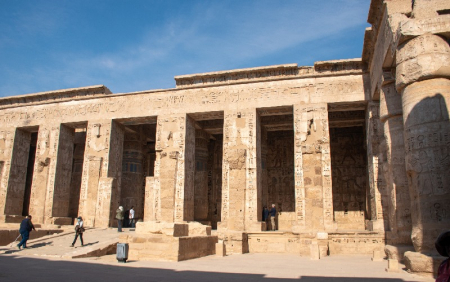
Explore Medinet Habu, Ramesses III’s temple, where history, religion, and artistry come alive on Luxor’s West Bank.
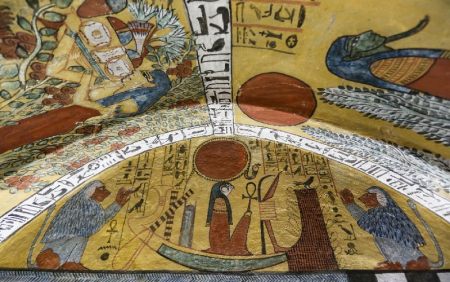
Deir el-Medina was home to the elite artisans who built and decorated Egypt’s royal tombs. Discover their homes, work, religion, and extraordinary daily life.
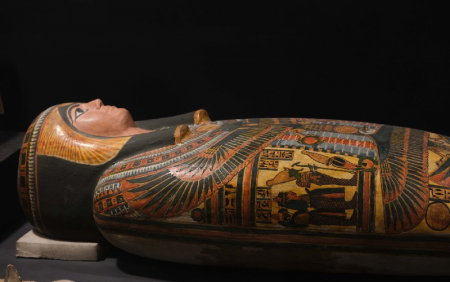
The Mummification Museum in Luxor showcases ancient Egyptian embalming, mummies, and artifacts, including Masaharta’s preserved remains and mummified animals.
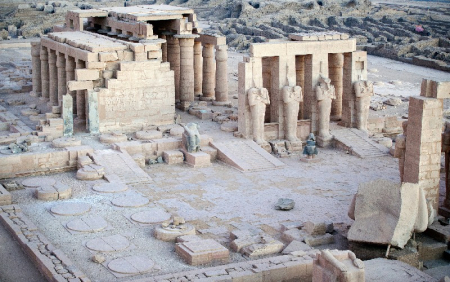
Discover the Mortuary Temple of Amenhotep III, once the largest in Thebes, famed for the Colossi of Memnon and ongoing restorations in Luxor.