Home
Home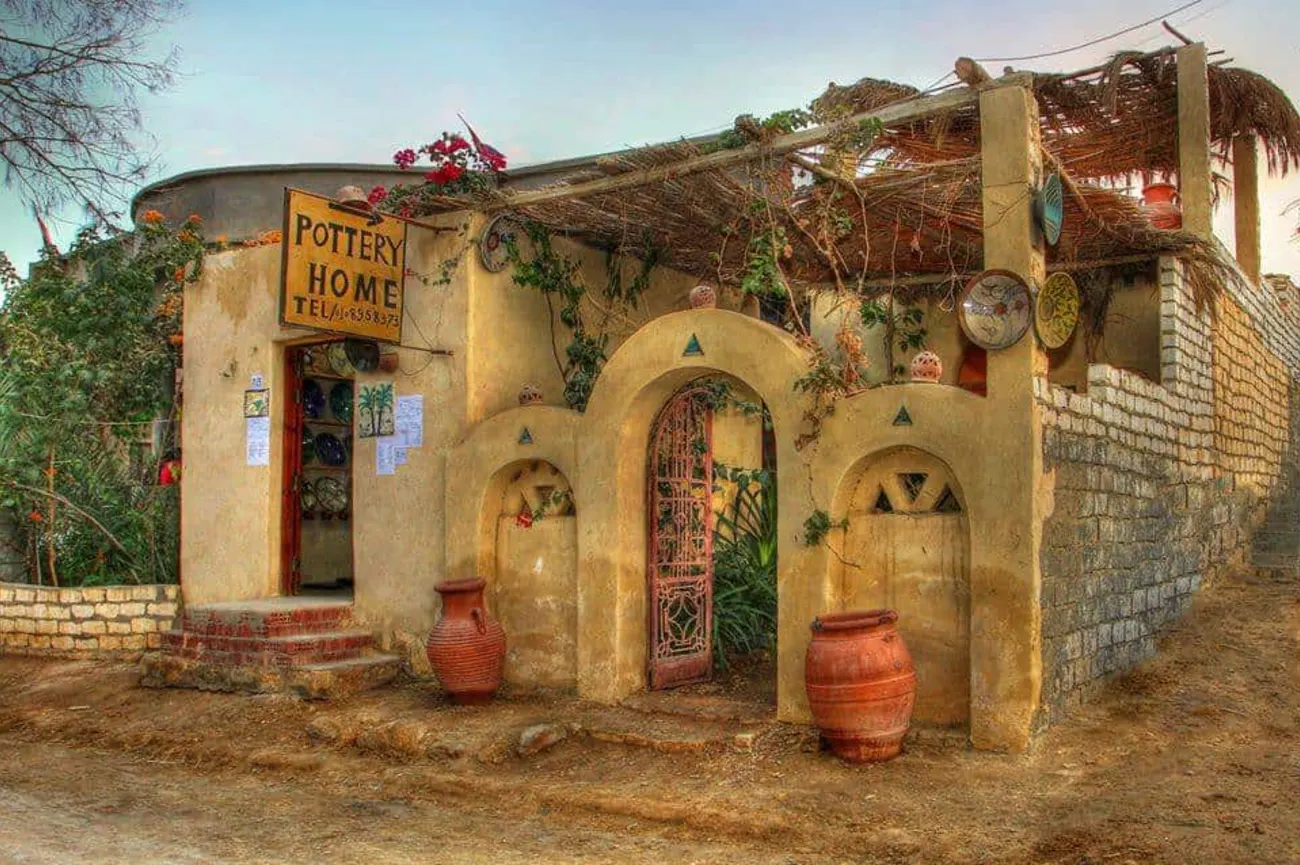
Tunis Village, located in Egypt’s Fayoum Oasis, is one of the world’s most renowned ceramic-producing communities. Its transformation began in 1980 with the arrival of Swiss potter Evelyne Porret, whose pottery school ignited a cultural and economic renaissance. Today, the village thrives as a hub of art, education, and sustainable rural development, attracting thousands of visitors and hosting an annual pottery festival. Nearby, the UNESCO site Wadi Hitan adds to its cultural and natural appeal.
The Origins of Tunis Village
Perched on high ground overlooking Lake Qarun, Tunis Village is relatively young compared to most Egyptian settlements. It developed from uninhabited land into a small rural community in the early 20th century.
Early days before the 1960s
The Abd al Basseir family first cultivated the land, bringing workers to establish basic homes using traditional adobe and palm-beam construction. Until the mid-1980s, residents lacked electricity, running water, and sewage systems. The early village was simple and agricultural, centered on farming and fishing. Some accounts link the village name to a Tunisian woman who built its first hilltop house with her husband.
The role of Egyptian poets in founding the village
In the 1960s, two Egyptian poets settled in the village, drawn by its quiet and distance from the cities. They encouraged creativity among locals and planted the seeds of an artistic identity. Their influence prepared the village for its next major transformation with the arrival of Evelyne Porret.
The Arrival of Evelyne Porret
Swiss ceramist Evelyne Porret became the defining figure in Tunis Village’s artistic evolution.
Why she came to Fayoum
Porret, daughter of a Protestant pastor, first lived in Cairo during her youth. She later returned after her studies in Switzerland, visiting Egypt frequently during her marriage to lyricist Sayed Hegab. Although she left Egypt for some years, she finally settled in Fayoum in 1984 with her second husband, Michel Pastore.
Establishing the pottery school
Porret built her home and studio using local materials and Nubian-inspired architecture. She founded the Fayoum Pottery School and later the Ptah Association in 1984. Inspired by children playing with lake mud, she designed a school where each child had a small personal workshop. Her Nubian vault architecture influenced the entire village’s aesthetic.
Impact on local children and families
The school transformed daily life. Many children found careers and avoided early marriage, especially girls. Over 100 potters trained under her guidance, helping families build stable incomes through pottery and attracting tourism. Her values of commitment, honesty, and artistic discipline shaped generations. After her death in 2021, the village honored her legacy with “Evelyne Street.”
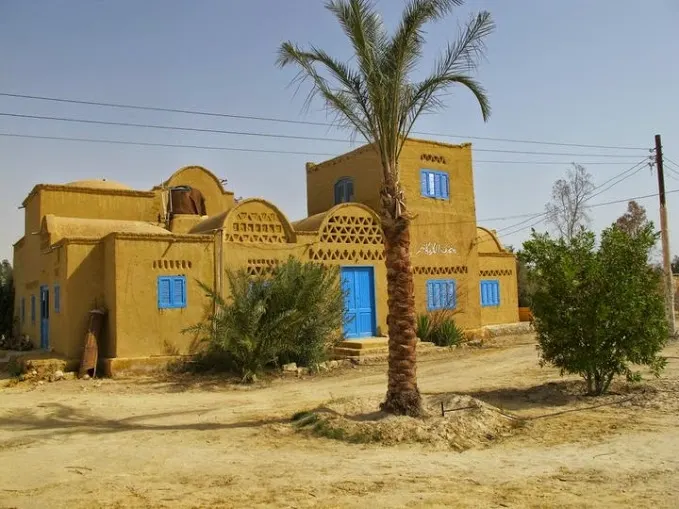
Tunis Village is renowned for its thriving pottery industry, distinctive Nubian vault architecture, and annual Pottery Festival. It offers a unique blend of rural charm and artistic sophistication, attracting visitors with its ceramic workshops, art galleries, and picturesque setting in the Fayoum Oasis.
Customize Your Dream Vacation!
Get in touch with our local experts for an unforgettable journey.
Plan Your TripHow Pottery Transformed the Village
Growth of pottery workshops
What began as a single school expanded into a thriving pottery economy. Ten workshops and an active art center now operate in the village, with almost every household participating in ceramic production. This industry has provided steady employment and reduced the need for residents to leave the village for work.
Annual Pottery Festival
Founded in 2011 by potter Ahmed Abu Zeid, the Tunis Village Pottery Festival takes place each December. It features exhibitions, workshops, performances, and local food markets. The festival attracts artisans from across Egypt and serves as both a cultural showcase and an economic engine.
Recognition as a global ceramic hub
The village receives around 120,000 visitors yearly and has become an international center for handcrafted ceramics — and those planning to visit can include it as part of Egypt tours that explore the Fayoum Oasis and its remarkable cultural landscapes. Its pottery blends Islamic art influences with modern creativity, and many pieces appear in global exhibitions and museums.
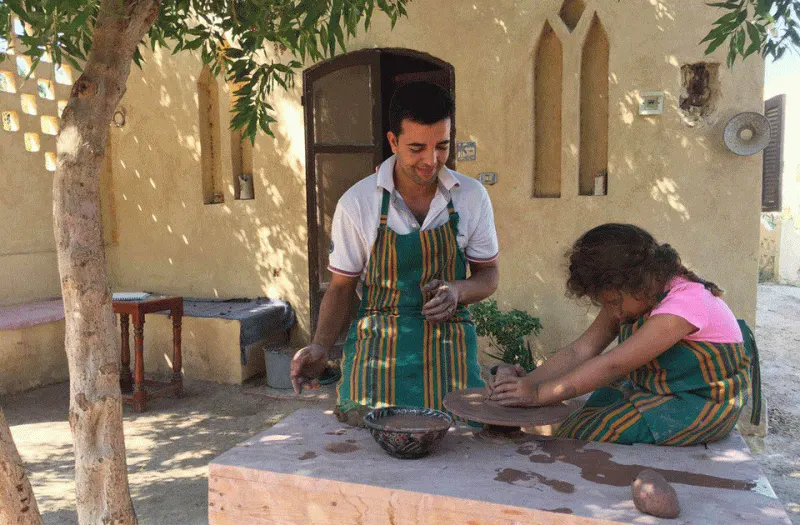
The village's transformation began in the 1980s when Swiss ceramist Evelyne Porret established a pottery school. Her initiative grew into multiple workshops, training local artisans and creating a sustainable pottery industry that now employs most of the village's residents.
Cultural and Architectural Identity
Nubian vault architecture
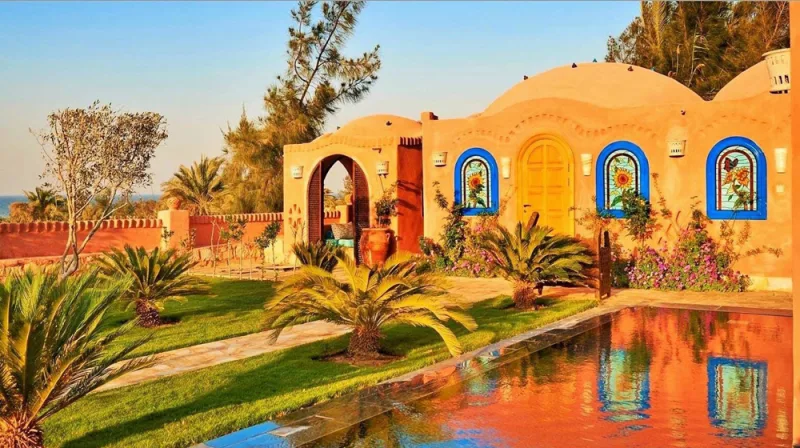
Tunis Village’s dominant architectural style is the Nubian vault technique, revived and popularized by Evelyne Porret and inspired by Hassan Fathy’s principles. Structures use mud brick, earth mortar, and domed ceilings, creating a sustainable and harmonious aesthetic. Over time, some buildings adopted burned brick, but the village retains its distinctive earthen charm.
Artistic influence from residents and visitors
Artist Mohamed Abla enhanced the village’s cultural richness by founding the Fayoum Art Center in 2006. It features the Middle East’s first caricature museum, showcasing works by famous artists such as Saroukhan and George El Bahgoury. Murals and galleries contribute to the village's identity as a living outdoor museum.
Blend of rural and cosmopolitan lifestyles
Tunis Village balances traditional rural life—donkeys, agriculture, simple homes—with international artistic culture. Visitors experience an environment that feels both rustic and cosmopolitan, creating a unique cultural atmosphere.
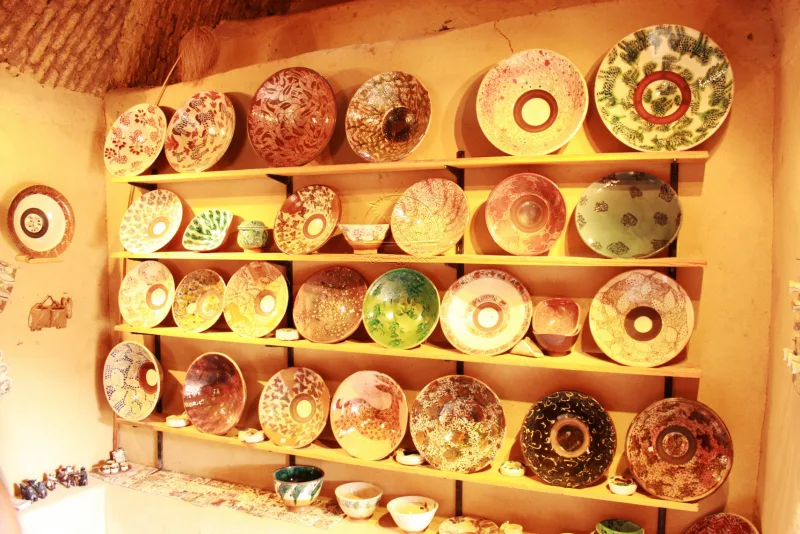
Visitors can take pottery courses, explore art galleries, visit the Caricature Museum, cycle through the village, enjoy boat rides on Lake Qaroun, go horseback riding, and experience birdwatching. The village also serves as a base for desert exploration in the surrounding area.
Tunis Village exemplifies how art can transform a community. Evelyne Porret's vision sparked a cultural and economic revival that continues to flourish. The village blends rural identity with artistic innovation, supported by Nubian architecture, thriving pottery studios, and cultural institutions.
The annual Pottery Festival and global recognition highlight its success. Today, Tunis Village stands as a model for sustainable, art-driven rural development — where tradition and creativity coexist in a beautifully balanced environment.
For those inspired to experience living Nubian culture firsthand, the Aswan Nubian Village Tour offers an authentic glimpse into one of Egypt's most vibrant and distinctive communities along the Nile.
While Tunis Village is beautiful year-round, the annual Pottery Festival, typically held in November or December, is a highlight. This event showcases local artisans' work, offers workshops, and features cultural performances, making it an ideal time for art enthusiasts to visit.
The village's transformation into an artistic hub has significantly improved the local economy. Most households now have at least one member working in pottery-related jobs, preventing migration for work. The influx of tourists has also boosted income, while preserving local traditions and fostering a unique cultural identity.
Yes. Tunis Village is about a 1.5–2 hour drive from Cairo, making it an ideal day trip. Many visitors spend the full day exploring workshops, enjoying outdoor activities, and visiting nearby attractions like Qarun Lake and Wadi Hitan.
Absolutely. Many workshops in Tunis Village offer beginner-friendly pottery classes. Visitors can learn basic shaping, glazing, and firing techniques, and often take home the pieces they create.
Tunis Village offers a wide range of eco-lodges, guesthouses, and boutique hotels built in traditional Nubian-style architecture. Many accommodations provide views of Lake Qaroun and offer activities like cycling, horseback riding, and farm-to-table dining.
Yes. The village is peaceful, safe, and perfect for families. Children especially enjoy pottery workshops, outdoor activities, farm visits, and interacting with the village’s artistic community.
Nearby attractions include Wadi Hitan (Valley of the Whales), Wadi El Rayan waterfalls, Qarun Palace (Qasr Qarun), birdwatching areas, and several desert trekking routes. These sites make Tunis Village an excellent base for exploring the wider Fayoum region.
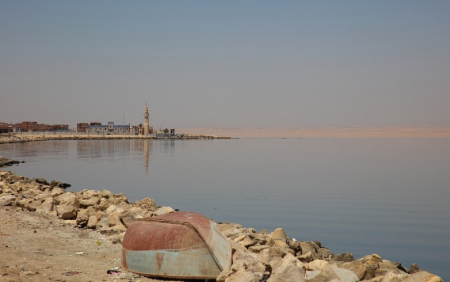
Lake Moeris, the ancient giant of the Faiyum Oasis, once spanned over 1,200 km² and powered Egypt’s irrigation system. Today known as Lake Qarun, it remains a historic symbol of engineering and agricultural innovation.
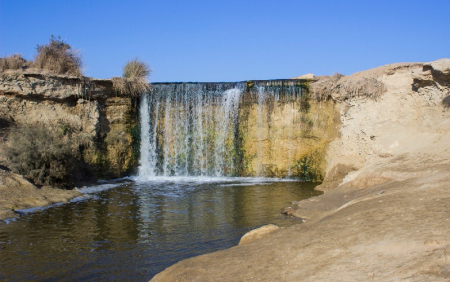
Wadi El Rayan is a breathtaking desert sanctuary in Fayoum, home to Egypt’s only waterfalls, expansive twin lakes, and globally rare wildlife like the slender-horned gazelle. Formed through a 1973 water diversion project, it now stands as one of Egypt’s most remarkable protected natural habitats.
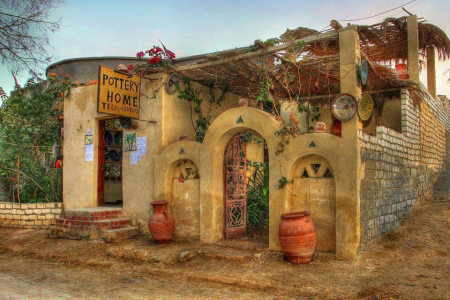
Tunis Village in Egypt’s Fayoum Oasis is a world-famous center for pottery and rural arts. Sparked by Evelyne Porret’s pottery school in 1980, it has grown into a vibrant artistic community, hosting an annual pottery festival and attracting visitors with its creative charm and proximity to Wadi Hitan.