
 Home
HomeEl Fayoum Egypt
El Fayoum, often called the "Garden of Egypt," stands as one of the country's most captivating yet underexplored governorates. Located approximately 100 kilometres southwest of Cairo, this remarkable oasis represents a unique blend of ancient history, natural wonders, and vibrant contemporary culture. Unlike other Egyptian destinations that rely heavily on the Nile, El Fayoum draws its life from the Bahr Yussef canal, creating a distinctive ecosystem that has flourished for millennia.
The governorate encompasses an area of 6,068 square kilometres and houses over three million inhabitants who have cultivated this fertile depression for thousands of years. What makes El Fayoum truly extraordinary is its position as Egypt's largest natural oasis, sitting 43 metres below sea level and surrounded by the Western Desert's golden sands.
Historical Tapestry: Where Pharaohs Once Walked
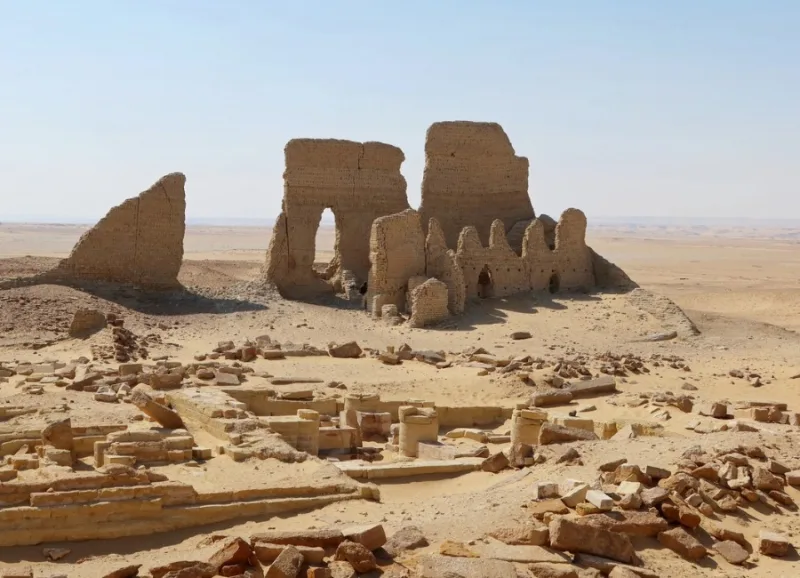
El Fayoum's historical significance stretches back over 4,000 years, earning recognition as one of Egypt's oldest continuously inhabited regions. The ancient Egyptians called it "Ta-she," meaning "Land of the Lake," whilst the Greeks knew it as the Arsinoite Nome. During the Middle Kingdom period (2055-1650 BCE), Pharaoh Amenemhat III transformed the region through ambitious irrigation projects that remain engineering marvels today.
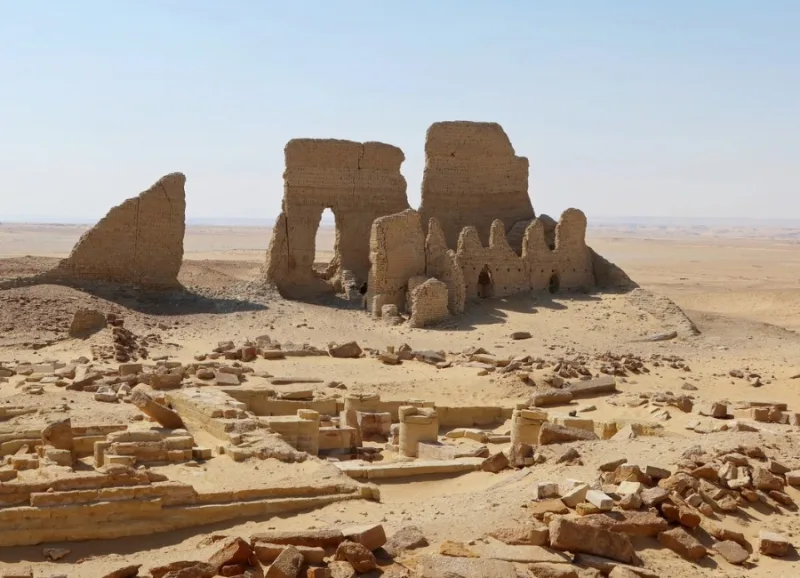
The area served as a favoured retreat for Egyptian royalty, who built magnificent temples and monuments throughout the region. Karanis, an ancient Greco-Roman city, provides fascinating insights into daily life during the Ptolemaic period. Archaeological discoveries continue to reveal papyri, mummies, and artifacts that illuminate Egypt's complex cultural evolution.
Medieval Islamic rulers recognised El Fayoum's strategic importance, with the Ayyubid and Mamluk dynasties establishing significant settlements. The region's name derives from the Coptic "Phiom," meaning "the sea," later arabised to "Fayoum."
A: It's about a 90-minute drive from Cairo, making it perfect for a day trip! Though honestly, you'll probably want to stay longer once you see what's on offer.
Natural Wonders: Lake Qarun and Beyond
Lake Qarun dominates El Fayoum's landscape as Egypt's largest saltwater lake and third-largest lake overall. This ancient body of water, measuring 55 kilometres long and 9 kilometres wide, represents the remnant of the much larger Lake Moeris that once covered the entire depression. The lake's salinity creates unique ecological conditions supporting diverse bird species, making it a paradise for birdwatchers and nature enthusiasts.
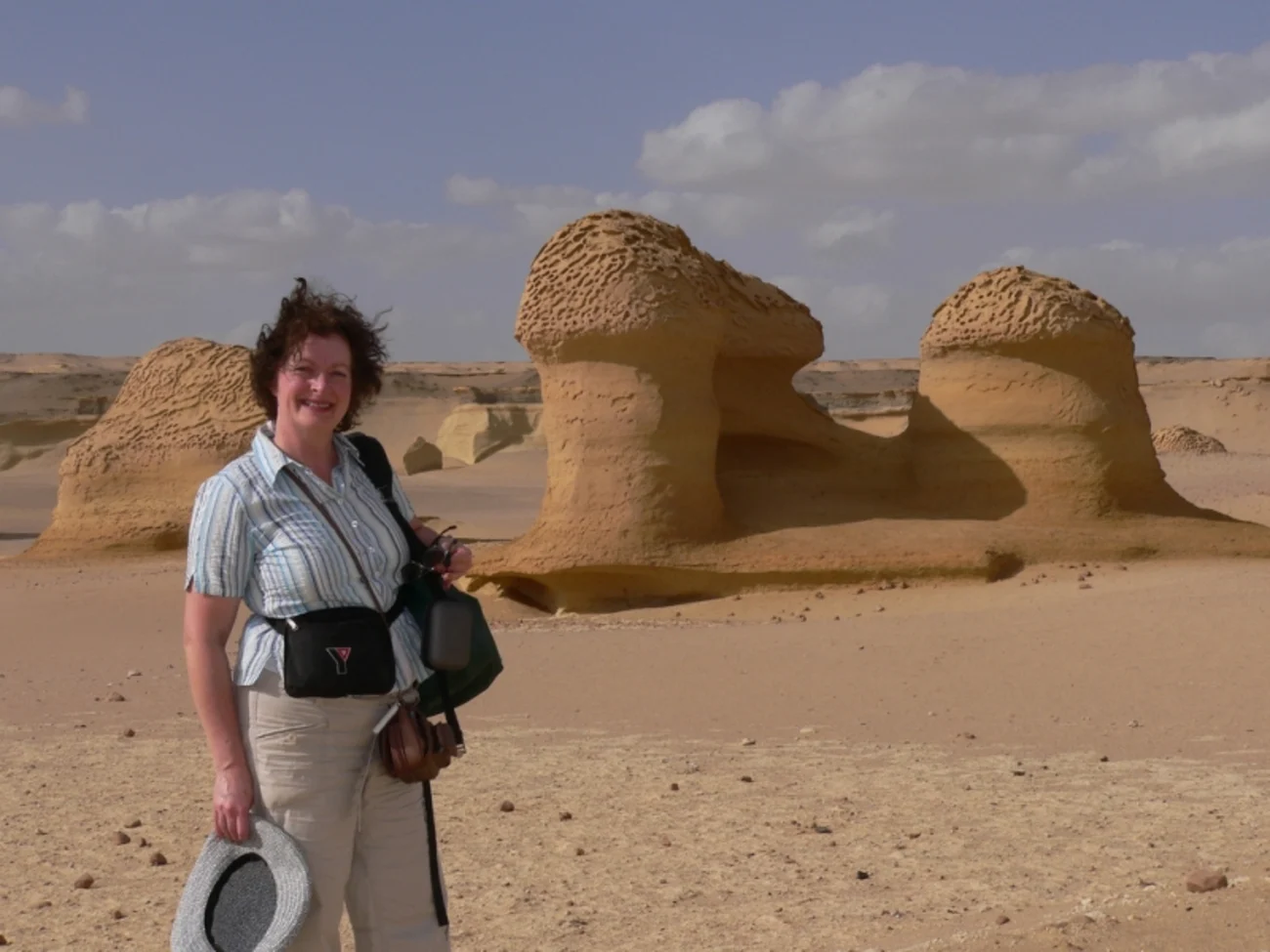
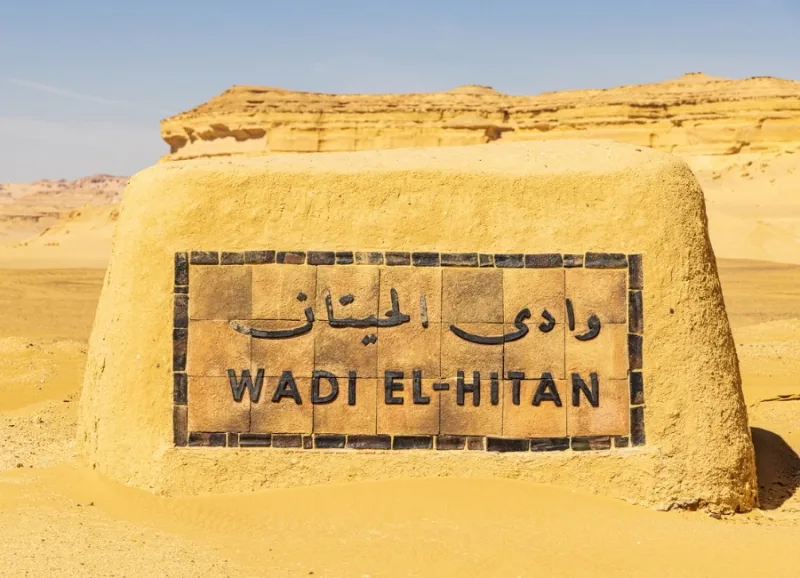
Wadi Al-Hitan (Valley of the Whales) stands as El Fayoum's crown jewel and UNESCO World Heritage Site. This extraordinary paleontological site contains the world's most significant collection of whale fossils, documenting the evolution of whales from land-dwelling mammals to ocean giants. The 40-million-year-old fossils include complete skeletons with hind limbs, providing crucial evidence for evolutionary biology.
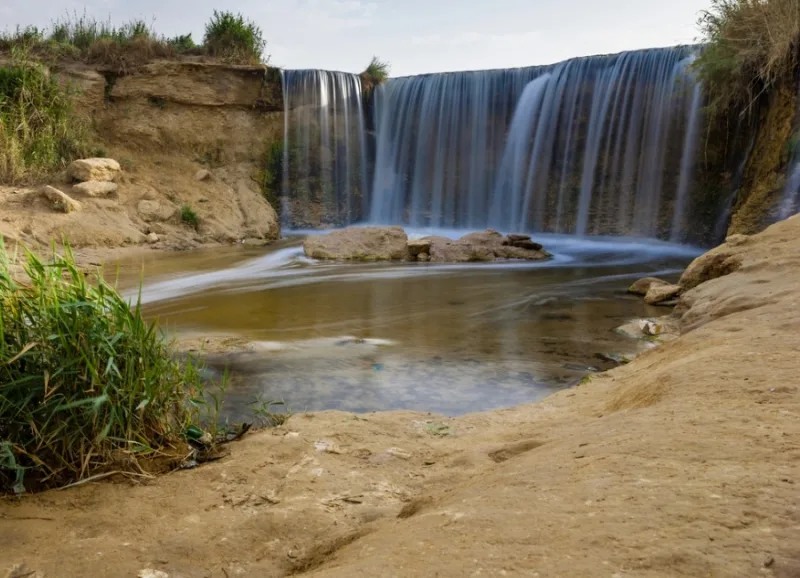
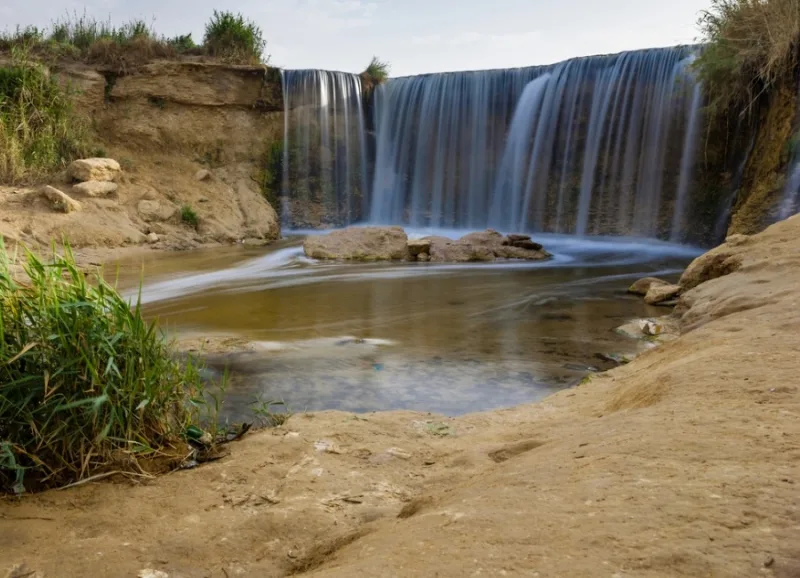
The Wadi Al-Rayan protected area encompasses two artificial lakes connected by Egypt's only natural waterfall. Created in 1989 when agricultural drainage water filled natural depressions, these lakes now support thriving ecosystems and offer spectacular desert scenery.
A: Absolutely! Amenemhat III practically redesigned the whole place with his irrigation genius. You can still see his pyramid at Hawara!
Cultural Treasures and Living Traditions
El Fayoum's cultural landscape reflects centuries of diverse influences, from ancient Egyptian traditions to Islamic heritage and modern Bedouin customs. The region's pottery workshops in villages like Tunis have gained international recognition, where artisans create distinctive ceramics using techniques passed down through generations. These workshops welcome visitors eager to learn traditional methods and create their own masterpieces.
Traditional crafts flourish throughout El Fayoum, including intricate basketry, carpet weaving, and metalwork. Local markets showcase handmade products that reflect the region's artistic heritage, whilst supporting community economies.
The area hosts several local festivals celebrating agricultural cycles, religious observances, and cultural traditions. The annual Date Festival celebrates the harvest of El Fayoum's famous dates, whilst religious festivals bring communities together in vibrant celebrations featuring traditional music, dance, and cuisine.
Local cuisine reflects the region's agricultural abundance, featuring fresh vegetables, fruits, and dairy products. Traditional dishes include fattah (layered bread, rice, and meat), fresh fish from Lake Qarun, and the region's renowned dates and olives.
A: Winter months (November-February) are brilliant! You'll spot flamingos, herons, and loads of migratory birds escaping European winters.
Customize Your Dream Vacation!
Get in touch with our local experts for an unforgettable journey.
Plan Your TripEconomic Significance: Agriculture and Beyond
El Fayoum serves as one of Egypt's most important agricultural regions, contributing significantly to national food security. The governorate produces approximately 30% of Egypt's fruit and vegetables, including citrus fruits, grapes, olives, and the famous Fayoum dates. The region's unique microclimate and fertile soil create ideal conditions for diverse crops.
Aquaculture represents a growing economic sector, with fish farms utilising Lake Qarun's brackish waters and freshwater sources. These operations provide employment for thousands whilst supplying protein to domestic and international markets.
Tourism increasingly contributes to local economies, though the sector remains underdeveloped compared to other Egyptian destinations. This presents opportunities for sustainable tourism initiatives that benefit local communities whilst preserving natural and cultural heritage.
Manufacturing industries include food processing, textiles, and handicrafts, often utilising local raw materials and traditional techniques. Small-scale enterprises provide employment opportunities whilst maintaining cultural authenticity.
A: Definitely! Many workshops in Tunis village offer hands-on experiences. You'll get properly messy, but it's absolutely worth it!
Environmental Conservation: Protecting Paradise
El Fayoum faces significant environmental challenges requiring urgent attention and innovative solutions. Lake Qarun protection efforts focus on managing salinity levels, controlling pollution, and preserving biodiversity. Agricultural runoff and industrial waste threaten water quality, whilst climate change affects water levels and ecosystem balance.
Desert reclamation projects aim to expand agricultural land whilst preventing desertification. These initiatives utilise advanced irrigation techniques and drought-resistant crops to maximise productivity whilst conserving water resources.
Wildlife preservation programmes protect endangered species and maintain ecological balance. The region supports diverse fauna, including foxes, gazelles, and numerous bird species that require habitat protection and conservation management.
Sustainable tourism initiatives promote responsible travel practices that minimise environmental impact whilst maximising community benefits. These programmes encourage visitors to respect natural environments, support local businesses, and contribute to conservation efforts.
A: It's still growing, which means your visit directly supports local families running guesthouses, restaurants, and craft workshops. Every pound spent makes a real difference!
El Fayoum represents Egypt's remarkable ability to sustain life and culture in challenging environments. This extraordinary oasis continues evolving whilst maintaining its essential character, offering visitors authentic experiences that connect them with Egypt's profound heritage and natural beauty. Whether exploring ancient ruins, learning traditional crafts, or simply enjoying the tranquil landscape, El Fayoum provides unforgettable encounters with one of the world's most enduring civilisations.
A: Choose eco-friendly accommodations, don't disturb wildlife, take your rubbish with you, and support conservation projects through entrance fees and donations.

As a UK passport holder, you'll discover that obtaining an Egyptian visa is a straightforward process, with multiple options designed to accommodate various travel purposes and durations.

El Fayoum, located one hour south of Cairo, is considered one of Egypt's most peaceful places and one of the most greenish oases in Egypt's desert

Bahariya is one of the more appealing of the desert circuit oasis, and it's also the easiest to access, being just 365 kilometers from Cairo.

Farafra Oasis showcases the White Desert's dramatic chalk formations, therapeutic hot springs, and volcanic Black Desert. This remote Egyptian oasis, 627 km from Cairo, offers authentic Bedouin culture and stunning desert landscapes.

Dakhla Oasis spans 2,000 km² in Egypt's Western Desert, 350 km from the Nile. This UNESCO-listed site showcases Pharaonic heritage and traditional communities with 75,000 residents.

Kharga Oasis, Egypt's largest desert oasis, spans 160 km west of the Nile. This UNESCO nominee features the Temple of Hibis and preserves ancient caravan route heritage as the most modernized western oasis with 87,482 residents.


Siwa Oasis is a lush desert oasis below sea level, known for its natural springs, palm groves, ancient oracle, and preserved Berber culture.

Egypt’s Black Desert is a striking natural wonder marked by black volcanic hills, basalt formations, and surreal landscapes shaped by ancient volcanic activity and millions of years of erosion.

The White Desert is a protected natural area in Egypt near Farafra Oasis, known for its white limestone formations created by erosion over millions of years.

Crystal Mountain Egypt is a breathtaking natural landmark located between Bahariya and Farafra oases in the White Desert. Known as the “Jewel of the Desert,” it features clusters of sparkling quartz crystals formed over millions of years, making it one of the rarest geological formations in the world.