
 Home
HomeCultural Etiquette for UK Visitors: Your Essential Guide to Egypt
Stepping off the plane into Egypt's warm embrace, UK travellers often find themselves immersed in a culture that's simultaneously ancient and vibrantly modern. The land of pharaohs and pyramids offers experiences that transcend typical holiday expectations, but navigating its rich cultural landscape requires more than just a good guidebook. Understanding Egyptian etiquette isn't merely about avoiding embarrassment—it's about unlocking authentic connections with one of the world's most hospitable peoples.
Get Your Guide Egypt has become the trusted companion for countless British visitors seeking meaningful cultural experiences. Their local experts consistently emphasise that respectful behaviour opens doors to extraordinary encounters, from intimate conversations with Cairene shopkeepers to invitations into family homes in Upper Egypt. This comprehensive guide draws upon decades of collective wisdom from seasoned travellers and local insights to ensure your Egyptian adventure reflects the respect this magnificent culture deserves.
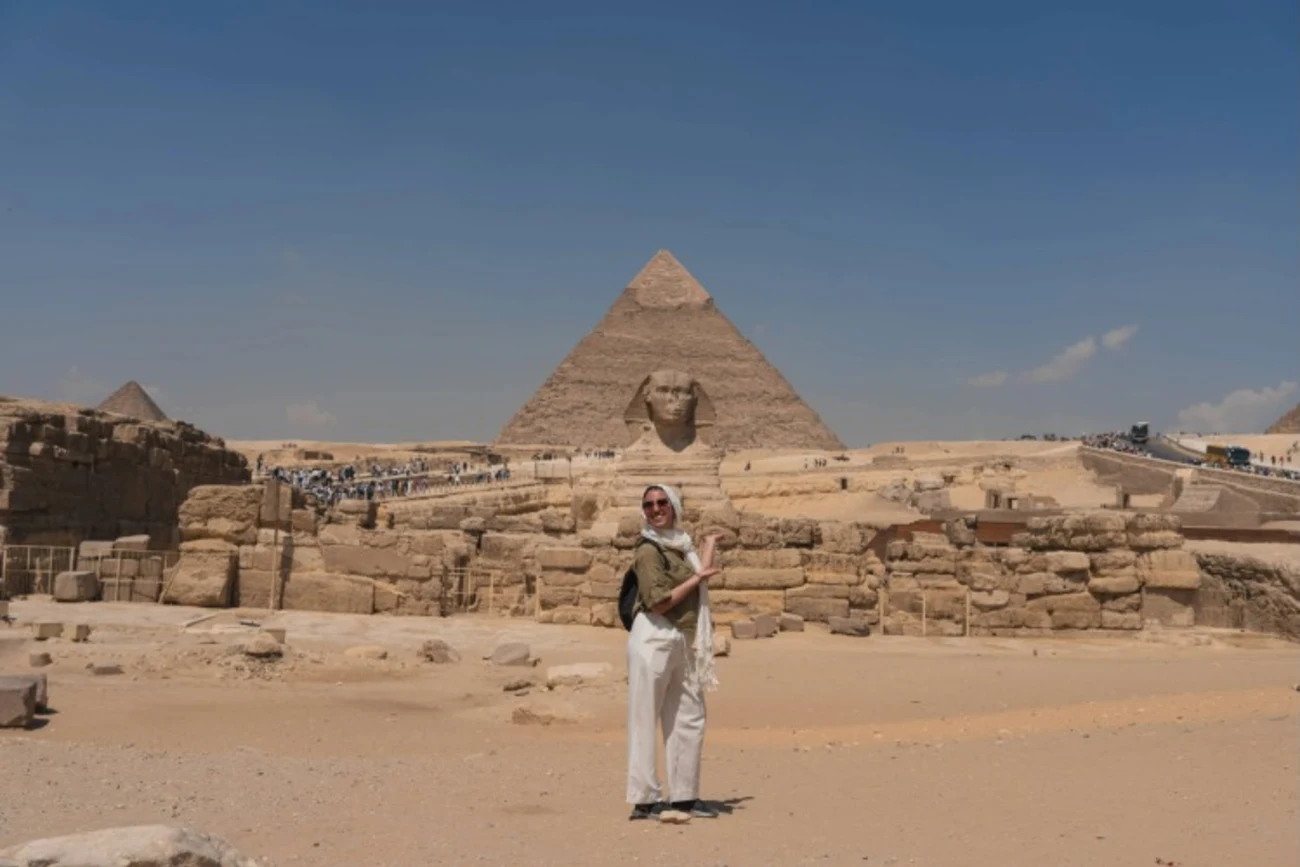
Dressing Appropriately: Beyond Tourist Comfort
Egypt's dress expectations extend far beyond the practical considerations of desert heat and ancient site exploration. While the country welcomes millions of international visitors annually, demonstrating cultural sensitivity through appropriate attire signals respect and often results in warmer local interactions.
For women, the golden rule centres on coverage rather than specific garments. Long sleeves and trousers or ankle-length skirts work beautifully in most situations, though lightweight fabrics become essential during Egypt's scorching summers. In Cairo's cosmopolitan districts, you'll observe local women wearing everything from traditional abayas to contemporary Western fashion, but erring on the conservative side proves wise, particularly when visiting religious sites or rural areas.
Men face fewer restrictions but should avoid shorts in religious contexts and opt for long trousers when visiting mosques or meeting business contacts. Tank tops, while tempting in the heat, can appear disrespectful in traditional settings.
The seasonal dimension adds complexity to these guidelines. During Ramadan, even non-Muslim visitors benefit from dressing more conservatively as a gesture of solidarity with the fasting community. Summer months demand breathable fabrics—cotton and linen become your allies—while winter evenings can surprise UK visitors with their coolness, particularly in desert regions.
Get Your Guide Egypt's cultural tours often include visits to active mosques and traditional neighbourhoods where appropriate dress becomes crucial. Their guides regularly advise booking cultural experiences that include dress code briefings, ensuring you're prepared for every encounter.
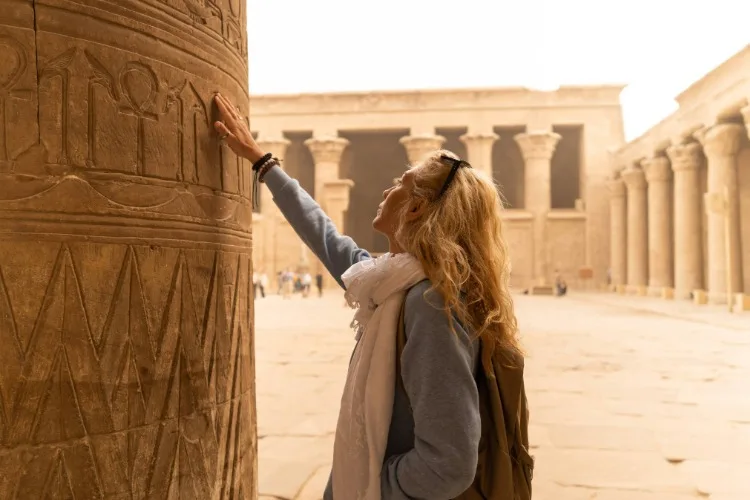
Absolutely. Many mosques provide coverings, but having your own lightweight scarf offers flexibility and shows cultural awareness. It's also practical for desert excursions and air-conditioned spaces.
Dining Customs: The Heart of Egyptian Hospitality
Egyptian dining culture transforms meals into social ceremonies that can bewilder UK visitors accustomed to more structured eating patterns. The concept of time becomes fluid when Egyptians gather around food, and understanding these rhythms enhances your cultural immersion exponentially.
Meal timing differs significantly from British norms. Lunch often extends from 2 PM to 4 PM, while dinner rarely begins before 8 PM and can continue well past midnight. During Ramadan, these patterns shift dramatically as the community breaks their fast together at sunset, creating a magical atmosphere of shared celebration.
Table manners blend formality with warmth. Egyptians typically eat with their right hand, considering the left unclean for food handling. Bread holds sacred significance—never waste it or place it upside down on the table. When offered food, accepting graciously honours your host, even if you only take a small portion.
The art of sharing defines Egyptian dining. Dishes arrive as communal offerings, and refusing to partake can inadvertently offend. UK visitors often struggle with the abundance—Egyptians pride themselves on overwhelming guests with generosity. The phrase "kefaya" (enough) becomes essential vocabulary, though expect gentle insistence to continue eating.
Tea culture rivals Britain's own traditions but follows different protocols. Egyptian tea arrives sweet and strong, often accompanied by elaborate social rituals. Coffee, particularly Turkish-style preparations, signals respect when offered and should be accepted gracefully.
Get Your Guide Egypt offers culinary tours that navigate these customs expertly, providing context for traditional practices while ensuring you experience authentic Egyptian hospitality without cultural missteps.
Religious Practices: Navigating Sacred Spaces
Egypt's Islamic heritage permeates daily life in ways that extend far beyond formal religious observance. Understanding these rhythms helps UK visitors appreciate the spiritual dimension that shapes Egyptian society and creates opportunities for meaningful cultural exchange.
Prayer times structure the Egyptian day into five distinct periods, each announced by the melodious call to prayer echoing across cities and villages. Rather than viewing these as interruptions, savvy travellers learn to anticipate these moments of collective reflection. Shops may close briefly, conversations pause respectfully, and the entire atmosphere shifts toward contemplation.
Mosque etiquette requires specific protocols that differ markedly from church visits familiar to UK travellers. Remove shoes before entering, dress conservatively with arms and legs covered, and maintain quiet, respectful behaviour. Women typically cover their hair, and some mosques designate separate areas for female visitors. Photography rules vary significantly between mosques—always ask permission first.
Ramadan considerations transform Egypt's social landscape entirely. Non-Muslim visitors should avoid eating, drinking, or smoking publicly during daylight hours as a gesture of respect. The evening iftar (breaking of fast) creates extraordinary community celebrations where visitors often receive spontaneous invitations to join local families.
Friday prayers hold particular significance, with many businesses closing temporarily. Planning around these weekly observances prevents disappointment and demonstrates cultural awareness.
Coptic Christianity represents Egypt's significant Christian minority, with beautiful churches and monasteries welcoming respectful visitors. These sacred spaces follow different protocols but maintain equally reverent atmospheres.
Get Your Guide Egypt specialises in religious site tours that provide historical context while ensuring proper etiquette. Their expert guides navigate the complex protocols of different religious spaces, allowing visitors to focus on the spiritual and architectural magnificence surrounding them.
Egyptian cuisine offers abundant vegetarian options—ful medames, koshari, and various mezze dishes. Simply explain "ana nabati" (I'm vegetarian), and most hosts will enthusiastically accommodate you with delicious plant-based alternatives.
Social Interactions: Building Genuine Connections
Egyptian social customs create a framework for human connection that can initially overwhelm UK visitors accustomed to more reserved interpersonal styles. However, understanding these patterns unlocks the warmth and generosity for which Egyptians are globally renowned.
Personal space concepts differ dramatically from British norms. Egyptians stand closer during conversations, touch more frequently during discussions, and consider physical proximity a sign of friendship rather than intrusion. UK visitors often need time to adjust to this warmth, but embracing it leads to more authentic relationships.
Greeting protocols extend beyond simple handshakes. Close friends of the same gender often embrace and kiss cheeks, while opposite-gender interactions depend on religious observance and personal preference. When in doubt, wait for the other person to initiate physical contact and follow their lead.
Conversation styles favour enthusiasm over British understatement. Egyptians express emotions openly, speak passionately about topics they care about, and view animated discussion as engaging rather than argumentative. Your reserved British demeanour might be misinterpreted as disinterest or unfriendliness.
Age and hierarchy command significant respect in Egyptian society. Elderly individuals receive deference in seating, conversation, and decision-making. Professional titles matter enormously—using "Doctor" or "Engineer" when addressing someone shows cultural sophistication.
Gift-giving customs follow specific protocols. Bringing small gifts from the UK when invited to homes demonstrates thoughtfulness, but avoid alcohol unless you're certain of your host's preferences. Quality chocolates, tea, or items representing British culture make excellent choices.
Bargaining culture extends beyond tourist markets into many social interactions. Egyptians view negotiation as social engagement rather than conflict, and participating respectfully in these exchanges builds rapport with local communities.
Get Your Guide Egypt connects visitors with local families and community leaders through carefully curated cultural exchange programs, providing safe spaces to practice these social skills while building meaningful relationships.
Business Etiquette: Professional Success in Egypt
UK professionals conducting business in Egypt encounter a landscape where relationship-building supersedes efficiency, and understanding these priorities becomes crucial for successful outcomes. Egyptian business culture emphasises personal connections, patience, and respect for hierarchy in ways that can challenge British expectations.
Meeting protocols begin long before formal discussions commence. Expect extensive preliminary conversations about family, health, and general wellbeing before addressing business matters. This isn't time-wasting—it's relationship investment that Egyptians consider essential for successful partnerships.
Punctuality expectations differ significantly from UK standards. While arriving on time shows respect, don't expect meetings to begin promptly or conclude within scheduled timeframes. Egyptian business operates on relationship time rather than clock time, and rushing discussions can damage potential partnerships.
Hierarchy respect influences every business interaction. Senior figures speak first, make decisions, and receive deference from junior colleagues. UK visitors should identify the decision-maker early and direct primary attention toward them while remaining respectful to all participants.
Gift exchange plays a significant role in Egyptian business culture. Bringing modest gifts from the UK—quality pens, books about Britain, or regional specialities—demonstrates thoughtfulness. However, avoid expensive items that might be misinterpreted as attempts at bribery.
Communication styles favour indirect approaches over British directness. Criticism requires careful wrapping in positive language, and saying "no" directly can cause offence. Learning to read between the lines and express disagreement diplomatically becomes essential.
Religious considerations impact business scheduling. Friday prayers, Ramadan fasting, and Islamic holidays affect meeting availability and energy levels. Planning around these observances shows cultural sensitivity and practical wisdom.
Get Your Guide Egypt offers business cultural orientation sessions for UK professionals, providing practical insights into successful relationship-building strategies and cultural navigation techniques.

Customize Your Dream Vacation!
Get in touch with our local experts for an unforgettable journey.
Plan Your TripSeasonal Cultural Considerations
Egypt's cultural calendar creates distinct etiquette variations that UK visitors must navigate thoughtfully. Understanding these seasonal rhythms enhances your experience while demonstrating cultural sophistication that Egyptians deeply appreciate.
Ramadan transforms Egyptian society entirely, creating the year's most significant cultural shift. The month-long observance affects everything from business hours to social interactions. Non-Muslim visitors should avoid public eating, drinking, and smoking during daylight hours, while evening iftar celebrations offer extraordinary opportunities for cultural immersion. Get Your Guide Egypt offers special Ramadan cultural experiences that provide authentic insights into this sacred time while ensuring appropriate visitor behaviour.
Summer months bring intense heat that influences social patterns significantly. Egyptians adapt by shifting active hours toward early morning and late evening, with afternoon siestas becoming practical necessities. Dress codes become more critical as conservative covering protects both from sun exposure and cultural sensitivity requirements.
Winter seasons surprise UK visitors with cooler temperatures, particularly in desert regions where nighttime temperatures can drop dramatically. Social gatherings often move indoors, creating more intimate cultural exchange opportunities. Traditional winter foods and beverages become prominent, offering different culinary experiences.
Islamic holidays throughout the year create celebration periods with specific etiquette requirements. Eid al-Fitr and Eid al-Adha bring gift-giving traditions, special foods, and community gatherings where visitors might receive spontaneous invitations to join local celebrations.
Coptic Christmas in January provides insights into Egypt's Christian heritage, with different customs and traditions that demonstrate the country's religious diversity.
Comprehensive FAQ Section
Most mosques welcome non-Muslim visitors outside prayer times, but it's respectful to avoid visits during the five daily prayers. Your guide can help time visits appropriately for the most meaningful experience.
es, bring plenty of business cards with Arabic translations on the reverse. Present and receive cards with both hands, take time to read them respectfully, and never write on someone's card in their presence.
Respect for local customs trumps personal comfort every time. When in doubt, observe local behaviour and ask politely for guidance. Egyptians appreciate visitors who show genuine interest in their culture.
Remain polite but firm. Use "la, shukran" (no, thank you) repeatedly and keep walking. Engaging in extended conversations often encourages persistence. Get Your Guide Egypt tours include vendor interaction training to help visitors navigate these situations confidently.
Tipping ("baksheesh") is integral to Egyptian service culture. Restaurant servers expect 10-15%, hotel staff appreciate small daily tips, and tour guides typically receive 50-100 Egyptian pounds per day depending on service quality.
Apologise sincerely and immediately. Egyptians are generally forgiving of cultural mistakes when they see genuine remorse and effort to learn. A simple "ana asef" (I'm sorry) often resolves minor misunderstandings.
Always ask permission before photographing people, especially women and children. Many mosques prohibit photography entirely, while others allow it in specific areas. Tourist sites generally permit photography but may charge additional fees.
Accept graciously and ask your host about appropriate behaviour, gifts, or dress codes. Egyptians enjoy sharing their customs with interested visitors and will guide you through proper etiquette.
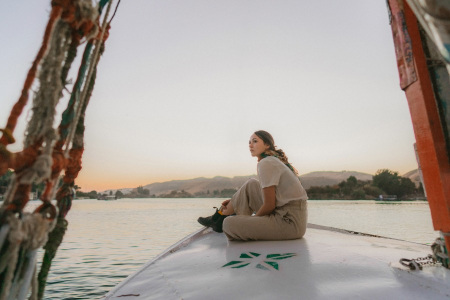
By taking a felucca ride on the Nile in Cairo, you can take in the picturesque panorama of the River Nile.
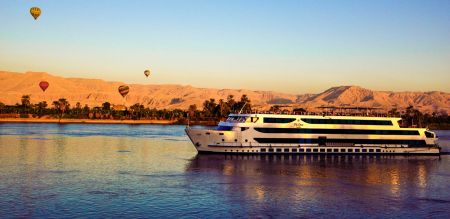
Ranging from shorter Cruises sailing between Luxor and Aswan, to the long Nile Cruises which sail from Cairo to Luxor and Aswan!

Egypt maintaining its status as a welcoming destination for international visitors whilst implementing robust security measures across all major tourist areas.

Whether you're a history enthusiast, adventure seeker, or family traveller, Egypt offers unparalleled opportunities to witness civilisation's greatest achievements whilst enjoying contemporary comforts and warm Egyptian hospitality.

Planning a trip to Egypt? Discover what to pack with our complete UK traveller’s guide, including essentials for Nile cruises, desert tours, and city breaks.

Picture this: you're standing in the bustling streets of Tokyo, desperately trying to navigate to your hotel, but your phone displays that dreaded "No Service" message. For UK travellers venturing beyond our shores, maintaining reliable internet connectivity isn't just about convenience—it's about safety, productivity, and making the most of every precious moment abroad.

This comprehensive guide draws upon decades of collective wisdom from seasoned travellers and local insights to ensure your Egyptian adventure reflects the respect this magnificent culture deserves.

Egypt beckons with its ancient pyramids, vibrant bazaars, and the legendary Nile River, drawing hundreds of thousands of UK travellers annually. Yet beneath the allure of this archaeological wonderland lies a complex landscape of potential risks that make comprehensive travel insurance not just advisable, but absolutely essential for British visitors.

Understanding flights from UK to Egypt becomes essential for anyone planning this remarkable journey across continents and cultures.

Explore Egypt’s weather by season, average temperatures, and when to visit for the perfect holiday.

Egypt in Ramadan offers UK travellers a unique blend of spiritual devotion, cultural richness, and authentic experiences. The holy month transforms daily life, combining centuries-old traditions with vibrant celebrations that reveal Egypt’s hospitality and heritage.

For UK couples seeking something beyond the typical Mediterranean getaway, Egypt presents a captivating alternative where pharaonic grandeur meets Red Sea luxury. From intimate felucca rides along the Nile to private dinners beneath star-studded desert skies, this land of mysteries promises honeymoon memories that will last a lifetime.

Egypt, a land where history and modernity intertwine seamlessly, stands as a beacon for intrepid adventurers and history enthusiasts alike. For UK seniors, this ancient country offers a treasure trove of experiences that cater to both the inquisitive mind and the comfort-seeking soul. The allure of Egypt lies not only in its iconic monuments and archaeological wonders but also in its welcoming atmosphere and well-established tourism infrastructure. This makes it a prime destination for seniors wishing to embark on a journey that is both enriching and manageable.

Discover wheelchair friendly holidays for UK travellers. A full Travel Guide with all what you need to know before booking a wheelchair holiday to Egypt!

With English widely spoken in tourist areas and numerous guided tours tailored to solo travellers, navigating Egypt independently is both feasible and rewarding. Solo travellers can choose from group excursions, private guides, or self-paced itineraries, ensuring that their journey is as relaxing or adventurous as they desire.

As you plan your journey, you'll face the delightful dilemma of choosing between two equally captivating routes: from Aswan to Luxor or Luxor to Aswan. Each direction offers its own set of highlights and experiences, making the decision a matter of personal preference. In this guide, we'll explore both routes in detail, helping you make an informed choice for your unforgettable Nile cruise adventure.

This guide is designed for UK visitors, providing a detailed breakdown of the best time for a Nile cruise, month-by-month weather insights, practical travel tips, and cultural considerations. Whether you are a first-time visitor or a returning traveller, this guide will help you plan your Aswan Luxor Nile cruise with confidence.

This guide explains Nile river cruise prices for UK travellers. Learn the differences between luxury standard and budget cruises, what affects cost, and tips for planning your ideal Nile adventure.

Experience the best of Egypt by combining cairo and nile in one unforgettable journey. Explore iconic landmarks in Cairo, then relax on a scenic Nile cruise visiting ancient temples and historic sites along the river.

Visiting Egypt from the UK? Discover essential tips on safety, visas, flights, Nile cruises, costs, and culture in one complete guide designed for British travellers.

Cruising the Nile River is the ideal way for first-time UK visitors to explore Egypt’s ancient landmarks in comfort. The Luxor to Aswan route offers iconic temples, expert-guided tours, and relaxed sailing, making it perfect for beginners.
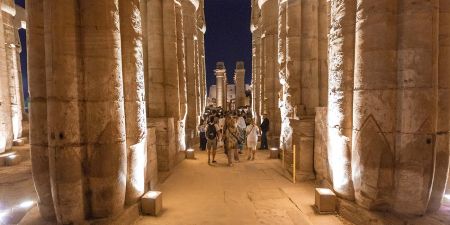
Luxor is the most well known recognized City in Upper Egypt and the capital of Luxor Governorate, known famously for its oldest and most Ancient Egyptian sites.
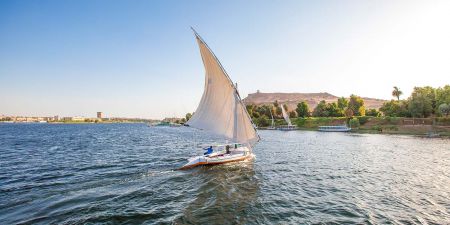
Aswan is Egypt’s southernmost city and lies, like Luxor and Cairo, on the shores of the Nile River, at its first cataract. Know More .!

The Long Nile Cruise between Cairo, Luxor and Aswan is sure to be the trip of a lifetime through the ancient land of Egypt. Cruise boats now leave regularly from Cairo heading south to Luxor and Aswan. The two-week journey takes passengers to all of the major ancient sites along the Nile Valley, with time to relax and enjoy the scenery of the Nile Valley.
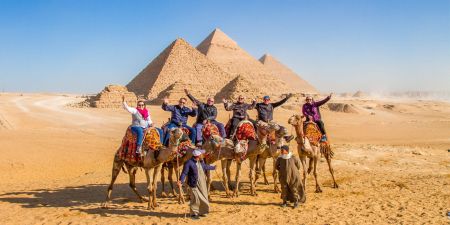
Egypt Do's & Don'ts. Know before you go Egypt, dress, Camera Usage, tipping and all the information you need to know before visiting egypt. Know more!