
 Home
HomeFlights from UK to Egypt: Your Complete Travel Guide
The ancient allure of Egypt beckons millions of British travellers each year, from the bustling souks of Cairo to the pristine coral reefs of the Red Sea. Understanding flights from UK to Egypt becomes essential for anyone planning this remarkable journey across continents and cultures.
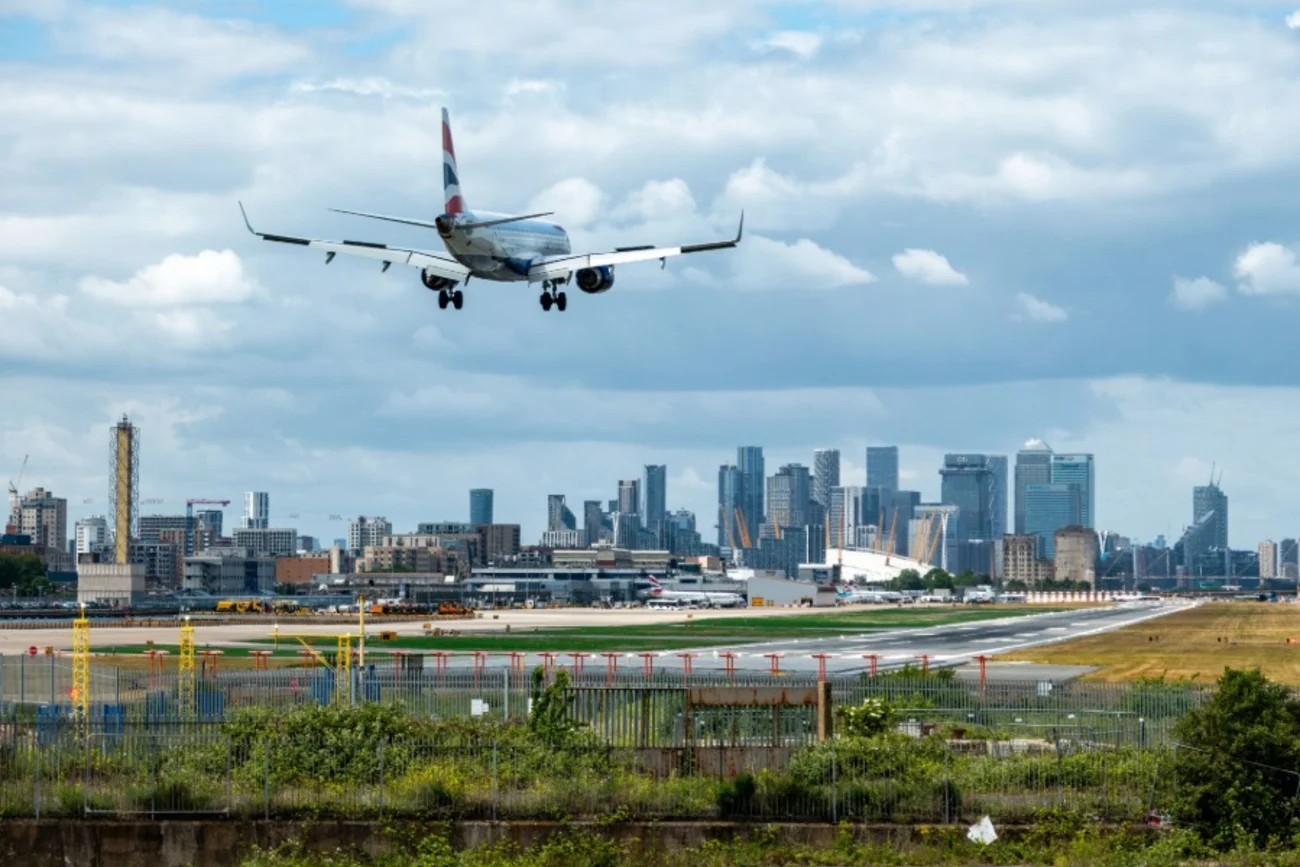
Flight Duration Overview
Direct flights from the UK to Egypt typically range from 4 hours 45 minutes to 6 hours 30 minutes, depending on your departure and arrival airports. This relatively short journey transforms grey British skies into the golden warmth of North Africa, making Egypt an incredibly accessible destination for weekend getaways or extended adventures.
The flight time varies significantly based on several factors: wind conditions, aircraft type, specific route taken, and seasonal air traffic patterns. Winter months often see slightly longer flight times due to prevailing westerly winds, whilst summer routes may benefit from more favourable atmospheric conditions.
Popular Flight Routes
-
London to Cairo
The London Heathrow to Cairo International route represents the most frequented pathway between Britain and Egypt. EgyptAir operates multiple daily direct services, typically taking 5 hours 15 minutes. British Airways also provides excellent connectivity on this route, offering passengers premium service options and flexible scheduling.
London Gatwick serves as another major departure point, with charter airlines and seasonal operators providing competitive alternatives. The flight duration remains consistent at approximately 5 hours 30 minutes, though passengers often benefit from lower fares and more relaxed terminal experiences.
-
Manchester to Red Sea Destinations
Manchester Airport has emerged as a crucial gateway for travellers heading to Egypt's resort destinations. Direct flights to Hurghada take approximately 6 hours 15 minutes, whilst Sharm el-Sheikh services require around 6 hours 30 minutes. These routes prove particularly popular during winter months when British holidaymakers seek warm-weather escapes.
TUI Airways and Jet2 dominate these leisure routes, offering excellent value packages that combine flights with accommodation. The slightly longer flight times reflect the geographical positioning of Red Sea resorts compared to Cairo's more northerly location.
-
Regional UK Departures
Birmingham, Edinburgh, and Glasgow airports provide seasonal services to various Egyptian destinations. Birmingham to Cairo flights typically take 5 hours 45 minutes, whilst Scottish departures may extend to 6 hours 15 minutes due to the additional northerly routing required.
These regional services prove invaluable for travellers outside London's catchment area, eliminating the need for domestic connections and reducing overall journey times.

The quickest option is London Heathrow to Cairo, taking approximately 4 hours 45 minutes with favourable wind conditions. EgyptAir typically operates the fastest services on this route.
Seasonal Flight Variations
-
Peak Season Dynamics
October through April represents Egypt's peak tourist season, coinciding with Britain's colder months. During this period, flight frequencies increase dramatically, with some routes seeing daily departures compared to twice-weekly services in summer months.
Winter flight times may extend by 15-30 minutes due to stronger headwinds and increased air traffic. However, the trade-off brings perfect Egyptian weather – warm, sunny days with comfortable temperatures ideal for sightseeing and outdoor activities.
-
Summer Considerations
May through September sees reduced flight frequencies to Egypt, particularly leisure destinations like Hurghada and Sharm el-Sheikh. However, business routes to Cairo maintain consistent schedules year-round, serving Egypt's thriving commercial sector.
Summer flights often benefit from tailwinds, potentially reducing journey times by 10-20 minutes. The challenge lies in Egypt's intense summer heat, with temperatures frequently exceeding 40°C in popular destinations.
Airline Options and Comparisons
-
Full-Service Carriers
EgyptAir stands as Egypt's flag carrier, offering authentic Middle Eastern hospitality with competitive pricing. Their Boeing 787 Dreamliners on London routes provide excellent comfort levels, whilst their extensive domestic network facilitates easy onward connections within Egypt.
British Airways brings reliability and premium service standards to UK-Egypt routes. Their Club World business class offers lie-flat seats and exceptional dining, making longer journeys comfortable for business travellers and luxury seekers.
-
Charter and Low-Cost Options
TUI Airways excels in holiday packages, combining flights with resort accommodations at competitive prices. Their Boeing 737 MAX aircraft provide modern amenities whilst maintaining cost-effectiveness for leisure travellers.
Jet2 offers excellent value on seasonal routes, particularly to Red Sea destinations. Their inclusive approach often incorporates baggage allowances and meal services that budget airlines typically charge extra for.
Airport Information and Logistics
-
UK Departure Airports
London Heathrow Terminal 2 serves most EgyptAir flights, offering excellent shopping and dining options during longer connection times. The Heathrow Express provides rapid central London access, taking just 15 minutes to Paddington Station.
Manchester Airport Terminal 1 handles most Egypt-bound charter flights, with straightforward check-in processes and efficient security procedures. The airport's direct train connections to major northern cities make it convenient for regional travellers.
-
Egyptian Arrival Airports
Cairo International Airport serves as Egypt's primary gateway, located 20 kilometres northeast of the city centre. Terminal 3 handles most international flights, offering modern facilities and efficient immigration processing.
Hurghada International Airport caters specifically to Red Sea tourism, positioned just 5 kilometres from major resort areas. The compact terminal design ensures quick processing times, getting holidaymakers to their destinations rapidly.
Sharm el-Sheikh International Airport provides gateway access to South Sinai's renowned diving and resort destinations. Recent renovations have significantly improved passenger facilities and processing efficiency.
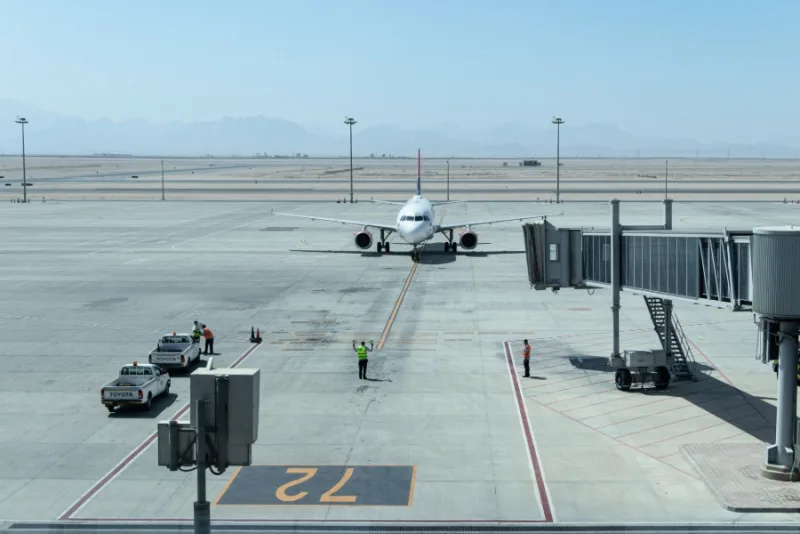
Most international airlines offer through-ticketing to domestic Egyptian destinations. EgyptAir provides excellent connectivity, whilst booking separate tickets may offer more flexibility but requires additional check-in procedures.
Travel Preparation and Tips
-
Documentation Requirements
British passport holders require a tourist visa for Egypt, obtainable online through the official e-visa system or upon arrival. The single-entry tourist visa costs $25 and permits 30-day stays. Processing typically takes 3-7 business days for online applications.
Passport validity must extend six months beyond your intended departure date from Egypt. This requirement remains strictly enforced, with airlines refusing boarding for passengers with insufficient validity.
-
Health and Safety Considerations
No mandatory vaccinations exist for UK travellers to Egypt, though hepatitis A and typhoid immunisations receive strong recommendations. Travel insurance becomes essential, covering medical emergencies and potential evacuation scenarios.
Prescription medications should remain in original packaging with accompanying documentation. Controlled substances require special permits, obtainable through Egyptian embassy services in London.
-
Currency and Financial Planning
The Egyptian Pound (EGP) serves as local currency, though US Dollars and Euros find wide acceptance in tourist areas. ATMs operate extensively throughout major cities and resort destinations, offering competitive exchange rates.
Credit cards work reliably in hotels, restaurants, and major attractions, though cash remains preferred for local markets, taxis, and smaller establishments.
Cultural Highlights to Anticipate
-
Ancient Wonders
The Pyramids of Giza stand just 30 minutes from Cairo Airport, making them accessible even for short visits. The Great Sphinx and Solar Boat Museum complement the pyramid experience, offering comprehensive insights into ancient Egyptian civilisation.
Luxor's Valley of the Kings requires domestic connections or overland travel from Cairo, but rewards visitors with Tutankhamun's tomb and numerous other pharaonic burial sites.
-
Modern Egyptian Culture
Cairo's Khan el-Khalili bazaar provides authentic shopping experiences, from handcrafted jewellery to traditional spices and textiles. Haggling remains expected, creating interactive cultural exchanges between visitors and local merchants.
Egyptian cuisine offers delightful surprises, from koshari (Egypt's national dish) to fresh seafood along coastal regions. Mint tea and Turkish coffee provide perfect accompaniments to leisurely afternoon conversations.
Historical Aviation Context
The UK-Egypt aviation relationship dates back to the 1920s, when Imperial Airways established regular services connecting British territories across the Middle East. BOAC continued these traditions, developing Egypt as a crucial refuelling stop for Far East routes.
Modern bilateral aviation agreements facilitate today's extensive flight networks, supporting both tourism and business connections. Egyptian aviation infrastructure has expanded dramatically since the 1990s, accommodating growing international demand whilst maintaining safety standards.
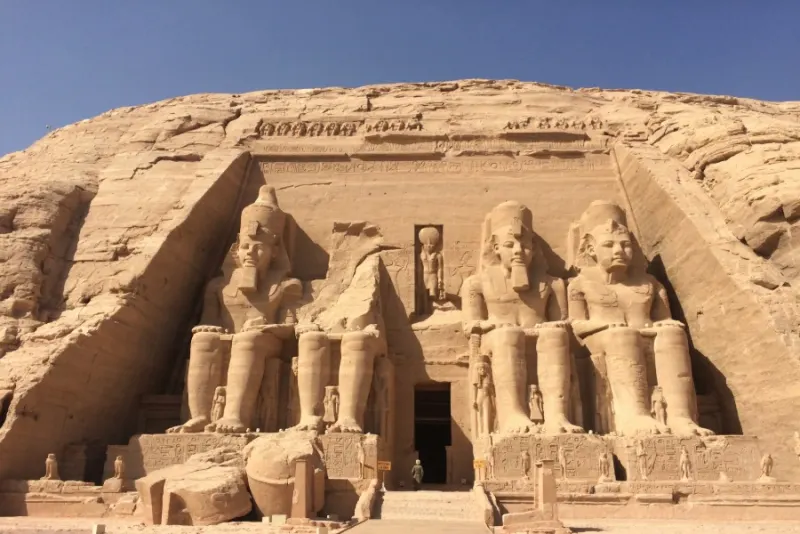
September and early May typically offer the lowest fares, avoiding both peak summer heat and winter tourist seasons. Booking 6-8 weeks in advance generally secures better prices than last-minute purchases.
Customize Your Dream Vacation!
Get in touch with our local experts for an unforgettable journey.
Plan Your TripFrequently Asked Questions
Manchester, Birmingham, and Glasgow offer seasonal direct services, primarily to Red Sea destinations. Edinburgh provides occasional charter flights, whilst other regional airports typically require London connections.
Full-service carriers typically allow 23kg checked baggage plus 7kg hand luggage. Charter airlines often include generous allowances in package deals, whilst budget carriers may charge extra for checked bags.
Egyptian aviation safety standards meet international requirements, with Cairo International and major resort airports maintaining excellent safety records. The UK Foreign Office provides current travel advisories for specific regions within Egypt.

By taking a felucca ride on the Nile in Cairo, you can take in the picturesque panorama of the River Nile.
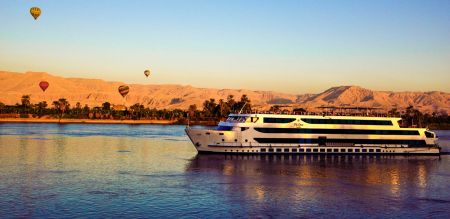
Ranging from shorter Cruises sailing between Luxor and Aswan, to the long Nile Cruises which sail from Cairo to Luxor and Aswan!

Egypt maintaining its status as a welcoming destination for international visitors whilst implementing robust security measures across all major tourist areas.

Whether you're a history enthusiast, adventure seeker, or family traveller, Egypt offers unparalleled opportunities to witness civilisation's greatest achievements whilst enjoying contemporary comforts and warm Egyptian hospitality.

Planning a trip to Egypt? Discover what to pack with our complete UK traveller’s guide, including essentials for Nile cruises, desert tours, and city breaks.

Picture this: you're standing in the bustling streets of Tokyo, desperately trying to navigate to your hotel, but your phone displays that dreaded "No Service" message. For UK travellers venturing beyond our shores, maintaining reliable internet connectivity isn't just about convenience—it's about safety, productivity, and making the most of every precious moment abroad.

This comprehensive guide draws upon decades of collective wisdom from seasoned travellers and local insights to ensure your Egyptian adventure reflects the respect this magnificent culture deserves.

Egypt beckons with its ancient pyramids, vibrant bazaars, and the legendary Nile River, drawing hundreds of thousands of UK travellers annually. Yet beneath the allure of this archaeological wonderland lies a complex landscape of potential risks that make comprehensive travel insurance not just advisable, but absolutely essential for British visitors.

Understanding flights from UK to Egypt becomes essential for anyone planning this remarkable journey across continents and cultures.

Explore Egypt’s weather by season, average temperatures, and when to visit for the perfect holiday.

Egypt in Ramadan offers UK travellers a unique blend of spiritual devotion, cultural richness, and authentic experiences. The holy month transforms daily life, combining centuries-old traditions with vibrant celebrations that reveal Egypt’s hospitality and heritage.

For UK couples seeking something beyond the typical Mediterranean getaway, Egypt presents a captivating alternative where pharaonic grandeur meets Red Sea luxury. From intimate felucca rides along the Nile to private dinners beneath star-studded desert skies, this land of mysteries promises honeymoon memories that will last a lifetime.

Egypt, a land where history and modernity intertwine seamlessly, stands as a beacon for intrepid adventurers and history enthusiasts alike. For UK seniors, this ancient country offers a treasure trove of experiences that cater to both the inquisitive mind and the comfort-seeking soul. The allure of Egypt lies not only in its iconic monuments and archaeological wonders but also in its welcoming atmosphere and well-established tourism infrastructure. This makes it a prime destination for seniors wishing to embark on a journey that is both enriching and manageable.

Discover wheelchair friendly holidays for UK travellers. A full Travel Guide with all what you need to know before booking a wheelchair holiday to Egypt!

With English widely spoken in tourist areas and numerous guided tours tailored to solo travellers, navigating Egypt independently is both feasible and rewarding. Solo travellers can choose from group excursions, private guides, or self-paced itineraries, ensuring that their journey is as relaxing or adventurous as they desire.

As you plan your journey, you'll face the delightful dilemma of choosing between two equally captivating routes: from Aswan to Luxor or Luxor to Aswan. Each direction offers its own set of highlights and experiences, making the decision a matter of personal preference. In this guide, we'll explore both routes in detail, helping you make an informed choice for your unforgettable Nile cruise adventure.

This guide is designed for UK visitors, providing a detailed breakdown of the best time for a Nile cruise, month-by-month weather insights, practical travel tips, and cultural considerations. Whether you are a first-time visitor or a returning traveller, this guide will help you plan your Aswan Luxor Nile cruise with confidence.

This guide explains Nile river cruise prices for UK travellers. Learn the differences between luxury standard and budget cruises, what affects cost, and tips for planning your ideal Nile adventure.

Experience the best of Egypt by combining cairo and nile in one unforgettable journey. Explore iconic landmarks in Cairo, then relax on a scenic Nile cruise visiting ancient temples and historic sites along the river.

Visiting Egypt from the UK? Discover essential tips on safety, visas, flights, Nile cruises, costs, and culture in one complete guide designed for British travellers.

Cruising the Nile River is the ideal way for first-time UK visitors to explore Egypt’s ancient landmarks in comfort. The Luxor to Aswan route offers iconic temples, expert-guided tours, and relaxed sailing, making it perfect for beginners.

This article is a travel guide to Cairo for UK visitors, covering top attractions, culture, transport, safety, and essential tips to help plan an easy and enjoyable trip.

Islamic Cairo is a historic district in Cairo known for its rich Islamic heritage, stunning architecture, and vibrant street life. This travel guide introduces UK visitors to its key landmarks, cultural experiences, and practical tips for exploring the area. From grand mosques to bustling markets, Islamic Cairo offers an authentic and immersive journey into Egypt’s past and present.
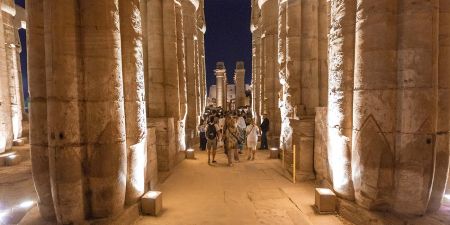
Luxor is the most well known recognized City in Upper Egypt and the capital of Luxor Governorate, known famously for its oldest and most Ancient Egyptian sites.

Aswan is Egypt’s southernmost city and lies, like Luxor and Cairo, on the shores of the Nile River, at its first cataract. Know More .!
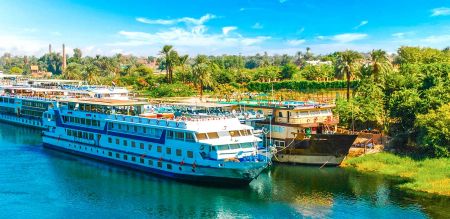
The Long Nile Cruise between Cairo, Luxor and Aswan is sure to be the trip of a lifetime through the ancient land of Egypt. Cruise boats now leave regularly from Cairo heading south to Luxor and Aswan. The two-week journey takes passengers to all of the major ancient sites along the Nile Valley, with time to relax and enjoy the scenery of the Nile Valley.

Egypt Do's & Don'ts. Know before you go Egypt, dress, Camera Usage, tipping and all the information you need to know before visiting egypt. Know more!