
 Home
HomeEgypt Weather by Month: A Comprehensive Guide for UK Travellers
Picture yourself stepping off the plane in Cairo, immediately enveloped by air so warm and dry it feels like opening an oven door—a stark contrast to the damp, unpredictable British climate you've left behind. Egypt's weather presents a fascinating study in extremes that will challenge everything you thought you knew about seasonal patterns.
For UK travellers accustomed to our temperate maritime climate, Egypt's desert-dominated weather system offers an almost alien experience. Where Britain experiences gentle transitions between seasons, Egypt delivers dramatic temperature swings and months of unrelenting sunshine that would make even our most optimistic weather forecasters blush.
January: Winter's Gentle Embrace
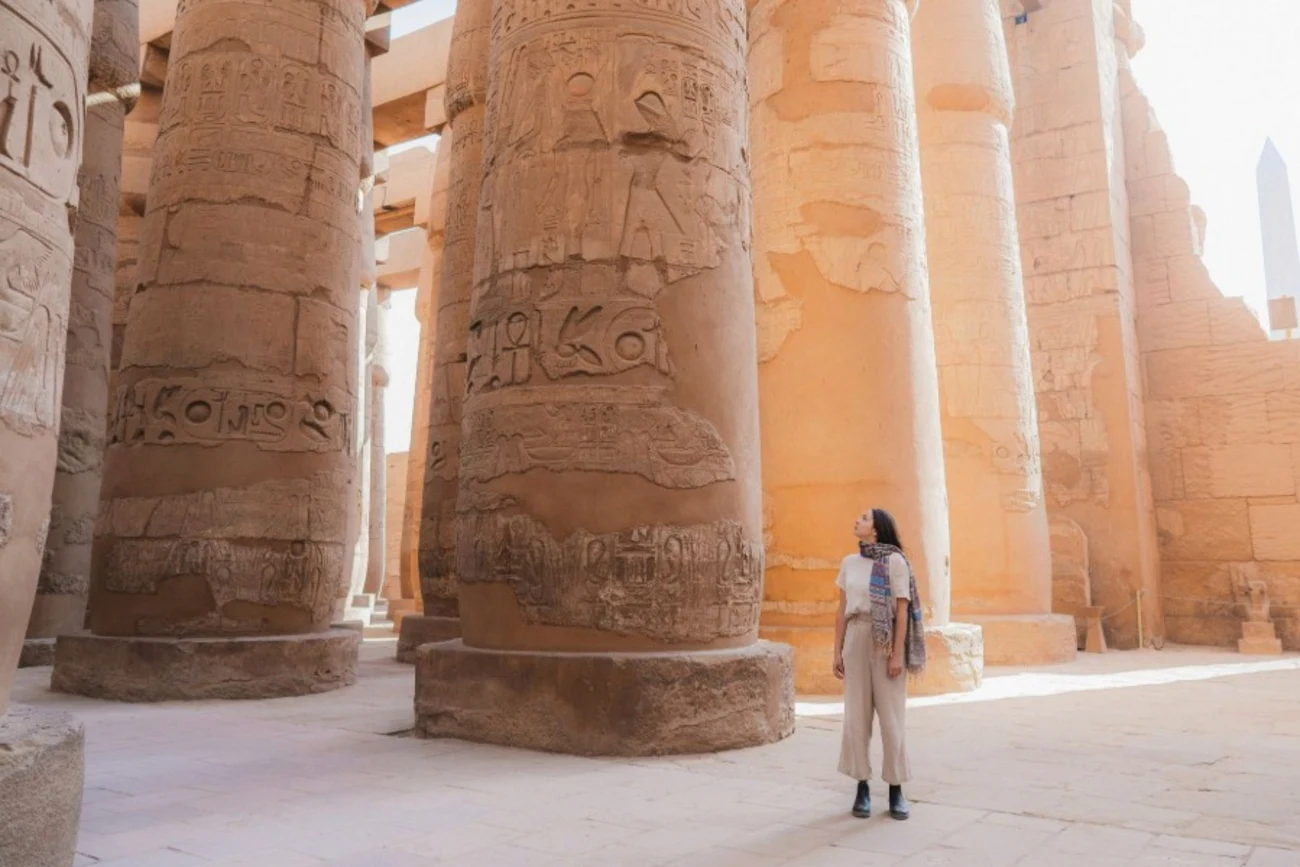
January in Egypt feels remarkably similar to a pleasant British spring day, with daytime temperatures hovering around 20-22°C—perfect t-shirt weather by UK standards. However, don't let the warm days fool you; Egyptian nights can plummet to 8-10°C, creating temperature drops that would make a Scottish Highland evening seem mild.
Rainfall remains virtually non-existent, with Cairo receiving less than 5mm for the entire month—roughly equivalent to what Manchester gets in a single hour during a typical downpour. The Mediterranean coast around Alexandria experiences slightly more precipitation, but still nothing compared to Britain's winter deluge.
Travel Tip: Pack layers! That lightweight jumper you'd wear for a British summer evening becomes essential for Egyptian winter nights.
February: The Sweet Spot
February represents Egypt's most UK-friendly month, with temperatures ranging from 12°C at night to 23°C during the day—remarkably similar to a glorious British summer's day. The humidity remains blissfully low, making these temperatures feel even more comfortable than they would in Britain's muggy climate.
This month sees Egypt's closest approximation to British weather patterns, with occasional light showers in coastal areas. However, 'occasional' in Egyptian terms means perhaps three days of light drizzle—barely enough to dampen the pavement.
Cultural Note: February coincides with Egypt's peak tourist season, so expect crowds at major attractions, though the weather makes every moment outdoors absolutely delightful.
A: Layers! Days feel like British summer, but nights can drop to 8°C. Pack t-shirts, a warm jumper, and a light jacket. Don't forget the suncream—the sun's still intense.
March: Spring's Arrival
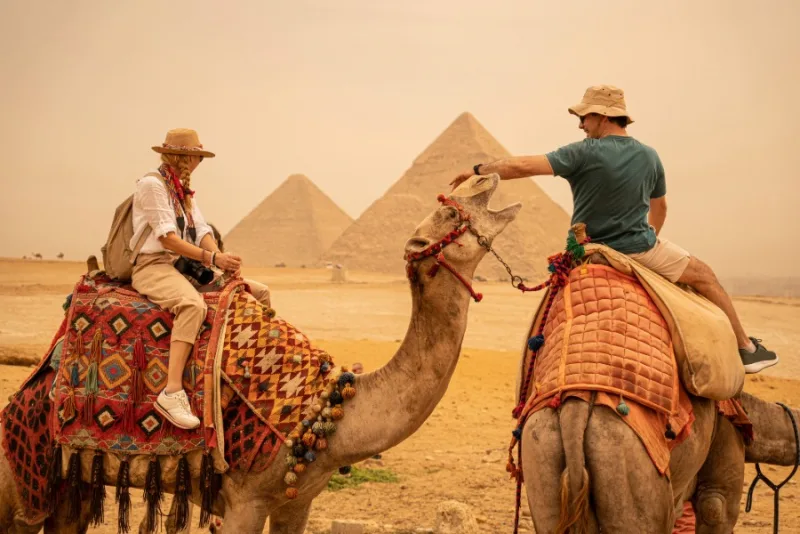
March marks the beginning of Egypt's transition towards its legendary heat. Daytime temperatures climb to 25-27°C—warmer than most British summer days—while nights remain pleasantly cool at 14-16°C.
The Khamsin winds occasionally make their first appearance, bringing dust storms that transform the sky into an otherworldly orange haze. These phenomena, completely foreign to British weather patterns, can reduce visibility dramatically and coat everything in fine desert sand.
Health Precaution: The dry air and occasional dust storms can irritate respiratory systems unaccustomed to such conditions. Consider bringing a light scarf to cover your nose and mouth during dusty periods.
April: Heat's Gentle Introduction
April temperatures reach 28-30°C during the day—equivalent to Britain's most sweltering heatwave conditions, yet this represents merely 'warm' weather by Egyptian standards. Night temperatures settle around 17-19°C, still requiring light layers for evening activities.
Rainfall becomes even scarcer, with most regions receiving zero precipitation. The concept of April showers, so familiar to British weather patterns, simply doesn't exist in Egypt's desert climate.
Packing Advice: Sunscreen becomes absolutely essential. The UV intensity far exceeds anything experienced in the UK, even during our brightest summer days.
May: Summer's Preview
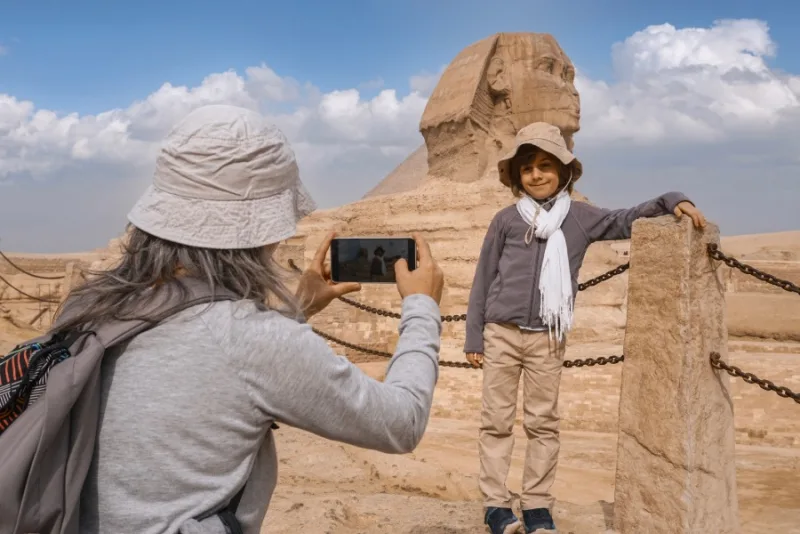
May delivers temperatures of 32-35°C—hotter than Britain's record-breaking heatwaves—yet locals still consider this 'pleasant' weather. Night temperatures hover around 20-22°C, warmer than many British summer days.
The humidity begins its gradual climb, particularly along the coast, though it remains far more bearable than Britain's sticky summer evenings. Inland areas maintain their desert dryness, creating a heat that feels clean and intense rather than oppressive.
Activity Recommendation: Early morning and late afternoon become the optimal times for sightseeing, mirroring the local lifestyle that adapts to the intensifying heat.
June: Summer's Arrival
June marks Egypt's entry into serious summer territory, with temperatures soaring to 35-38°C—conditions that would trigger emergency heatwave protocols in the UK. Night-time offers little respite, with temperatures rarely dropping below 23-25°C.
Coastal areas like Alexandria benefit from Mediterranean breezes, but inland destinations like Luxor and Aswan begin their transformation into furnaces that challenge human endurance.
Essential Tip: Hydration becomes critical. The dry air causes perspiration to evaporate so quickly that dehydration can occur without obvious warning signs.

A: Sunrise! Seriously, by 9 AM it's already uncomfortably hot. Plan major outdoor activities for 6-9 AM and after 6 PM. Midday sightseeing in summer is asking for trouble.
Customize Your Dream Vacation!
Get in touch with our local experts for an unforgettable journey.
Plan Your TripJuly: The Furnace Ignites
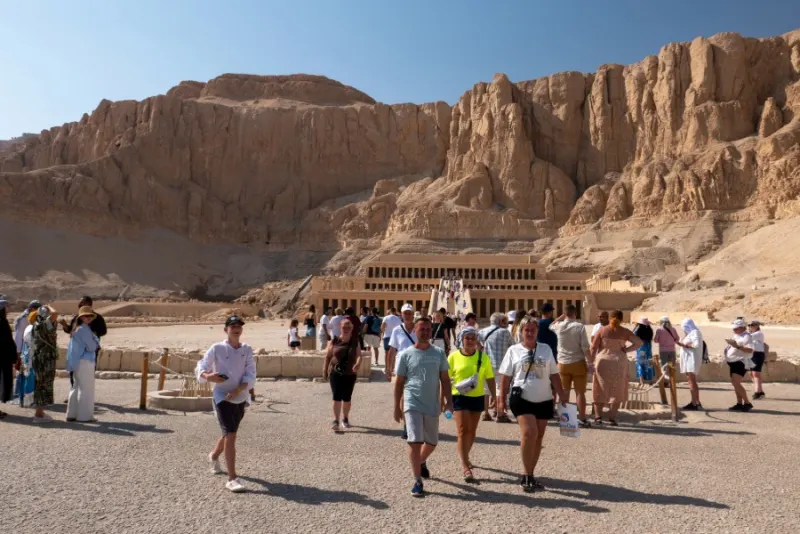
July temperatures reach 38-42°C in most areas—hotter than the highest temperature ever recorded in the UK. The relentless sun beats down with an intensity that transforms simple activities like walking between air-conditioned buildings into endurance challenges.
Upper Egypt (Luxor, Aswan) experiences even more extreme conditions, with temperatures occasionally exceeding 45°C—hot enough to cause serious heat-related illness in unprepared visitors.
Critical Advice: Limit outdoor activities to early morning (before 9 AM) and evening (after 6 PM). The midday sun poses genuine health risks to those unaccustomed to such extreme conditions.
August: Peak Intensity
August represents Egypt's thermal peak, with temperatures maintaining their 40-42°C range while humidity reaches its annual maximum. The combination creates conditions that feel oppressive even to heat-adapted locals.
Coastal humidity can make temperatures feel even hotter, similar to how British weather feels more uncomfortable when humid, but amplified dramatically. Inland areas, while technically drier, offer little comfort when the thermometer refuses to drop below furnace-like levels.
Health Warning: Heat exhaustion and heatstroke become serious concerns. Symptoms include dizziness, nausea, and confusion—seek immediate medical attention if these occur.
A: It depends on your heat tolerance, but we're talking 40°C+ daily. That's hotter than Britain's hottest ever recorded temperature, every single day. Most UK visitors find it genuinely uncomfortable.
September: The First Relief
September brings the first hints of relief, with temperatures dropping to a 'mere' 35-38°C—still hotter than Britain's most extreme heatwaves, but feeling almost cool after August's intensity. Night temperatures begin their gradual descent to 25-27°C.
Humidity starts its seasonal decline, making the heat more bearable. This month often marks the return of European tourists who fled during the peak summer months.
Travel Note: September represents excellent value for money, with lower accommodation prices but still requiring serious heat precautions.
October: Autumn's Gentle Touch
October delivers what many consider Egypt's second-best weather month, with daytime temperatures settling at 30-33°C—equivalent to Britain's hottest summer days but feeling wonderfully moderate after the summer's extremes. Night temperatures drop to a comfortable 20-23°C.
Rainfall remains virtually absent, but the Khamsin winds may return, bringing their characteristic dust storms. These create spectacular sunsets but can disrupt outdoor activities.
Perfect Timing: October offers ideal conditions for exploring archaeological sites and engaging in outdoor activities that would be dangerous during summer months.
November: Comfortable Returns
November temperatures range from 25-28°C during the day to 15-18°C at night—remarkably similar to a perfect British summer's day. The heat becomes genuinely pleasant rather than challenging, allowing for comfortable all-day outdoor exploration.
Humidity drops to its most comfortable levels, creating conditions that feel almost perfect to British sensibilities. The intense UV radiation continues, however, requiring ongoing sun protection measures.
Cultural Insight: November marks the beginning of Egypt's second tourist season, with pleasant weather drawing visitors back to outdoor attractions.
December: Winter's Return
December completes the annual cycle with temperatures returning to 22-25°C during the day and 10-13°C at night. These conditions feel remarkably similar to British spring weather, though with guaranteed sunshine and minimal rainfall.
Occasional showers may occur, particularly along the Mediterranean coast, but these brief episodes feel almost nostalgic to rain-starved British visitors. The total monthly rainfall rarely exceeds what London receives in a single day.
Year-End Reflection: December weather perfectly encapsulates why Egypt attracts British winter sun-seekers—offering warmth and sunshine when the UK endures its darkest, dampest months.
Seasonal Patterns and UK Comparisons
Egypt's weather operates on completely different principles from Britain's maritime climate. Where the UK experiences gradual seasonal transitions influenced by ocean currents and Atlantic weather systems, Egypt's continental desert climate creates sharp contrasts and extreme conditions.
British heatwaves, typically lasting a few days and reaching 30-35°C, represent normal spring and autumn weather in Egypt. Conversely, Egypt's 'winter' temperatures would constitute pleasant summer weather in many parts of Scotland.
Daylight hours vary less dramatically than in the UK, with Egypt maintaining roughly 10-14 hours of daylight year-round compared to Britain's extreme range of 7-17 hours. This consistency, combined with minimal cloud cover, creates an intensity of sunshine unknown in the British Isles.
Essential Travel Recommendations for UK Tourists
Packing Strategy: Layer-capable clothing proves essential, particularly during winter months when temperature variations exceed those experienced in British weather. Lightweight, long-sleeved garments protect against both sun exposure and evening coolness.
Health Precautions: The dry air and intense UV radiation require adaptations foreign to British weather experience. Sunscreen, lip balm, and moisturiser become daily necessities rather than occasional requirements.
Timing Considerations: October through April offers the most comfortable conditions for British visitors, with February and March providing weather most similar to ideal British summer conditions.
Cultural Adaptation: Egyptian daily rhythms adapt to weather patterns—early morning and evening activities, midday rest periods during summer months. Embracing these patterns enhances both comfort and cultural understanding.
A: January and February are your best bets! Think lovely British spring weather—around 20-22°C during the day. You'll actually need a jumper for the evenings, which might surprise you.
A: Layers! Days feel like British summer, but nights can drop to 8°C. Pack t-shirts, a warm jumper, and a light jacket. Don't forget the suncream—the sun's still intense.
A: Honestly? No. Egypt gets less rain in a year than Manchester gets in a week. You might see a brief shower in coastal areas during winter, but it's rare.
A: Egyptian spring weather (March-April) equals our worst heatwaves. Egyptian summer is in a league of its own—we simply don't experience anything comparable in the UK.
A: Probably, yes. Your skin, lips, and throat will feel it. Pack moisturiser, lip balm, and drink loads of water. The air's much drier than our humid British climate.
A: They're more inconvenient than dangerous—like a really bad British fog, but with sand. They can irritate your eyes and breathing, so pack a light scarf to cover your face.
A: Absolutely! December-February offers perfect sunbathing weather—warm but not scorching. Just remember the UV is still stronger than British summer sun.
A: Think of them as Egypt's version of British storms, but with sand instead of rain. They bring dust and can make the air feel heavier. They're seasonal—mainly spring and autumn.
A: The coast's a bit more humid but cooler, while southern Egypt (Luxor, Aswan) gets even hotter. Cairo sits somewhere in between. But everywhere's much hotter and drier than anywhere in the UK.

By taking a felucca ride on the Nile in Cairo, you can take in the picturesque panorama of the River Nile.
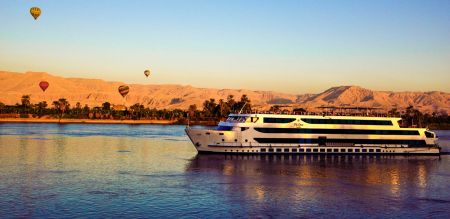
Ranging from shorter Cruises sailing between Luxor and Aswan, to the long Nile Cruises which sail from Cairo to Luxor and Aswan!

Egypt maintaining its status as a welcoming destination for international visitors whilst implementing robust security measures across all major tourist areas.

Whether you're a history enthusiast, adventure seeker, or family traveller, Egypt offers unparalleled opportunities to witness civilisation's greatest achievements whilst enjoying contemporary comforts and warm Egyptian hospitality.

Planning a trip to Egypt? Discover what to pack with our complete UK traveller’s guide, including essentials for Nile cruises, desert tours, and city breaks.

Picture this: you're standing in the bustling streets of Tokyo, desperately trying to navigate to your hotel, but your phone displays that dreaded "No Service" message. For UK travellers venturing beyond our shores, maintaining reliable internet connectivity isn't just about convenience—it's about safety, productivity, and making the most of every precious moment abroad.

This comprehensive guide draws upon decades of collective wisdom from seasoned travellers and local insights to ensure your Egyptian adventure reflects the respect this magnificent culture deserves.

Egypt beckons with its ancient pyramids, vibrant bazaars, and the legendary Nile River, drawing hundreds of thousands of UK travellers annually. Yet beneath the allure of this archaeological wonderland lies a complex landscape of potential risks that make comprehensive travel insurance not just advisable, but absolutely essential for British visitors.

Understanding flights from UK to Egypt becomes essential for anyone planning this remarkable journey across continents and cultures.

Explore Egypt’s weather by season, average temperatures, and when to visit for the perfect holiday.

Egypt in Ramadan offers UK travellers a unique blend of spiritual devotion, cultural richness, and authentic experiences. The holy month transforms daily life, combining centuries-old traditions with vibrant celebrations that reveal Egypt’s hospitality and heritage.

For UK couples seeking something beyond the typical Mediterranean getaway, Egypt presents a captivating alternative where pharaonic grandeur meets Red Sea luxury. From intimate felucca rides along the Nile to private dinners beneath star-studded desert skies, this land of mysteries promises honeymoon memories that will last a lifetime.

Egypt, a land where history and modernity intertwine seamlessly, stands as a beacon for intrepid adventurers and history enthusiasts alike. For UK seniors, this ancient country offers a treasure trove of experiences that cater to both the inquisitive mind and the comfort-seeking soul. The allure of Egypt lies not only in its iconic monuments and archaeological wonders but also in its welcoming atmosphere and well-established tourism infrastructure. This makes it a prime destination for seniors wishing to embark on a journey that is both enriching and manageable.

Discover wheelchair friendly holidays for UK travellers. A full Travel Guide with all what you need to know before booking a wheelchair holiday to Egypt!

With English widely spoken in tourist areas and numerous guided tours tailored to solo travellers, navigating Egypt independently is both feasible and rewarding. Solo travellers can choose from group excursions, private guides, or self-paced itineraries, ensuring that their journey is as relaxing or adventurous as they desire.

As you plan your journey, you'll face the delightful dilemma of choosing between two equally captivating routes: from Aswan to Luxor or Luxor to Aswan. Each direction offers its own set of highlights and experiences, making the decision a matter of personal preference. In this guide, we'll explore both routes in detail, helping you make an informed choice for your unforgettable Nile cruise adventure.

This guide is designed for UK visitors, providing a detailed breakdown of the best time for a Nile cruise, month-by-month weather insights, practical travel tips, and cultural considerations. Whether you are a first-time visitor or a returning traveller, this guide will help you plan your Aswan Luxor Nile cruise with confidence.

This guide explains Nile river cruise prices for UK travellers. Learn the differences between luxury standard and budget cruises, what affects cost, and tips for planning your ideal Nile adventure.

Experience the best of Egypt by combining cairo and nile in one unforgettable journey. Explore iconic landmarks in Cairo, then relax on a scenic Nile cruise visiting ancient temples and historic sites along the river.

Visiting Egypt from the UK? Discover essential tips on safety, visas, flights, Nile cruises, costs, and culture in one complete guide designed for British travellers.

Cruising the Nile River is the ideal way for first-time UK visitors to explore Egypt’s ancient landmarks in comfort. The Luxor to Aswan route offers iconic temples, expert-guided tours, and relaxed sailing, making it perfect for beginners.
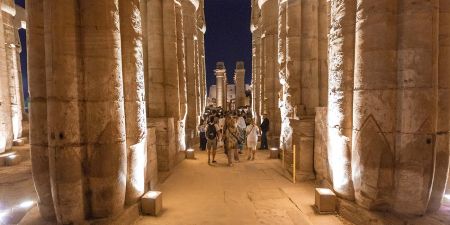
Luxor is the most well known recognized City in Upper Egypt and the capital of Luxor Governorate, known famously for its oldest and most Ancient Egyptian sites.
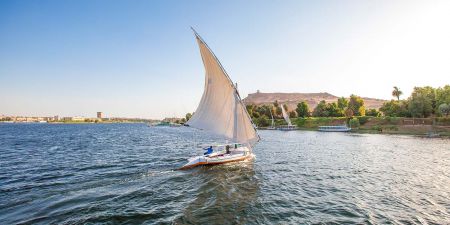
Aswan is Egypt’s southernmost city and lies, like Luxor and Cairo, on the shores of the Nile River, at its first cataract. Know More .!
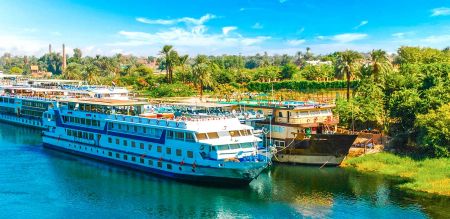
The Long Nile Cruise between Cairo, Luxor and Aswan is sure to be the trip of a lifetime through the ancient land of Egypt. Cruise boats now leave regularly from Cairo heading south to Luxor and Aswan. The two-week journey takes passengers to all of the major ancient sites along the Nile Valley, with time to relax and enjoy the scenery of the Nile Valley.
Egypt Do's & Don'ts. Know before you go Egypt, dress, Camera Usage, tipping and all the information you need to know before visiting egypt. Know more!