
 Home
HomeVisiting Egypt in Ramadan – What UK Travellers Should Know
Egypt during Ramadan presents a fascinating tapestry of spiritual devotion, cultural richness, and unique travel experiences that can profoundly enrich any UK traveller's journey. This sacred month transforms the land of the pharaohs into something extraordinary, where ancient monuments stand witness to centuries-old traditions whilst modern Egyptian society embraces the rhythm of fasting, prayer, and communal celebration.
For British visitors, understanding Ramadan's significance extends far beyond mere cultural awareness—it becomes the key to unlocking authentic experiences that few tourists ever witness. The holy month, observed by Egypt's predominantly Muslim population, creates an atmosphere where spiritual reflection meets vibrant celebration, offering travellers unprecedented insights into Egyptian culture, hospitality, and traditions.
Understanding Cultural Etiquette During Ramadan
Navigating Egyptian culture during Ramadan requires sensitivity and respect for local customs. British travellers should understand that during daylight hours, many Egyptians abstain from food, drink, smoking, and other physical needs. This doesn't mean tourists must fast, but demonstrating awareness and consideration significantly enhances your experience and reception by locals.
Dress modestly throughout Egypt, but particularly during Ramadan when religious observance intensifies. For women, this means covering shoulders, arms, and legs, whilst men should avoid shorts and sleeveless tops when visiting religious sites or traditional neighbourhoods. The reward for this cultural sensitivity is genuine warmth from Egyptian hosts who appreciate respectful visitors.
Dining Experiences and Culinary Adventures
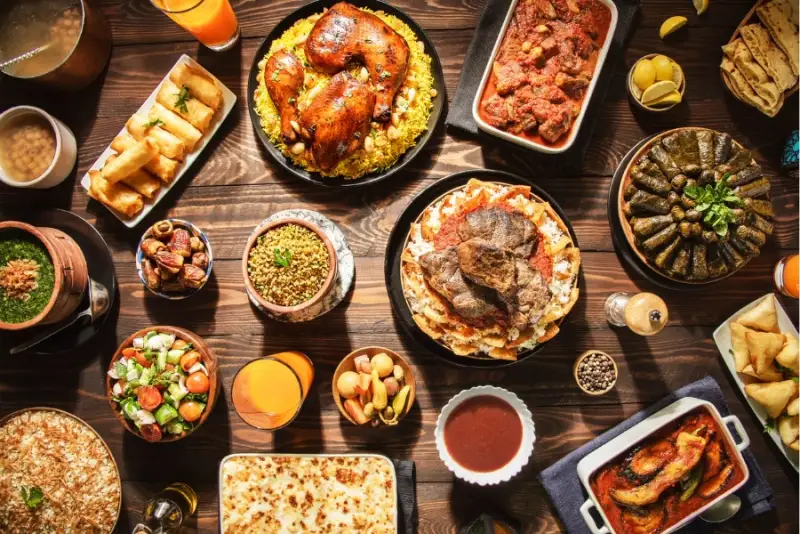
Ramadan transforms Egypt's culinary landscape into something truly magical. The pre-dawn meal (suhoor) and sunset feast (iftar) create unique dining opportunities unavailable during other times of the year. Many restaurants close during daylight hours, but those that remain open often provide special Ramadan menus featuring traditional dishes like fattah, mahshi, and qatayef.
Iftar experiences represent the pinnacle of Egyptian hospitality during Ramadan. Hotels across Cairo, Luxor, and Alexandria host elaborate iftar buffets where British travellers can sample authentic Egyptian cuisine alongside local families. These meals begin precisely at sunset with dates and water, following Islamic tradition, before progressing to sumptuous spreads featuring both traditional and contemporary dishes.
Tourist Attractions and Site Accessibility
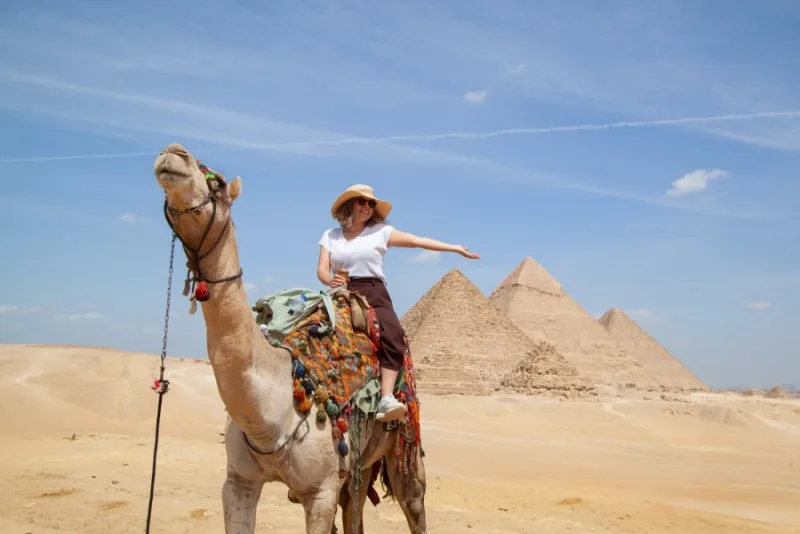
Egypt's world-renowned attractions remain accessible during Ramadan, though operating hours may adjust to accommodate local customs. The Pyramids of Giza, Valley of the Kings, and Abu Simbel continue welcoming visitors, but expect shorter queues and more intimate experiences as domestic tourism decreases during the holy month.
Many museums and archaeological sites modify their schedules, often closing earlier in the afternoon to allow staff to prepare for iftar. However, this creates opportunities for more personalised experiences with guides and fewer crowds at popular locations. The Egyptian Museum in Cairo, for instance, often feels more contemplative during Ramadan, allowing deeper appreciation of its incredible collections.
Essential Packing Tips for Ramadan Travel
Strategic packing becomes crucial when visiting Egypt during Ramadan. Beyond standard Egyptian travel essentials, consider the cultural and practical implications of the holy month. Pack modest clothing that covers arms and legs, particularly for visiting mosques or attending iftar celebrations where dress codes are more strictly observed.
Include a lightweight scarf or shawl regardless of gender—useful for covering shoulders in religious sites and protecting against desert winds. British travellers should pack extra layers for evening activities, as Ramadan celebrations often extend well into the night when temperatures can drop significantly, especially in desert regions.
Safety Precautions and Health Considerations
Ramadan in Egypt presents unique safety considerations for British travellers. The altered daily rhythm means increased activity during evening and night hours, with bustling streets and markets operating well past midnight. This creates vibrant atmospheres but requires heightened awareness of surroundings, particularly in crowded areas during iftar preparations.
Hydration remains critical despite the fasting atmosphere around you. Many Egyptians appreciate when tourists drink water discreetly rather than suffering in solidarity. Carry water bottles and consume fluids regularly, especially when exploring outdoor sites during daylight hours. The combination of desert climate and Ramadan's intensity can be overwhelming without proper hydration.
Accommodation Strategies During Ramadan
Hotel selection significantly impacts your Ramadan experience in Egypt. International hotel chains typically maintain normal service levels for non-Muslim guests, providing meals throughout the day and respecting diverse guest needs. However, smaller, locally-owned establishments might adjust services to accommodate staff observing Ramadan.
Book accommodations well in advance, as Ramadan attracts domestic tourism from across the Arab world, particularly during weekends. Many hotels offer special Ramadan packages including iftar dinners and suhoor meals, providing authentic cultural experiences without leaving your accommodation. These packages often represent excellent value whilst supporting local businesses during this important period.
Customize Your Dream Vacation!
Get in touch with our local experts for an unforgettable journey.
Plan Your TripTransportation and Getting Around
Egypt's transportation networks adapt uniquely to Ramadan rhythms. Public transport operates on modified schedules, with reduced services during midday hours and extended evening operations to accommodate post-iftar activities. Taxis and ride-sharing services experience high demand just before sunset as people rush home for iftar, so plan accordingly.
Traffic patterns shift dramatically during Ramadan. Streets empty during iftar time (sunset) as families gather for meals, creating unusual quiet periods in normally bustling cities. However, post-iftar hours see increased congestion as people venture out for evening prayers, shopping, and socialising. British travellers should factor these patterns into daily itineraries.
Special Ramadan Events and Celebrations
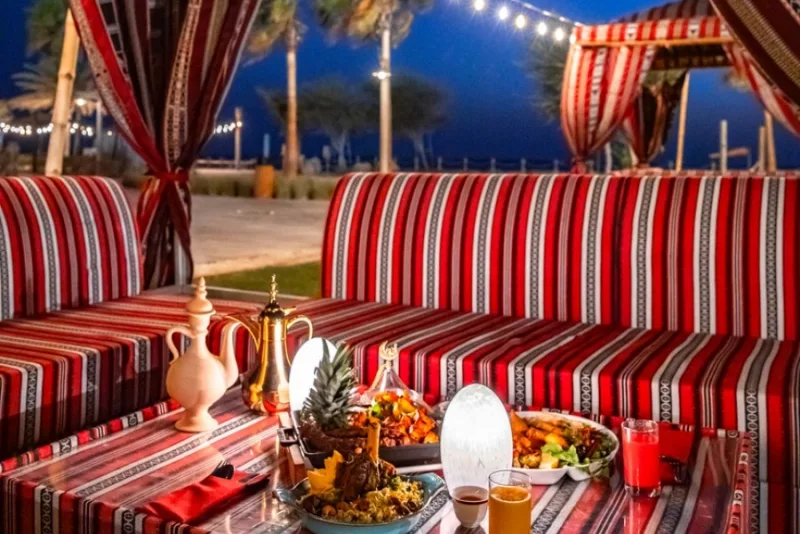
Ramadan tents (khiyam) represent one of Egypt's most enchanting Ramadan traditions. These elaborate temporary structures appear across Cairo and other major cities, hosting iftar meals, traditional entertainment, and cultural performances. Many welcome international visitors, offering immersive experiences into Egyptian hospitality and Ramadan customs.
Night markets flourish during Ramadan, with vendors selling everything from traditional sweets to handcrafted goods. The Khan el-Khalili bazaar in Cairo becomes particularly magical during Ramadan evenings, with extended hours and special Ramadan merchandise. These markets provide excellent opportunities for souvenir shopping whilst experiencing authentic local atmosphere.
Religious festivities create profound spiritual experiences for respectful observers. The Tarawih prayers at Al-Azhar Mosque in Cairo or the Mosque of Amr ibn al-As offer glimpses into Islamic devotional practices, though visitors should maintain respectful silence and modest dress.
Travel Regulations and Documentation
UK passport holders require visas for Egyptian entry, obtainable online, at Egyptian consulates, or upon arrival. During Ramadan, processing times may extend due to reduced government office hours, so apply well in advance. The e-visa system offers convenience for British travellers, typically processing applications within seven days.
Travel insurance becomes particularly important during Ramadan due to altered schedules and increased evening activities. Ensure your policy covers medical emergencies and potential trip disruptions. The UK Foreign Office regularly updates travel advisories for Egypt, particularly during significant cultural periods like Ramadan.
Embassy support remains available throughout Ramadan, though British Embassy hours may adjust. Register with the embassy upon arrival and maintain contact information for emergency situations. Many UK travellers find embassy guidance invaluable for navigating cultural nuances during their first Ramadan experience in Egypt.
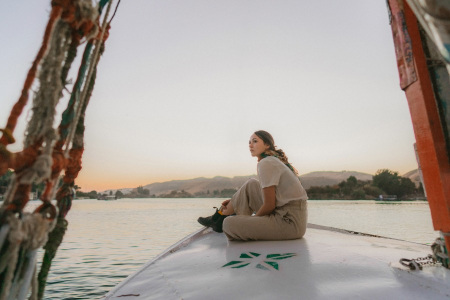
By taking a felucca ride on the Nile in Cairo, you can take in the picturesque panorama of the River Nile.
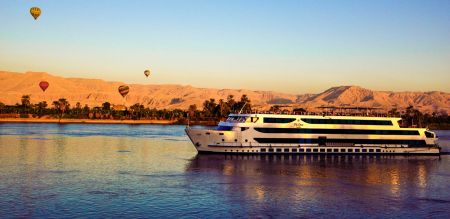
Ranging from shorter Cruises sailing between Luxor and Aswan, to the long Nile Cruises which sail from Cairo to Luxor and Aswan!

Egypt maintaining its status as a welcoming destination for international visitors whilst implementing robust security measures across all major tourist areas.

Whether you're a history enthusiast, adventure seeker, or family traveller, Egypt offers unparalleled opportunities to witness civilisation's greatest achievements whilst enjoying contemporary comforts and warm Egyptian hospitality.

Planning a trip to Egypt? Discover what to pack with our complete UK traveller’s guide, including essentials for Nile cruises, desert tours, and city breaks.

Picture this: you're standing in the bustling streets of Tokyo, desperately trying to navigate to your hotel, but your phone displays that dreaded "No Service" message. For UK travellers venturing beyond our shores, maintaining reliable internet connectivity isn't just about convenience—it's about safety, productivity, and making the most of every precious moment abroad.

This comprehensive guide draws upon decades of collective wisdom from seasoned travellers and local insights to ensure your Egyptian adventure reflects the respect this magnificent culture deserves.

Egypt beckons with its ancient pyramids, vibrant bazaars, and the legendary Nile River, drawing hundreds of thousands of UK travellers annually. Yet beneath the allure of this archaeological wonderland lies a complex landscape of potential risks that make comprehensive travel insurance not just advisable, but absolutely essential for British visitors.

Understanding flights from UK to Egypt becomes essential for anyone planning this remarkable journey across continents and cultures.

Explore Egypt’s weather by season, average temperatures, and when to visit for the perfect holiday.

Egypt in Ramadan offers UK travellers a unique blend of spiritual devotion, cultural richness, and authentic experiences. The holy month transforms daily life, combining centuries-old traditions with vibrant celebrations that reveal Egypt’s hospitality and heritage.
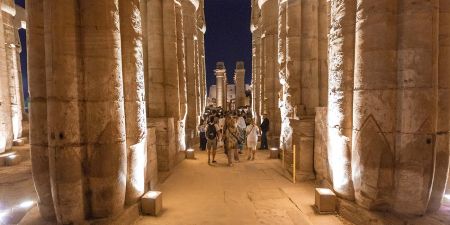
Luxor is the most well known recognized City in Upper Egypt and the capital of Luxor Governorate, known famously for its oldest and most Ancient Egyptian sites.
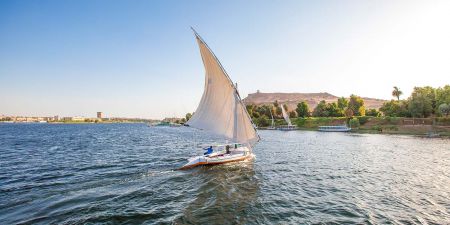
Aswan is Egypt’s southernmost city and lies, like Luxor and Cairo, on the shores of the Nile River, at its first cataract. Know More .!
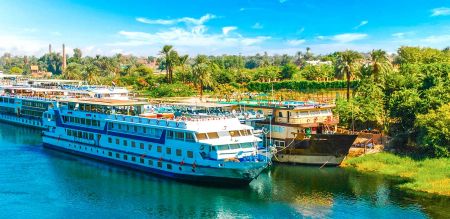
The Long Nile Cruise between Cairo, Luxor and Aswan is sure to be the trip of a lifetime through the ancient land of Egypt. Cruise boats now leave regularly from Cairo heading south to Luxor and Aswan. The two-week journey takes passengers to all of the major ancient sites along the Nile Valley, with time to relax and enjoy the scenery of the Nile Valley.
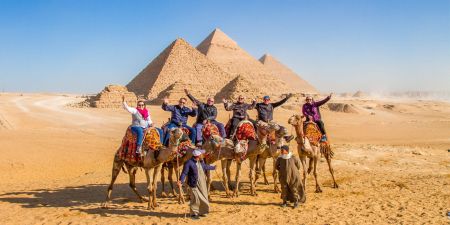
Egypt Do's & Don'ts. Know before you go Egypt, dress, Camera Usage, tipping and all the information you need to know before visiting egypt. Know more!