
 Home
Home
Marsa Alam Egypt sits majestically on the western shore of the Red Sea, offering a unique blend of desert landscapes and marine splendor. Known as the "Egyptian Maldives" due to its crystal clear waters and white sandy beaches, this coastal town has a surprisingly recent history. Development of Marsa Alam began only in 1995 through investments from the Kuwaiti Al-Kharafi Group, with growth accelerating after the opening of its international airport in 2003.
Despite its relative youth, the region boasts impressive geographical features. Covering an area of 38,433 km² and situated approximately 60 meters above sea level, Marsa Alam had a recorded population of just 9,001 residents as of 2021. Beyond its small-town atmosphere, diving enthusiasts flock to Marsa Alam for its exceptional coral reefs that remain the main attraction of the area. The underwater environment reveals an extraordinary biodiversity, with reefs housing 450 species of coral and over 1,200 different types of fish. Additionally, Wadi el-Gemal National Park, located 45 kilometers south of the town, spans approximately 5,000 square kilometers of protected wilderness where the deep blue ocean truly meets arid desert lands.
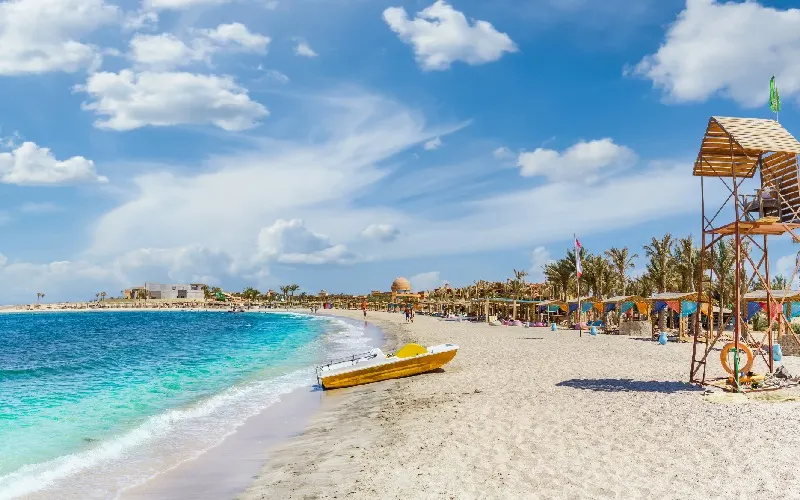
Marsa Alam offers exceptional diving experiences with untouched reefs, excellent visibility, and diverse marine life. The area boasts over 1,000 fish species and hundreds of coral varieties, all accessible without the crowds found in more developed Egyptian diving centers.
Discovering Marsa Alam: A Personal Encounter with History
Behind the serene beaches of Marsa Alam lies a rich tapestry of history that stretches back thousands of years. What appears at first glance as a recently developed coastal area actually holds secrets of civilizations that recognized its strategic and mineral value long before modern tourism arrived.
First impressions of a quiet coastal town
Until the mid-1990s, Marsa Alam existed as little more than a sleepy fishing village on Egypt's Red Sea coast. The transformation began in 1995 when the Kuwaiti Al-Kharafi Group initiated development of the town and its infrastructure. Nevertheless, Marsa Alam retains much of its quiet charm. The town itself remains relatively small, with just a few essential services and facilities.
Some visitors might be surprised to find that Marsa Alam isn't even considered a proper town by some accounts, but rather a settlement at a crossroads, located about 60 km from the more developed Port Ghalib. This understated character has inadvertently preserved the area from overdevelopment that might have otherwise occurred. The remnants of half-built complexes and empty neighborhoods stand as silent witnesses to development plans halted during the 2011 Arab Spring.
Traces of ancient mining and trade routes
The seemingly barren landscape surrounding Marsa Alam conceals extraordinary historical significance. Evidence of Stone Age settlements appears in rock inscriptions and paintings throughout the surrounding mountains, depicting hunting scenes with giraffes, ostriches, and hunting dogs.
Perhaps most notably, the area gained prominence for its mineral wealth. The region surrounding Marsa Alam was rich in copper, lead, gold, emeralds, and semi-precious stones. Furthermore, it contained what historians believe were the world's first emerald mines, serving as the sole source of emeralds for the Roman Empire. These mines, often referred to as "Cleopatra's Mines," were likely operational during the Ptolemaic period and possibly earlier.
In 2025, a remarkable discovery at the nearby Sukari mine revealed an ancient gold processing complex dating to the Third Intermediate Period. The complex featured grinding stations, filtration basins, and clay furnaces used for gold smelting. Close to this site, archeologists uncovered a residential district with structures spanning the Ptolemaic, Roman, and Islamic periods.
Historically, the Wadi Hammamat valley served as the major trading route between ancient Thebes (Luxor) and the Red Sea, providing a vital link to Asia via El Quseir. This ancient road was likely constructed during the reign of Ptolemy II (281-246 BC), primarily to transport precious stones and metals from the mines to the Nile for further shipment.
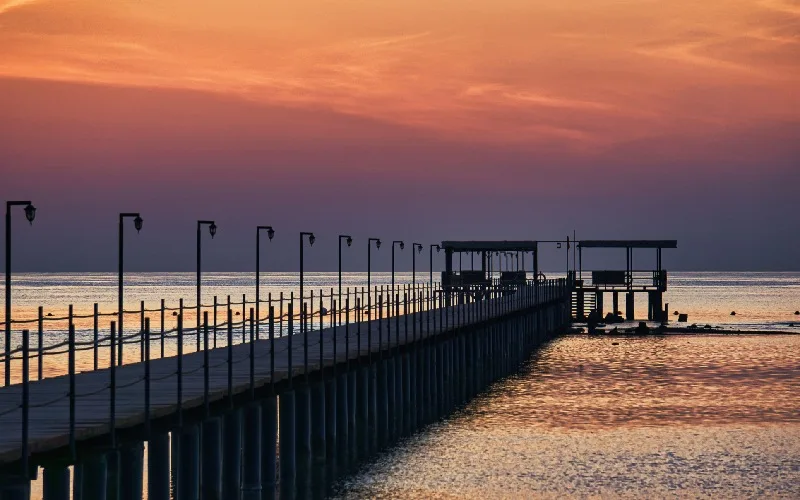
The Natural Beauty That Defines the Region
The natural landscape of Marsa Alam encompasses an extraordinary ecological contrast where stark desert meets pristine coastline. This unique geographical marriage creates one of Egypt's most diverse ecological settings.
Desert landscapes and untouched beaches
The coastline of Marsa Alam stretches over 50km along the Red Sea, featuring magnificent, untouched beaches with distinctive characteristics. Often referred to as the "Egyptian Maldives," certain beaches contain natural lagoons with crystal-clear turquoise waters and powdery white sand. The inland terrain consists primarily of golden dunes and rugged desert trails. Those seeking to experience this dramatic landscape can explore the Camel Canyon, ancient mining sites, and hidden water sources nestled within the desert expanse.
Wadi El Gemal's blend of land and sea ecosystems
Wadi El Gemal National Park, established in 2003, represents one of Egypt's largest wadis. The park covers approximately 7,450 square kilometers, with 4,770 square kilometers of land area and 2,100 square kilometers of marine space. This protected zone encompasses coastal beaches, mangroves, shallow coral reefs, and inland mountainous desert.
Among its most striking features are vast mangrove forests—considered among the world's most valuable ecosystems. The Red Sea portion of the park houses over 450 species of coral and more than 1,200 species of fish. Approximately one-fifth of the marine life is native to the region and greater Red Sea. The coastal region includes semi-rocky shores with coarse to medium-grained sand.
Rare wildlife and plant species
The biodiversity within Marsa Alam's protected areas includes remarkable terrestrial and marine species. Land wildlife encompasses Dorcas gazelles, Nubian ibex, hyrax hedgehogs, wild camels, and donkeys. The region hosts the largest colony of sooty falcons on Earth, alongside rare bearded and Nubian vultures.
Marine life includes four species of sea crab, dugongs, green turtles, whale sharks, and over thirteen species of small fish. The park's islands serve as nesting grounds for thirteen bird species, including African spoonbills, Caspian terns, and Western Reef Herons. The local flora consists of 141 plant species, notably mangrove trees, swamp herbs, and doum palms, creating a thriving ecosystem where desert truly meets sea.
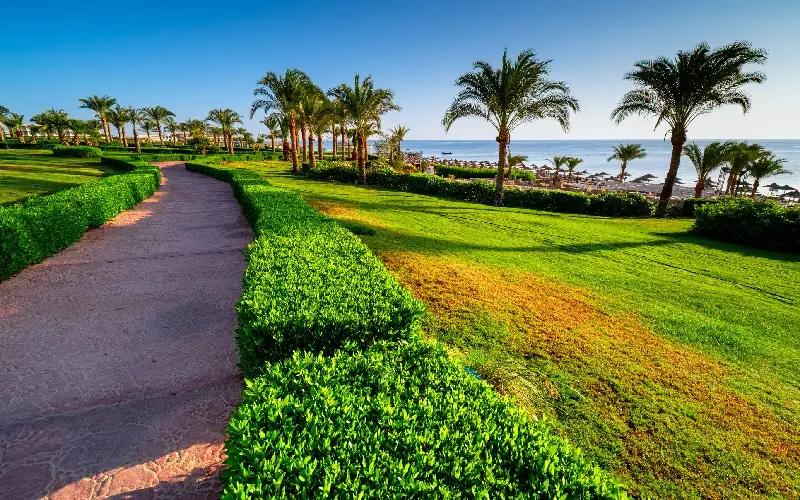
Marsa Alam's late entry into tourism development allowed it to learn from mistakes made in other Egyptian coastal areas. The establishment of Wadi El Gemal National Park and strict monitoring systems have helped limit visitor numbers at sensitive sites, preserving the region's ecosystems.
Customize Your Dream Vacation!
Get in touch with our local experts for an unforgettable journey.
Plan Your TripDiving Marsa Alam: Exploring the Deep
The underwater realm of Marsa Alam showcases some of the Red Sea's most spectacular marine environments, drawing diving enthusiasts from across the globe.
Beginner-friendly snorkeling spots
The coastline features several protected bays ideal for novice divers. Abu Dabbab Bay offers shallow waters with sandy bottoms, while Marsa Mubarak provides colorful reefs starting just meters from shore. Meanwhile, Brayka Bay remains popular for its gradually deepening sandy beach access and vibrant coral formations.
Advanced diving at Elphinstone Reef
Elphinstone stands as a legendary advanced diving location approximately 12 km offshore. This site features dramatic wall drops exceeding 70 meters, covered in red, pink, and purple corals. The reef requires at least 50 logged dives for participation and presents challenging currents alongside technical dive opportunities at depths of 55 meters.
Encounters with dugongs, turtles, and dolphins
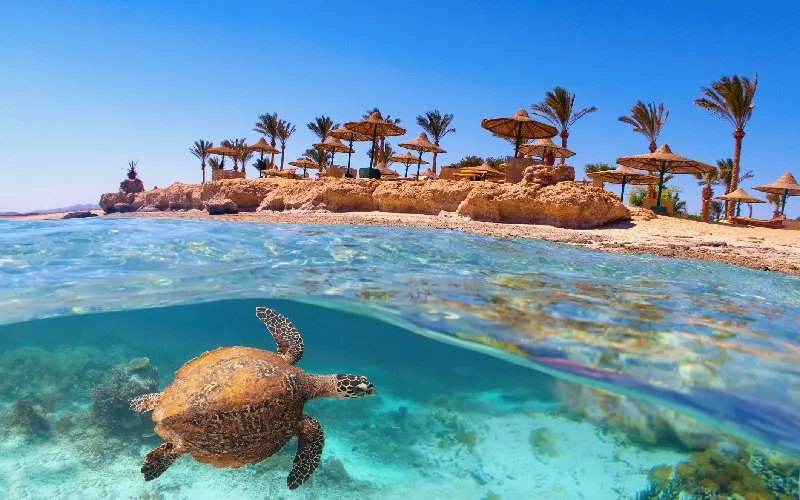
Abu Dabbab Bay houses one of the Red Sea's last populations of endangered dugongs. Consequently, Marsa Alam represents one of the world's premier destinations for encounters with these docile creatures. Spinner dolphins inhabit the horseshoe-shaped Samadai Reef, whereas giant Green sea turtles frequently visit seagrass meadows throughout coastal areas.
Why diving Marsa Alam rivals global hotspots
The region's southern location offers untouched reefs and exceptional visibility compared to northern destinations. Moreover, the marine environment hosts over 1,000 fish species alongside hundreds of coral varieties, all accessible without the crowds found at more developed Egyptian diving centers.
A Place Between Past and Present
Unlike Egypt's more developed coastal destinations, Marsa Alam presents a distinct narrative of careful growth. The region's recent emergence on the tourism map began in 1995 through investments by the Kuwaiti Al-Kharafi Group. Although the opening of Marsa Alam International Airport in 2003 accelerated development, the area has primarily maintained its pristine character.
How Marsa Alam avoided overdevelopment
Marsa Alam's late entry into tourism development, essentially beginning after the 1990s, allowed it to learn from mistakes made in other Egyptian coastal areas. In fact, studies show that northern Red Sea destinations like Sharm El Sheik experienced progressive coral reef degradation (25–40% from 1991 to 2023), whereas Marsa Alam's ecosystems remain largely intact. The 2020 pandemic temporarily halted growth, alongside bankruptcies of major carriers including Thomas Cook in 2019.
The balance between tourism and preservation
The establishment of Wadi El Gemal National Park, covering approximately 7,450 km², represents a significant conservation milestone. Currently, strict monitoring systems limit visitor numbers at sensitive sites. Since 2016, projects within protected areas have surged from 10 to 150 by 2024, increasing revenue by 1,900%. However, environmentalists warn that even light construction threatens marine sanctuaries.
Cultural echoes in modern Marsa Alam
Most of Marsa Alam's approximately 11,497 residents come from the Ababda and Bashariya tribes. Traditional Bedouin practices persist alongside tourism, with many tribe members now employed as guides and boat captains. Local authorities have established museums showcasing Ababda tribal tools, simultaneously teaching tribal women to market their handicrafts. This integration allows Bedouins to maintain traditional lifestyles while benefiting from tourism.
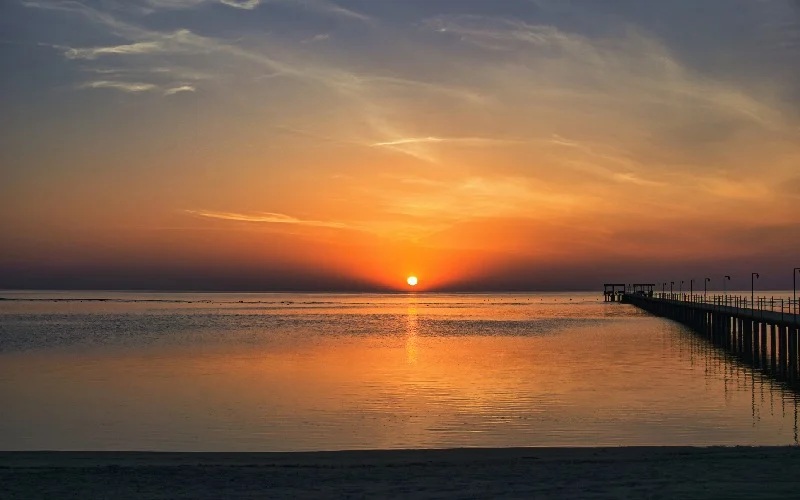
Marsa Alam has a rich history dating back to ancient times. The area was known for its mineral wealth, including the world's first emerald mines that supplied the Roman Empire. Recent archeological discoveries have also revealed ancient gold processing complexes and settlements from various historical periods.
Marsa Alam stands as a remarkable testament to Egypt's ability to preserve both historical heritage and natural ecosystems. This region, once valued primarily for its mineral wealth, has transformed while still honoring its ancient significance. Archeological discoveries continue to unveil the area's importance dating back to the Stone Age, with evidence of settlements preserved in rock inscriptions throughout the surrounding mountains.
Ancient mining activities, especially the world's first emerald mines that supplied the Roman Empire, underscore the historical importance of Marsa Alam beyond its coastal beauty. Therefore, the region represents not merely a tourist destination but rather a living museum where ancient trade routes once connected the Nile Valley to Asian markets.
Unlike other Egyptian coastal areas that underwent rapid development, Marsa Alam's relatively recent emergence as a destination after 1995 allowed careful planning and preservation. Consequently, the region maintains a delicate balance between historical significance and ecological conservation. The establishment of Wadi El Gemal National Park certainly represents one of the most successful conservation efforts along Egypt's Red Sea coast.
The unique geography where desert truly meets sea creates an ecological contrast found nowhere else in Egypt. Additionally, the marine biodiversity with over 450 coral species and 1,200 fish varieties makes the underwater environment as historically significant as the land above.
Though Marsa Alam's population remains small, the area's cultural heritage continues through the Ababda and Bashariya tribes who maintain connections to ancient practices while adapting to contemporary circumstances. Above all, Marsa Alam exemplifies how regions can honor their past while preserving natural resources for future generations - a living chronicle where Egypt's ancient history and natural splendor converge.
Visitors to Marsa Alam can encounter a diverse range of wildlife, including endangered dugongs, spinner dolphins, and giant green sea turtles. The region is also home to rare bird species like sooty falcons and Nubian vultures, as well as land animals such as Dorcas gazelles and Nubian ibex.
Marsa Alam has integrated tourism with local Bedouin culture. Many tribe members from the Ababda and Bashariya communities work as guides and boat captains. Local authorities have established museums showcasing tribal tools and help tribal women market their handicrafts, allowing Bedouins to maintain traditional lifestyles while benefiting from tourism.
The best time to visit is between October and April when temperatures are pleasant and the Red Sea visibility is at its peak for diving. Summers can be extremely hot, reaching over 40°C (104°F), though still suitable for water activities.
Beyond diving, visitors can enjoy snorkeling, desert safaris, quad biking, camel rides, and eco-tours in Wadi El Gemal National Park. Sunset cruises along the Red Sea are also popular.
Marsa Alam International Airport, opened in 2003, connects the town to major European and Middle Eastern cities. From the airport, resorts and diving centers are within short drives, making the region highly accessible for tourists.
Yes, several resorts and lodges prioritize sustainability. They use renewable energy sources, reduce plastic usage, implement water-saving measures, and encourage responsible tourism to minimize environmental impact.
Absolutely. Marsa Alam caters to all levels, offering beginner-friendly dive sites, professional diving schools, and guided tours. Many dive centers provide equipment rentals, introductory courses, and PADI certification programs.

The Sinai Peninsula is a historic crossroads between continents, sacred to three religions and central to Egypt’s story for over 5,000 years.

Marsa Alam is a Red Sea coastal paradise in Egypt, known for exceptional diving, coral reefs, white beaches, and the vast wilderness of Wadi el-Gemal National Park.