Home
Home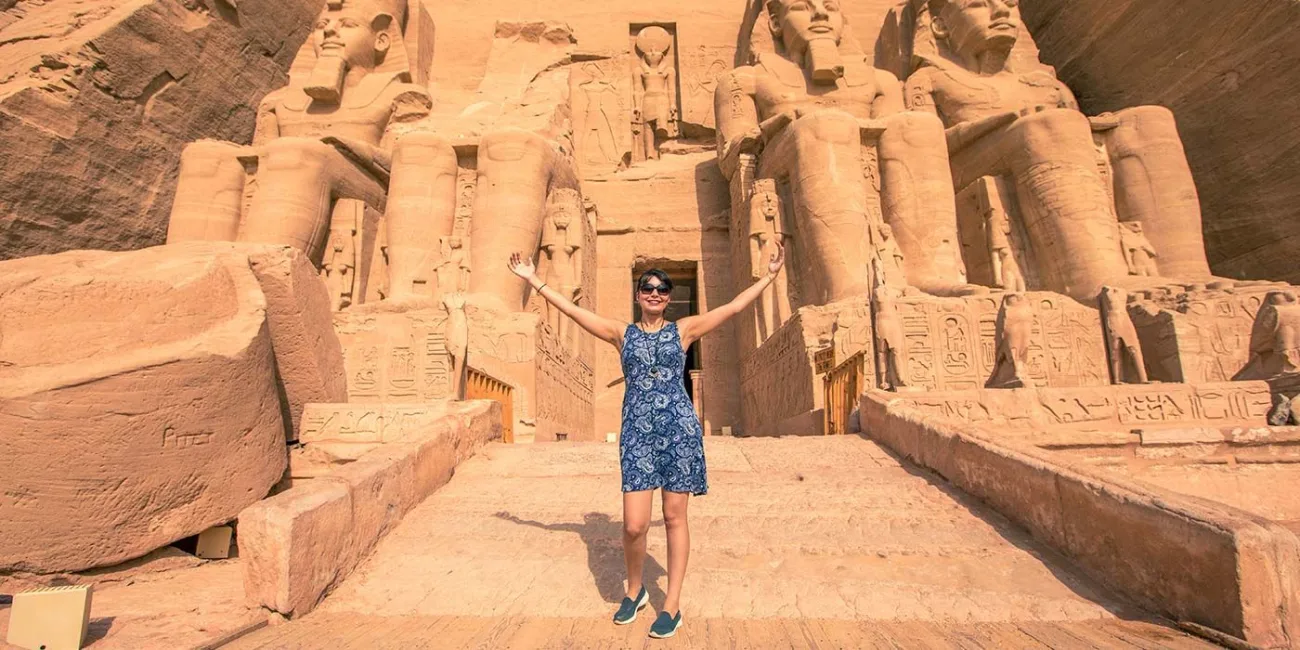
The Abu Simbel temples are monumental rock-cut sanctuaries built by Pharaoh Ramesses II in the 13th century BC near Egypt’s southern border. Famed for their colossal statues and precise solar alignment that illuminates the inner sanctuary twice a year, the temples were saved from submersion by an extraordinary 1968 international rescue. Dismantled and rebuilt stone by stone, Abu Simbel now stands as a UNESCO World Heritage Site and a symbol of ancient genius and modern cooperation.
The Origins and Purpose of Abu Simbel
Behind these magnificent monuments lies the vision of one of history's most ambitious rulers. Pharaoh Ramses II commissioned the Abu Simbel temples during the 13th century BCE, launching what would become one of ancient Egypt's most audacious building projects. The undertaking spanned roughly two decades, beginning around 1264 BCE and reaching completion in 1244 BCE.
Why Ramses II built the temples
Ramses II commanded Egypt's throne for an extraordinary 66 years during the 19th Dynasty, and his motives for creating Abu Simbel ran deeper than mere vanity. The temples primarily served to immortalize his claimed victory at the Battle of Kadesh. History reveals a more complex truth—evidence suggests the battle concluded in tactical stalemate rather than the decisive triumph Ramses proclaimed. Yet through intricate temple carvings and reliefs, he crafted his preferred version of events.
The pharaoh's choice to carve these structures directly into the mountainside reflected strategic brilliance. Positioned deliberately near Egypt's southern frontier with Nubia, the temples broadcast Egyptian military supremacy to any who might challenge it. These monuments also showcased Ramses' ambitious building campaign that stretched across Egypt and the Nubian territories under Egyptian control.
The political and religious symbolism
Abu Simbel operated on multiple levels—sacred shrine and political statement intertwined. The Great Temple honored three paramount Egyptian deities—Amun, Ra-Horakhty, and Ptah—while simultaneously elevating Ramses II to their divine company. This bold deification represented calculated statecraft designed to cement his sacred authority.
The smaller temple broke ancient conventions by honoring both Queen Nefertari and the goddess Hathor. Such recognition of a royal woman alongside divinity marked an exceptional departure from tradition.
Perhaps most extraordinary is the Great Temple's celestial choreography. Twice annually—around February 22 and October 22—dawn sunlight travels the temple's full length, illuminating the innermost sanctuary and the statues of Ramses alongside the gods. This astronomical precision embodied the pharaoh's cosmic connection and divine mandate to rule.
Nubia's strategic importance to Egypt
Nubia represented far more than distant territory—it formed the economic backbone of Egyptian prosperity through abundant gold deposits and precious trade commodities. The region served as the vital gateway linking Mediterranean civilization with sub-Saharan Africa, channeling luxury goods including ivory and exotic treasures northward.
Egyptian-Nubian relations followed complex patterns throughout history, shifting between peaceful trade arrangements and military campaigns. During the New Kingdom era (ca. 1550-1070 BCE), Egypt achieved complete conquest of Nubia, establishing viceroys to govern the territory and extract tribute. Ramses II's temples along the Nile thus functioned as permanent reminders of Egyptian authority over these economically crucial southern lands.
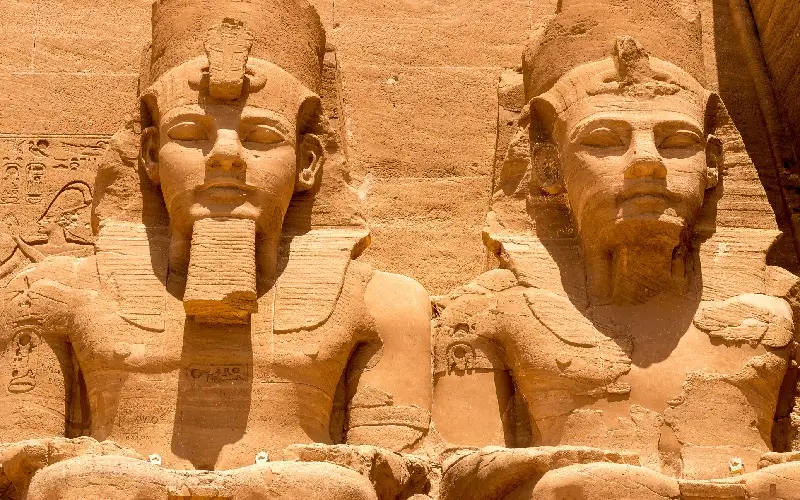
Pharaoh Ramses II commissioned the Abu Simbel temples in the 13th century BCE. They were built to commemorate his victory at the Battle of Kadesh, project Egypt's military might, and reinforce his divine status.
Construction and Design of the Temples
Imagine master craftsmen armed with nothing more than copper chisels and stone hammers, facing a sheer sandstone cliff along the Nile's western bank. Here, they would spend two decades carving what many consider ancient engineering's most audacious achievement. The Abu Simbel complex emerged from this raw cliff face as two monumental structures that continue to leave visitors speechless after millennia.
Timeline and labor involved
Work commenced around 1264 BCE, stretching across twenty years until approximately 1244 BCE. These ancient artisans wielded only copper chisels and stone tools as they methodically carved away solid cliff face. Though no official workforce records survived, the sheer magnitude suggests thousands of laborers toiled across these two decades. The precision they achieved with such primitive tools speaks volumes about their extraordinary expertise and dedication to perfection.
The Great Temple: structure and layout
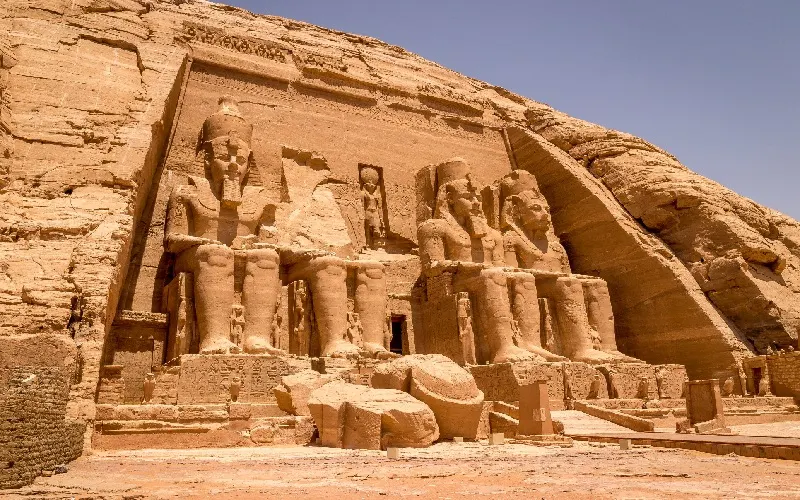
Standing 38 meters wide and 31 meters tall, the Great Temple's facade presents an imposing sight. Those four magnificent seated colossi of Ramses II, each soaring 20 meters above the ground, serve as eternal sentinels. Venture beyond these guardians, and the temple plunges 60 meters deep into solid rock, its chambers arranged in decreasing proportions as sacred space becomes increasingly intimate. The entrance hall—a hypostyle measuring 18 by 16.7 meters—relies on eight towering pillars, each carved as Osiris figures bearing the pharaoh's divine features. Battle scenes dance across the walls, immortalizing Ramses II's Kadesh campaign in stone. Deep within the mountain's heart, the sacred sanctuary shelters four seated figures: Ramses II joined by the gods Amun-Ra, Ra-Horakhty, and Ptah.
The Small Temple: honoring Nefertari
Some 90 meters northward stands the smaller temple, a monument to both goddess Hathor and beloved Queen Nefertari. Six towering figures grace its facade—four depicting Ramses II, two honoring Nefertari, all reaching beyond 10 meters skyward. What makes this temple extraordinary is its revolutionary artistic statement: king and queen stand as equals in size, a nearly unprecedented gesture in Egyptian royal art. Within, six pillars topped with Hathor-headed capitals support the hypostyle hall. Sacred reliefs portray the queen presenting offerings to various deities, emphasizing her divine role.
Use of rock-cut architecture
Abu Simbel showcases rock-cut architecture at its finest—structures born from carving directly into living stone rather than assembling individual blocks. This technique enabled monumental creations that would have challenged conventional building methods. Most remarkably, the temples' placement follows precise astronomical calculations, ensuring that twice yearly—February 22 and October 22—sunlight travels the Great Temple's full length to illuminate the innermost sanctuary statues.
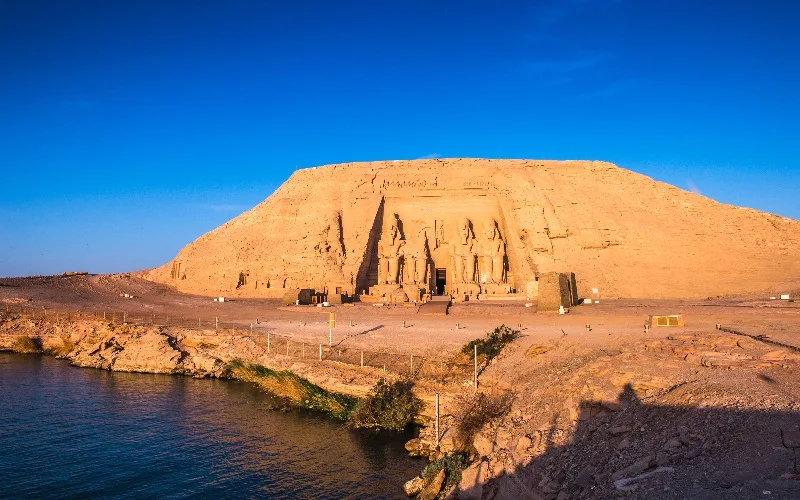
The most remarkable feature is the solar alignment phenomenon. Twice a year, on February 22 and October 22, sunlight penetrates the entire length of the Great Temple, illuminating the statues in the innermost sanctuary.
Customize Your Dream Vacation!
Get in touch with our local experts for an unforgettable journey.
Plan Your TripRediscovery and Early Exploration
The desert had claimed its prize, swallowing these magnificent monuments beneath countless centuries of windblown sand. Only whispers and fragments of ancient memory remained until one determined Swiss explorer changed everything. Johann Ludwig Burckhardt, disguised as "Sheik Ibrahim ibn Abdallah," wandered through Nubia in 1813 when fate led him to an extraordinary discovery.
Burckhardt's first sighting in 1813
What Burckhardt witnessed must have stirred his imagination beyond measure—the top frieze of a massive temple emerging from golden dunes, accompanied by the crowned head of a colossal statue peering through the sand like a sleeping giant. Though he lacked the means to excavate deeper, Burckhardt carefully documented his find, unknowingly alerting European scholars to one of archaeology's greatest treasures.
Belzoni's excavation and entry
The challenge of uncovering Abu Simbel fell to Giovanni Battista Belzoni, an Italian adventurer whose determination matched the monument's grandeur. His 1816 expedition revealed little more than "one figure of enormous size, with the head and shoulders only projecting out of the sand". Undeterred by this initial setback, Belzoni returned the following June with renewed purpose. Twenty-two grueling days of excavation followed until August 1, 1817, when Belzoni and his companions finally breached the entrance of the Great Temple. The moment must have been breathtaking—pristine reliefs and sculptures emerged from the darkness, untouched and unwitnessed for nearly a thousand years.
Champollion and the deciphering of hieroglyphs
Abu Simbel's contribution to human knowledge extended far beyond its architectural splendor. Architect Nicolas Huyot dispatched detailed drawings from the site to Jean-François Champollion in 1822. September 14, 1822, became a pivotal date in the study of ancient civilizations when Champollion examined a cartouche from these Abu Simbel drawings and achieved his monumental breakthrough in deciphering hieroglyphic script. For the first time in two millennia, someone could read the sacred writing of the pharaohs.
19th-century documentation and photography
The advent of photography brought new possibilities for preserving Abu Simbel's majesty. Maxime Du Camp arrived in 1850 with his camera, creating ten calotype images that captured the temples in their partially excavated state. These photographs appeared in his groundbreaking publication Egypte, Nubie, Palestine et Syrie, marking the first French book illustrated with photographic images. Francis Frith later contributed even more detailed prints, documenting the temples exactly as they appeared before any restoration efforts began—invaluable records that would prove essential for future archaeological study.
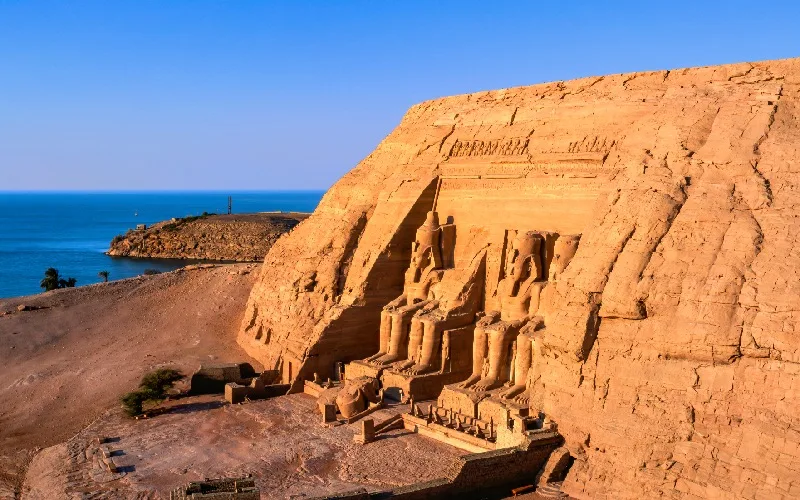
The Great Relocation of Abu Simbel
The year 1959 brought an impossible dilemma to Egypt's doorstep. Construction of the Aswan High Dam across the mighty Nile would create Lake Nasser, a reservoir destined to swallow these ancient wonders whole beneath its rising waters.
Threat from the Aswan High Dam
Egypt faced a cruel choice between progress and preservation. The dam promised vital improvements to irrigation systems throughout the valley and would dramatically boost the nation's hydroelectric capacity. Yet this modernization carried a devastating price—the permanent loss of countless archaeological treasures, including the irreplaceable Abu Simbel temples, to the advancing floodwaters.
UNESCO's international campaign
March 8, 1960 marked a historic moment when UNESCO issued an unprecedented global call to action through the International Campaign to Save the Monuments of Nubia. The world responded with remarkable unity as approximately 50 nations opened their coffers to support this audacious rescue mission. The financial commitment reached USD 40 million—equivalent to nearly $400 million today. Thirty countries established specialized national committees, bringing together their finest researchers, archaeologists, and engineers for this unparalleled undertaking.
Cutting and moving the temples block by block
After examining numerous proposals, authorities selected the ambitious plan submitted by Swedish engineering firm Vattenbyggnadsbyrån. What followed was archaeological surgery of the highest order: craftsmen methodically sectioned the temples into 1,042 individual blocks, each weighing between 20 to 30 tons. Pneumatic crushers, industrial compressors, and precision hand saws became the instruments of salvation, allowing workers to slice through millennia-old sandstone without inflicting damage on the delicate carvings.
Reassembling and preserving solar alignment
The temples found their new home 65 meters above their original position and 200 meters further inland. Perhaps the most remarkable achievement was the engineers' success in preserving the ancient solar phenomenon—their calculations ensured that sunlight would continue its biannual journey through the temple's corridors to illuminate the inner sanctuary statues. September 22, 1968 witnessed the official inauguration of the reconstructed temples.
Impact on global heritage preservation
This extraordinary rescue mission established the blueprint for international heritage conservation efforts. The Abu Simbel project became the foundation upon which the World Heritage Convention was built, inspiring countless future preservation campaigns across the globe. The temples' official inscription on the UNESCO World Heritage List in 1979 cemented their status as treasures belonging to all humanity.
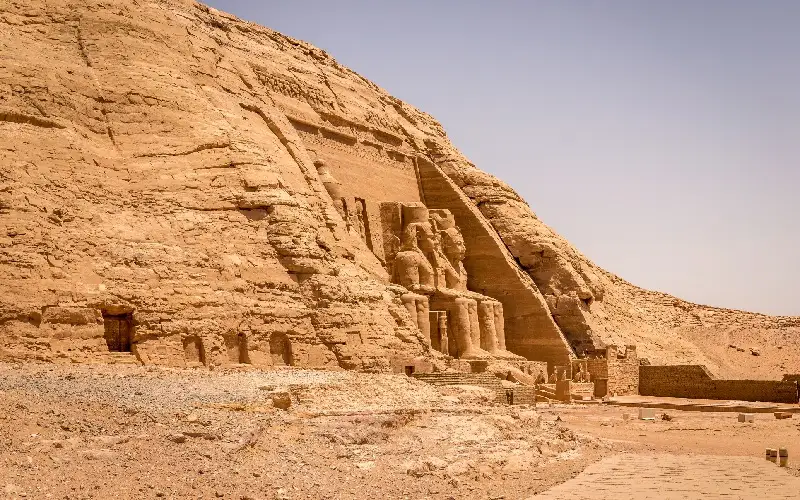
The temples were saved through an unprecedented international effort led by UNESCO. They were carefully cut into 1,042 blocks, moved 65 meters higher and 200 meters inland, and then reassembled to preserve their original appearance and solar alignment.
Abu Simbel stands today as a powerful symbol of human achievement across time. These monumental temples unite ancient architectural genius with modern dedication to preservation, telling a story that spans more than 3,000 years. From expressions of divine pharaonic power to nearly lost masterpieces, their survival reflects an extraordinary journey.
The international rescue of Abu Simbel marked a turning point in heritage conservation. By dismantling and rebuilding the temples stone by stone, humanity proved its commitment to protecting irreplaceable history—while preserving the temples’ precise solar alignment and sacred symbolism.
Beyond Egypt, Abu Simbel reshaped global thinking about cultural heritage, inspiring the creation of the UNESCO World Heritage Convention. Today, the temples no longer stand only as monuments to Ramesses II, but as enduring reminders that the world’s greatest treasures belong to all humanity.
A visit to Abu Simbel typically takes about 2-3 hours to fully explore both temples and appreciate their intricate details. However, considering travel time from nearby cities, it's best to allocate a full day for the trip.
The smaller temple is dedicated to both the goddess Hathor and Queen Nefertari. It's one of the few instances in ancient Egyptian art where statues of the king and queen are of equal size, highlighting Nefertari's importance to Ramses II.
Abu Simbel is located in southern Egypt near the border with Sudan, on the western bank of Lake Nasser, about 280 kilometers south of Aswan.
The temples were strategically placed near Egypt’s southern frontier to intimidate potential enemies from Nubia and assert Egyptian dominance over the region.
Yes, the solar alignment can still be witnessed twice a year on February 22 and October 22. These dates attract large crowds and are celebrated with cultural festivals.
The temples were carved directly into sandstone cliffs, using simple tools yet achieving extraordinary precision and monumental scale.
Abu Simbel symbolizes both ancient Egyptian achievement and modern international cooperation. Its rescue inspired the creation of UNESCO’s World Heritage Convention, making it a cornerstone of global heritage preservation.
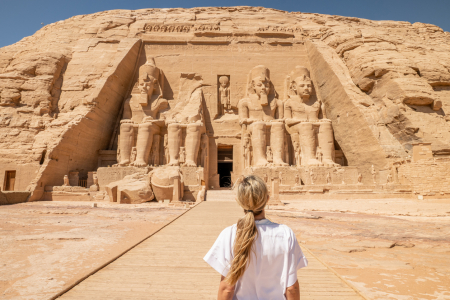
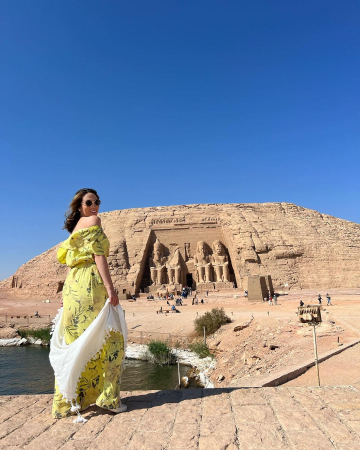
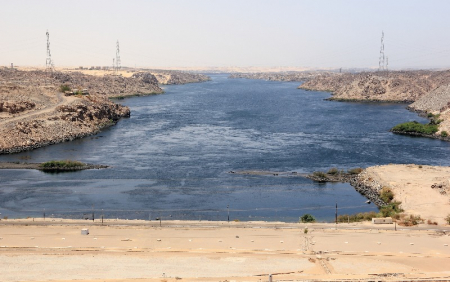
Lake Nasser, Egypt’s vast artificial reservoir, reshaped the Nile, boosted agriculture and fishing, and preserved historic sites like Abu Simbel.
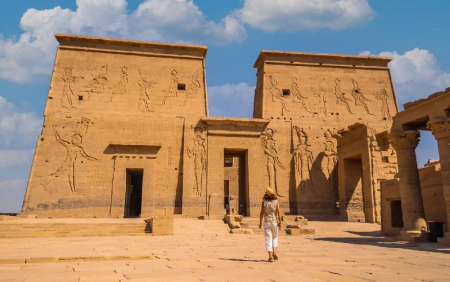
Philae Temple, dedicated to Isis, was relocated to Agilkia Island to preserve its ancient Ptolemaic structures and remains a UNESCO World Heritage site.
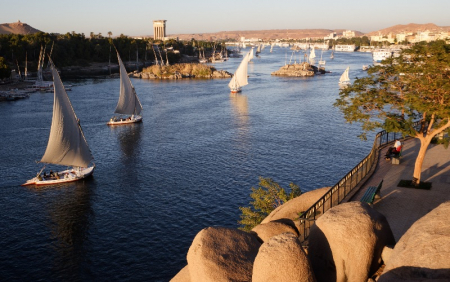
Aswan is one of the world’s oldest cities, marking ancient Egypt’s southern frontier. Rich in history, science, trade, and UNESCO-listed monuments, it remains a living link between past and present.
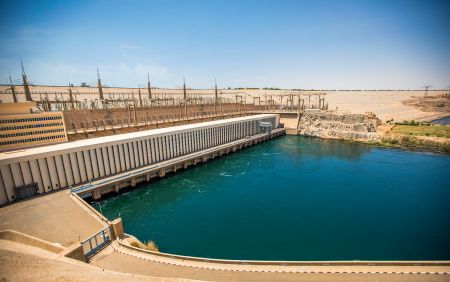
Aswan High Dam, completed 1970, transformed Egypt through Lake Nasser reservoir, hydroelectric power & year-round irrigation while displacing 100,000+ Nubians.
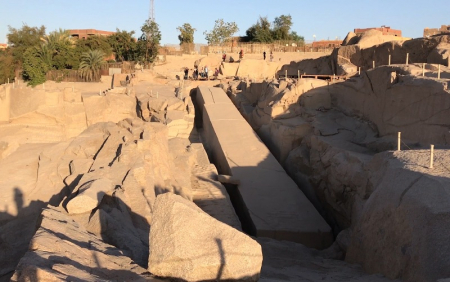
The Unfinished Obelisk in Aswan reveals ancient Egyptian quarrying techniques and ambitions, offering a rare glimpse into their engineering mastery.
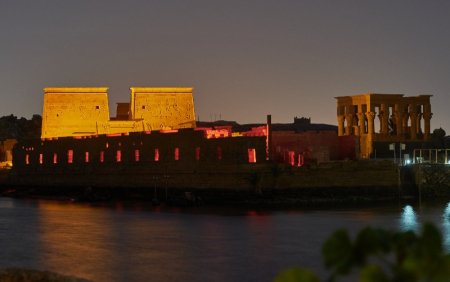
Discover the magic of Philae Temple after dark with a Sound & Light Show that brings the myths of Isis to life amid the beautifully preserved island sanctuary.
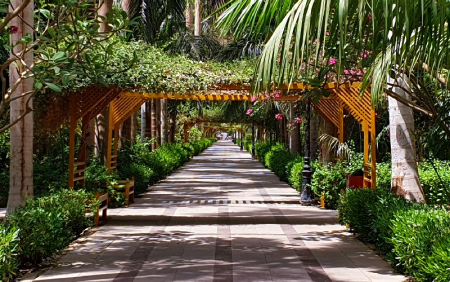
Explore El Nabatat Island, Aswan’s historic botanical garden featuring exotic plants, towering palms, and a sanctuary for birds along the Nile.

Nubian Museum Aswan features 3,000+ artifacts showcasing ancient Nubian heritage. Discover jewelry, statues & cultural displays in this 1997-opened institution.

Nubian Village near Aswan offers authentic culture with vibrant homes, traditional hospitality & henna art. Experience 8,000 years of living Nile heritage.
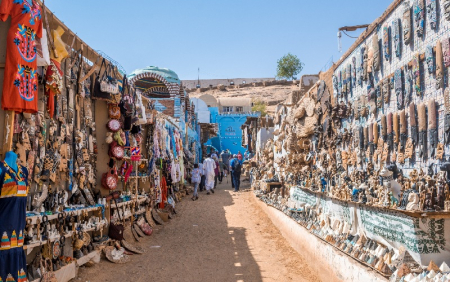
Aswan Old Souk offers a colorful, aromatic shopping experience along the Nile, featuring local crafts, spices, textiles, and souvenirs in Egypt’s southernmost city.
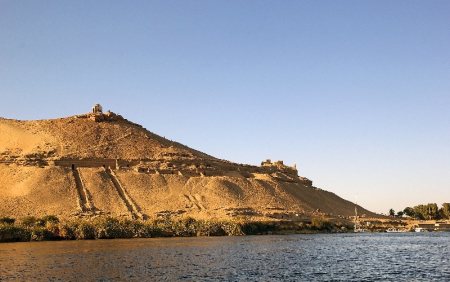
Elephantine Island in Aswan is a 5,000-year-old UNESCO site, once Egypt’s southern gateway, famed for its temples, Nilometers, and living Nubian heritage.
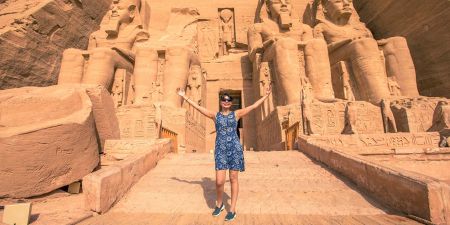
Discover Abu Simbel, Ramses II’s rock-cut temples famed for colossal statues, solar alignment, and an epic UNESCO rescue that saved them from Lake Nasser.