Home
Home
The Dead Sea is a landlocked hypersaline lake in the Jordan Rift Valley, forming part of the border between Jordan to the east and the Palestinian West Bank and Israel to the west. Its surface sits around 430 metres below sea level, making it the lowest point on dry land anywhere on Earth.
The dead sea salt lake runs roughly 50 kilometres long and 15 kilometres at its widest, covering some 605 square kilometres. The Jordan River feeds it from the north, joined by smaller wadis from the surrounding highlands, but the lake has no outflow — water leaves only by evaporation, concentrating the dissolved minerals that give it its extraordinary salinity.
The name reflects the apparent lifelessness of its waters: fish and most aquatic organisms cannot survive there, though researchers have identified extremophile microorganisms that can. The shoreline itself is far from barren, with freshwater springs supporting numerous bird species, ibex, foxes and hyraxes in the desert highlands above.
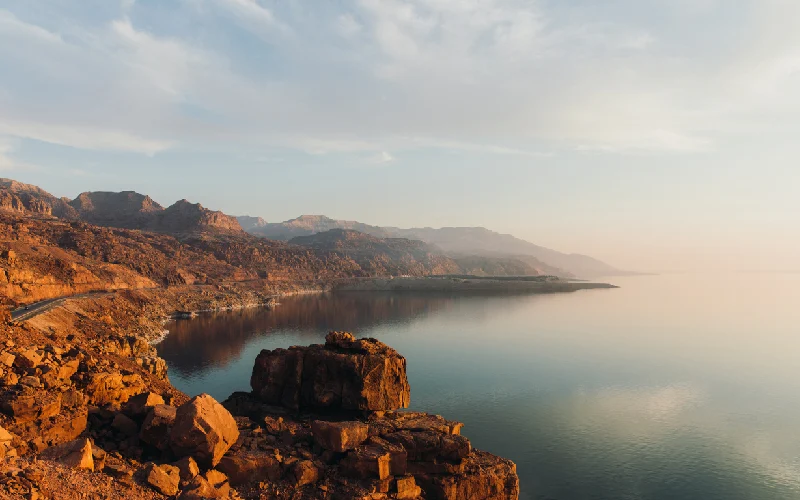
The Geography and Geology of the Dead Sea
The Dead Sea occupies the deepest part of the Dead Sea Transform, a major geological fault system that forms the boundary between the African Plate and the Arabian Plate. This tectonic structure is part of the larger Great Rift Valley system that extends from southern Turkey through the Jordan Valley, the Red Sea, and into eastern Africa — one of the most significant geological features on the surface of the Earth.
The Jordan Rift Valley has been subsiding along this fault system for millions of years, creating the extraordinarily deep depression in which the Dead Sea sits. The lake floor reaches depths of approximately 304 metres at its deepest point in the northern basin, making it the deepest hypersaline lake in the world. A shallower southern basin, now largely separated from the main northern basin, has been significantly reduced in area by evaporation and water extraction over the past century.
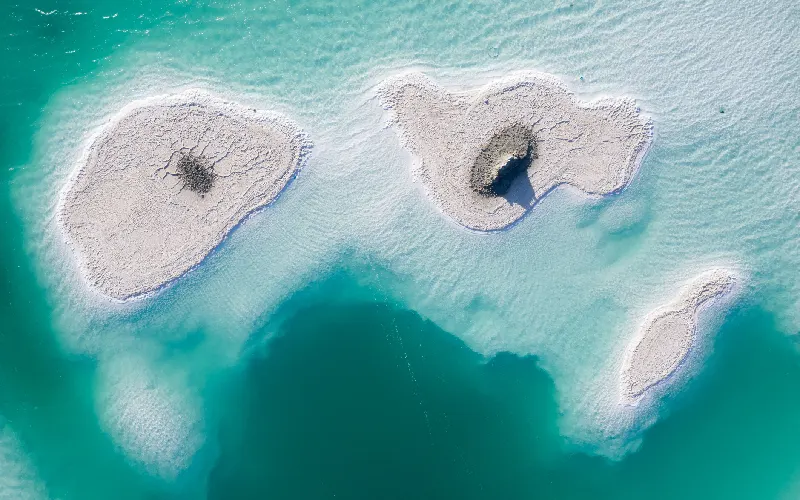
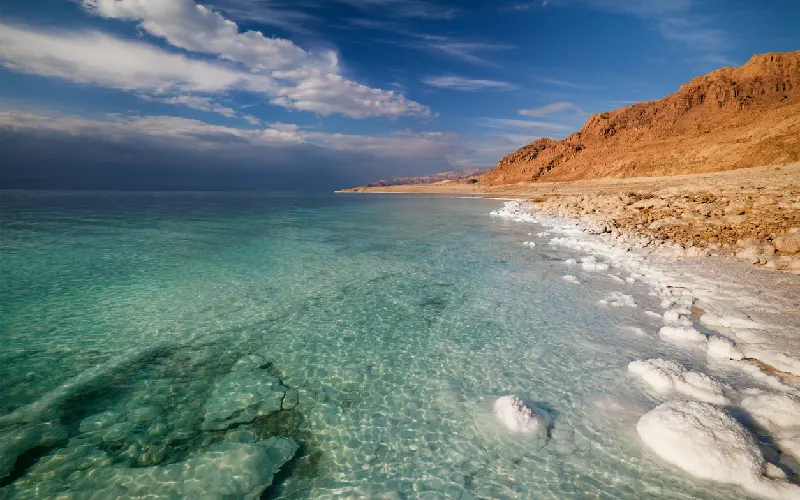
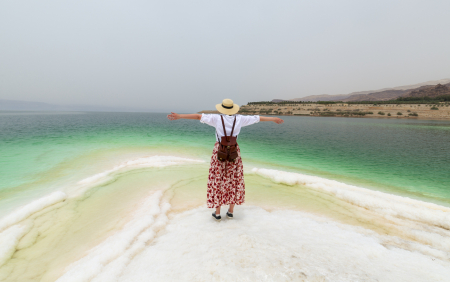
The geology of the surrounding landscape reflects the complex tectonic history of the region. The Judean and Samarian highlands to the west and the Jordanian plateau to the east are composed primarily of limestone and dolomite formations dating from the Cretaceous period, dissected by deep wadis that carry seasonal floodwaters toward the lake. The shores of the Dead Sea are characterised by salt flats, salt pillars formed by the evaporation of mineral-rich water, and the distinctive white salt encrustations that accumulate along the waterline.
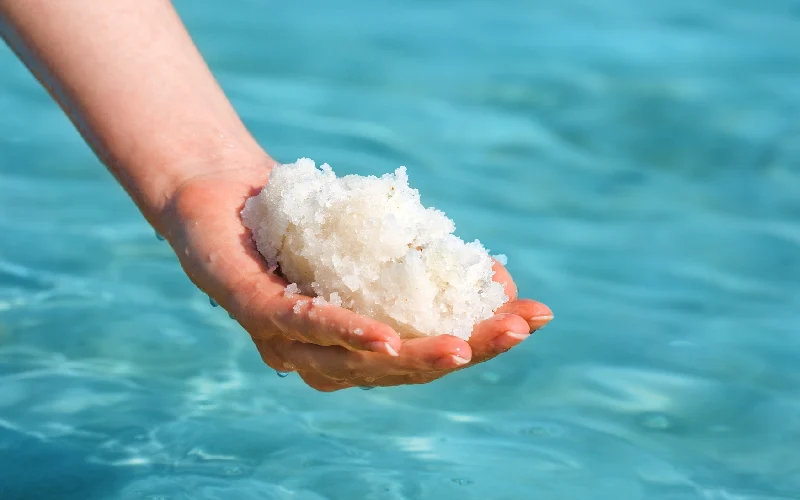
The Dead Sea is extremely salty because it has no outflow — water flows in from the Jordan River and surrounding wadis but can only leave through evaporation. As water evaporates, the minerals dissolved in it remain behind, gradually concentrating over thousands of years to produce salinity levels approximately ten times higher than the world's oceans. The lake's salinity is estimated at between 28 and 33 percent, compared to an average ocean salinity of around 3.5 percent.
The Dead Sea reaches a maximum depth of approximately 304 metres in its northern basin, making it the deepest hypersaline lake in the world. The southern basin is considerably shallower and has been significantly reduced in area over the past century due to water diversion from the Jordan River and industrial extraction of minerals from the lake.
The Dead Sea as Earth's Lowest Point
The status of the Dead Sea Jordan as the lowest point on the surface of the Earth is its most widely cited geographical distinction. At approximately 430 metres below sea level — a figure that continues to increase as the lake level drops — the Dead Sea occupies a position in the landscape so far below the global mean sea level that the air pressure at its shores is measurably higher than at sea level, and the atmosphere provides increased protection from ultraviolet radiation due to the additional air mass above.
This elevated atmospheric pressure and reduced ultraviolet exposure have significant implications for the therapeutic applications of the Dead Sea environment. Medical researchers have documented that patients with certain skin conditions, particularly psoriasis, experience measurable improvement following extended stays at the Dead Sea shoreline — an effect attributed to the combined influence of the unique atmospheric conditions, the mineral composition of the water and mud, and the modified solar radiation spectrum at this extraordinary elevation below sea level.
The continuing decline of the Dead Sea water level — dropping at an estimated rate of more than one metre per year in recent decades — means that the lake's surface sits lower now than at any point in recorded history. This ongoing reduction reflects the diversion of water from the Jordan River for agricultural and municipal purposes upstream, combined with industrial mineral extraction from the southern basin, and represents one of the most significant environmental challenges facing the region.
Yes. The surface of the Dead Sea sits at approximately 430 metres below sea level, making it the lowest point on the surface of the Earth on dry land. This figure continues to increase as the lake level drops at a rate of more than one metre per year due to water diversion from the Jordan River and industrial mineral extraction.
Customize Your Dream Vacation!
Get in touch with our local experts for an unforgettable journey.
Plan Your Trip
The Chemistry and Mineral Composition of the Dead Sea
The extraordinary mineral richness of the Dead Sea salt lake distinguishes it from virtually every other body of water on Earth. While ocean water contains sodium chloride as its primary dissolved mineral, the Dead Sea's mineral composition is dominated by magnesium chloride, calcium chloride, and potassium chloride, with sodium chloride representing a smaller proportion of the total dissolved mineral content than in standard seawater.
This unusual chemical composition — the product of the specific geology of the Jordan Rift Valley and the selective evaporation and redeposition of minerals over millions of years — gives the Dead Sea water and the black mud of its shores a distinctive therapeutic character that has been recognised and exploited since antiquity. The high magnesium content is associated with anti-inflammatory properties, the bromide concentration is significantly higher than in ocean water and is associated with relaxation effects on the nervous system, and the potassium content supports skin hydration.
The black mud found along the Dead Sea shoreline derives its colour and properties from the combination of mineral salts, fine clay particles, and organic material deposited over thousands of years. This mud has been harvested and used for cosmetic and therapeutic purposes since ancient times and continues to be collected for use in skincare applications worldwide.
The process of mineral extraction from the Dead Sea — conducted on an industrial scale in the southern basin — produces potash, bromine, and other chemical compounds used in agriculture and industry globally. This extraction has contributed significantly to the reduction of the lake's surface area in the southern basin, where evaporation pans now occupy much of what was once open water.
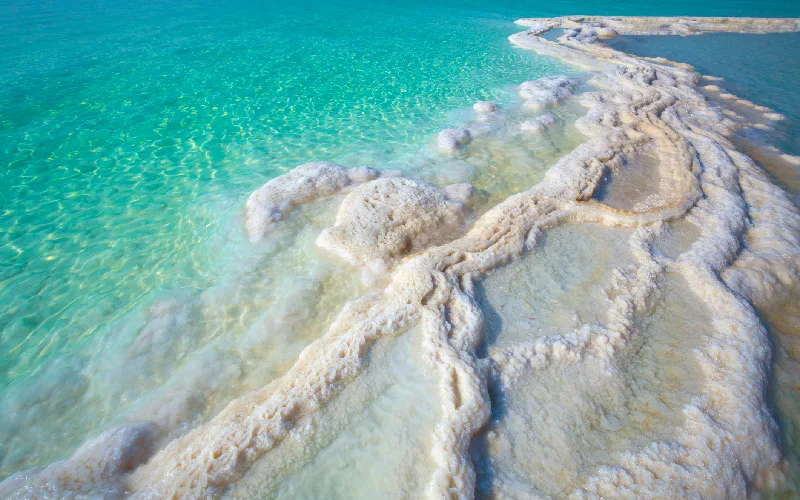
The Dead Sea contains an unusually high concentration of magnesium chloride, calcium chloride, potassium chloride, and bromide, with relatively less sodium chloride than typical seawater. These minerals give the water and mud their distinctive therapeutic properties — including anti-inflammatory, skin-hydrating, and relaxation effects — that have been recognised since ancient times and continue to attract visitors seeking health benefits.
The Dead Sea in Ancient History and Culture
The Dead Sea and its surrounding landscape carry extraordinary historical and cultural significance, having been inhabited and traversed by human civilisations for thousands of years. The region appears repeatedly in the historical and religious records of the ancient Near East as a landscape of both practical importance and profound symbolic meaning.
In the Hebrew Bible and associated traditions, the area around the Dead Sea is identified with the cities of Sodom and Gomorrah, destroyed according to the biblical narrative as divine punishment for the wickedness of their inhabitants. The pillar of salt into which Lot's wife was transformed during the flight from Sodom has been associated with various salt formations along the western shore of the lake, including the geological feature known as Mount Sodom on the Israeli side of the Dead Sea.
The Nabataean civilisation exploited the Dead Sea's mineral resources extensively, trading bitumen — a naturally occurring hydrocarbon that rose to the lake's surface and was harvested for use in waterproofing, mummification preparations exported to Egypt, and construction — across the ancient trade networks they controlled. The Greek historian Diodorus Siculus described the Dead Sea's bitumen trade in the third century BCE, providing one of the earliest written accounts of the lake's economic significance.
Among the most important archaeological discoveries associated with the Dead Sea are the Dead Sea Scrolls, found between 1947 and 1956 in caves at Qumran on the northwestern shore of the lake. These ancient manuscripts — dating from approximately the third century BCE to the first century CE — include the oldest surviving copies of texts from the Hebrew Bible and documents belonging to a Jewish sect known as the Essenes, and represent one of the most significant manuscript discoveries in the history of biblical scholarship.
The Dead Sea Scrolls are a collection of ancient Jewish manuscripts discovered between 1947 and 1956 in caves at Qumran, on the northwestern shore of the Dead Sea. Dating from approximately the third century BCE to the first century CE, they include the oldest known copies of texts from the Hebrew Bible and writings of the Essene community. They represent one of the most important manuscript finds in the history of biblical archaeology.
In antiquity, the Dead Sea was valued primarily for its bitumen — a naturally occurring hydrocarbon that surfaced on the lake and was harvested for use in waterproofing, construction, and mummification preparations traded with ancient Egypt. The Nabataeans controlled much of this trade, and the Dead Sea's mineral resources were exploited by successive civilisations including the Egyptians, Romans, and Byzantines.
The Therapeutic Properties of the Dead Sea
The therapeutic reputation of the Dead Sea Jordan is among the oldest and most enduring in the world, with written records of visits for health purposes extending back more than two thousand years. Herod the Great, the Roman client king of Judea, is recorded to have sought treatment at the Dead Sea for his ailments, and Cleopatra is said to have been so impressed by the lake's cosmetic properties that she requested exclusive rights to its shores for the production of beauty preparations.
Modern medical research has provided scientific grounding for many of the therapeutic claims historically associated with the Dead Sea. Clinical studies conducted over several decades have documented measurable benefits for patients with psoriasis, atopic dermatitis, rheumatoid arthritis, and osteoarthritis following extended treatment periods at the Dead Sea shoreline — a therapeutic approach now formalised under the term climatotherapy.
The specific therapeutic environment of the dead sea lowest point on earth is produced by the convergence of several unique factors. The high atmospheric pressure at 430 metres below sea level increases the partial pressure of oxygen in the air. The reduced ultraviolet radiation reaching the surface filters out the most harmful wavelengths while allowing beneficial wavelengths to pass through. The mineral-rich water and mud act directly on skin and joints. And the high bromide concentration in the atmosphere is associated with relaxation and reduced stress responses.
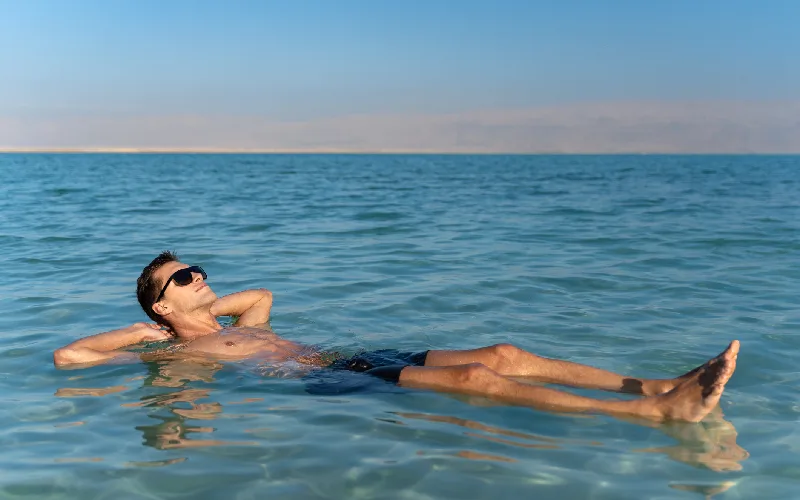
The extraordinary salinity of the Dead Sea — approximately ten times higher than the ocean — gives the water a density significantly greater than the human body, making it physically impossible to sink. Visitors float effortlessly on the surface without any swimming effort, an experience that results directly from the buoyancy produced by the high concentration of dissolved minerals in the water.
The Environmental Challenges Facing the Dead Sea
The Dead Sea is receding at an alarming rate, presenting one of the most significant environmental challenges in the Middle East. The lake's surface level has dropped by more than 35 metres since the 1930s, and its surface area has contracted by approximately a third over the same period. The primary cause is the diversion of water from the Jordan River — the Dead Sea's main source of inflow — for agricultural and municipal use in Jordan, Israel, and the Palestinian territories, reducing inflow to a small fraction of natural historical levels.
The consequences of this recession are visible across the landscape surrounding the Dead Sea. Sinkholes — formed when underground salt layers dissolve as fresh groundwater replaces receding saline lake water — have appeared in large numbers along the former shoreline, rendering previously accessible areas dangerous and destroying infrastructure. Former beaches now lie hundreds of metres from the water's edge, accessible only via salt flat terrain formed by the evaporation of receding water.
Various proposals for addressing the Dead Sea's recession have been studied over several decades, including the Red Sea–Dead Sea Water Conveyance project, which proposed channelling water from the Red Sea through a canal and pipeline system to replenish the Dead Sea while generating hydroelectric power and desalinating water for use in the region. Environmental assessments of this proposal raised concerns about the potential chemical and ecological consequences of mixing Red Sea water with the Dead Sea's unique mineral composition, and the project remains under discussion without definitive implementation.
Despite these long-term challenges, the Dead Sea remains one of Jordan's most visited destinations, and a night on its shore features on our 8 day Jordan family holiday alongside Petra, Wadi Rum and Jerash.
Almost nothing can survive in the Dead Sea's hypersaline waters. Fish and most aquatic organisms cannot tolerate the extreme salinity, which is how the lake acquired its name. However, certain extremophile microorganisms — halophilic bacteria and archaea — have been identified in the water, demonstrating that life can persist even in one of the most chemically hostile aquatic environments on Earth.
The Dead Sea is located in the Jordan Rift Valley in the Middle East, forming part of the border between Jordan to the east and the Palestinian West Bank and Israel to the west. On the Jordanian side, the main resort and tourism area is located along the eastern shore, accessible from the capital Amman in approximately one hour by road.
The Dead Sea has contracted significantly over the past century, with its surface level dropping more than 35 metres and its surface area reducing by approximately a third. This recession is primarily caused by the diversion of water from the Jordan River for agricultural and municipal use, combined with industrial mineral extraction from the southern basin. Sinkholes have appeared along former shorelines as a result of the changing hydrology.
The Jordan River is the primary source of inflow to the Dead Sea, entering from the north after flowing south through the Sea of Galilee. Historically the river delivered substantial volumes of fresh water to the lake annually, but water diversion for agricultural and municipal purposes has reduced this inflow to a small fraction of its natural level — a reduction that is the principal driver of the Dead Sea's ongoing recession.
Floating rather than swimming is the typical experience, as the high density of the water makes conventional swimming difficult. The water is safe for most visitors but should be kept away from eyes and open cuts, as the high mineral concentration causes intense stinging. Visitors are advised to shower immediately after leaving the water to remove salt deposits from skin and hair.
The black mineral-rich mud found along the Dead Sea shoreline has been used for cosmetic and therapeutic purposes since ancient times. It is applied to the skin as a natural exfoliant and mineral treatment, associated with benefits for skin conditions including psoriasis and eczema, and is harvested commercially for use in skincare products distributed worldwide.


Learn about Jordan attractions, ancient history, and local traditions. Find must-visit places and start planning your unforgettable experience today.
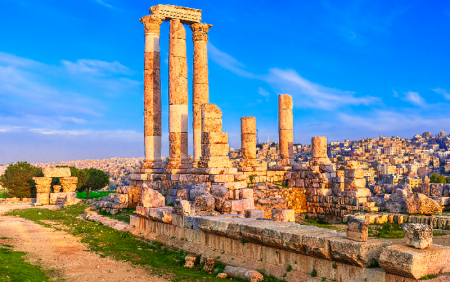
Jordan's capital and largest city, Amman spreads across a landscape of hills with a history reaching back nine millennia — from Neolithic settlement to Roman Philadelphia to modern Arab capital.
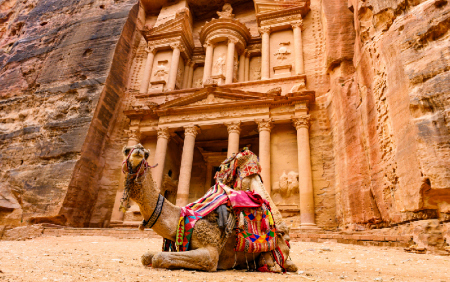
Petra is an ancient city carved into rose-red sandstone cliffs in southern Jordan, once the capital of the Nabataean civilisation and one of the most significant archaeological sites in the world — a UNESCO World Heritage Site and one of the New Seven Wonders of the World.
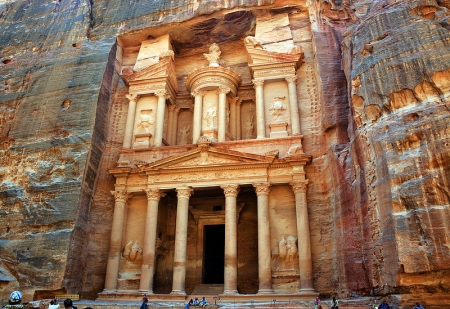
The Treasury (al-Khazneh) positioned opposite the main route into Petra. it was given by the local Bedouin tribes behind the belief that the urn on top of the front entrance contained the treasure of a pharaoh.
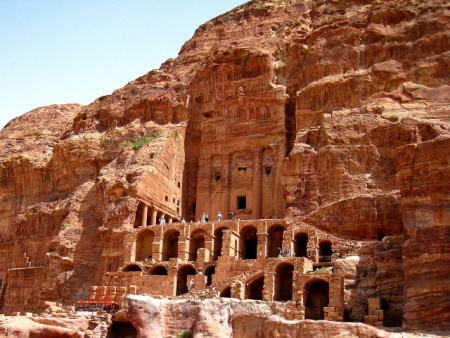
During any trip to Petra, you shouldn't miss the unpredictable Royal Tombs that took its name from the rich decoration. Know More!
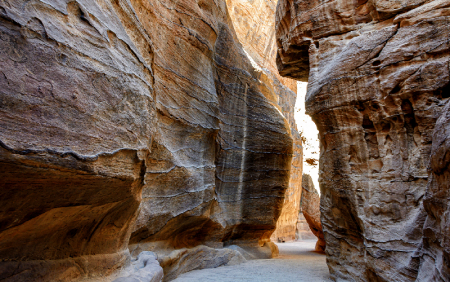
A 1.2-kilometre gorge with walls rising up to 180 metres, the Siq is Petra's main entrance — a natural rock fissure the Nabataeans turned into a processional way and a water system.
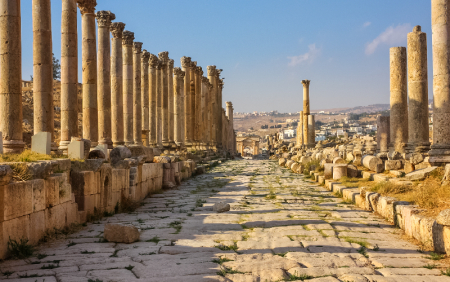
Jerash in northern Jordan is one of the best-preserved Roman cities outside Italy. A former member of the Decapolis league, it retains its colonnaded streets, temples, theatres and triumphal arches after nearly two thousand years.
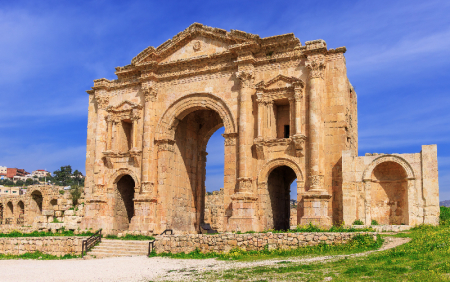
The monumental Roman gateway built to welcome Emperor Hadrian to ancient Gerasa in AD 129 — and still the most dramatic first sight in Jerash today.
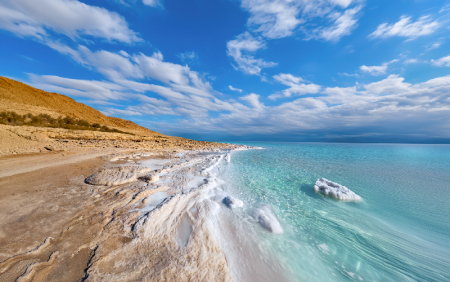
The Dead Sea is a hypersaline lake in the Jordan Rift Valley, sitting around 430 metres below sea level — the lowest point on Earth and one of the saltiest waters in the world. Its mineral-rich water and therapeutic mud have drawn health seekers for thousands of years.
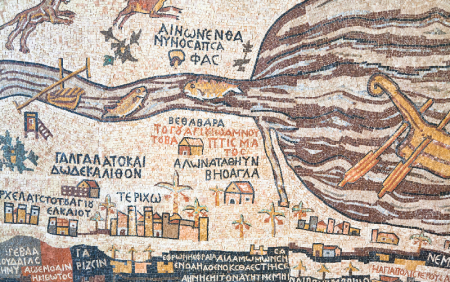
A sixth-century mosaic pavement in Madaba, Jordan, the Madaba Map is the oldest surviving cartographic image of the Holy Land — and the earliest detailed depiction of Jerusalem anywhere.
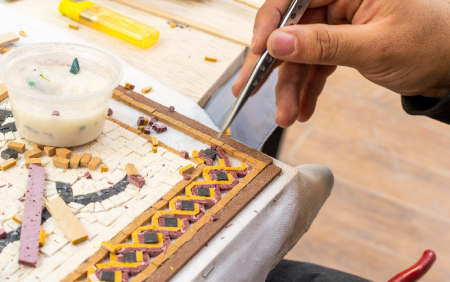
An ancient town on Jordan's King's Highway, Madaba holds the greatest concentration of Byzantine mosaics in the country — including the oldest surviving map of the Holy Land.
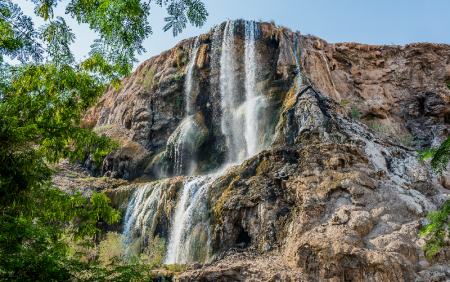
A chain of thermal waterfalls in a desert gorge below sea level, Ma'in Hot Springs has drawn bathers since antiquity — and appears on the sixth-century Madaba Map by name.
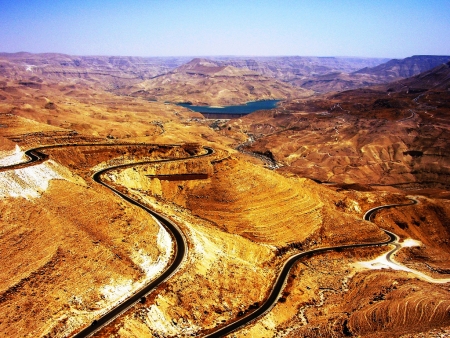
Mount Nebo is an elevated Mountain in Jordan, approximately 817 metres above sea level,.... Know More!
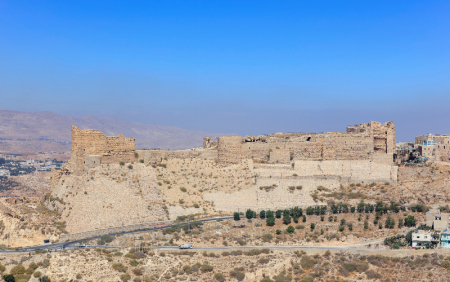
Built from the 1140s on a spur above the King's Highway, Kerak Castle is one of the largest Crusader fortresses in the Levant — and the setting for one of the strangest sieges in medieval history.
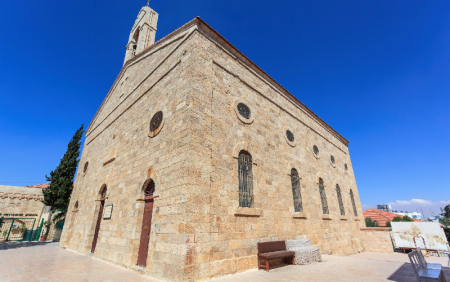
A working Greek Orthodox church in Madaba, Jordan, built in the 1890s over a Byzantine predecessor — and home to the sixth-century mosaic map of the Holy Land.

Mukawir (Machaerus) is an hour away and about 45 kms, away from Madaba on the Kings’ Highway. Know More !
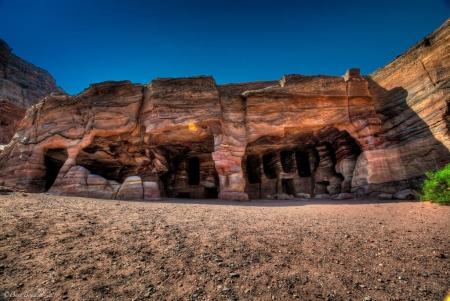
The Nabataeans (Nabateans) were an Arab people who lived in northern Arabia and the Southern Levant. They built the assumed capital city of Petra. Know more!
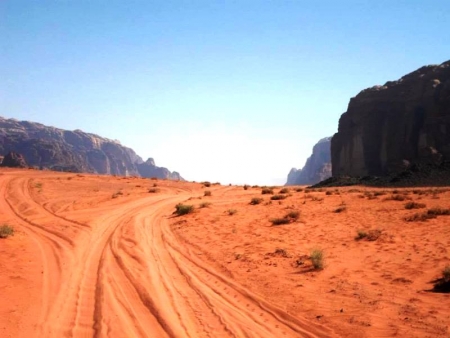
Lawrence of Arabia is a film directed by the global British director David Lean in 1962 and production of Sam Spiegel and starring Peter O'Toole role Lawrence.