Home
Home
Jordan is one of the most fascinating destinations in the Middle East, known for its rich history, diverse landscapes, and welcoming culture. Located at the crossroads of Asia, Africa, and Europe, Jordan has played a key role in human civilization for thousands of years.
From ancient cities carved into rock to vast deserts and sacred religious sites, the country offers a wide range of jordan attractions that appeal to travelers, historians, and adventurers alike. Despite its relatively small size, Jordan delivers an incredibly diverse travel experience.
Geography and Location
Several countries, including Saudi Arabia, Iraq, Syria, and Israel border Jordan.
Key Geographic Features
- Desert landscapes dominate much of the country
- The fertile Jordan Valley supports agriculture
- The famous Dead Sea lies at the lowest point on Earth
- The Red Sea coastline is accessible through the city of Aqaba
This variety makes Jordan unique, offering both natural and cultural attractions in one destination.
Jordan is located in the Middle East, bordered by Saudi Arabia, Iraq, Syria, and Israel, making it a crossroads of continents.
Historical Overview of Jordan
Ancient Civilizations
Jordan has been home to many ancient civilizations, including the Nabataeans, Romans, Byzantines, and early Islamic empires.
One of the most important sites is Petra, the famous rock-carved city and one of the New Seven Wonders of the World.
Roman and Islamic Influence
The Romans left a strong mark on Jordan, especially in cities like Jerash, which features well-preserved ruins such as theaters, temples, and colonnaded streets.
Later, Islamic civilizations contributed to Jordan’s architecture and culture, with desert castles and historic mosques still standing today.
Customize Your Dream Vacation!
Get in touch with our local experts for an unforgettable journey.
Plan Your TripTop Jordan Attractions
1- Petra: The Rose City
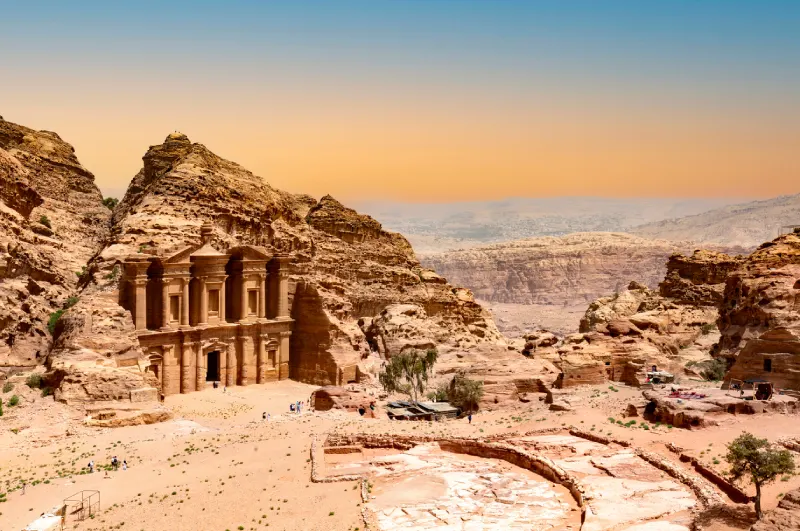
One of the most iconic jordan attractions is Petra. Known as the “Rose City,” Petra is carved into pink sandstone cliffs and dates back more than 2,000 years.
Highlights in Petra
- The Treasury (Al-Khazneh)
- The Siq canyon entrance
- The Monastery (Ad-Deir)
- The Royal Tombs
Petra represents the heart of Jordan’s tourism and cultural heritage.
2- Wadi Rum: The Valley of the Moon
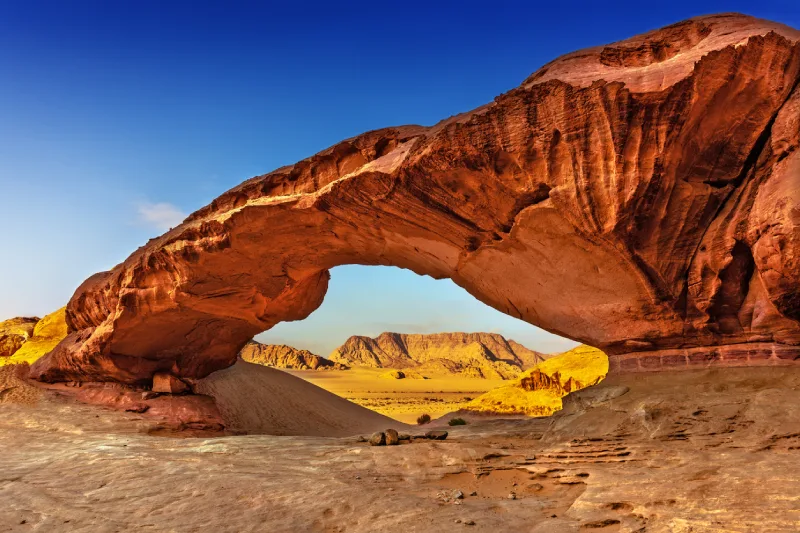
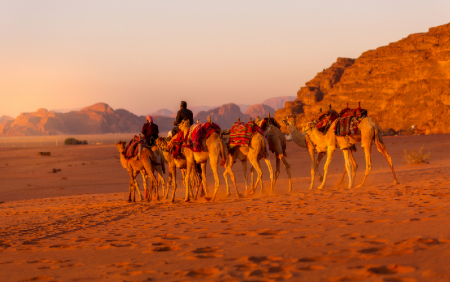
Wadi Rum is a vast desert landscape known for its dramatic sandstone mountains and red sands.
Activities in Wadi Rum
- Jeep desert safaris
- Camel rides
- Stargazing experiences
- Bedouin cultural encounters
It is one of the most unique natural Jordan attractions.
3- The Dead Sea
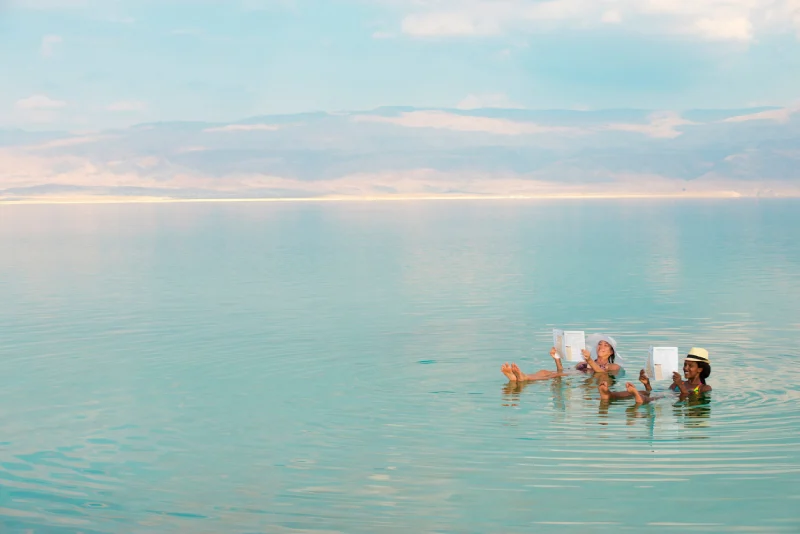
The Dead Sea is one of the most famous natural wonders in the world.
Why Visit the Dead Sea
- Float effortlessly due to high salt content
- Enjoy mineral-rich mud treatments
- Experience the lowest point on Earth
It is a must-visit for relaxation and wellness tourism.
4- Jerash: A Roman Treasure
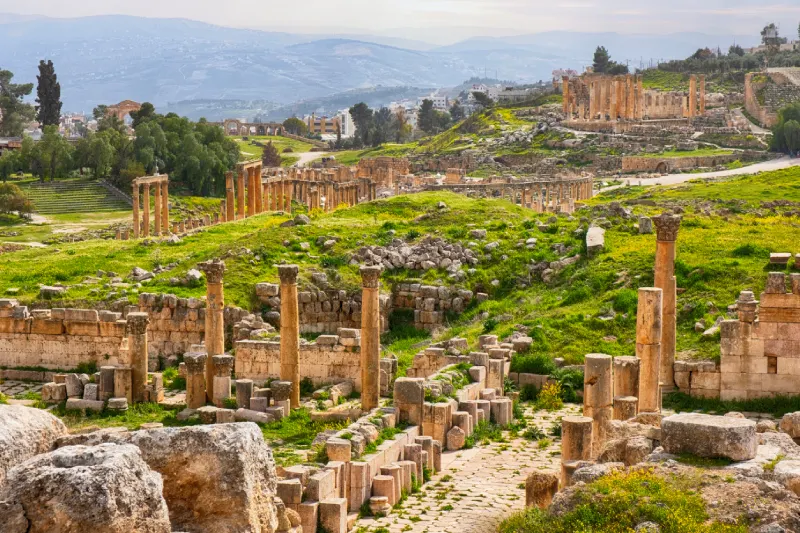
Jerash is one of the best-preserved Roman cities outside Italy.
Key Sites in Jerash
- Hadrian’s Arch
- Oval Plaza
- Roman theaters
- Temple of Artemis
Jerash offers a deep insight into Roman urban planning and architecture.
5- Amman: The Capital City
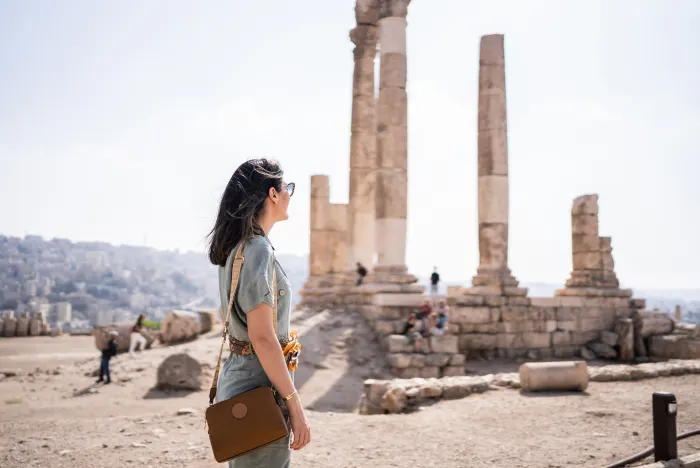
Amman is the modern capital and cultural center of Jordan.
Top Attractions in Amman
- The Citadel
- Roman Theater
- Downtown markets (souks)
- Contemporary cafes and restaurants
Amman blends ancient history with modern life.
6- Aqaba: The Red Sea Escape
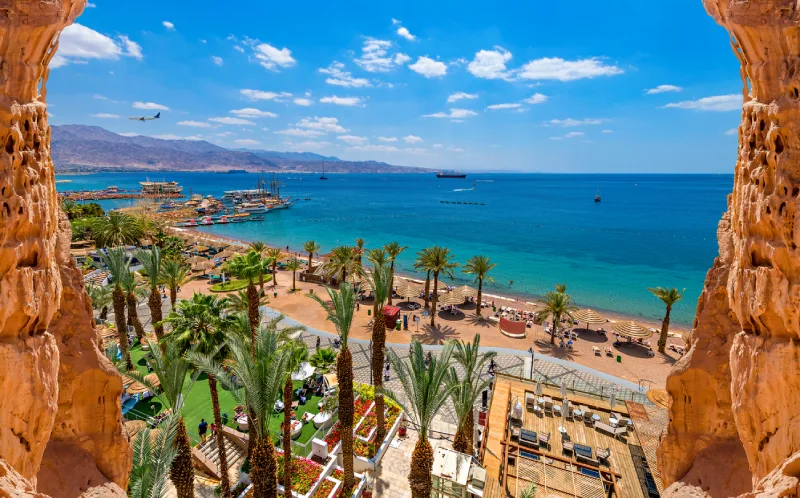
Aqaba is Jordan’s only coastal city, located on the Red Sea.
What to Do in Aqaba
- Snorkeling and diving
- Beach relaxation
- Boat trips
It is perfect for travelers seeking a mix of adventure and leisure.
Culture and Traditions in Jordan
Jordanian culture is deeply rooted in Arab traditions and hospitality. Visitors often notice the warmth and generosity of the local people.
Key Cultural Elements
- Traditional Bedouin lifestyle
- Arabic cuisine, such as mansaf
- Strong family and community values
Jordan is considered one of the safest and most welcoming countries in the region.

Food and Cuisine
Jordanian cuisine is simple, flavorful, and based on fresh ingredients.
Popular Dishes
- Mansaf (national dish)
- Falafel and hummus
- Shawarma
- Fresh bread and mezze
Food is an important part of the travel experience in Jordan.
Best Time to Visit Jordan
The best time to visit Jordan attractions is during:
- Spring (March–May): mild weather and blooming landscapes
- Autumn (September–November): comfortable temperatures
- Summer can be hot, especially in desert areas,
- while winter may bring cooler temperatures.
Travel Tips for Visiting Jordan
Practical Advice
- Wear comfortable clothing and shoes
- Stay hydrated, especially in desert regions
- Respect local customs and traditions
- Plan at least 5–7 days to explore major attractions
The most visited Jordan attractions include Petra, the Dead Sea, Wadi Rum, and Jerash.
Petra is famous for its rock-cut architecture, advanced water systems, and historical importance as a Nabataean trade hub.
Wadi Rum is known for its red sands, dramatic mountains, and Mars-like landscapes, making it ideal for adventure and filming locations.
The Dead Sea attracts visitors for floating, therapeutic mud, and being the lowest point on Earth.
The official language of Jordan is Arabic, but English is widely spoken in tourist areas and major Jordan attractions.
Jordan uses the Jordanian Dinar (JOD), and credit cards are accepted in most hotels, restaurants, and tourist sites.
The capital of Jordan is Amman, a modern city rich in history and culture.
Jordan has a desert climate with hot summers and mild winters, especially around popular Jordan attractions like Petra and Wadi Rum.
Hidden gems include Dana Biosphere Reserve, Ajloun Castle, and Umm Qais.


Learn about Jordan attractions, ancient history, and local traditions. Find must-visit places and start planning your unforgettable experience today.
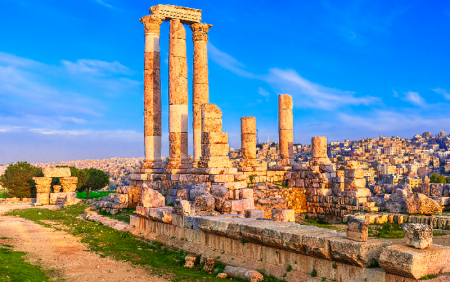
Jordan's capital and largest city, Amman spreads across a landscape of hills with a history reaching back nine millennia — from Neolithic settlement to Roman Philadelphia to modern Arab capital.
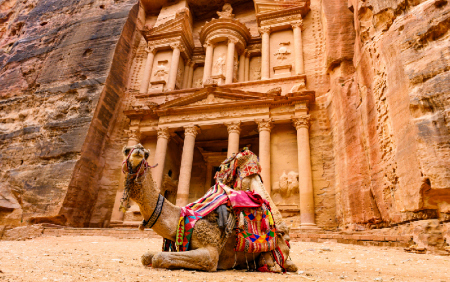
Petra is an ancient city carved into rose-red sandstone cliffs in southern Jordan, once the capital of the Nabataean civilisation and one of the most significant archaeological sites in the world — a UNESCO World Heritage Site and one of the New Seven Wonders of the World.
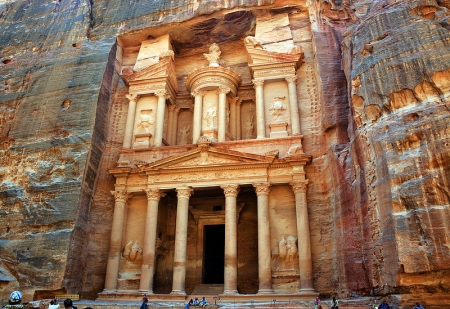
The Treasury (al-Khazneh) positioned opposite the main route into Petra. it was given by the local Bedouin tribes behind the belief that the urn on top of the front entrance contained the treasure of a pharaoh.
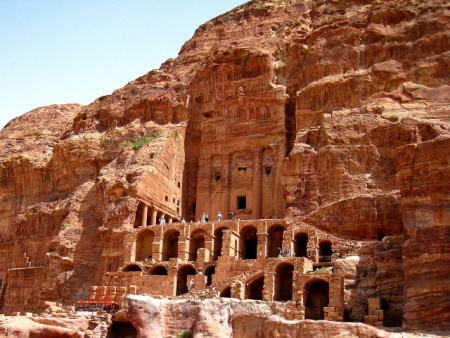
During any trip to Petra, you shouldn't miss the unpredictable Royal Tombs that took its name from the rich decoration. Know More!
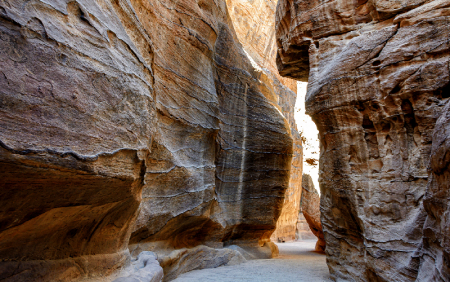
A 1.2-kilometre gorge with walls rising up to 180 metres, the Siq is Petra's main entrance — a natural rock fissure the Nabataeans turned into a processional way and a water system.
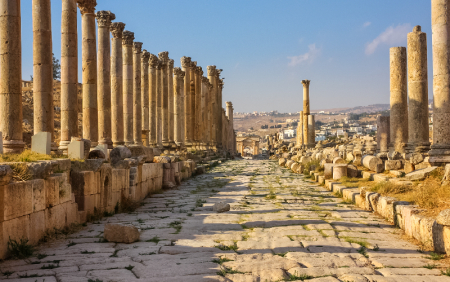
Jerash in northern Jordan is one of the best-preserved Roman cities outside Italy. A former member of the Decapolis league, it retains its colonnaded streets, temples, theatres and triumphal arches after nearly two thousand years.
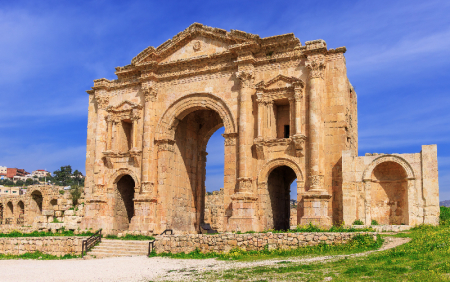
The monumental Roman gateway built to welcome Emperor Hadrian to ancient Gerasa in AD 129 — and still the most dramatic first sight in Jerash today.
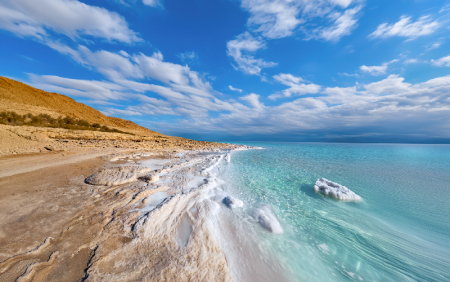
The Dead Sea is a hypersaline lake in the Jordan Rift Valley, sitting around 430 metres below sea level — the lowest point on Earth and one of the saltiest waters in the world. Its mineral-rich water and therapeutic mud have drawn health seekers for thousands of years.
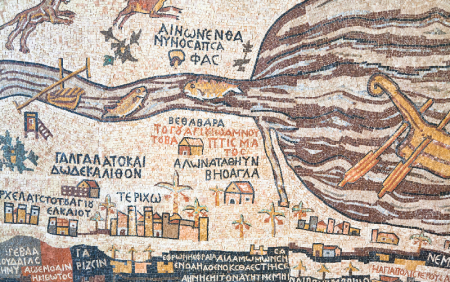
A sixth-century mosaic pavement in Madaba, Jordan, the Madaba Map is the oldest surviving cartographic image of the Holy Land — and the earliest detailed depiction of Jerusalem anywhere.
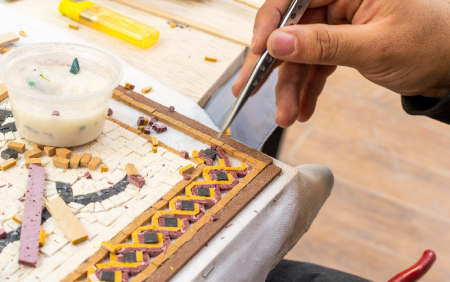
An ancient town on Jordan's King's Highway, Madaba holds the greatest concentration of Byzantine mosaics in the country — including the oldest surviving map of the Holy Land.
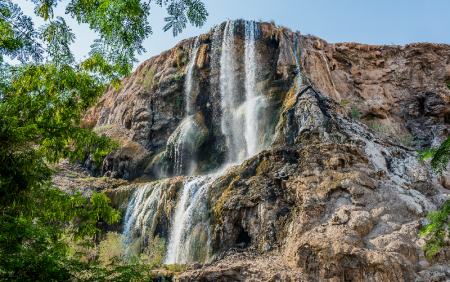
A chain of thermal waterfalls in a desert gorge below sea level, Ma'in Hot Springs has drawn bathers since antiquity — and appears on the sixth-century Madaba Map by name.
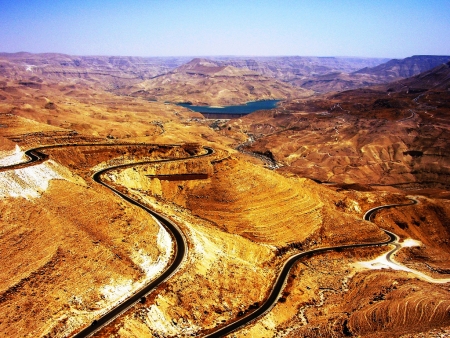
Mount Nebo is an elevated Mountain in Jordan, approximately 817 metres above sea level,.... Know More!
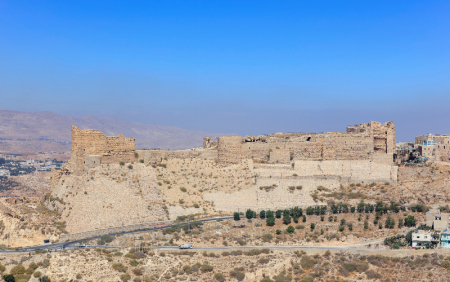
Built from the 1140s on a spur above the King's Highway, Kerak Castle is one of the largest Crusader fortresses in the Levant — and the setting for one of the strangest sieges in medieval history.
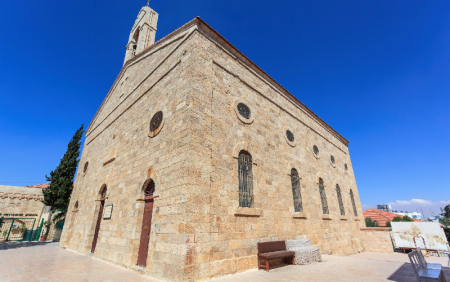
A working Greek Orthodox church in Madaba, Jordan, built in the 1890s over a Byzantine predecessor — and home to the sixth-century mosaic map of the Holy Land.

Mukawir (Machaerus) is an hour away and about 45 kms, away from Madaba on the Kings’ Highway. Know More !
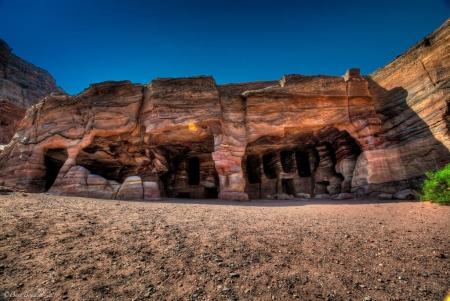
The Nabataeans (Nabateans) were an Arab people who lived in northern Arabia and the Southern Levant. They built the assumed capital city of Petra. Know more!
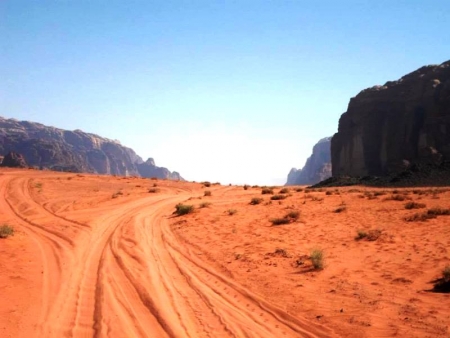
Lawrence of Arabia is a film directed by the global British director David Lean in 1962 and production of Sam Spiegel and starring Peter O'Toole role Lawrence.