Home
HomeEgypt Travel Guide
Get information about Egypt Travel and guided tours, tips you must know before visiting Egypt. Gain useful information about Nile cruises, Cairo, Alexandria, Desert, Red Sea, Golf, Luxor, and Aswan.
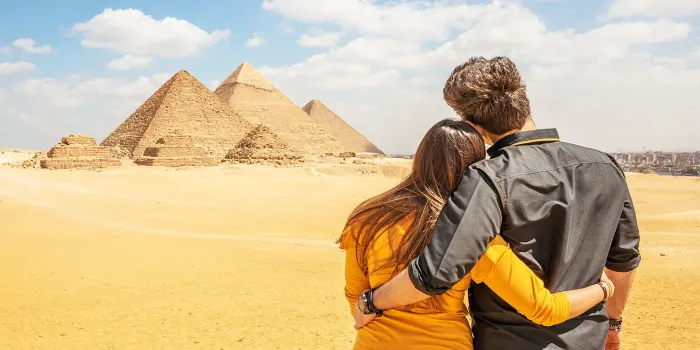
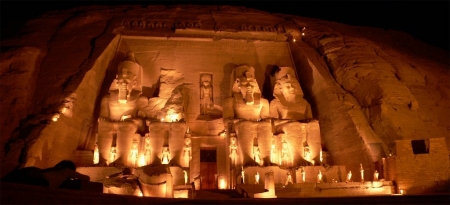
Know more General Informations About Egypt which may help you to plan your trip and spend a wonderful time.
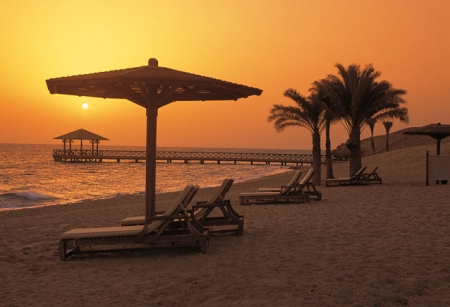
The Red Sea Coast and the Sinai Peninsula have an extraordinary abundance of ‘things to do’ to suit all tastes and ages!
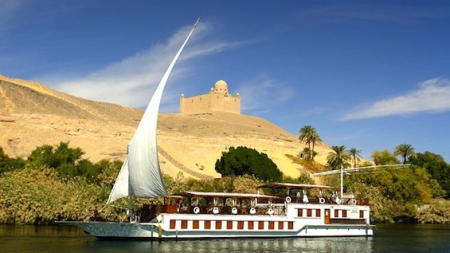
The wonderful cities of Egypt lie along those parts of the Nile valley . Know more about the cultural and historical sites of Ancient Egypt, The Nile Valley.
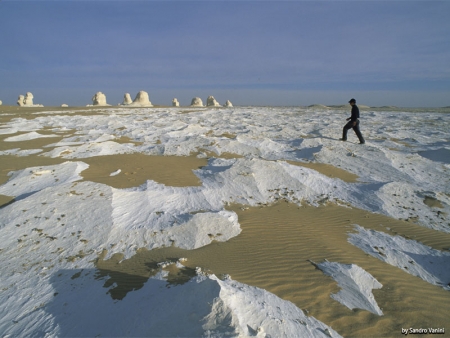
Ranging from area such as Fayoum to Bahariya Oasis with the White Desert, Farafra Oasis, Dakhla Oasis, Kharga Oasis, historical Siwa Oasis and more.
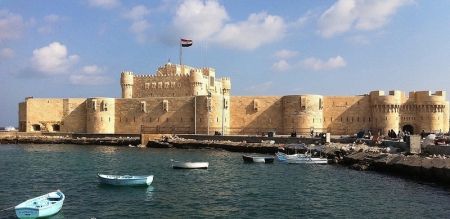
Many attractions and tours still remain in Alexandria such as the Ancient Catacombs, Old Citadel Fort of Qaitbey!
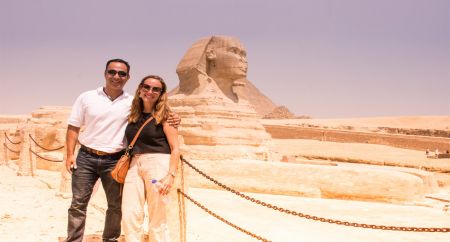
Know more about Attractions in and around Cairo. Pyramids of Giza, Khan El Khalili, The Egyptian Museum and More.
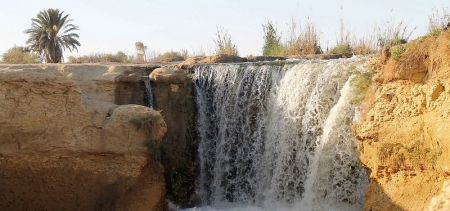
Fayoum is another one of Egypt’s ‘hidden gems’. A lovely city hosting 2 Pyramids, the beautiful Lake Qaroun and more!
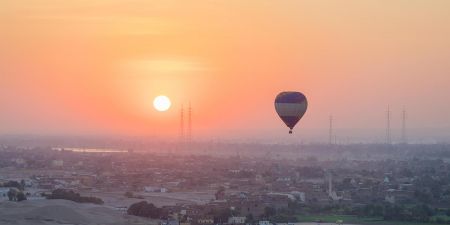
Known as the world’s largest ‘Open Air Museum’ for its sheer number of ancient sites and attractions!
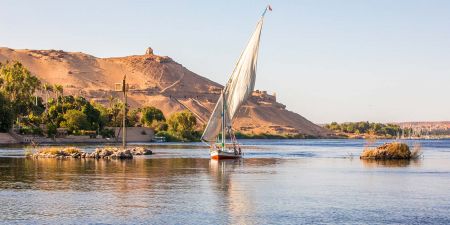
Aswan is unique in it’s own right having the wonderful Nubian culture of colour and history!
Frequently Asked Questions
Got questions? We’ve got answers. Find everything you need to know to plan your perfect trip.
Seven or eight days is the sweet spot for a first visit — enough for Cairo, Giza and a Nile cruise between Luxor and Aswan without feeling rushed. Ten to twelve lets you add Abu Simbel, Alexandria or a few days on the Red Sea. Under five days, be realistic: you're seeing Cairo and the pyramids, and that's fine, but Luxor won't fit.
October to April, if you can. The heat is manageable and you'll actually enjoy walking around the sites rather than counting down to the next shaded spot. Luxor and Aswan regularly top 40°C in summer — some people don't mind, but it does change how much you'll want to do each day.
Accommodation, private air-conditioned transfers, entrance fees to everything on the itinerary, and licensed Egyptologist guides at the major sites. Daily breakfast throughout, and lunch on most touring days. International flights are usually separate, which keeps the pricing clear and lets you fly from whichever UK airport suits you.
You can change almost anything. Extra nights in Cairo, a different hotel, a Red Sea extension, a private departure instead of a group one. And if nothing on the site quite fits what you're picturing, just tell us what you want — plenty of our Egypt trips start as a conversation rather than a booking.
Yes, if you're travelling on a UK passport. You can get one on arrival at the airport or apply in advance through the official e-visa system. Requirements do get updated from time to time, so it's worth a quick check closer to departure.
For the Luxor to Aswan stretch, the cruise wins comfortably. The temples sit right along the river, so you step off the boat and you're there — no long transfers, no hotel changes. The sailing between them is genuinely pleasant rather than dead time. Road travel makes more sense if you're basing yourself in one city.
Very much so. Small-group departures are popular with solo travellers — you get company without committing to anything social. Private itineraries work too if you'd rather set your own pace. Single supplements apply to private rooms either way.
For October to April, three to six months is sensible. Christmas, New Year and Easter go earliest. Summer is more relaxed, though Nile cruise cabins are always worth locking in sooner rather than later whatever month you're travelling.
No, and this trips a lot of people up. Abu Simbel is around 280 km south of Aswan, reached by road or a short flight as a separate excursion. It's a genuinely extraordinary place and most people who go say it was worth the early start — but plan it as an add-on, not something the cruise covers.
The main tourist areas — Cairo, Giza, Luxor, Aswan, the Red Sea resorts — are well established with a visible security presence, and the overwhelming majority of visitors have no issues at all. As anywhere, check current Foreign Office advice before you go, and listen to your local team once you're there.
Light, loose clothes that cover shoulders and knees — comfortable in the heat, and appropriate at mosques and churches. Women will want a scarf for head covering at religious sites. And proper closed shoes: the amount of walking on uneven ground surprises people every time.
Yes, and they're built differently — shorter touring days, more downtime, and the things kids actually remember. Camel rides, sailing on a felucca, the mummy rooms. Private travel tends to work better than group departures if you've got younger children, simply because you can stop when you need to.
A tour follows a published route with set inclusions — straightforward, and usually better value. Tailor-made starts from scratch with what you want: your dates, your interests, your pace. Same guides, same support, just built around you rather than the other way round.
It's one of our most popular combinations, and it works well — a short flight between Cairo and Amman, then Petra, the Dead Sea and Wadi Rum on the other side. The two countries complement each other rather than repeating each other. Several of our Egypt tour packages cover both.
Our teams are based in Egypt, not in a call centre somewhere else, and someone is reachable 24/7 throughout your stay. If a timing needs shifting or something isn't right, it's handled by people who are twenty minutes away rather than five time zones.
Some sites are genuinely hard work — the Valley of the Kings and the Giza plateau involve steps and uneven ground, and we'd rather say so upfront. Others are much more manageable, including the Grand Egyptian Museum and most of a Nile cruise. Tell us what you're working with and we'll give you an honest picture of what's realistic.
Yes — licensed Egyptologists, formally qualified and registered with the Egyptian Ministry of Tourism. It makes more difference than you'd think. There's a real gap between someone who can explain why a tomb was decorated the way it was and someone reading the information board aloud.
Often. The usual shape is history first — Cairo, a Nile cruise — then several days at Hurghada or Sharm El Sheikh doing very little. Room upgrades and private arrangements can be built in wherever you'd like them.
Absolutely, as long as the route matches the time. Four or five days around Cairo, Giza and the Grand Egyptian Museum works nicely. Stretching that to include Luxor means most of your days go on travel, which isn't much of a break.
Pace is the thing to get right. We'd usually suggest fewer sites per day, an early start to beat the heat, and a Nile cruise rather than road transfers between Luxor and Aswan. Plenty of our travellers are in their seventies and eighties — it just needs planning properly rather than squeezing everything in.
Discover More About Egypt
Explore unique stories, insider tips, and must-see spots to make the most of your visit.