
 Home
Home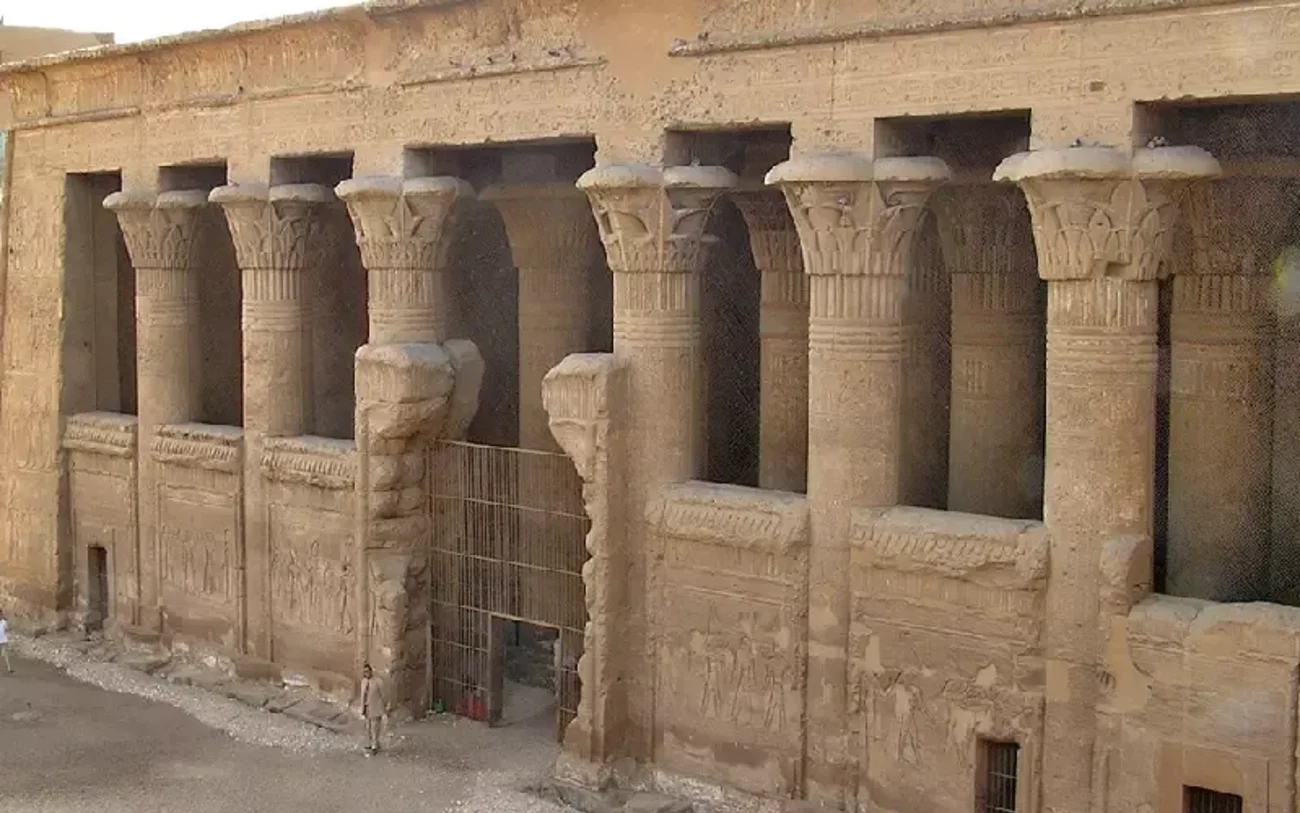
The Temple of Khnum at Esna is a significant yet often overlooked monument from Upper Egypt’s Greco-Roman era. Its construction began in the 3rd century BCE under Ptolemy VI and continued through successive rulers, each adding new elements to the sacred complex. Dedicated to the ram-headed creator god Khnum, the temple once stood at the heart of ancient Latopolis and symbolized themes of creation, fertility, and the Nile’s annual flood. Major contributions came from Ptolemaic rulers such as Ptolemy VIII and Ptolemy XII, while Roman emperors Augustus and Tiberius later expanded and decorated the structure. The temple’s most striking feature is its impressive hypostyle hall, supported by 24 massive columns topped with uniquely designed capitals, reflecting centuries of artistic and religious development.
The Temple of Khnum at Esna is a remarkable example of ancient Egyptian architecture that evolved over centuries. It was primarily built during the Greco-Roman period, with construction beginning in the 3rd century BCE under Ptolemy VI and continuing through the Roman era. The temple showcases the endurance of Egyptian religious traditions through political transitions.
The Historical Evolution of the Temple of Esna
The architectural history of the Temple of Khnum spans multiple dynasties and preserves layers of Egypt’s religious past. While the surviving structure chiefly belongs to the Ptolemaic and Roman eras, its origins stretch much deeper. Esna’s temple is one of only six major temples to survive from the Graeco-Roman Period, alongside Philae, Kom Ombo, Edfu, Dendara, and Athribis.
Construction under Ptolemy VI
Formal construction began under Ptolemy VI Philometor in the 2nd century BCE, though the site’s sacred past goes back to the New Kingdom. Archaeological evidence suggests that Tuthmosis III founded earlier religious buildings here during the 18th Dynasty. The naos, or inner sanctuary, was built by Ptolemy V and decorated by Ptolemy VI with contributions from Cleopatra II. These foundations formed the earliest phase of the temple layout.
Excavations by the Supreme Council for Archaeology later revealed additional Ptolemaic structures behind the current temple, confirming Esna’s long-standing religious importance. The oldest visible part of the temple today—the back wall of the hypostyle hall—was originally the façade of the earlier Ptolemaic temple.
Additions by Ptolemy VIII and Ptolemy XII
Successors to Ptolemy VI expanded the temple significantly. Reliefs on the west wall show Ptolemy VIII Physcon, demonstrating his involvement in its development. Ptolemy III Euergetes—renowned for restoring Upper Egyptian temples—also contributed, shown in inscriptions with symbols of kingship such as a tame lion and bound enemies. Ptolemy V Epiphanes left his name on one of the temple doorways, while Ptolemy XII added vivid reliefs and inscriptions that blended traditional Egyptian style with subtle Hellenistic influences. These contributions enriched the temple’s artistic program while preserving Egyptian architectural identity.
Roman Contributions by Augustus and Tiberius
After Egypt fell to Rome in 30 BCE, the temple entered a flourishing new phase. Roman emperors, beginning with Augustus, continued to build in the traditional Egyptian manner while incorporating Roman stylistic elements. The majestic hypostyle hall—constructed from the early Roman period through the reign of Claudius—stands as the temple’s most impressive surviving feature and bears a dedication to Vespasian.
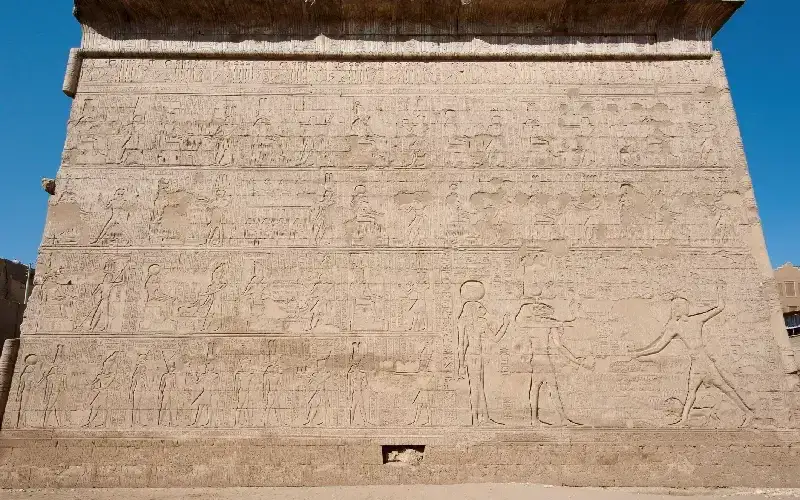
Decoration continued for nearly two centuries. Reliefs depict emperors such as Trajan and Domitian, and the temple preserves some of the last hieroglyphs carved in Egypt, including inscriptions from Decius’s reign and faint traces of Geta’s name. These later phases show the persistence of Egyptian religious tradition under Roman rule, supported by imperial funding that maintained large-scale construction. This final stage of the temple blends deeply rooted Egyptian symbolism with Roman imperial artistry.
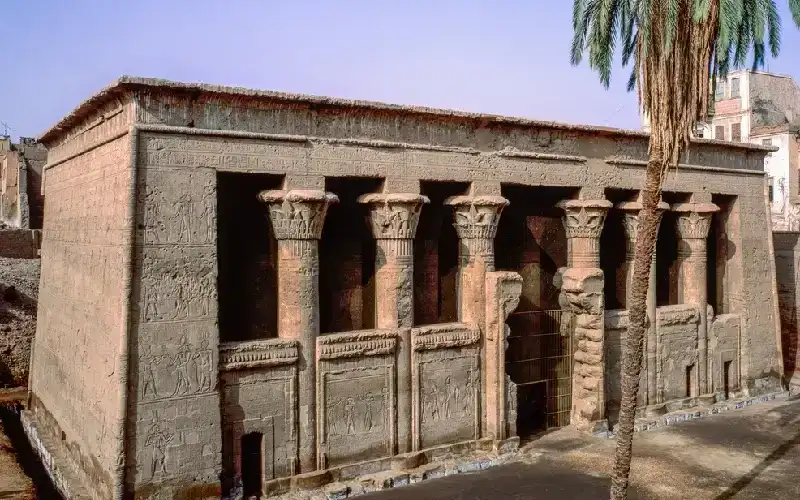
Although the temple was never truly “lost,” much of it remained buried under centuries of silt and urban buildup until the 19th century. This natural coverage protected its carvings from erosion and human damage. Modern cleaning and restoration projects have since revealed vibrant colors and exceptionally sharp reliefs, making it one of the best-preserved temples from the Greco-Roman period.
While the temple preserves traditional Egyptian religious design, several aspects—such as inscriptions dedicating the structure to Roman emperors and the stylistic treatment of certain reliefs—reflect Roman patronage. Names of emperors like Claudius, Trajan, and Vespasian appear throughout the building, showing how Roman rulers adopted Egyptian temple culture to legitimize their power in the region.
Khnum’s Divine Role in Egyptian Belief
Khnum is one of the oldest and most enduring Egyptian gods—revered as a creator, a guardian of the Nile, and a protector in the afterlife. At Esna, his cult flourished because of these multifaceted roles.
Creation of Humans from Clay
Central to Khnum’s identity is his portrayal as a divine potter who shapes humans from Nile clay on his potter’s wheel. Unlike other creator gods, Khnum formed both the physical body and the ka, the spiritual essence. Reliefs in the temple show him crafting humans alongside the goddess Heqet, who breathes life into the newborn. This imagery linked Khnum directly to fertility, childbirth, and the shaping of destiny, prompting expectant mothers to seek his protection.
Control over the Nile’s Floodwaters
Khnum also governed the Nile’s annual inundation, the foundation of Egypt’s agricultural success. Temple inscriptions refer to him as “Lord of the cool waters,” placing him at the source of the river near Elephantine. Egyptians believed he controlled the caverns from which the Nile emerged, regulating the life-giving flood. The temple’s riverside location reinforced this cosmological association.
Throughout history, priests performed rituals to honor Khnum at the start of the flood season, seeking balanced water levels. Texts at Esna also link him to rainfall and irrigation, broadening his influence over all water essential to agriculture. Because Egypt’s stability depended on successful harvests, Khnum’s role held both spiritual and political importance.
Association with the Afterlife
Khnum’s creative powers extended into afterlife beliefs. Egyptians believed he could re-form bodies after death, granting renewal through his mastery over creation. His connection to the primordial waters of Nun deepened this relationship with rebirth. Associations with Ra’s nightly journey through the underworld further emphasized his role in cosmic regeneration. This broad range of responsibilities ensured Khnum’s worship endured through both Ptolemaic and Roman rule.
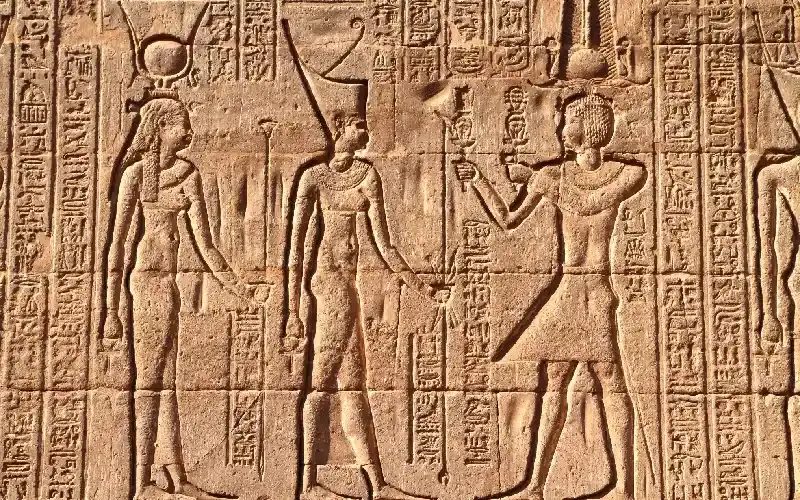
Khnum was a significant deity in ancient Egyptian religion, portrayed as a ram-headed god. He was associated with creation, believed to shape humans on a potter's wheel, and controlled the Nile's floodwaters. Khnum was also linked to fertility and the afterlife, making him a multifaceted and crucial figure in Egyptian theology.
Customize Your Dream Vacation!
Get in touch with our local experts for an unforgettable journey.
Plan Your Trip
Symbolism in the Temple’s Design
The Temple of Khnum is rich in symbolic imagery that reflects Egyptian theology and ritual practice. Its decoration forms a coherent visual language that connected the physical structure to cosmic and divine forces.
Ram-Headed Imagery and Fertility Motifs
Khnum’s ram-headed form appears throughout the temple—on columns, reliefs, processional routes, and ceremonial areas. These depictions feature the curved horns of the sacred ram and often include the hemhem crown symbolizing royal supremacy. Within the hypostyle hall, this imagery is paired with symbols of fertility such as lotus and papyrus plants, scenes of agricultural abundance, and depictions of purification rituals with female fertility goddesses. These motifs highlight Khnum’s control over the inundation and his life-giving powers. Their placement along festival pathways underscores their ritual significance.
Zodiac and Cosmic Alignment
Astronomical symbolism also plays a role in Esna’s temple. Ceiling decorations include star charts, constellations, and cosmic motifs used for tracking seasonal changes. The temple’s orientation aligns with solar events, allowing sunlight to enter the sanctuary during specific times of the year. This design reinforced the principle of Ma’at—cosmic order—and symbolized the pharaoh’s responsibility to maintain harmony between heaven and earth. Through these astronomical components, the temple functioned as a microcosm of the universe.
Depictions of Neith and Satet
Khnum’s divine triad at Esna included Neith and Satet. Neith’s symbols of crossed arrows and shield emphasize her protective and creative roles, complementing Khnum’s powers. Satet, associated with the inundation and Elephantine, appears wearing the white crown with antelope horns in purification scenes. Together, the triad represented creation, protection, and sustenance—central pillars of Egyptian cosmology.
The ceiling contains richly detailed zodiac signs, star charts, and representations of constellations used by ancient Egyptian priests for ritual timing. These astronomical scenes show how the Egyptians blended religious symbolism with celestial observations. Visitors today can still see newly uncovered colors that highlight planets, deities, and cosmic patterns.
Cultural Significance of Esna (Latopolis)
Ancient Esna developed into a vibrant religious and commercial center. Its location—50 kilometers south of Thebes—gave it access to strategic trade and travel routes that shaped its identity over centuries.
Why Greeks Called It Latopolis
The Greek name Latopolis, meaning “City of the Nile Perch,” reflects the sacred status of the Nile perch (Lates niloticus), associated with the goddess Neith. This renaming illustrates the blending of Greek and Egyptian cultures during the Ptolemaic period. The fish symbol, often shown alongside Neith in temple art, further reinforced this connection.
Worship of the Nile Perch
Archaeological evidence reveals that the Nile perch was so sacred in Esna that it had its own cemetery where mummified fish were buried as votive offerings. Consumption of the fish was prohibited, emphasizing its sanctity. The practice of catching Nile perch for ritual mummification demonstrates how religious and economic activities intertwined in ancient Egyptian society.
Esna as a Religious and Trade Hub
Esna thrived due to its position at the crossroads of major commercial routes, linking the Indian Ocean with African caravan roads such as the Darb El-40. During the Roman period, bustling markets like Al-Qīsāriyya offered a wide range of goods. The town was also famous for its linen production. The 18th-century Wekala building attests to Esna’s long-lasting role as a commercial powerhouse that connected traders from the desert and the Red Sea.
The Temple’s Legacy in Modern Egyptology
The Temple of Khnum at Esna stands as compelling evidence of Egypt’s religious resilience through dramatic political changes. It showcases centuries of devotion to Khnum—the creator of life, guardian of the Nile, and protector in the afterlife—and demonstrates how each ruling power from Ptolemy VI to Emperor Decius contributed to its preservation.
Its hypostyle hall and the presence of some of the last hieroglyphs carved in Egypt make the temple a vital source for studying the final phases of ancient Egyptian artistic and religious expression. Symbolically, the temple served as a cosmic model with its ram imagery, fertility motifs, and astronomical alignments. The divine triad of Khnum, Neith, and Satet emphasized the interwoven themes of creation, protection, and sustenance.
Esna itself, thriving at the intersection of major trade routes, played an essential role in sustaining the economic and cultural life that supported the temple. Together, the temple and the city provide profound insight into how Egyptian civilization adapted to foreign rule while preserving its fundamental identity across millennia.
Visitors to the Temple of Khnum can marvel at its impressive hypostyle hall with 24 massive columns, each topped with uniquely decorated capitals. The temple also features intricate wall reliefs, astronomical symbols, and some of the latest known hieroglyphic inscriptions in Egypt, dating to the 3rd century CE.
Esna, known as Latopolis to the Greeks, was a significant religious and trade hub in ancient Egypt. It was strategically located at the intersection of major trade routes, connecting the Indian Ocean trade to sub-Saharan Africa. The city was also known for its worship of the Nile perch and as a center for textile production.
The Temple of Khnum provides valuable insights into the evolution of Egyptian religious architecture and artistic styles from the Ptolemaic to the Roman period. It demonstrates how Egyptian traditions persisted under foreign rule and offers a window into the complex symbolism and cosmic beliefs of ancient Egyptian religion. The temple's inscriptions and decorations also contribute to our knowledge of hieroglyphic writing in its final stages.
The Temple of Khnum was the heart of Esna’s annual festivals celebrating the Nile’s inundation. Priests carried the cult statue of Khnum along processional routes decorated with fertility symbols carved into the walls. Rituals performed here were believed to ensure abundant waters, good harvests, and cosmic balance for the coming year.
Yes. Recent restoration efforts removed layers of soot, dust, and bird droppings that obscured the original paintwork. Visitors can now see brilliant blues, greens, reds, and yellows that once covered the entire hypostyle hall. These vivid pigments provide a rare opportunity to experience an Egyptian temple much closer to how it looked in antiquity.
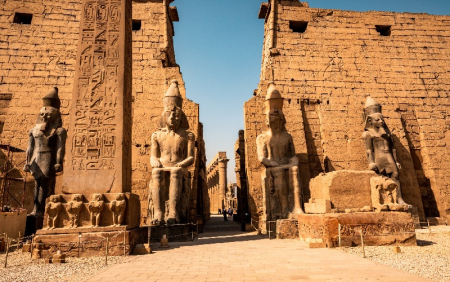
Luxor Temple, built by Amenhotep III and expanded by Ramses II, is a breathtaking New Kingdom monument dedicated to the renewal of kingship. Located on Luxor’s east bank, it stands as one of Egypt's most iconic sanctuaries, celebrated for its grand pylons, colossal statues, and deep religious significance.
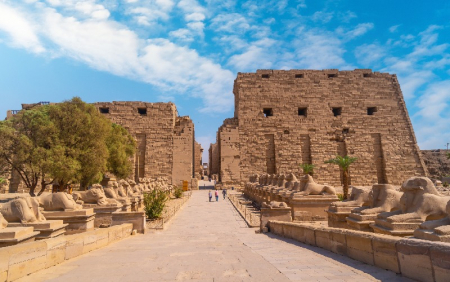
Karnak Temple in Luxor is an iconic ancient Egyptian complex, showcasing grand architecture, rich history, and the spiritual and political legacy of Thebes across nearly 2,000 years of construction.
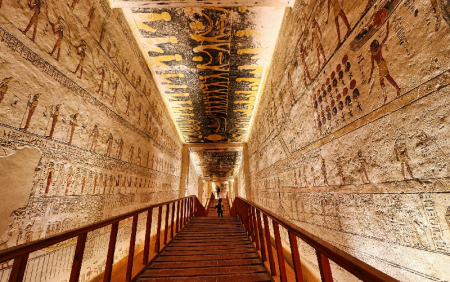
The Valley of the Kings is Egypt’s legendary royal necropolis, featuring 65 tombs of New Kingdom pharaohs, remarkable engineering, and world-famous discoveries like Tutankhamun’s burial.
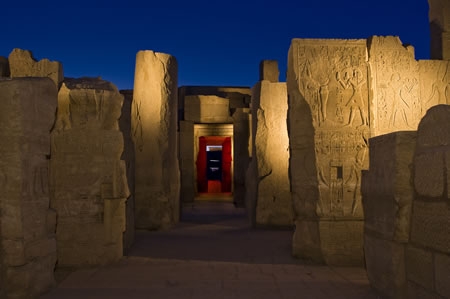
The Karnak Sound and Light Show transforms the vast temple complex into a magical nighttime spectacle, combining illuminated monuments, music, and storytelling to bring ancient Egyptian history vividly to life.
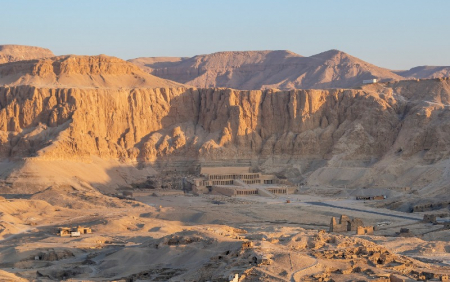
Discover the Valley of the Queens in Luxor, Egypt, with royal tombs, stunning art, and UNESCO heritage significance.
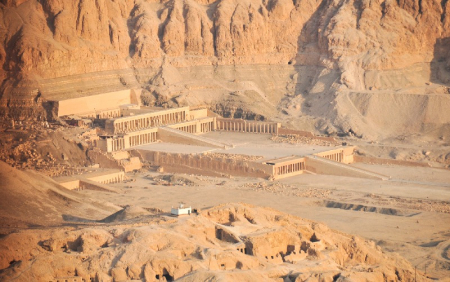
The Temple of Hatshepsut is a breathtaking 18th-Dynasty mortuary temple at Deir el-Bahari, famed for its grand terraces, cliffside design, and historical significance.
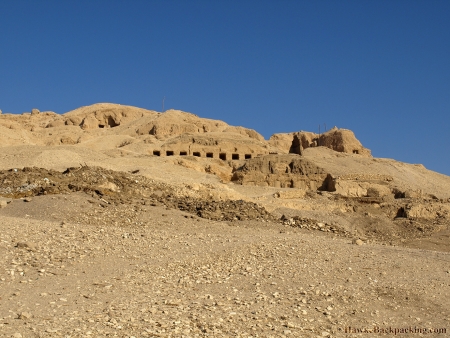
Explore the Valley of the Nobles in Luxor and learn how its 400+ tombs reveal vivid scenes of daily life and remarkable artistry from ancient Egypt’s New Kingdom.
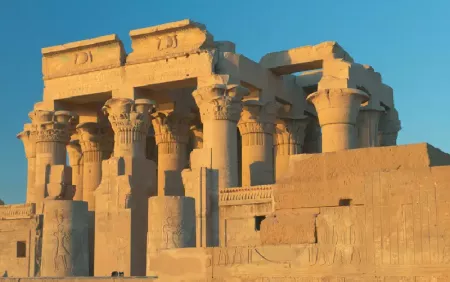
Kom Ombo Temple—Egypt’s remarkable twin sanctuary honoring Sobek and Haroeris, famed for its perfect symmetry and sacred crocodile traditions.
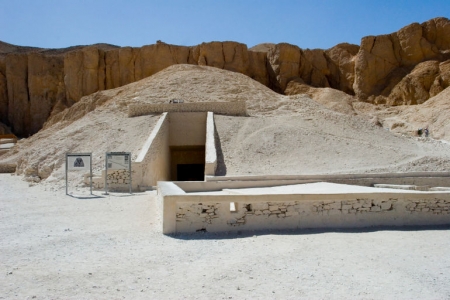
Tutankhamun’s tomb revealed over 5,000 stunning treasures, from gold chariots to the iconic mask, reshaping our understanding of ancient Egypt after its discovery in 1922.

Dendera Temple, 60km from Luxor, is Egypt's remarkably preserved healing sanctuary for Hathor. Explore vivid colors, hidden crypts & ancient astronomical knowledge.
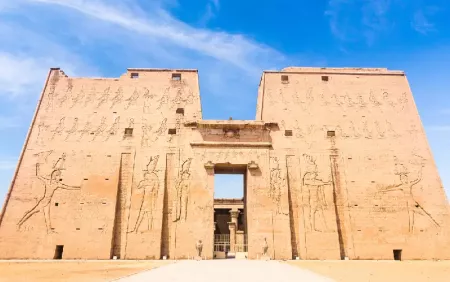
The Temple of Edfu, buried for centuries, is one of Egypt’s best-preserved temples—offering a vivid look into Ptolemaic religion, mythology, and architecture.
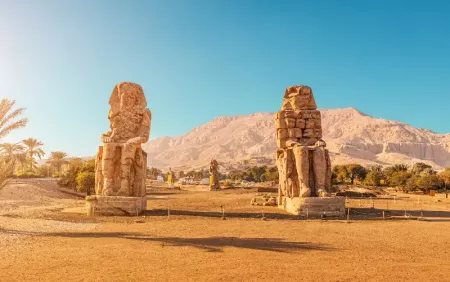
The Colossi of Memnon are 18-meter statues of Amenhotep III, once famed for their mysterious dawn “singing,” which captivated ancient visitors and inspired over a hundred inscriptions.
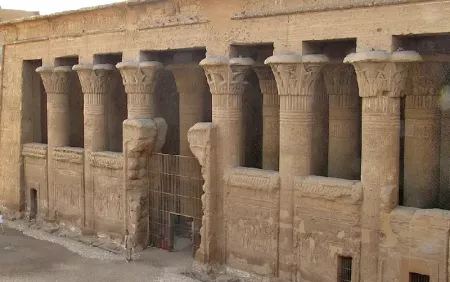
The Temple of Khnum at Esna, built from the Ptolemaic to Roman periods, features a stunning hypostyle hall with 24 ornate columns and reflects centuries of devotion to the creator god Khnum.
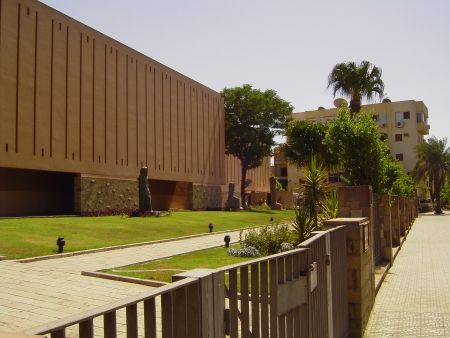
Luxor’s Mummification Museum offers an immersive look at ancient embalming methods, displaying tools, human and animal mummies, and the notable mummy of Masaharta.
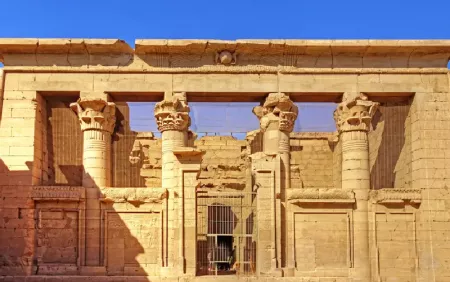
Kalabsha Temple, built under Emperor Augustus, was rescued from rising Nile waters in the 1960s and relocated block by block to New Kalabsha Island. Today, it remains a key UNESCO-recognized Nubian monument.
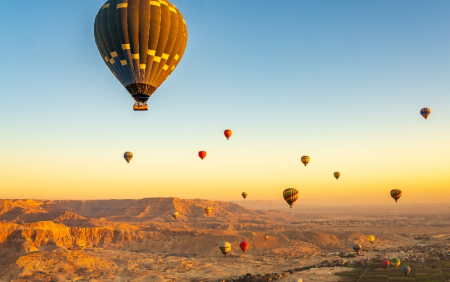
Soar above Luxor at sunrise in a hot air balloon and witness ancient temples, the Nile, and royal necropolises from the sky. This unforgettable experience offers breathtaking views and a unique perspective on Egypt’s timeless heritage.
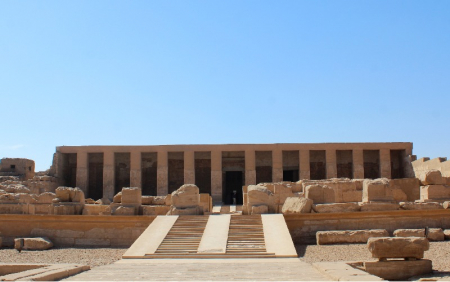
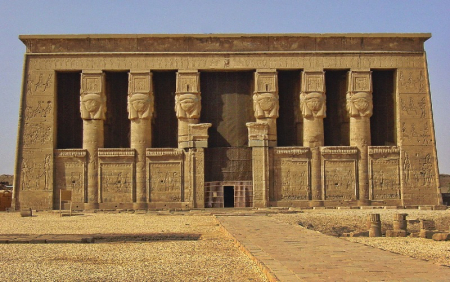
Explore the Temple of Hathor at Dendera, a remarkably preserved ancient Egyptian sanctuary dedicated to the goddess of love, music, and healing, renowned for its zodiac, vibrant reliefs, and astronomical ceilings.
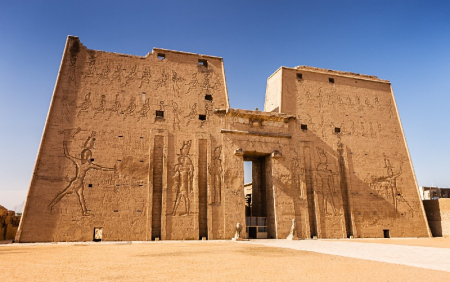
Visit the Temple of Horus at Edfu, a remarkably preserved Ptolemaic temple showcasing ancient Egyptian rituals, art, and architecture.
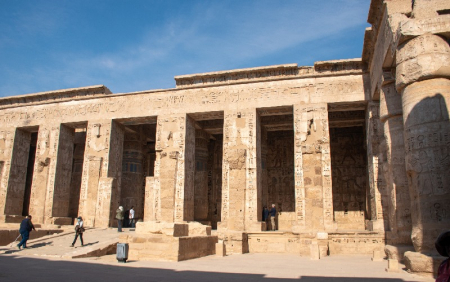
Explore Medinet Habu, Ramesses III’s temple, where history, religion, and artistry come alive on Luxor’s West Bank.
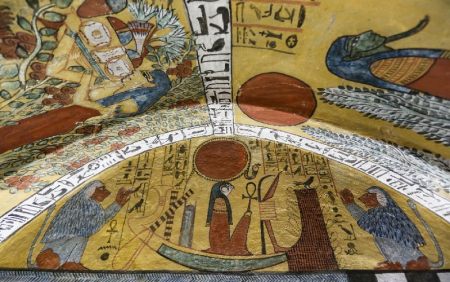
Deir el-Medina was home to the elite artisans who built and decorated Egypt’s royal tombs. Discover their homes, work, religion, and extraordinary daily life.
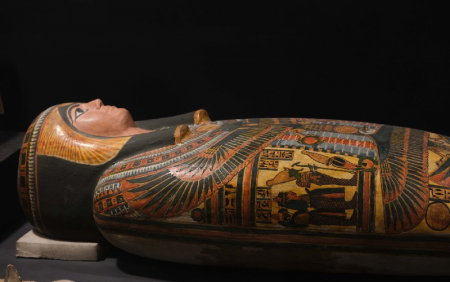
The Mummification Museum in Luxor showcases ancient Egyptian embalming, mummies, and artifacts, including Masaharta’s preserved remains and mummified animals.
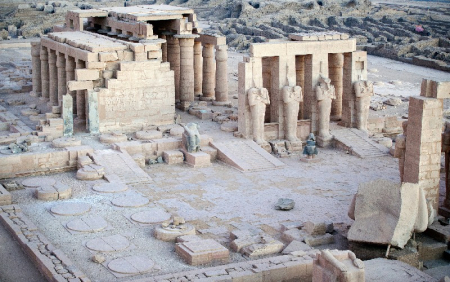
Discover the Mortuary Temple of Amenhotep III, once the largest in Thebes, famed for the Colossi of Memnon and ongoing restorations in Luxor.