Home
Home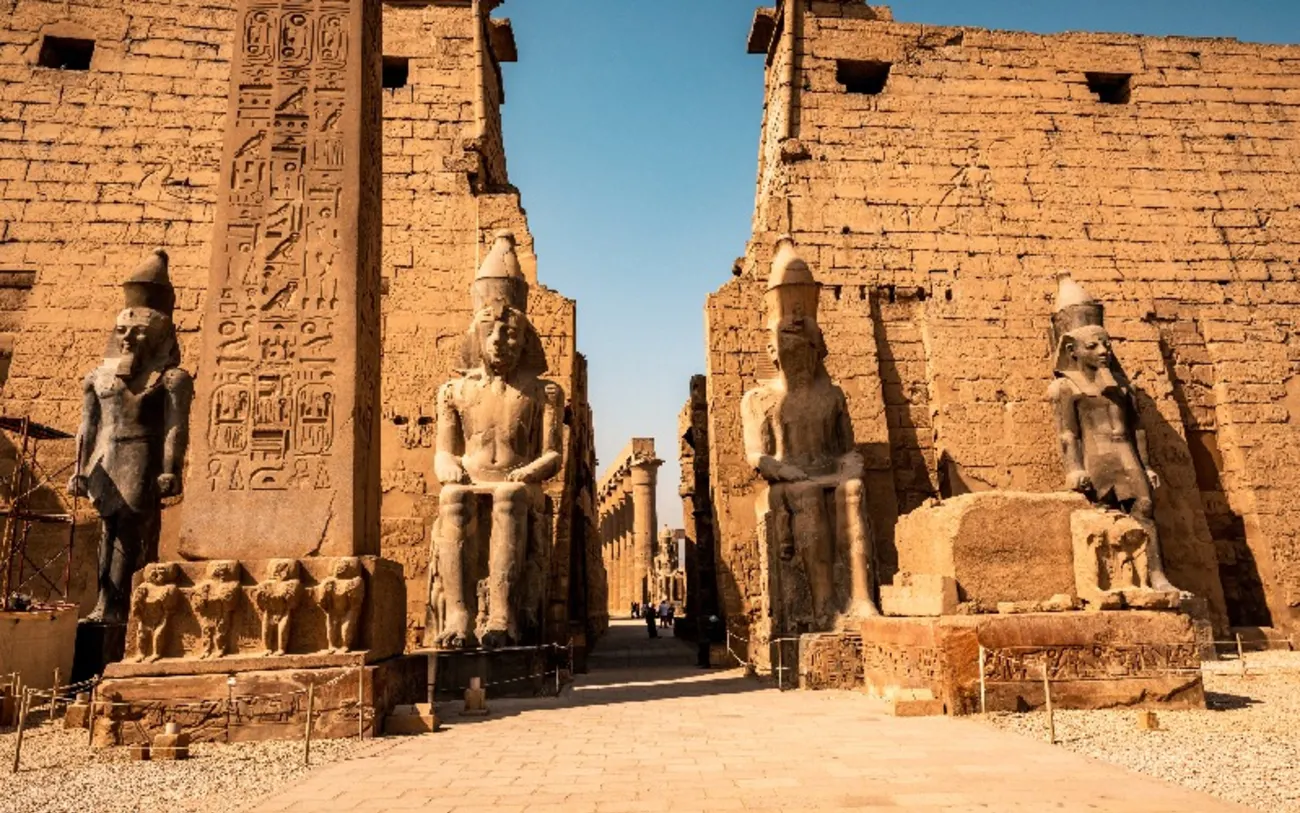
Nestled on the east bank of the Nile in Luxor, the Luxor Temple stands as one of ancient Egypt’s most iconic religious monuments. With its soaring columns, grand statues, and enduring inscriptions, it remains a testament to the architectural brilliance and spiritual depth of the New Kingdom civilization.
Known in antiquity as Ipet Resyt (“the Southern Sanctuary”), Luxor Temple was dedicated to the Theban Triad—Amun, Mut, and Khonsu. However, unlike many temples built for the worship of a specific deity or a deceased king, Luxor Temple served a unique purpose: the ritual renewal of kingship. It symbolized divine authority, legitimizing each pharaoh’s rule.
Constructed primarily by Amenhotep III in the 14th century BC and expanded by rulers such as Tutankhamun and Ramses II, the temple evolved through centuries of religious and political change. Its resilience and exceptional preservation earned it a place as part of the UNESCO World Heritage Site of ancient Thebes. Today, Luxor Temple continues to captivate scholars, travelers, and history enthusiasts, offering insight into Egypt’s architectural mastery and enduring cultural heritage.
Historical Overview of Luxor Temple
The foundation of Luxor Temple was laid during the reign of Amenhotep III (c. 1400 BC), one of the most prolific builders of the New Kingdom. Intended as a ceremonial center for Amun-Ra, the temple played a pivotal role in the annual Opet Festival—an event celebrating the pharaoh’s divine renewal.
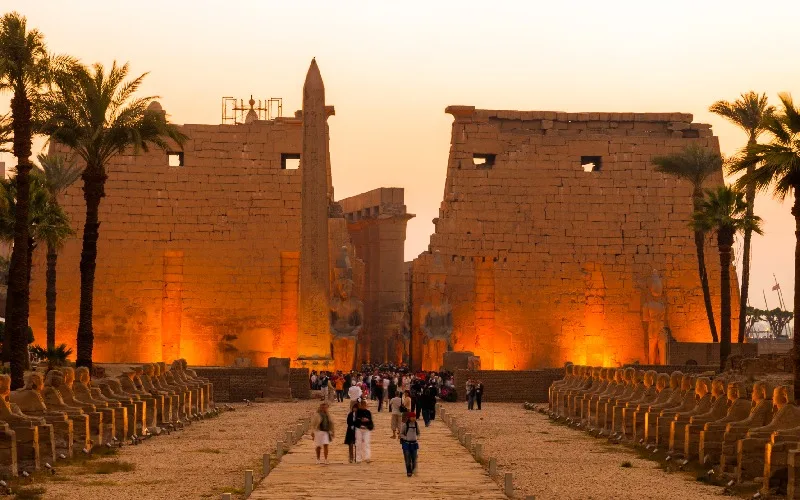
Later pharaohs contributed to the temple’s grandeur. Tutankhamun restored certain decorations, Horemheb added reliefs, and Ramses II dramatically expanded the complex by constructing the massive first pylon, installing colossal seated statues of himself, and extending the avenue of sphinxes linking Luxor Temple to Karnak.
During the Roman period, the temple underwent another transformation. Elements were incorporated into a Roman military camp, and later a church was established within the complex—illustrating the site’s capacity to adapt across eras. This long history of reuse highlights Luxor Temple’s significance across different cultures, religions, and political landscapes.
Architectural Features of Luxor Temple
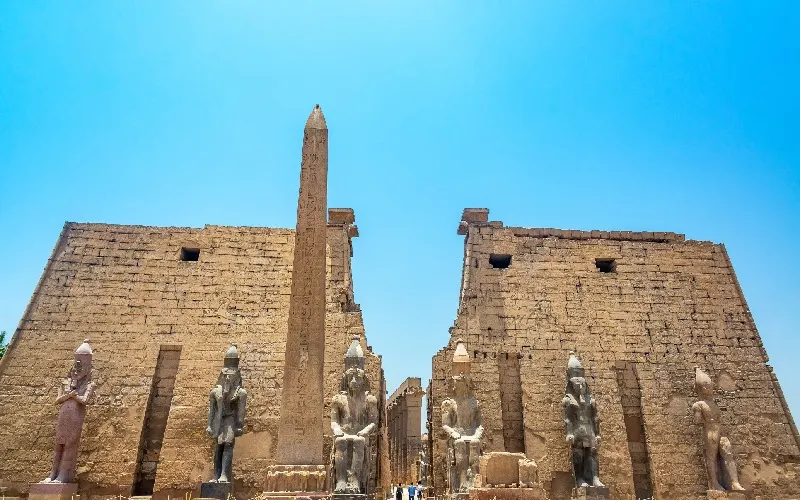
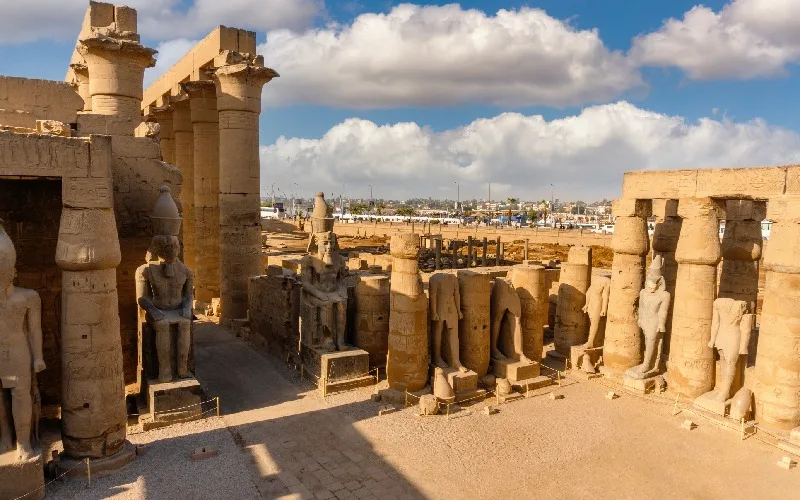
Luxor Temple is a masterpiece of monumental architecture, famous for its harmonious layout, colossal sculptures, and ornate reliefs. The entrance, marked by the towering pylon of Ramses II, once featured two obelisks—one of which now stands in Paris. Flanking the pylon are enormous seated statues of Ramses II, setting a dramatic tone for the complex.
The Court of Ramses II is adorned with statues and embraced by elegant papyrus-bundle columns. These columns, with their detailed carvings, depict the pharaoh in religious and ceremonial scenes, conveying messages of divine power and royal legitimacy.
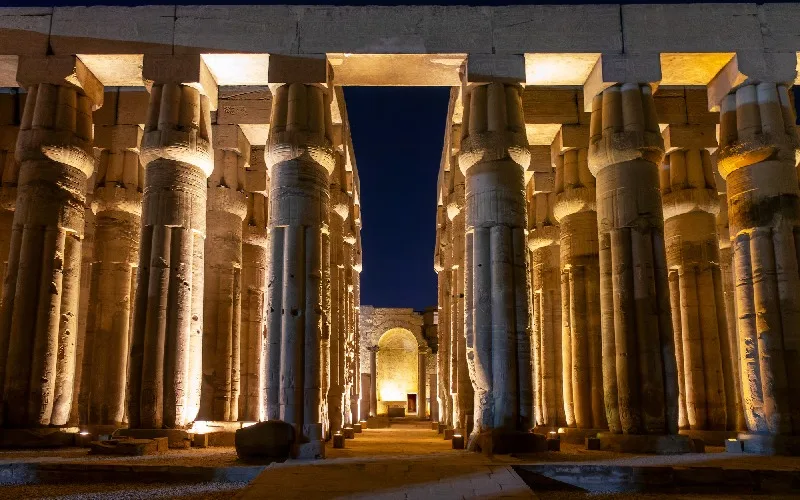
The colonnade of Amenhotep III—one of the temple’s most iconic features—consists of fourteen monumental columns over 15 meters high. Beyond this lies the Great Hypostyle Hall, a space filled with massive pillars that create an atmosphere of solemnity and grandeur.
Further inside, sanctuaries and chapels dedicated to Amun, Mut, and Khonsu reflect the complex spiritual rituals carried out here. Every wall, column, and statue bears engravings that record religious ceremonies, royal events, and mythological narratives—making Luxor Temple a living archive of ancient Egyptian culture.
Customize Your Dream Vacation!
Get in touch with our local experts for an unforgettable journey.
Plan Your TripThe Cultural Significance of Luxor Temple
Luxor Temple was a spiritual nucleus of ancient Thebes, embodying the connection between pharaohs and the gods. Its most important role was during the Opet Festival, when statues of the Theban Triad were transported from Karnak to Luxor in an elaborate procession. This ritual celebrated fertility, renewal, and the divine nature of kingship.
Beyond its religious functions, Luxor Temple played a significant role in the social life of ancient Egyptians. The Opet Festival unified communities, bringing together people from all social classes for feasting, music, and celebration. The temple’s rich decoration and monumental scale also reinforced cultural narratives of power, mythology, and cosmic order.
Today, Luxor Temple continues to inspire artists, writers, and historians worldwide. Its imposing architecture and rich symbolism make it one of Egypt’s most revered cultural icons.
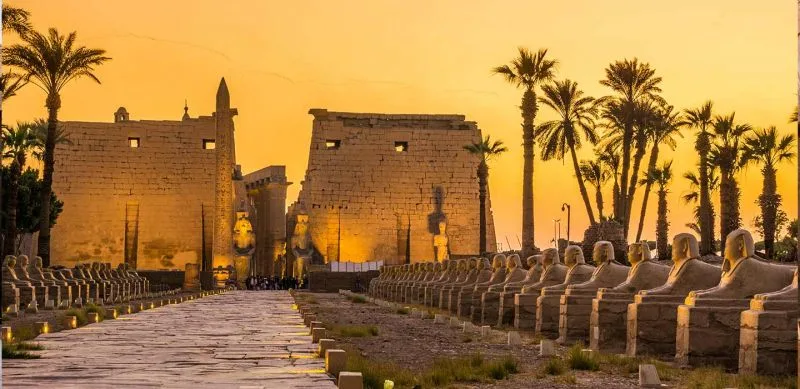
Luxor Temple stands out because it wasn’t dedicated to a specific god or a deceased pharaoh. Instead, it served as the ceremonial center for the renewal of kingship, reinforcing the divine authority of Egypt’s rulers.
Archaeological Discoveries at Luxor Temple
Archaeological work at Luxor Temple has revealed invaluable insights into ancient Egypt. Excavations have uncovered:
- Caches of statues representing gods, pharaohs, and priests
- Inscriptions detailing historical events and religious ceremonies
- Fragments of architectural elements that shed light on construction techniques
One of the most important discoveries is the group of statues found in the temple courtyard in 1989, including beautifully carved depictions of deities and rulers. These statues testify to the skill of ancient craftsmen and the temple’s religious importance.
Inscriptions related to the Opet Festival provide detailed accounts of processions, offerings, and rituals, allowing modern researchers to reconstruct aspects of ancient Egyptian religious life.
Ongoing excavations continue to uncover new layers of history, enriching our understanding of Luxor Temple’s evolution and significance.
Luxor Temple in Ancient Egyptian Religion
Luxor Temple held a unique place within Egypt’s religious landscape. It was not just a sanctuary for worship but a ceremonial center that emphasized the divine nature of kingship. The temple’s close association with Amun-Ra, the chief deity of Thebes, made it integral to the spiritual symbolism of the pharaoh as the gods’ earthly representative.
The rituals conducted at Luxor Temple, especially during the Opet Festival, reinforced the pharaoh’s legitimacy and strengthened the bond between divine and human realms. Reliefs throughout the temple depict offerings, prayers, and coronation imagery, reflecting ancient beliefs about divine rule and cosmic harmony.
Unlike other temples dedicated solely to gods, Luxor Temple emphasized the king’s role within the divine order—a purpose that sets it apart in Egyptian religious architecture.
The temple was primarily constructed by Amenhotep III around 1400 BC. Later, rulers like Tutankhamun, Horemheb, and Ramses II added significant architectural elements and inscriptions.
The Role of Luxor Temple in Modern Tourism
Today, Luxor Temple is one of Egypt’s most visited archaeological sites. Its location in the center of Luxor makes it easily accessible, and its dramatic evening illumination offers one of the most enchanting experiences in Egypt.
Visitors explore the grand colonnades, statues, and chapels while learning about the rituals and pharaohs who shaped the temple. The site’s prominence contributes significantly to Luxor’s economy, supporting local businesses, guides, and heritage programs.
Sustainable tourism initiatives, including conservation-based visitor management, ensure that the temple remains preserved while continuing to welcome millions of global travelers each year.
Preservation Efforts for Luxor Temple
Preserving Luxor Temple requires constant attention due to environmental pressures, urban growth, and the impact of tourism. Conservation teams focus on stabilizing structural elements, protecting reliefs from erosion, and preventing groundwater damage.
Modern techniques such as:
- 3D digital mapping
- Laser scanning
- Environmental monitoring systems
help researchers document the temple’s condition and develop long-term preservation strategies.
Partnerships between Egyptian authorities, UNESCO, and international institutions provide essential funding and expertise. Community engagement and educational initiatives also raise awareness of the temple’s importance, encouraging local stewardship and sustainable tourism practices.
Future of Luxor Temple and Ongoing Research
sphinxes
The future of Luxor Temple lies in continued research and responsible preservation. Innovative technologies—including remote sensing, geophysical surveys, and digital reconstructions—are uncovering previously unknown aspects of the site.
Ongoing work aims to:
- reveal hidden structures beneath the temple
- further document inscriptions and artworks
- better understand the temple’s role in ancient urban planning
- trace its connections to Karnak Temple and the Avenue of Sphinxes
Collaborative research among archaeologists, historians, and engineers ensures that Luxor Temple remains at the forefront of Egyptological study.
Luxor Temple stands as a timeless monument to ancient Egypt's architectural brilliance, religious complexity, and artistic mastery. Its significance — spanning pharaonic, Roman, Christian, and modern eras — illustrates its unparalleled historical depth.
As efforts continue to preserve and study this extraordinary temple, its legacy endures as a source of knowledge, inspiration, and wonder. Whether experienced in person or through ongoing research, Luxor Temple invites us to explore the rich heritage of one of humanity's greatest civilizations.
Those wishing to witness Luxor Temple firsthand can visit it on a day tour to Luxor, taking in the temple alongside Karnak, the Valley of the Kings, and other iconic landmarks in a single unforgettable day. For a deeper exploration of the Nile Valley, the Nile Cruise to Aswan and Luxor offers an immersive journey through Egypt's greatest ancient sites at a more leisurely pace.
During the Opet Festival, statues of Amun, Mut, and Khonsu were carried in a grand procession from Karnak to Luxor Temple. This ritual renewed the pharaoh’s divine power and strengthened the bond between the gods and the monarchy.
The temple adapted through time: Romans converted parts of it into a fortress and chapel, and early Christians built a church within its walls. This highlights its cultural resilience across eras.
Yes. Luxor Temple is beautifully illuminated after sunset, creating one of Egypt’s most atmospheric night tours. Visitors can explore the courts, statues, and colonnades under dramatic lighting.
Luxor Temple served as a ceremonial site for the ritual renewal of kingship, symbolizing the pharaoh’s divine authority rather than honoring a single deity or ruler.
Amenhotep III initiated the temple’s construction, while Tutankhamun, Horemheb, and Ramses II expanded it with statues, pylons, and additional structures.

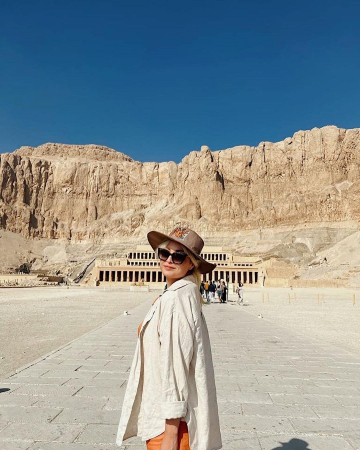

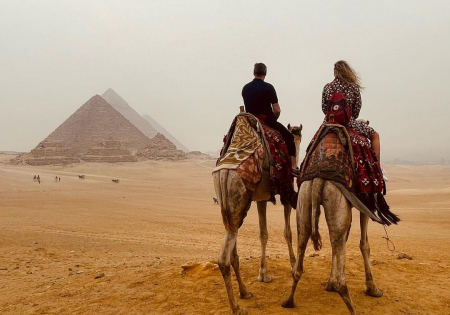
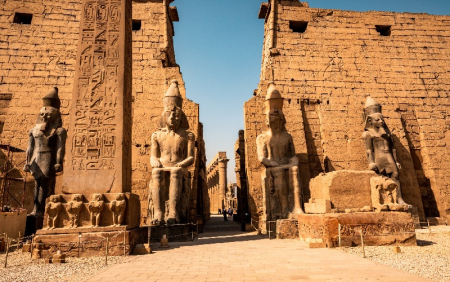
Luxor Temple, built by Amenhotep III and expanded by Ramses II, is a breathtaking New Kingdom monument dedicated to the renewal of kingship. Located on Luxor’s east bank, it stands as one of Egypt's most iconic sanctuaries, celebrated for its grand pylons, colossal statues, and deep religious significance.
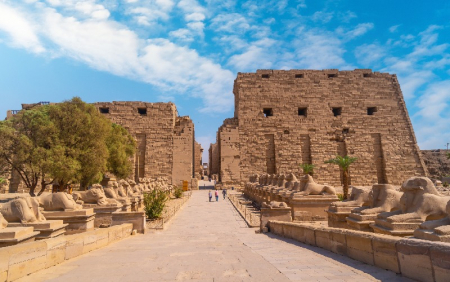
Karnak Temple in Luxor is an iconic ancient Egyptian complex, showcasing grand architecture, rich history, and the spiritual and political legacy of Thebes across nearly 2,000 years of construction.
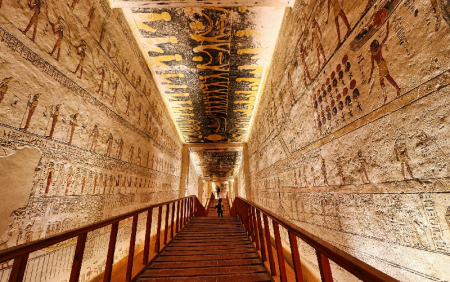
The Valley of the Kings is Egypt’s legendary royal necropolis, featuring 65 tombs of New Kingdom pharaohs, remarkable engineering, and world-famous discoveries like Tutankhamun’s burial.
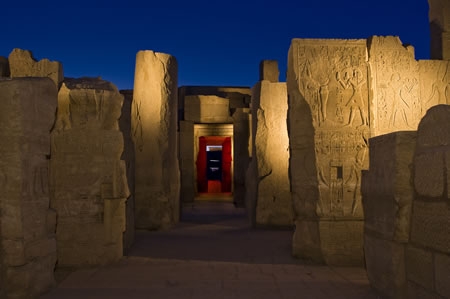
The Karnak Sound and Light Show transforms the vast temple complex into a magical nighttime spectacle, combining illuminated monuments, music, and storytelling to bring ancient Egyptian history vividly to life.
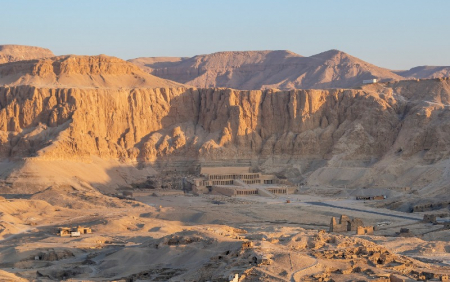
Discover the Valley of the Queens in Luxor, Egypt, with royal tombs, stunning art, and UNESCO heritage significance.
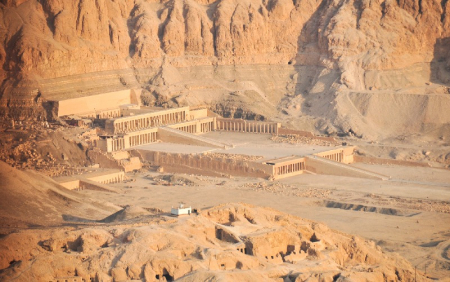
The Temple of Hatshepsut is a breathtaking 18th-Dynasty mortuary temple at Deir el-Bahari, famed for its grand terraces, cliffside design, and historical significance.
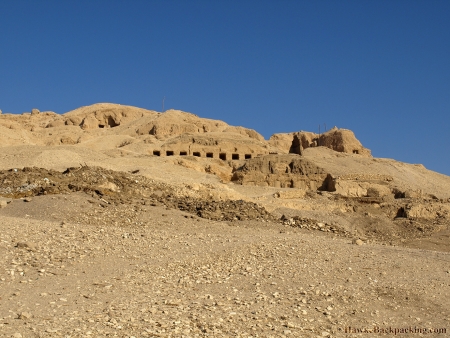
Explore the Valley of the Nobles in Luxor and learn how its 400+ tombs reveal vivid scenes of daily life and remarkable artistry from ancient Egypt’s New Kingdom.
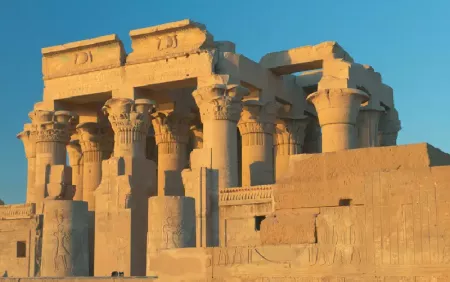
Kom Ombo Temple—Egypt’s remarkable twin sanctuary honoring Sobek and Haroeris, famed for its perfect symmetry and sacred crocodile traditions.
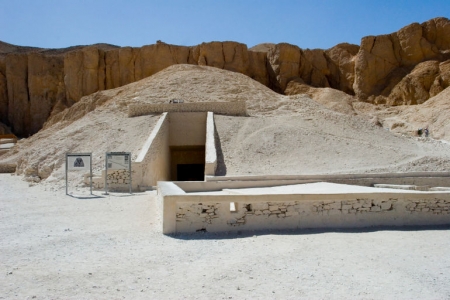
Tutankhamun’s tomb revealed over 5,000 stunning treasures, from gold chariots to the iconic mask, reshaping our understanding of ancient Egypt after its discovery in 1922.

Dendera Temple, 60km from Luxor, is Egypt's remarkably preserved healing sanctuary for Hathor. Explore vivid colors, hidden crypts & ancient astronomical knowledge.
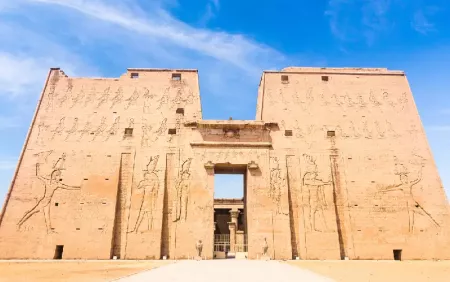
The Temple of Edfu, buried for centuries, is one of Egypt’s best-preserved temples—offering a vivid look into Ptolemaic religion, mythology, and architecture.
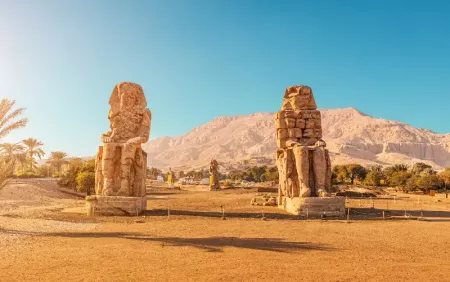
The Colossi of Memnon are 18-meter statues of Amenhotep III, once famed for their mysterious dawn “singing,” which captivated ancient visitors and inspired over a hundred inscriptions.
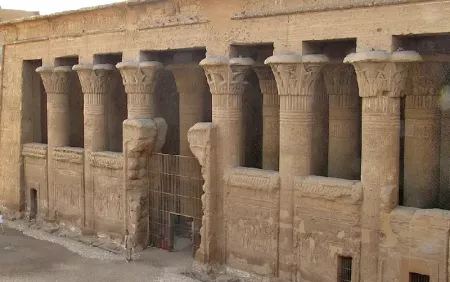
The Temple of Khnum at Esna, built from the Ptolemaic to Roman periods, features a stunning hypostyle hall with 24 ornate columns and reflects centuries of devotion to the creator god Khnum.
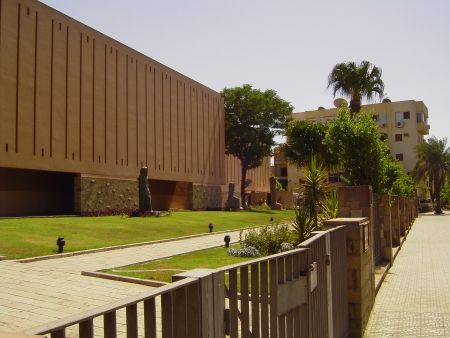
Luxor’s Mummification Museum offers an immersive look at ancient embalming methods, displaying tools, human and animal mummies, and the notable mummy of Masaharta.
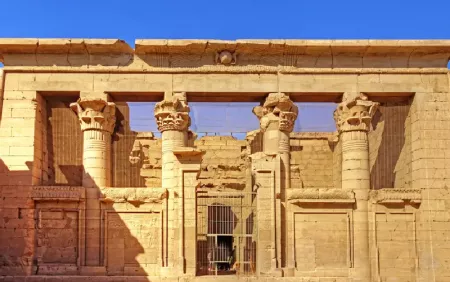
Kalabsha Temple, built under Emperor Augustus, was rescued from rising Nile waters in the 1960s and relocated block by block to New Kalabsha Island. Today, it remains a key UNESCO-recognized Nubian monument.
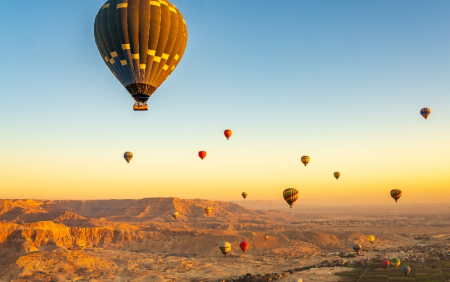
Soar above Luxor at sunrise in a hot air balloon and witness ancient temples, the Nile, and royal necropolises from the sky. This unforgettable experience offers breathtaking views and a unique perspective on Egypt’s timeless heritage.
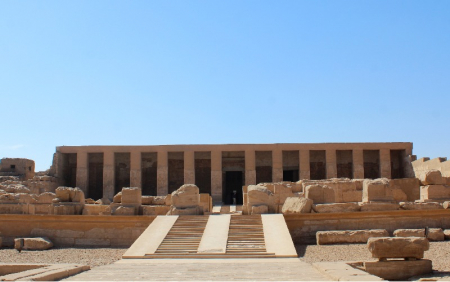
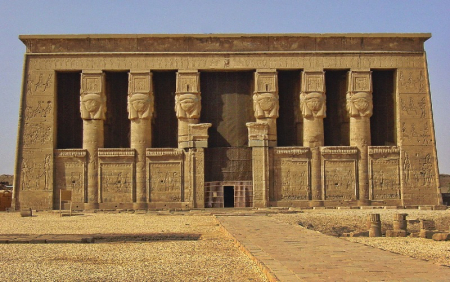
Explore the Temple of Hathor at Dendera, a remarkably preserved ancient Egyptian sanctuary dedicated to the goddess of love, music, and healing, renowned for its zodiac, vibrant reliefs, and astronomical ceilings.
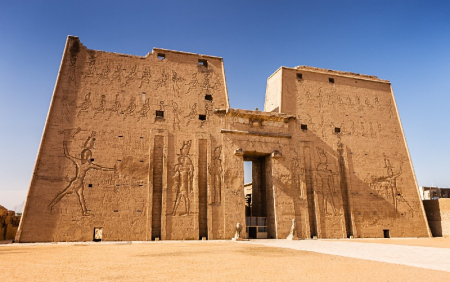
Visit the Temple of Horus at Edfu, a remarkably preserved Ptolemaic temple showcasing ancient Egyptian rituals, art, and architecture.
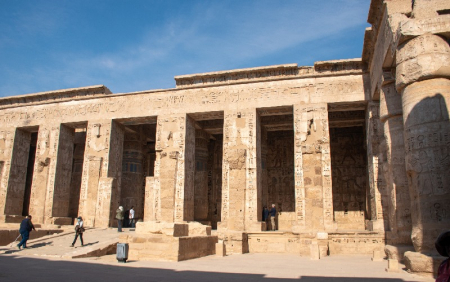
Explore Medinet Habu, Ramesses III’s temple, where history, religion, and artistry come alive on Luxor’s West Bank.
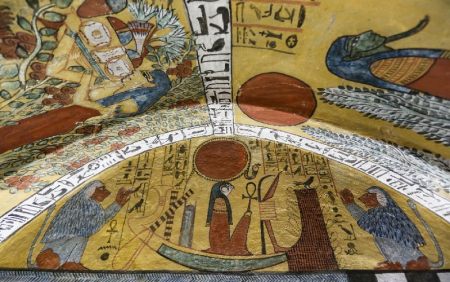
Deir el-Medina was home to the elite artisans who built and decorated Egypt’s royal tombs. Discover their homes, work, religion, and extraordinary daily life.
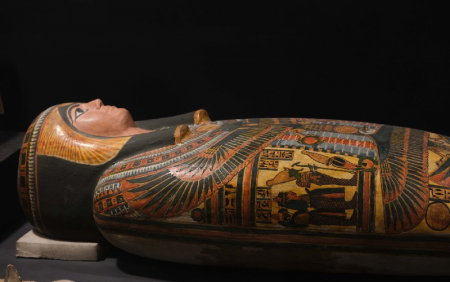
The Mummification Museum in Luxor showcases ancient Egyptian embalming, mummies, and artifacts, including Masaharta’s preserved remains and mummified animals.
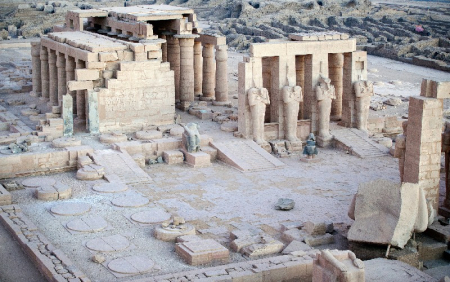
Discover the Mortuary Temple of Amenhotep III, once the largest in Thebes, famed for the Colossi of Memnon and ongoing restorations in Luxor.