Home
Home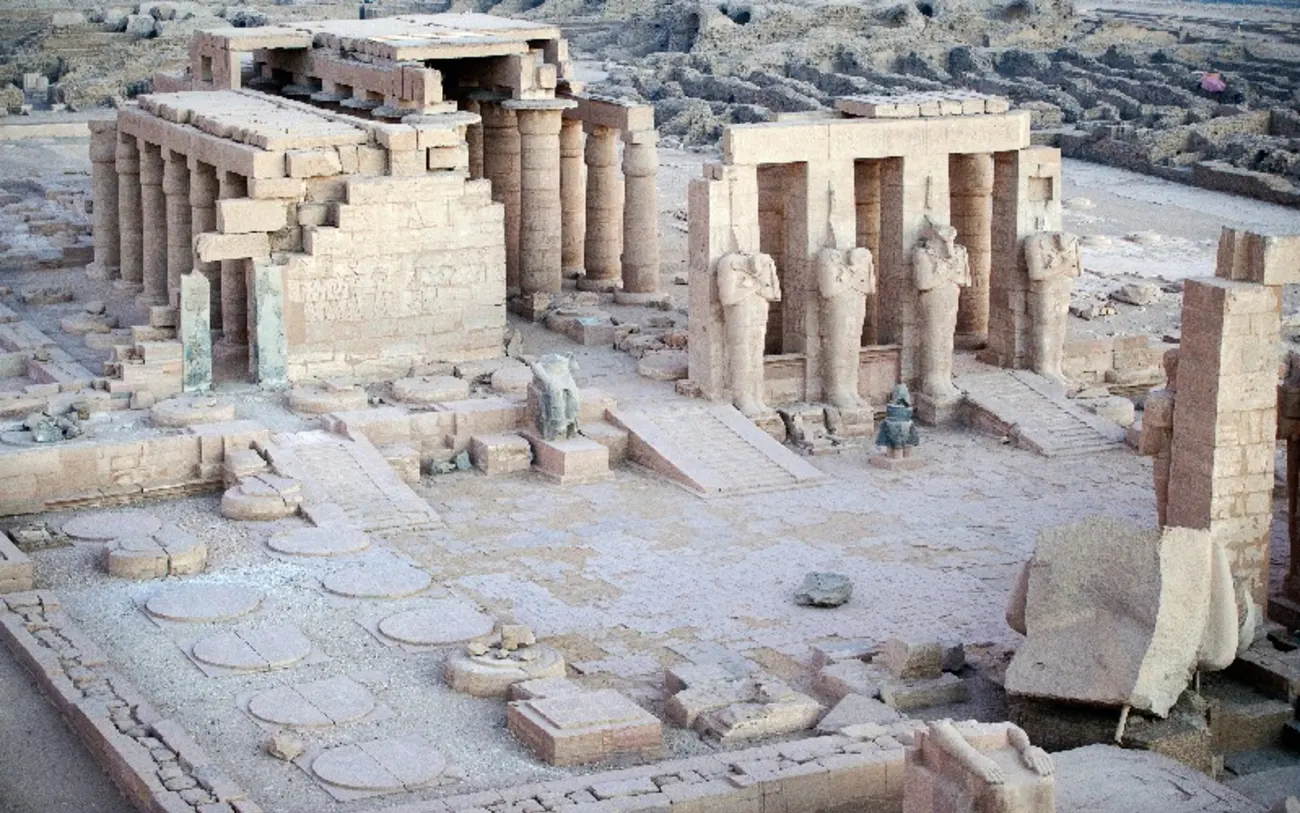
Excavation and Rediscovery of the Temple
Early 20th-century surveys and limitations
Key excavators: Hourig Sourouzian and Zahi Hawass
Fortune smiled upon the project when a captivated French patron, moved by one of Sourouzian's compelling lectures, stepped forward with crucial funding. Dr. Zahi Hawass, Egypt's renowned archaeological champion, lent his considerable expertise and influence to the growing endeavor. Under Sourouzian's meticulous direction, an international brigade of two dozen specialists joined forces with up to 400 dedicated local workers, launching what would become one of Egypt's most ambitious archaeological undertakings in recent memory.
Recent geoarchaeological findings
Discovery of a Nile branch near the site
The Mortuary Temple of Amenhotep III is located on the western bank of the Nile, across from the city of Luxor in modern-day Egypt. It was strategically built on a natural, elongated mound above the New Kingdom period's floodplain level.
Architectural Layout and Symbolism
Masterful engineering merged seamlessly with profound religious symbolism throughout Amenhotep III's mortuary temple, creating an architectural masterpiece designed to showcase divine pharaonic power while serving sacred ceremonial functions.
Orientation and alignment with the Nile
Solar worship guided every aspect of the temple's placement—its eastward orientation captured the first rays of dawn, honoring Amenhotep III's deep reverence for the sun god Amun. Astronomical precision, rather than mere convenience, determined this cardinal direction. The temple's elevated position atop a natural, elongated mound created a commanding presence above the surrounding floodplain, offering approaching pilgrims a breathtaking vista of monumental architecture emerging from the landscape. Extending approximately 500 meters westward from the First Pylon, this sacred pathway established an awe-inspiring processional route that guided visitors through increasingly hallowed spaces.
Three pylons and the Hypostyle Hall
Massive mud-brick pylons, aligned with mathematical precision along a single axis, created three monumental gateways that functioned as both physical and spiritual thresholds. Each successive pylon drew worshippers deeper into sacred territory, marking distinct zones of increasing sanctity. Beyond these towering barriers, the expansive Hypostyle Hall welcomed visitors beneath a forest of papyrus-crowned columns, its soaring interior serving as the temple's primary ceremonial corridor linking the outer precincts to the holiest inner chambers.
The Peristyle Sun Court and its duality
Egyptian architectural philosophy found perfect expression within the remarkable Peristyle Sun Court, where sandstone columns supported elegant porticoes that framed the temple's ceremonial heart. The court's deliberate division into northern and southern sections embodied the fundamental Egyptian concept of duality—a cosmic balance that permeated every aspect of ancient Egyptian thought. Measuring precisely 148 feet in depth and 184 feet in width, this sacred space featured sixty-four clustered papyrus-bud columns arranged in double rows across three sides, creating an architectural rhythm that guided ritual movement.
Use of materials from Upper and Lower Egypt
Stone selection carried profound political and religious messages throughout the temple complex. Brown quartzite statues adorned the Sun Court's northern section, symbolically representing Lower Egypt, while the southern half displayed red granite sculptures quarried from distant Aswan in Upper Egypt. Royal throne decorations featured the sema-tawy motif—an intricate carving depicting two Nile gods binding together papyrus and water lily symbols—a visual declaration of pharaonic authority uniting Egypt's two traditional kingdoms under divine rule.
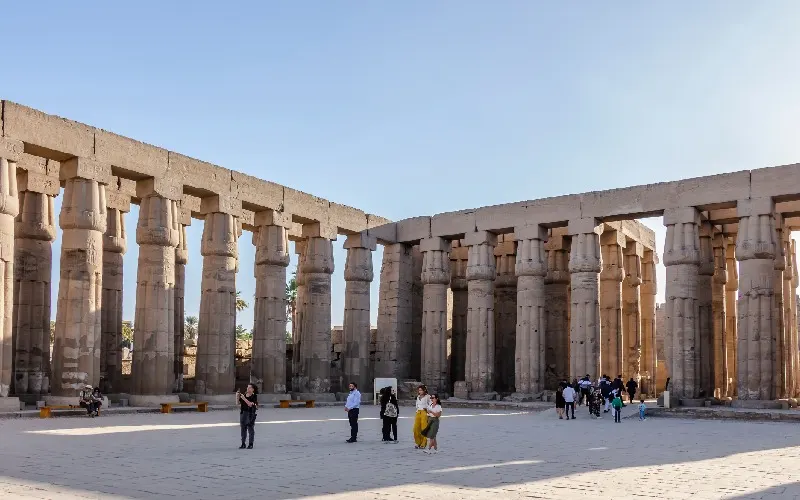
The temple's architecture incorporated various symbolic elements, such as its eastward orientation towards the rising sun, the use of materials from both Upper and Lower Egypt, and the division of the Peristyle Sun Court into northern and southern halves. These features represented concepts like the unification of Egypt and the triumph of order over chaos.
Purpose and Religious Significance
The mortuary complex of Amenhotep III transcended conventional Egyptian temple functions, serving as a multifaceted sacred institution that operated far beyond typical posthumous worship boundaries.
Mortuary function and offerings to Amenhotep III
Sacred rituals and perpetual offerings formed the temple's fundamental purpose, creating an eternal sanctuary for Amenhotep III's journey into the afterlife. Countless priests performed elaborate ceremonies within these hallowed walls, conducting intricate rites specifically designed to safeguard the pharaoh's spiritual well-being throughout eternity. What distinguished this complex from other mortuary temples was Amenhotep III's audacious ambition—he envisioned divine worship during his earthly reign, not merely after death, transforming his temple into a living monument to his godlike status.
Connection to the Sed Festival
Sacred jubilee celebrations, known as the Heb-Sed festival, found their ceremonial home within a specially designated courtyard during Amenhotep III's final decade of rule. This venerable royal tradition, ceremonially renewed pharaonic power after thirty years of reign and subsequently every three years, functioned as a spiritual rejuvenation ritual that reinforced divine kingship. Archaeological evidence suggests construction remained incomplete during the pharaoh's initial Sed Festival, though he would eventually commemorate two additional jubilees in his thirty-fourth and thirty-seventh regnal years.
Symbolism of the floodplain and creation myth
The temple's strategic positioning on the Nile's floodplain embodied profound cosmic symbolism that resonated with Egypt's fundamental creation mythology. Each year, as receding floodwaters revealed the temple structure, the complex mimicked the primordial mound emerging from primeval chaos—the very foundation of Egyptian cosmological beliefs. Only the elevated sanctuary remained perpetually above water, constructed deliberately on higher ground to maintain this powerful symbolic narrative.
Depictions of Maat and unification of Egypt
Decorative programs throughout the sacred precinct celebrated Maat's eternal triumph—the divine principle of justice, harmony, and cosmic order prevailing over chaos. Artistic representations featured bound foreign enemies positioned strategically alongside royal statuary, visually proclaiming Egypt's dominance over hostile forces. The deliberate selection of construction materials from both northern and southern regions provided tangible evidence of Amenhotep's sovereignty over the unified Two Lands.
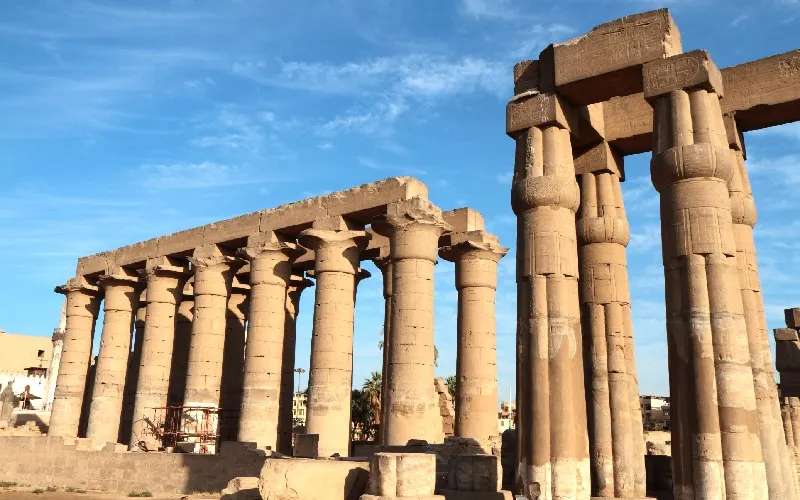
The mortuary temple of Amenhotep III served multiple functions, including providing a sacred space for offerings after the pharaoh's death, celebrating Sed Festivals during his lifetime, and symbolizing Egyptian creation myths. It was designed to showcase Amenhotep III's divinity and ensure his eternal well-being in the afterlife.
Customize Your Dream Vacation!
Get in touch with our local experts for an unforgettable journey.
Plan Your TripMajor Discoveries and Statues
Archaeological excavations have unveiled a treasure trove of sculptural masterpieces and revealing artifacts within Amenhotep III's mortuary complex, each discovery illuminating the temple's sophisticated artistic vision and sacred ceremonial practices.
The Colossi of Memnon and their significance
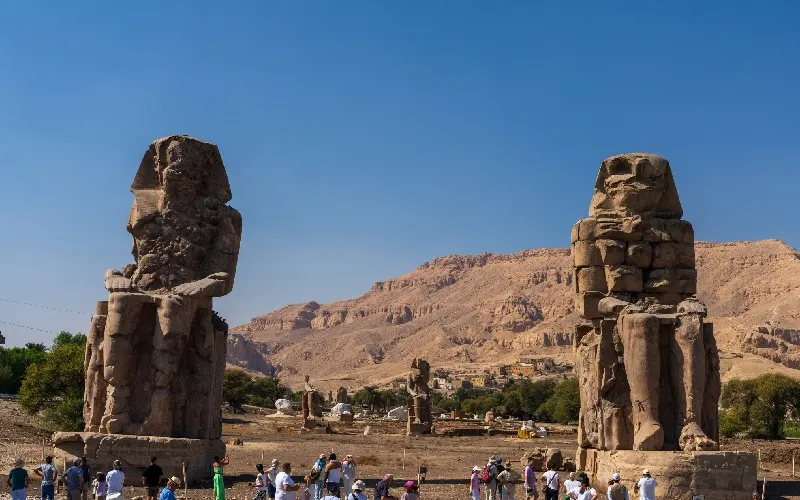
Towering above the temple's entrance, the Colossi of Memnon remain the most instantly recognizable monuments of Amenhotep III's grand vision. These twin quartzite sandstone giants, each depicting the seated pharaoh in eternal majesty, rise 18 meters (60 feet) skyward while bearing the weight of approximately 720 tons—sculptural achievements that have withstood over 3,400 years of time's passage. The remarkable journey of these colossal figures began at quarries near modern-day Cairo, from where they traveled 675 kilometers to reach their destined home in Thebes. Archaeological efforts have recently witnessed the triumphant return of two additional colossal alabaster statues of Amenhotep III to their original positions, following decades of painstaking restoration work.
Sekhmet statues and healing rituals
The temple's excavated chambers have revealed an extraordinary assembly of Sekhmet statues—hundreds of representations of the formidable lion-headed goddess scattered throughout the complex. These divine figures display remarkable variety in their poses, some captured standing in vigilant attention, others seated in contemplative power, many grasping papyrus scepters alongside the ankh symbol of eternal life. French Egyptologist Jean Yoyotte uncovered Sekhmet's fascinating dual nature, identifying her simultaneous roles as "mistress of drunkenness" with potent healing abilities and fierce protector of the "sun-king against the enemies of the sun". Evidence suggests these numerous statues served a deeply personal purpose—potentially offering divine intervention for Amenhotep III's declining health during his final years.
Animal statues and solar rituals
The temple's artistic program extended far beyond human and divine forms, revealing a captivating menagerie of sacred animal sculptures. Excavators have uncovered lion-crocodile sphinxes, watchful jackals, protective scarab beetles, and the exceptionally rare white hippopotamus statue. These ceremonial sculptures held specific ritual significance, particularly within solar ceremonies and the mystical creation of celestial sky maps. The white hippopotamus figure appears to have participated in ancient rituals previously recorded during Thutmose III's reign, suggesting continuity of sacred practices across royal dynasties.
Stelae inscriptions and their messages
Two monumental stelae command attention within the temple precinct—the Northern and Southern Stelae, each bearing crucial royal proclamations. The Northern Stela, discovered intact within the Peristyle Court, underwent careful conservation treatment between 2010-2012 to preserve its ancient messages. The Southern Stela, erected during mid-20th century excavations, contains Amenhotep III's own words describing his temple as "magnified". These towering inscribed monuments offer invaluable windows into the pharaoh's personal vision and conception of his eternal dwelling place.
Pottery and daily life artifacts
Belgian Egyptologist Laurent Bavay's meticulous analysis of ceramic discoveries has revealed intimate details of temple life through ring-based cups, beer jars, and wine amphorae found within the Peristyle Sun Court and Third Pylon areas. These everyday objects, spanning from the New Kingdom through the Late Roman Period, paint vivid pictures of daily consumption patterns and social activities within the sacred precincts. Particularly telling are pottery fragments discovered along the temple's eroded northern wall, which have provided concrete archaeological evidence of ancient earthquake activity affecting the site.
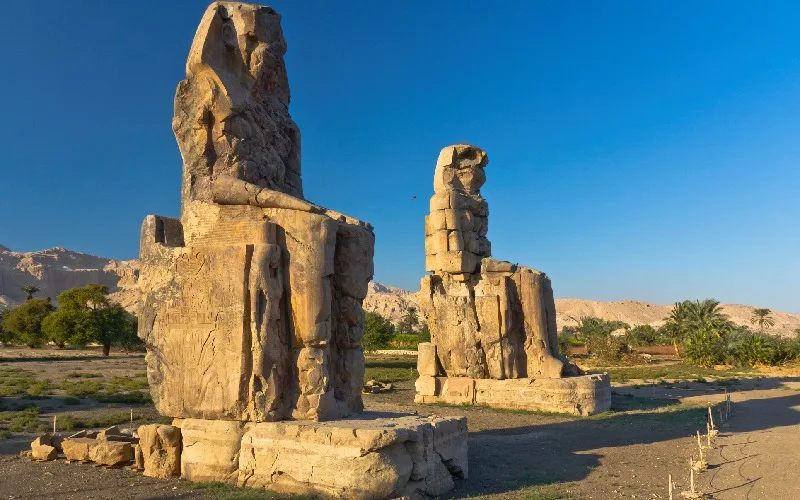
The Colossi of Memnon are two massive quartzite sandstone statues depicting the seated Pharaoh Amenhotep III. Standing 18 meters (60 feet) tall and weighing approximately 720 tons each, these monumental sculptures originally guarded the temple's first pylon and have endured for over 3,400 years.
Amenhotep III’s mortuary temple was far more than a funerary monument—it was a grand expression of divine kingship and cosmic order. Despite centuries of damage from floods and earthquakes, modern excavations led by Hourig Sourouzian continue to reveal its sophisticated design, including elevated construction, a lost Nile branch for ceremonial use, and architecture aligned with Egyptian cosmology. Sculptural finds such as the Colossi of Memnon, numerous Sekhmet statues, and animal figures highlight the temple’s ritual, healing, and symbolic roles. Together, these discoveries show that Amenhotep III created a monumental stage for royal jubilees and divine authority, designed to proclaim his godlike status during his lifetime and for eternity.
Excavations have uncovered numerous statues, including hundreds of Sekhmet statues, animal sculptures, and two additional colossal alabaster statues of Amenhotep III. Other findings include inscribed stelae, pottery fragments, and evidence of a previously unknown Nile branch near the site.
Amenhotep III emphasized his divine nature more than many earlier pharaohs. His mortuary temple, colossal statues, and extensive use of solar and cosmic symbolism all reinforced the idea that he ruled as a living god, closely linked to the sun god and the forces of creation.
Sekhmet was associated with healing, protection, and divine power. The large number of Sekhmet statues found at the site suggests that the temple was used for healing rituals and protective ceremonies, particularly during royal jubilees and times of crisis.
The temple was built close to the Nile, making it vulnerable to repeated flooding. Over centuries, water damage, stone reuse, and seismic activity caused most of the structure to collapse or disappear, leaving primarily foundations and statues behind.
The temple was designed by Amenhotep, son of Hapu, a renowned architect, royal scribe, and later deified official. His architectural and administrative expertise played a major role in creating one of the most ambitious temple complexes in ancient Egypt.
Yes, archaeological work is ongoing. Modern excavations continue to uncover statues, architectural elements, and evidence of the temple’s original layout, offering new insights into New Kingdom religion, art, and royal ideology.
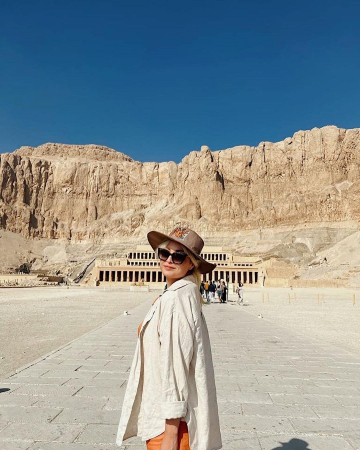
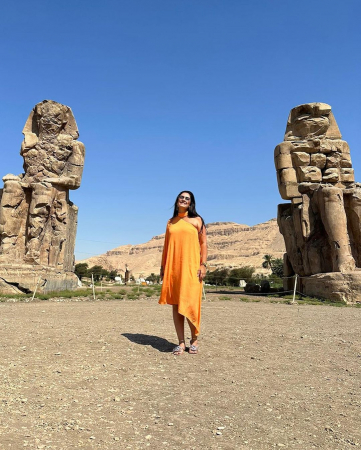
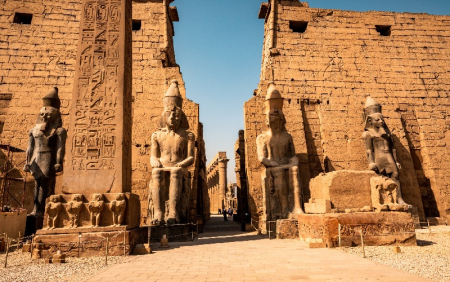
Luxor Temple, built by Amenhotep III and expanded by Ramses II, is a breathtaking New Kingdom monument dedicated to the renewal of kingship. Located on Luxor’s east bank, it stands as one of Egypt's most iconic sanctuaries, celebrated for its grand pylons, colossal statues, and deep religious significance.
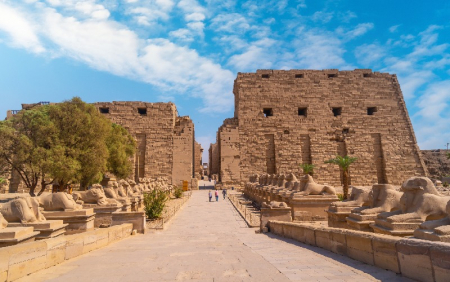
Karnak Temple in Luxor is an iconic ancient Egyptian complex, showcasing grand architecture, rich history, and the spiritual and political legacy of Thebes across nearly 2,000 years of construction.
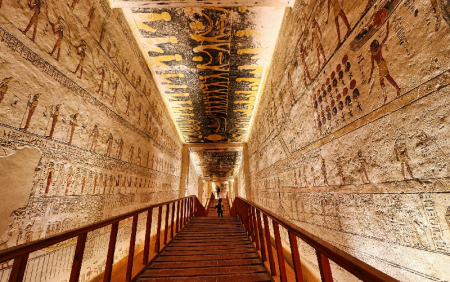
The Valley of the Kings is Egypt’s legendary royal necropolis, featuring 65 tombs of New Kingdom pharaohs, remarkable engineering, and world-famous discoveries like Tutankhamun’s burial.
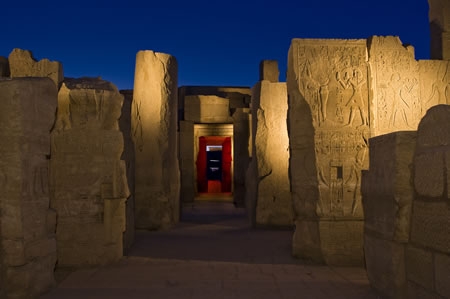
The Karnak Sound and Light Show transforms the vast temple complex into a magical nighttime spectacle, combining illuminated monuments, music, and storytelling to bring ancient Egyptian history vividly to life.
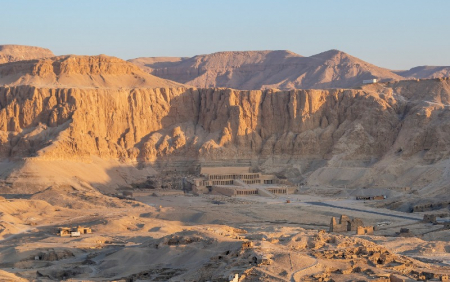
Discover the Valley of the Queens in Luxor, Egypt, with royal tombs, stunning art, and UNESCO heritage significance.
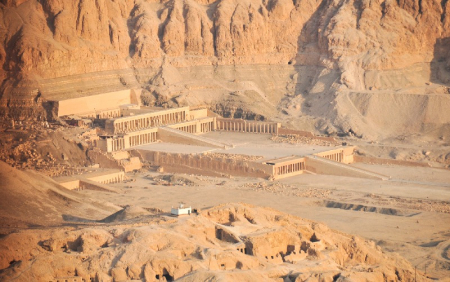
The Temple of Hatshepsut is a breathtaking 18th-Dynasty mortuary temple at Deir el-Bahari, famed for its grand terraces, cliffside design, and historical significance.
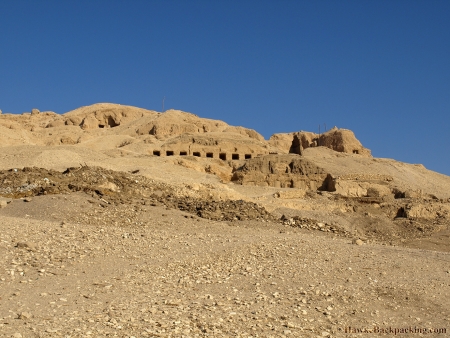
Explore the Valley of the Nobles in Luxor and learn how its 400+ tombs reveal vivid scenes of daily life and remarkable artistry from ancient Egypt’s New Kingdom.
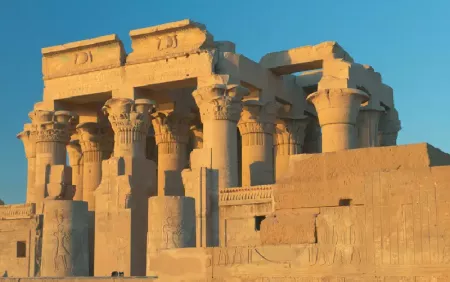
Kom Ombo Temple—Egypt’s remarkable twin sanctuary honoring Sobek and Haroeris, famed for its perfect symmetry and sacred crocodile traditions.
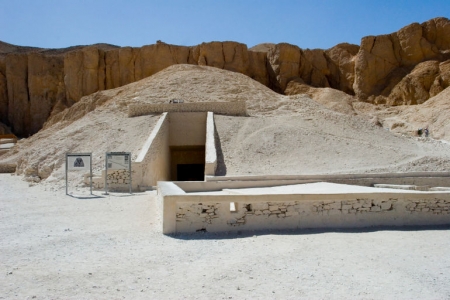
Tutankhamun’s tomb revealed over 5,000 stunning treasures, from gold chariots to the iconic mask, reshaping our understanding of ancient Egypt after its discovery in 1922.

Dendera Temple, 60km from Luxor, is Egypt's remarkably preserved healing sanctuary for Hathor. Explore vivid colors, hidden crypts & ancient astronomical knowledge.
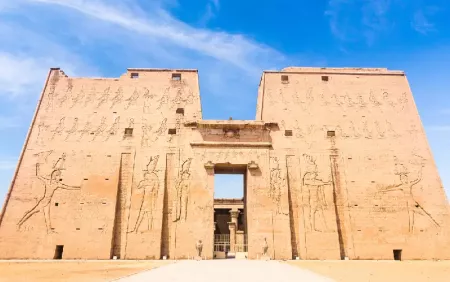
The Temple of Edfu, buried for centuries, is one of Egypt’s best-preserved temples—offering a vivid look into Ptolemaic religion, mythology, and architecture.
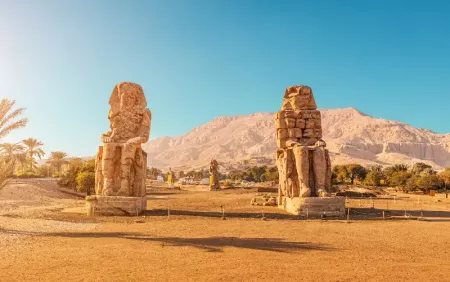
The Colossi of Memnon are 18-meter statues of Amenhotep III, once famed for their mysterious dawn “singing,” which captivated ancient visitors and inspired over a hundred inscriptions.
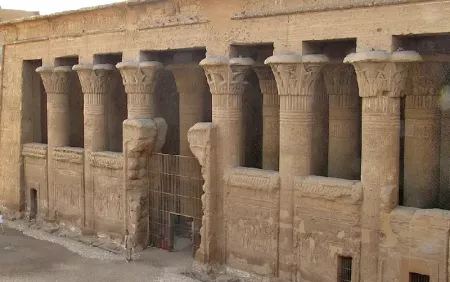
The Temple of Khnum at Esna, built from the Ptolemaic to Roman periods, features a stunning hypostyle hall with 24 ornate columns and reflects centuries of devotion to the creator god Khnum.
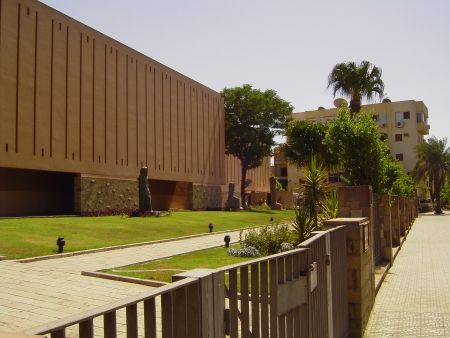
Luxor’s Mummification Museum offers an immersive look at ancient embalming methods, displaying tools, human and animal mummies, and the notable mummy of Masaharta.
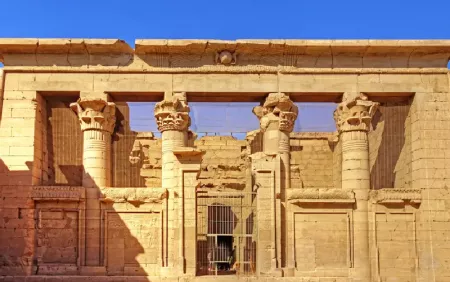
Kalabsha Temple, built under Emperor Augustus, was rescued from rising Nile waters in the 1960s and relocated block by block to New Kalabsha Island. Today, it remains a key UNESCO-recognized Nubian monument.
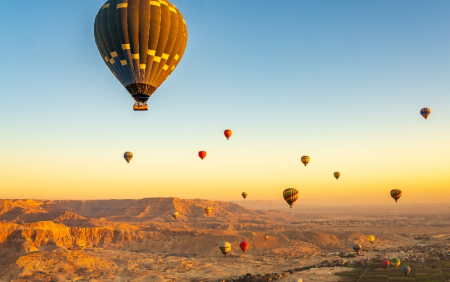
Soar above Luxor at sunrise in a hot air balloon and witness ancient temples, the Nile, and royal necropolises from the sky. This unforgettable experience offers breathtaking views and a unique perspective on Egypt’s timeless heritage.
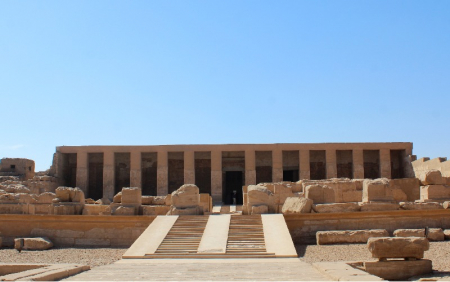
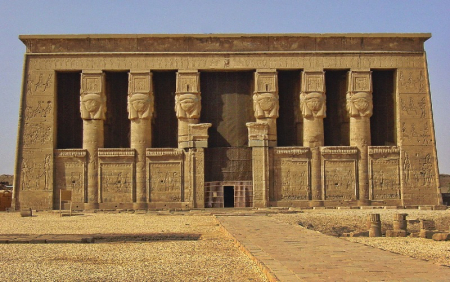
Explore the Temple of Hathor at Dendera, a remarkably preserved ancient Egyptian sanctuary dedicated to the goddess of love, music, and healing, renowned for its zodiac, vibrant reliefs, and astronomical ceilings.
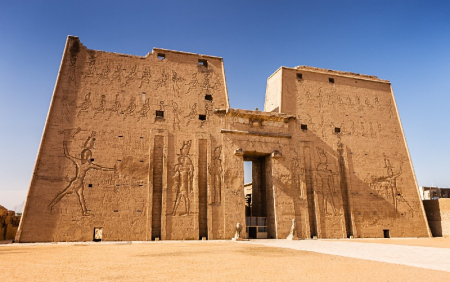
Visit the Temple of Horus at Edfu, a remarkably preserved Ptolemaic temple showcasing ancient Egyptian rituals, art, and architecture.
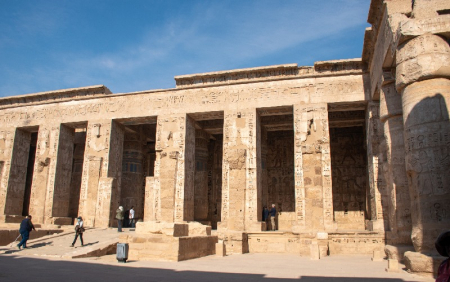
Explore Medinet Habu, Ramesses III’s temple, where history, religion, and artistry come alive on Luxor’s West Bank.
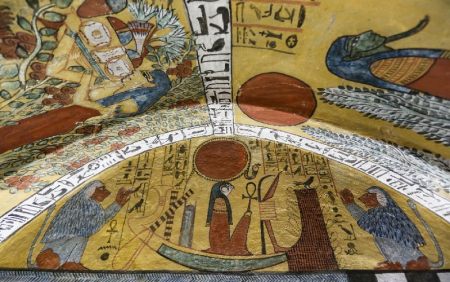
Deir el-Medina was home to the elite artisans who built and decorated Egypt’s royal tombs. Discover their homes, work, religion, and extraordinary daily life.
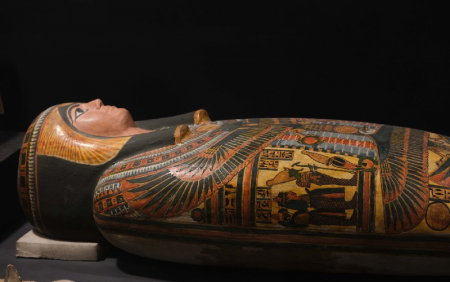
The Mummification Museum in Luxor showcases ancient Egyptian embalming, mummies, and artifacts, including Masaharta’s preserved remains and mummified animals.
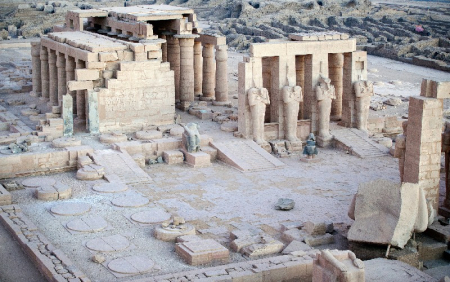
Discover the Mortuary Temple of Amenhotep III, once the largest in Thebes, famed for the Colossi of Memnon and ongoing restorations in Luxor.