
 Home
Home.jpg "The Hagia Sophia Cathedral")
The Hagia Sophia, meaning “Holy Wisdom,” is a fascinating and overwhelming structure located in Istanbul, Turkey. The cathedral has been declared by UNESCO a world heritage center due to the historic and cultural significance the structure has on the city of Istanbul and Turkey in general. The building was the largest building of its time, and it was considered the epitome of Byzantine Architecture. This magnificent place of worship has always been very famous since ancient times for its massive dome, and even today, its beauty and unique structural design still draw tourists from places all over the world; thus, it is one of Turkey's most important tourist attractions.
History of Hagia Sophia
The Hagia Sophia Cathedral was constructed by Emperor Justinian I in AD 537. The building was designed by two Greek architects, Isidore of Miletus and Anthemius of Tralles. The building was then dedicated to the Wisdom of God, the logos, and the third person of the holy trinity. The cathedral was the third church of the holy wisdom to occupy the site on which it now stands, as the previous churches were destroyed by rioters during the Nika riots.
From the date of the completion of the building until 1453, the building served as an Eastern Orthodox Cathedral and also as the seat of the Ecumenical Patriarch of Constantinople. But between 1204 to 1261, it was converted by the fighting forces into a roman catholic cathedral. The building was later converted to a mosque from 29 May 1453 until 1931. By 1935, it was reopened as a museum and has served as a museum. It was the largest Cathedral for thousands of years until the Seville Cathedral was constructed in 1520.
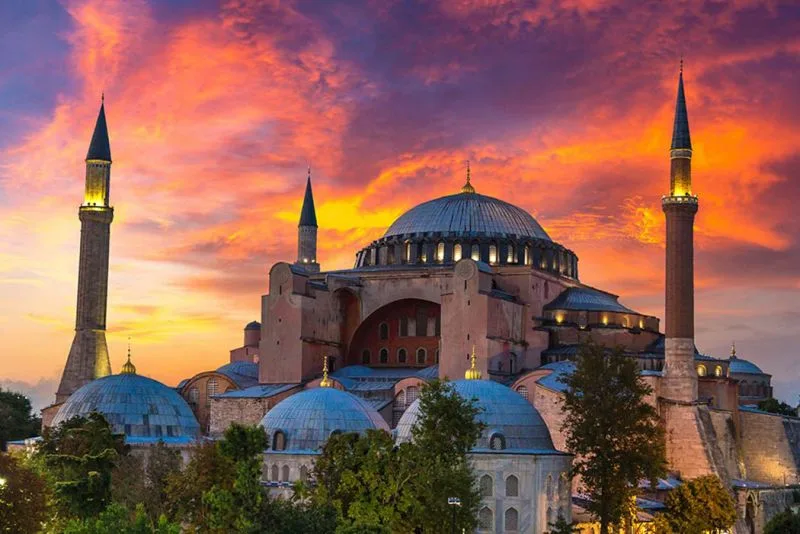
Explore the Beauty of the Hagia Sophia with our Turkey & Greece Tours and Turkey Tour Packages
The architecture of the Hagia Sophia
From the moment the magnificent Hagia Sophia was completed, the building gained worldwide popularity due to its unparalleled structure and design. From that time till the present time, people from all over the world traveled great distances to see and experience the wonderful beauty of this gigantic structure themselves. Some important pieces of information about the architecture of these buildings, which have been crucial to their popularity since ancient times until this very day, are given below.
Structure
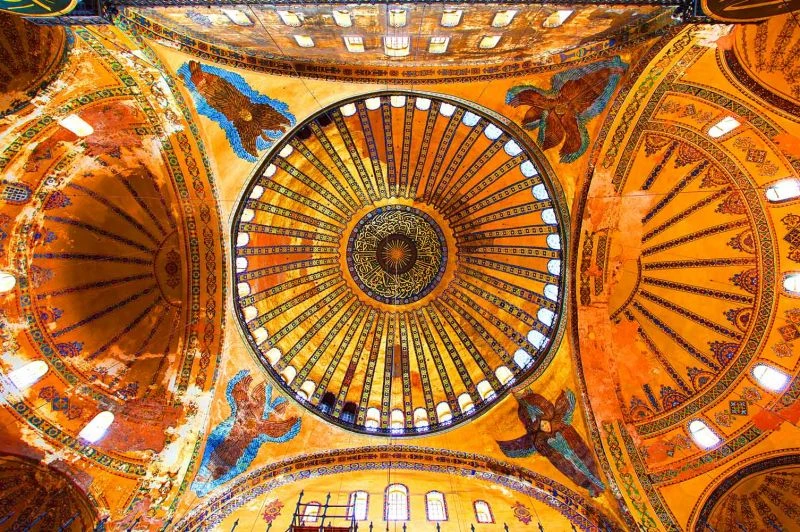
Anyone who has visited the Hagia Sophia will agree that the structure of the building is unique and distinct from all of the other old buildings constructed in this region. The cathedral was designed to have a sharp rectangular shape and a large square nave that measures up to 102ft. This large central Nave is covered with a gigantic dome that is held by four pendentives, spherical triangles that arise from four huge piers that carry the weight of the dome.
The pendentives made it possible for the dome to be placed over the rectangular compartment. Beneath the dome are 40 windows that allow for natural lighting to illuminate the church. Excluding the two narthexes and the large atrium, the basilica measures 229 × 245ft, while the atrium measures 157 × 106ft. The total length of the cathedral measures up to 442ft. After the building was converted to a mosque around 1453, a little adjustment was made to the structure of this building, and its adjustment includes the Minarets that were erected outside the building.
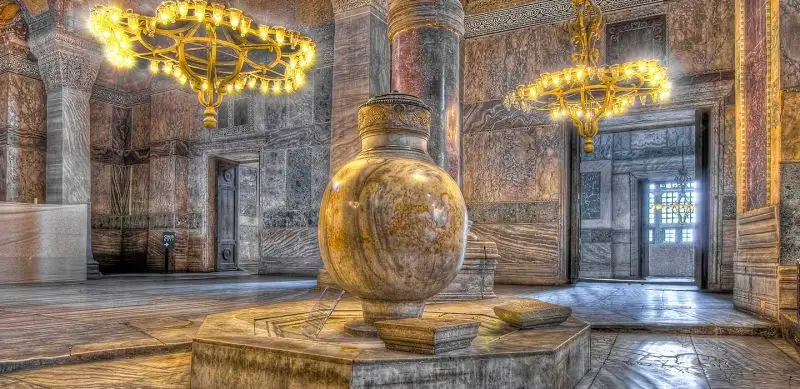
The narthex outside at the eastern part of the atrium is enclosed, and the inner narthex is accessible through 5 doors. From this inner narthex, there are about 9 doors that lead to the nave. The access to the upper galleries follows the traditional features of Constantinopolitan church planning by providing ramps to access the upper galleries.
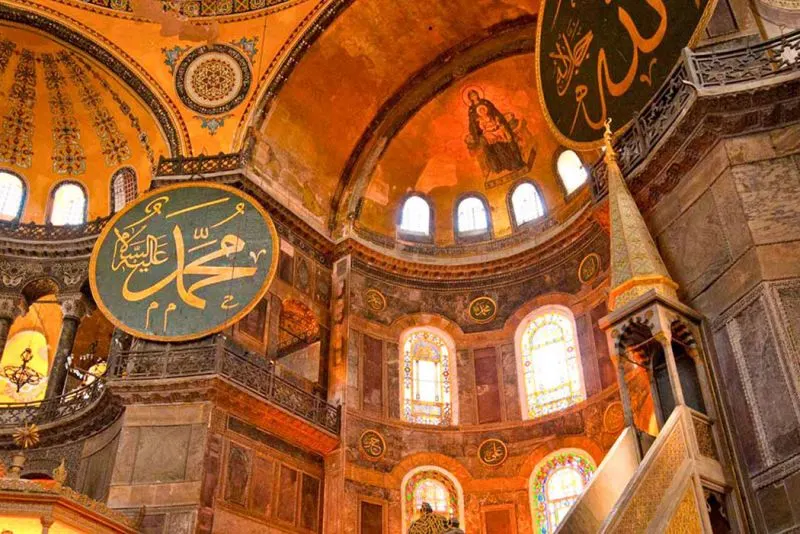
Designs, Decorations, and Highlights of Hagia Sophia
Initially, the decorations with the buildings were simple and were not too extravagant; there were just simple traditional decorations in the form of mosaics & Christian religious images forming the initial decorative theme of the building. But later, as the cathedral began to become more popular and significant to the region, more images and designs were added to suit the status of the building. Designs and decorations such as ornate mosaics, fascinating imperial portraits, images of the royal family, and images of Christ and different emperors have been added to add to the beauty of the church.
After Hagia Sophia was converted to a mosque, many of these decorations were covered in paint as Islam did not believe in representational imagery. Even though the mosaics were covered with paint, the building was restored in the 20th century, and most of these decorations were covered or restored. Marble doors, expensive ceramics, and mosaics were designed by the most skilled artists to beautify the buildings, most of which can still be found in the buildings today.
Customize Your Dream Vacation!
Get in touch with our local experts for an unforgettable journey.
Plan Your Trip
What Makes Hagia Sophia World-Renowned
The massive dome of the Hagia Sophia is the major reason this building is very famous. Until 1520, when the church of Seville was built, the cathedral held the title of being the world’s largest building in the world. Also, the Cathedral possesses a lot of beautiful designs that people from all over the world come to see.
Blue Mosque vs. Hagia Sophia: Key Differences
The blue mosque is not the same as the Hagia Sophia Cathedral. Although both are located in Istanbul, the Blue Mosque was built between 1609 -1616, while the Hagia Sophia (otherwise known as the Aya Sophia) cathedral has been in existence since AD 537. Also, the Blue Mosque still serves as a mosque, while the Hagia Sophia structure is now a museum. Exploring both sites is a highlight of many Turkey Tours, offering travelers a deeper look into the country’s rich history and culture.
Customize your Journey to the amazing lands of Turkey with our tailor-made options
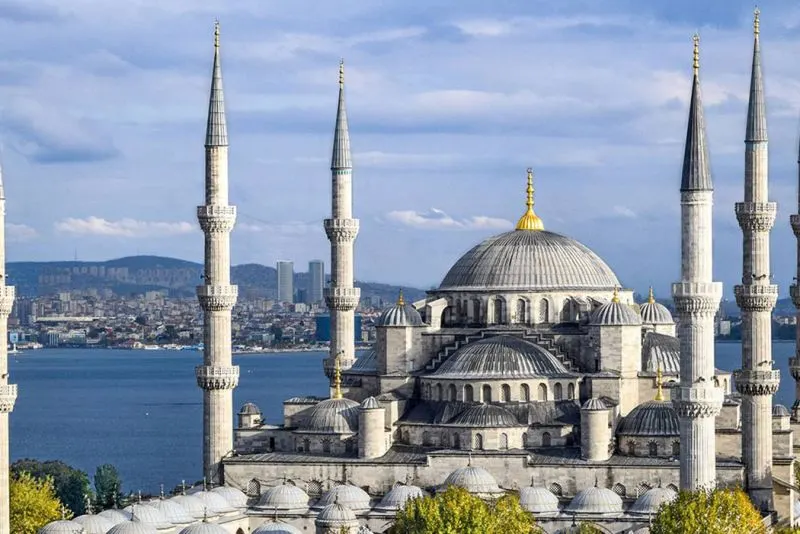
Best time to visit Hagia Sophia Museum
To have a wonderful and unforgettable traveling experience to this museum, you are better off visiting it in the summer seasons, around mid-April through October. During this time, the museum is always open from 9 am to 7 pm, and it is always busy at these times, so you have a chance to meet a lot of people and also make new friends.
Hagia Sophia: Layers of Faith and Empire
The reconversion of Hagia Sophia into a mosque represents far more than a simple change of function; it is a profound act of re-inscribing meaning onto an ancient monument. For nearly a millennium, its soaring dome stood as the supreme architectural achievement of Christendom. In 1453, Mehmed the Conqueror's first Friday prayer within its walls transformed it into the ultimate symbol of Ottoman triumph and Islamic piety, its Christian mosaics veiled beneath plaster and Islamic calligraphy. Its modern era as a secular museum, begun by Atatürk, presented it as a neutral, global heritage site. The 2020 decision to reactivate it as a mosque thus powerfully intertwines architectural grandeur, deep religious sentiment, and contemporary political assertion, making the building once again a living, contested stage where history, faith, and national identity dynamically converge.
Hagia Sophia is one of Istanbul’s most iconic landmarks, originally built in 537 AD as a Byzantine cathedral. It later became an Ottoman mosque and today stands as a museum and mosque combined. Its massive dome, mosaics, and long history make it a symbol of cultural and religious heritage.
Yes, Hagia Sophia is free to enter since it functions as an active mosque. However, visitors should follow dress codes and respect prayer times when visiting.
No, they are two different monuments. The Blue Mosque, built in the 17th century, is known for its six minarets and blue-tiled interior. Hagia Sophia, on the other hand, is much older and famous for its grand dome and historical significance.
Most visitors spend around 1–2 hours exploring Hagia Sophia. This allows enough time to admire the mosaics, architecture, and the history that spans over 1,400 years.
The best time to visit Hagia Sophia is in the early morning or late afternoon to avoid heavy crowds. Spring (April–May) and autumn (September–October) are ideal seasons.
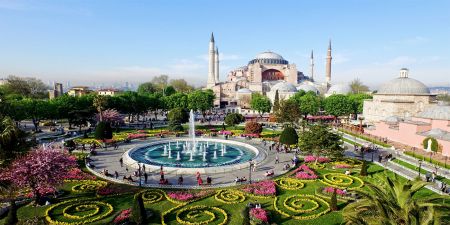
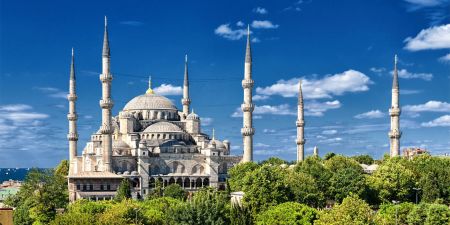

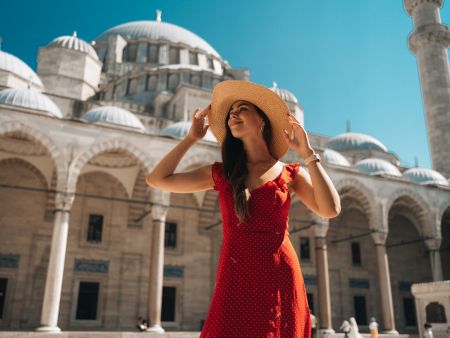
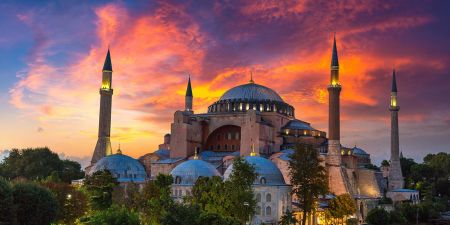
Declared by UNESCO a World Heritage, the Hagia Sophia is a symbol of coexistence, harmony & ancient Marvel. Accompany us through a journey in time & discover the history of this loved attraction.
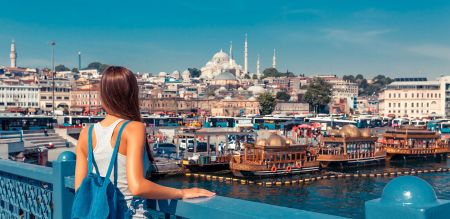
Dividing the modern life of the West from the Orient of the East, the Bosphorus Strait is more than just a body of water; it’s a heritage and an essential piece of history for you to discover through our article.
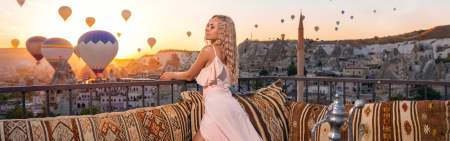
Here is your best Turkey Travel Advisor including on it the tips and the information needed for your trip which would help you to enjoy it to the max in Turkey.
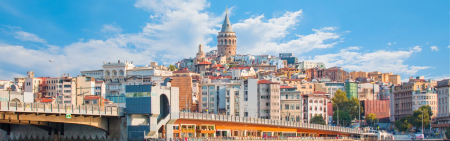
Galata Tower is without a doubt one of the most recognizable landmarks on the peninsula, Until 1749, Galata Tower was Istanbul's highest structure in Istanbul.
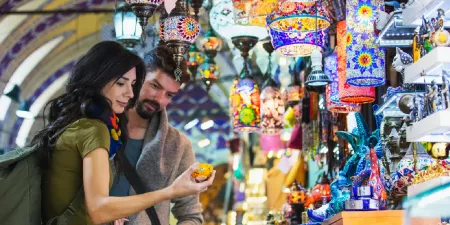
Welcome to Turkey's most well-known market, the Grand Bazaar in Istanbul. One of the oldest and biggest covered marketplaces in the world is this crowded bazaar.
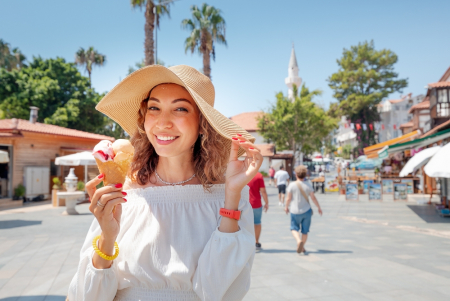
People travel from all over the world to the House of the Virgin Marry to receive her blessing and to fulfill their wishes and make them true as it was believed that this was the last place she was in when she passed away.
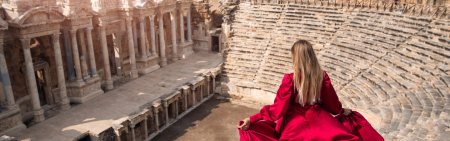
Pamukkale in Turkey is known as the Cotton Castle or Cotton Palace city which is admired for its stunning beauty that will raise your eyebrows as it is the city of beauty and wonder located in southwestern Turkey with its natural landscapes, ancient ruins, and thermal pools.
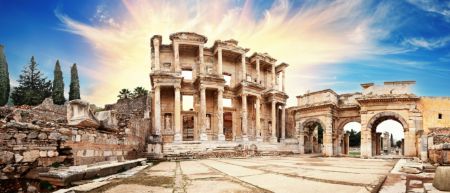
Kusadasi in Turkey is known as the paradise of the country that lies on the Aegean Sea and is also well known for its magnificent beaches, exciting nightlife, and historical monuments.
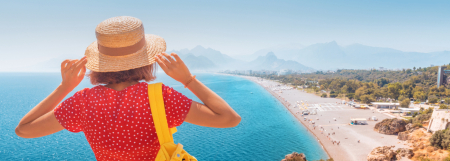
Check this Antalya Turkey Travel Guide to craft your perfect Turkish adventure! Read more!
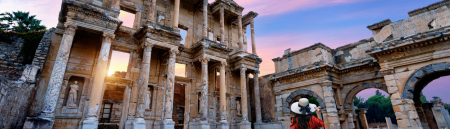
Ephesus is not just a site; it is a magical journey through history that leaves visitors awe-struck and inspired, read the following exclusive guide to know more!
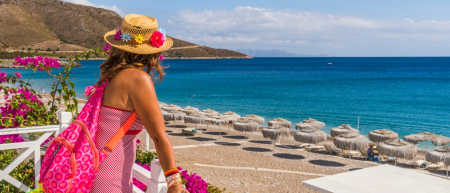
Bodrum, a sun-kissed jewel on Turkey's southern peninsula, weaves together azure bays, golden beaches, and ancient tales, inviting you to lose yourself in a Mediterranean dream where history whispers from every cobblestone and the sea beckons with its siren song. Read More!
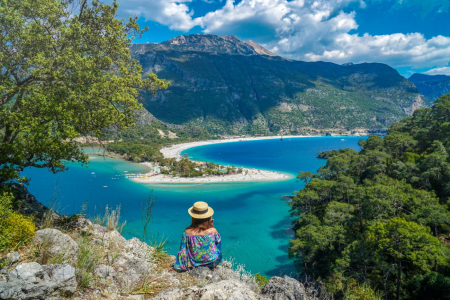
Fethiye stands as one of the most captivating cruise ports along the Turquoise Coast, where golden sands meet azure waters against a backdrop of forested mountains. This hidden paradise has captured our imagination perfectly blending natural beauty and ancient history. Read More!
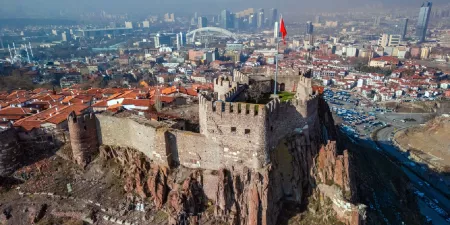
Ankara, the capital of Turkey, blends deep-rooted history with modern governance. From ancient ruins to bustling markets and official institutions, it’s a hub of culture, politics, and national identity.

Located at the Dardanelles Strait, Çanakkale in Turkey offers rich history, from ancient Troy to Gallipoli, plus coastal cuisine, museums, and scenic views across Asia and Europe.
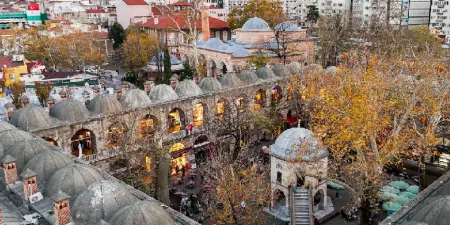
Explore Bursa city, where Ottoman heritage meets natural beauty. Discover it`s top attractions, historic mosques, and vibrant local markets.
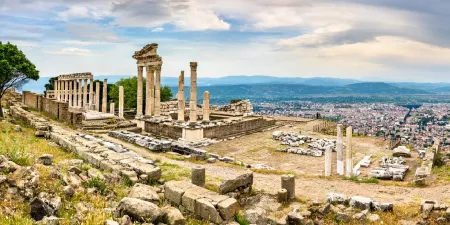
Explore Pergamon in Turkey, an ancient hilltop city known for its dramatic theater, healing center of Asclepius, and rich layers of Hellenistic and Roman heritage.
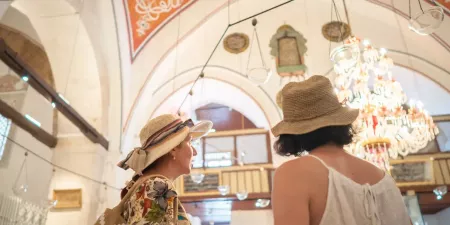
Explore Konya in Turkey, home to Rumi, Seljuk heritage, and iconic Konya attractions like the Mevlana Museum and whirling dervishes.

Marmaris blends beaches, history, and nightlife, making it a top Aegean getaway for sunseekers and culture lovers alike. Discover more about it!
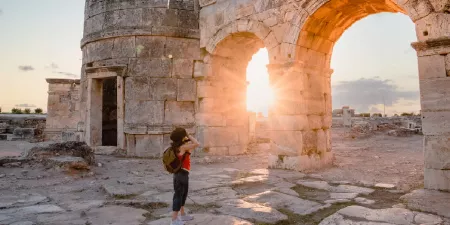
Discover Hierapolis, an ancient Roman city in Turkey, famous for its well-preserved ruins, sacred sites, and views over Pamukkale’s travertine terraces.
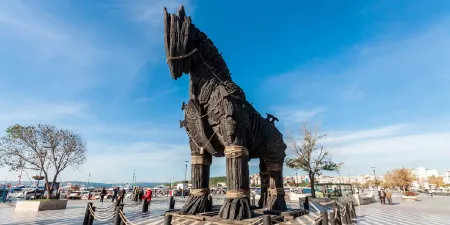
Explore the fascinating story of Ancient Troy, from myth to archaeology. Discover the real Troy, its epic war, legendary heroes, and historical ruins.
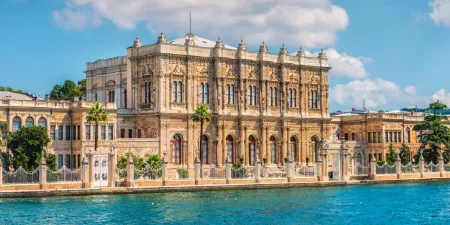
Explore Dolmabahçe Palace, a symbol of Ottoman luxury and European elegance on the Bosphorus, with rich history and breathtaking interiors.

Visit Side in Turkey for ancient wonders, beach escapes, and culture. Discover the best things to do in Side for an unforgettable trip.

Çeşme, Turkey offers sandy beaches, thermal springs, historic castles, and lively Alaçatı—perfect for relaxation and adventure.

From river cruises to mud baths, Dalyan offers endless charm. Discover history, beaches, and top-rated activities in things to do in Dalyan.

Aspendos in Turkey features the legendary Aspendos Theater, a stunning Roman-era structure known for its perfect acoustics and preservation.

Perge in Turkey offers a deep dive into ancient Roman life, with well-preserved ruins and monuments in one of the region’s most iconic cities.

Sumela Monastery is a stunning cliffside monastery near Trabzon, offering rich history, breathtaking views, and a unique spiritual atmosphere.

Explore the ruins of the Mausoleum at Halicarnassus, the iconic Bodrum Mausoleum built for Mausolus and once among the Seven Wonders.

Uludağ mountain is a popular mountain retreat in Turkey, famous for its ski resorts, lush forests, and year-round outdoor activities.

Beyoğlu, Istanbul’s lively district, offers historic landmarks, bustling streets, cultural venues, and endless things to do for every traveler.

Derinkuyu, Cappadocia’s largest underground city, reveals a labyrinth of tunnels and chambers that once sheltered thousands in ancient times.

Kars in Turkey is a historic city known for Ani’s ruins, Kars Castle, and unique local cuisine. Explore top attractions and the best things to do in Kars.
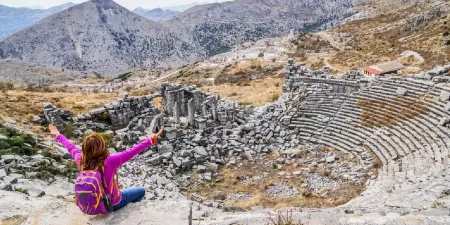
Sagalassos in Turkey is an ancient Pisidian city with Roman ruins, a famous fountain, and breathtaking mountain views.
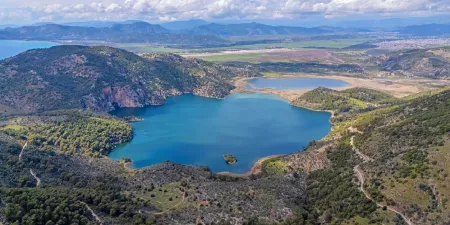
Dalaman in Turkey offers stunning beaches, nature, and history. Check out the best things to do in Dalaman for your next adventure.
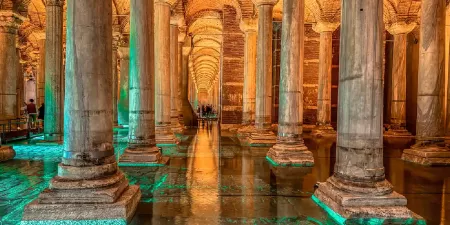
Discover the Basilica Cistern, Istanbul’s hidden underground gem, built by Emperor Justinian with 336 columns and timeless history.
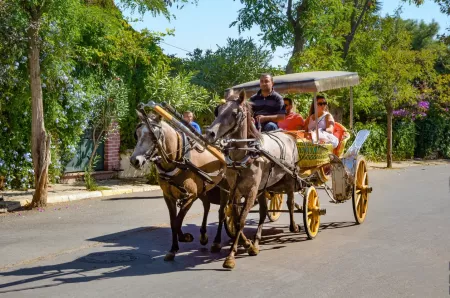
Discover the Princes' Islands in Turkey for a tranquil day of Victorian charm, pine forests, and beaches just a ferry ride from Istanbul! Read More!
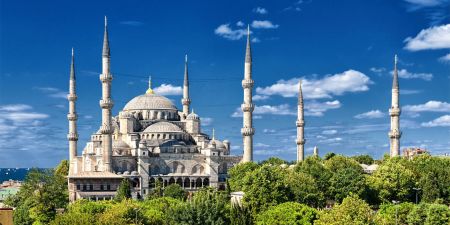
Still figuring out what to do, where to go, when to visit & what sites to see in the mesmerizing city of Istanbul. Then check out our Istanbul Travel Guide for a trip down the discovery lane.
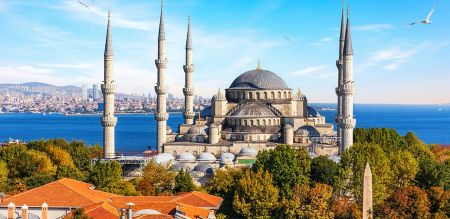
Famous for its sky-blue tiles, The Blue Mosque of Turkey is more than an ancient architectural beauty, it’s a magnificent piece of history. Read on & Discover some of that history & more.
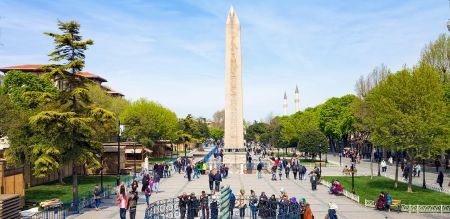
Built by the Romans in AD 203, the Hippodrome of Constantinople is exploding with both Roman & Ottoman history. Read on & Discover more about this magnificent Roman relic in the heart of Turkey.
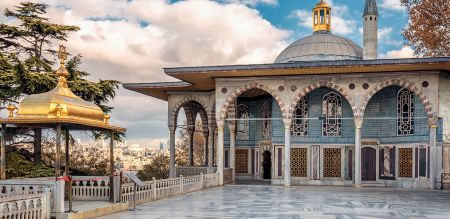
Discover what secrets roam the halls of once the administrative center of the Ottoman sultanate & a majestic palace/ museum, Topkapi Palace check out our article and unravel the marvel of Topkapi Palace.

Cappadocia in Turkey is a city referenced by ancient scriptures and beloved by its inhabitants and visitors alike is a truly spectacular place. Discover the runes, caverns, sites, and the adventure awaiting you in Cappadocia.