
 Home
HomeAttractions in & around Cairo

.jpg "The Great Pyramids of Giza")
Discover the pyramids of giza, Egypt’s iconic wonders. Learn history, tips, and highlights in our complete guide. Start planning your visit today!
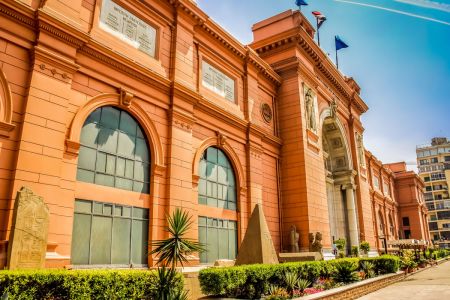
Covering more than 3,000 years, from the Old Kingdom to the Roman period in Egypt. It’s said that if you allowed one minute for each exhibit, it would take nine months to see everything here.
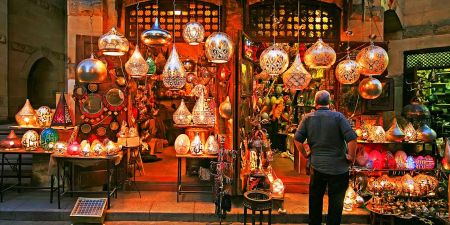
Existing since the Fatimid rule of Egypt, Khan el Khalili is the oldest Bazaars in Cairo always been a purveyor of all that is Precious & rare. Know more about the origins of this mystic bazaar
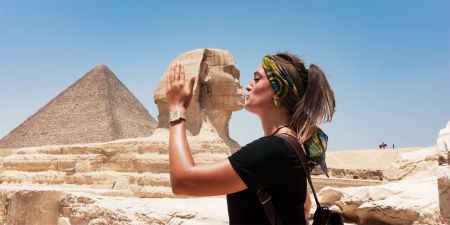
The Giza plateau is filled with Relics of ancient Egypt but few have shared the Reverance and Mysterious origins of the Mighty Sphinx, Dive into the Interesting details about this historical monument.
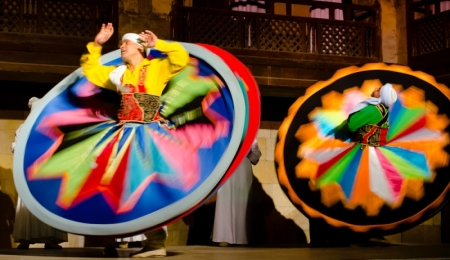
Discover why tanoura show cairo is a traveler’s favorite. Enjoy whirling dervishes, live music, and culture—secure your magical evening now!
.jpg "Saqqara Stepped Pyramid")
Saqqara was one of Egypt's greatest burial cemeteries, and it had been in use for for 3,000 years. The majority of it is still unexplored, but among the wonders on display is the spectacular Step Pyramid of Zoser.
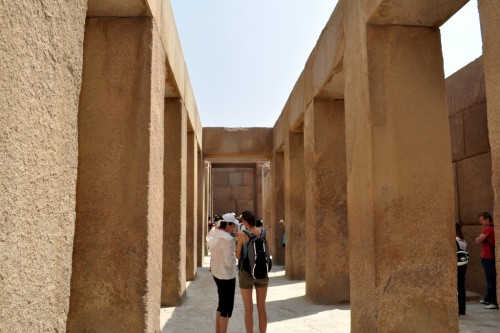
The Valley Temple was buried beneath the sand until it was discovered in 1852 by French Egyptologist Auguste Mariette.
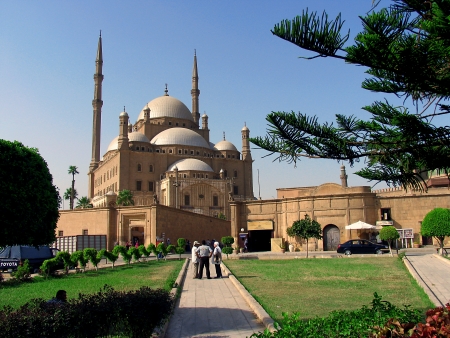
Visit the Saladin Citadel Of Cairo with the iconic Mosque of Muhammad Ali Cairo. Learn history and plan your Cairo adventure now!
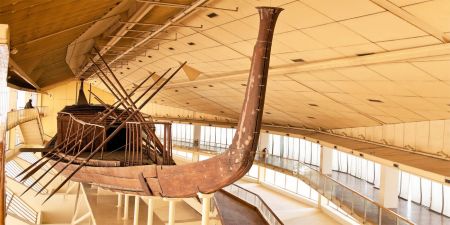
One of the many marvels of ancient Egypt is the Khufu Solar Boat, Residing in the Khufu ship museum. Discover more about this masterpiece, its history, discovery and purpose
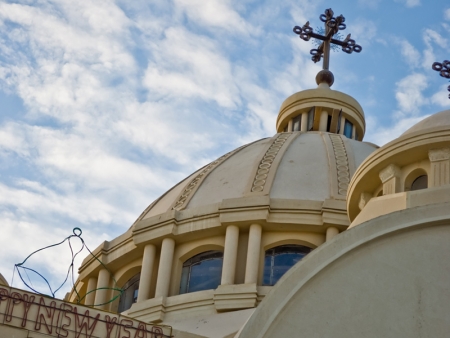
Saint George Church was constructed by Athanasius during the time of Ibn Marwan, Governor of Egypt, and is referenced in the History of the Coptic Patriarchs and by Al-Maqrizi.
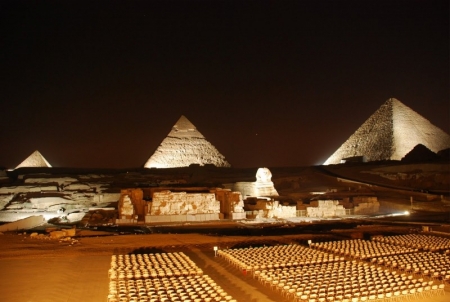
You enjoy the light and sound spectacle near the pyramids and Sphinx. The Sphinx retells history, revealing the world's most ancient mysteries.
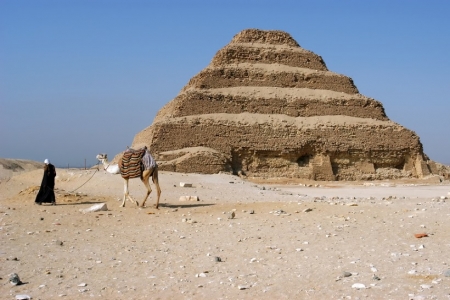
The greatest tomb in Saqqara is that of King Zoser (Djoser), whose Step Pyramid marked the beginning of the Pyramid Age.
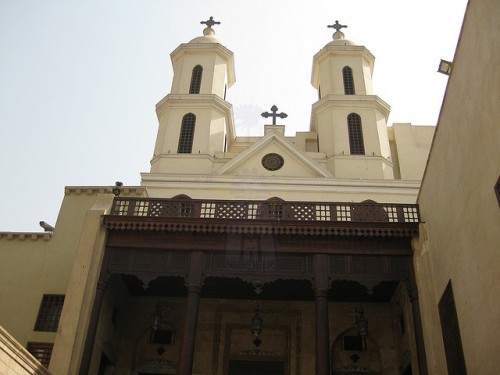
The most well-known church in Cairo is the Al Muallaqa church and one of the oldest in Coptic Egypt. Because it was built above the Babylon Fortress, it is named Al Muallaqa and is devoted to the Virgin Mary.
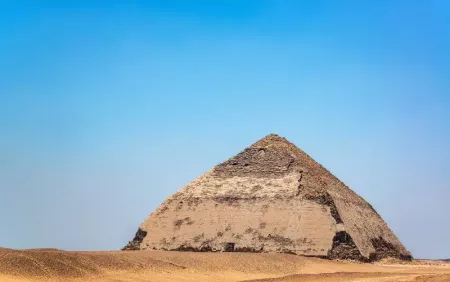
The Bent Pyramid at Dahshur features a rare bent profile created by ancient construction adjustments, offering insight into Egypt’s earliest attempts at smooth-sided pyramids.
.jpg "Coptic Cairo")
Coptic-cairo reveals Egypt’s Christian heritage through stunning churches and museums. Explore its wonders and plan your unforgettable visit!
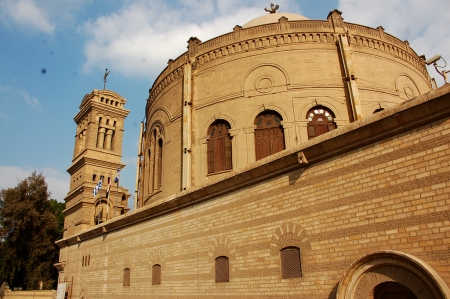
Saint Barbara’s Church in Coptic Cairo is one of Egypt’s oldest Christian monuments, dating back to the 5th–6th century. Known for housing the relics of Saint Barbara, the church reflects centuries of Coptic heritage, architectural evolution, and deep spiritual significance.

Explore the Fortress of Babylon, a major Roman fort in Old Cairo known for its strategic location, massive towers, and enduring historical significance.
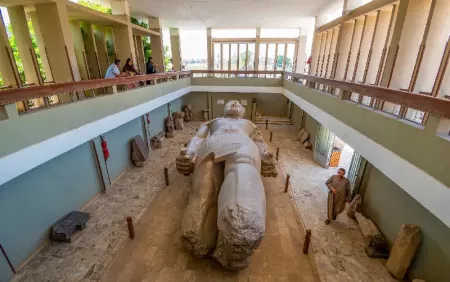
Memphis Necropolis is Egypt’s ancient royal burial site, home to pyramids, tombs, and monuments that reflect the early development of pharaonic civilization.
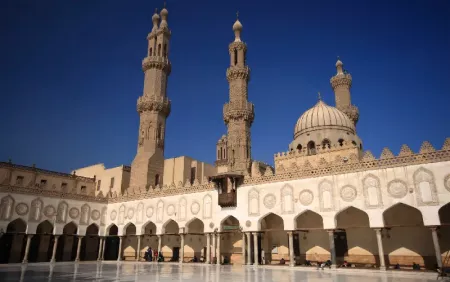
Al-Azhar Mosque is a landmark of Islamic scholarship and Fatimid architecture, home to the world’s second-oldest university and a symbol of Cairo’s spiritual heritage.
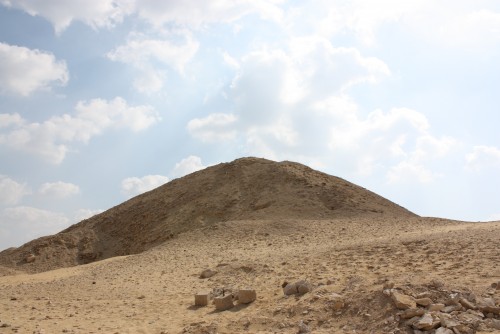
Teti’s Pyramid in Saqqara is an Old Kingdom monument built for the first king of the Sixth Dynasty. Known for its Pyramid Texts and unique mortuary chapel, it remains one of Egypt’s most historically important royal tombs.
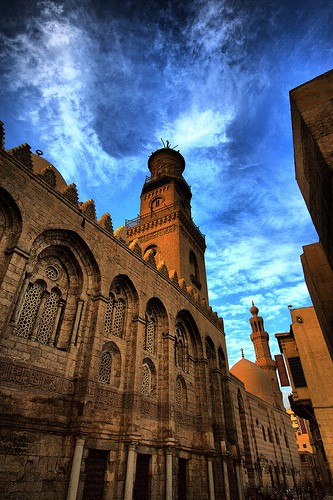
Al Muizz Street is one of Cairo’s oldest and most vibrant historic avenues, showcasing centuries of Islamic architecture. Lined with mosques, palaces, and bustling markets, it offers a captivating walk through Egypt’s medieval past.
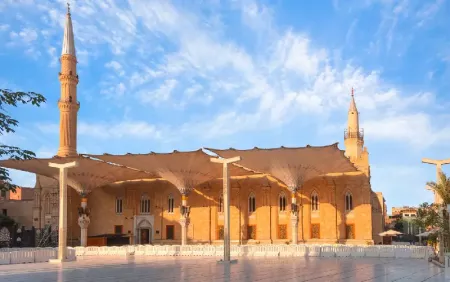
Al-Hussein Mosque is one of Cairo’s most sacred Islamic landmarks, built in 1154 and revered for housing the head of Imam Hussein. Located by Khan El-Khalili, it blends centuries of architectural heritage and remains a major pilgrimage site.
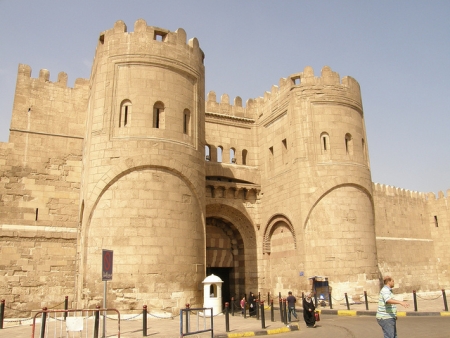
Bab al-Futuh is an 11th-century Fatimid gate in Old Cairo, famous for its massive round towers and strategic role in the city’s medieval fortifications.
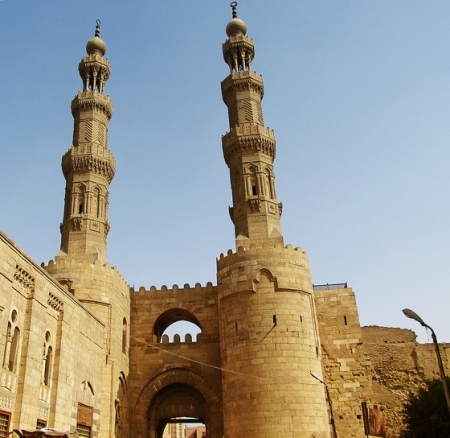
Bab Zwayla was the city's major southern entrance during Fatimid rule. It was built in the 1090s to enhance the Fatimid city's defences (with sixty gates) using Anatolian or Mesopotamian Christian architects and Egyptian labour.
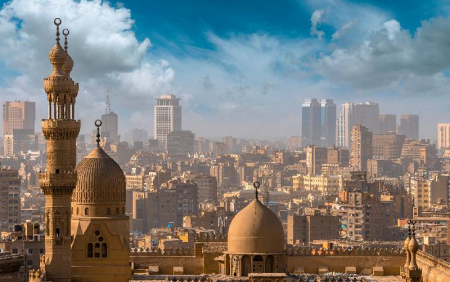
Al Rifai Mosque in Cairo blends Neo-Mamluk architecture with royal history. Completed in 1912, it serves as both a majestic mosque and mausoleum for Muhammad Ali’s family.
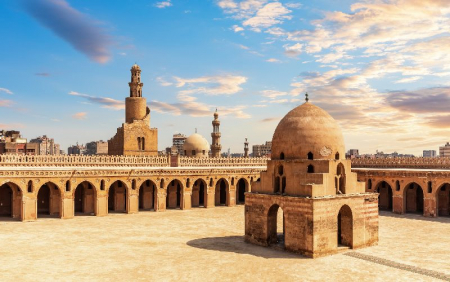
The Ibn Tulun Mosque, Cairo’s oldest well-preserved mosque, dates back to 879 CE. Famous for its vast square layout, intricate arches, and 128 ornate stucco windows, it remains a pinnacle of early Islamic architecture and a must-visit historical landmark.
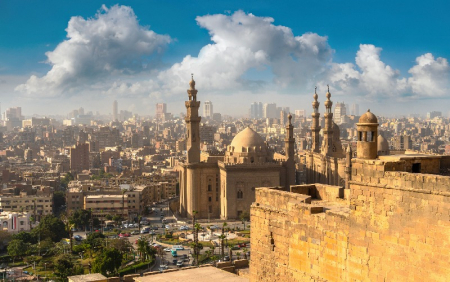
The Sultan Hassan Mosque, built in the 14th century, is a Bahri Mamluk architectural marvel in Cairo, renowned for its grand portal, extensive madrasas, and historic significance.
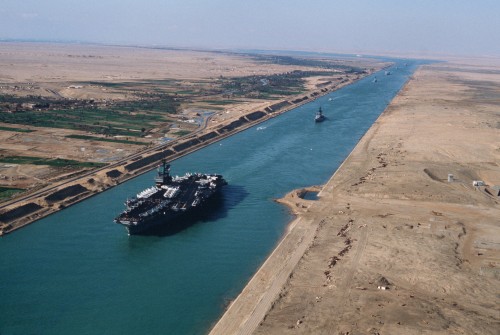
Before the 167 Km (140 miles) Suez Canal opened in 1869, European ships had to cruise around southern Africa to reach the East, therefore it halved the distance between Europe and Asia. The Suez Canal connects the Mediterranean to the Red Sea.
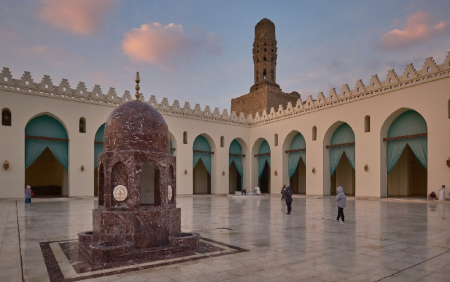
Al-Hakim Mosque, Cairo, is a stunning Fatimid-era mosque built between 990–1013 CE. Famous for its grand courtyard, distinctive minarets, and rich history, it remains a key cultural and religious landmark.
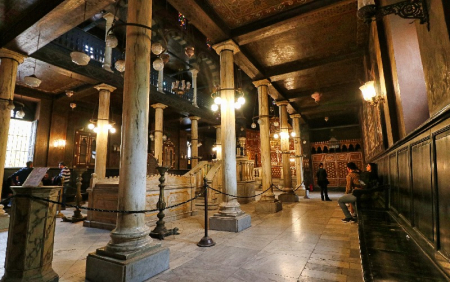
The Ben Ezra Synagogue, founded in the 11th century in Old Cairo, is Egypt’s oldest Jewish monument and the discovery site of the renowned Cairo Geniza.
Frequently Asked Questions
Got questions? We’ve got answers. Find everything you need to know to plan your perfect trip.
A: Most travelers start from Sharm El Sheikh in the evening to climb Mount Sinai overnight, either by the steep Steps of Penitence or the gentler El Bashait route. Reaching the summit at sunrise offers unforgettable views. After descending, visitors often tour St. Catherine’s Monastery, one of the world’s oldest Christian monasteries, built on the site of the Biblical Burning Bush.
A: Visitors can explore rare religious art, ancient icons, and one of the world’s most important manuscript collections inside St. Catherine’s Monastery. The highlight is the Chapel of the Burning Bush, next to the legendary Rubus Sanctus plant, believed to be where Moses encountered God.
A: St. Catherine’s National Park is a biodiversity hotspot, home to rare animals like the Sinai Rosefinch, Ibex, wolves, striped hyenas, and unique plants such as the Sinai primrose. Thoughtful conservation ensures visitors can explore this natural wonder without harming its delicate ecosystem.
A: Safaga is 53 km south of Hurghada along the Red Sea coast. It is known for pristine beaches, calm waters, bungalows, resorts, and a peaceful environment.
A: Visit ancient and religious sites early in the day when it’s cooler, and explore museums and indoor attractions later in the day.
A: Cairo, Luxor, and Sharm El-Sheikh are ideal for families. Must-see attractions include the Pyramids of Giza, Karnak Temple, Nile felucca rides, the Alexandria Library, and the White Desert, offering history, adventure, and interactive experiences for children of all ages.
Egypt has over 30 protected areas, including several officially recognized national parks such as Ras Mohammed, Wadi El Gemal, and White Desert.
Discover More About Egypt
Explore unique stories, insider tips, and must-see spots to make the most of your visit.