Home
HomeNational Parks in Egypt
Discover Egypt’s stunning natural side through its diverse national parks. From coral reefs and deserts to oases and sacred mountains, Egypt’s protected areas reveal breathtaking landscapes, rare wildlife, and cultural treasures waiting to be explored on your next adventure.

Introduction
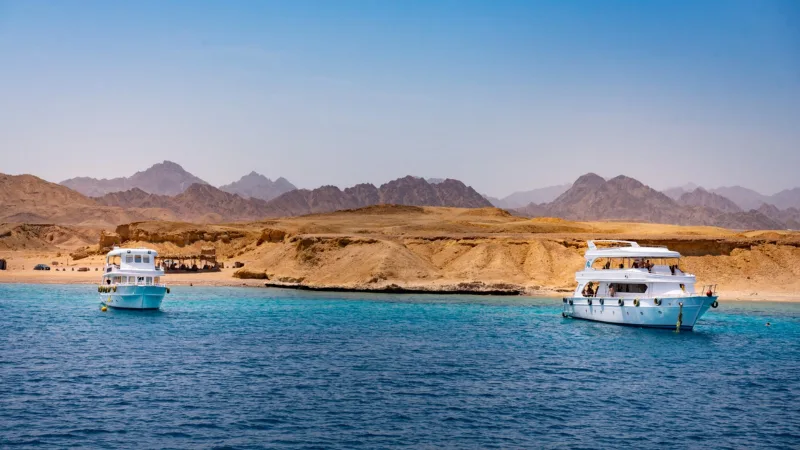
Egypt, known primarily for its ancient monuments and the Nile River, is also home to diverse ecosystems that span deserts, coral reefs, mountains, and oases. To protect its natural heritage, Egypt has established over 30 protected areas across the country, including several designated national parks. These parks preserve rare flora and fauna, unique geological formations, and cultural heritage sites that highlight the nation’s environmental and historical diversity. Below are five of Egypt’s most famous and breathtaking national parks that offer a glimpse into the country’s wild beauty.
1. Wadi El Gemal National Park
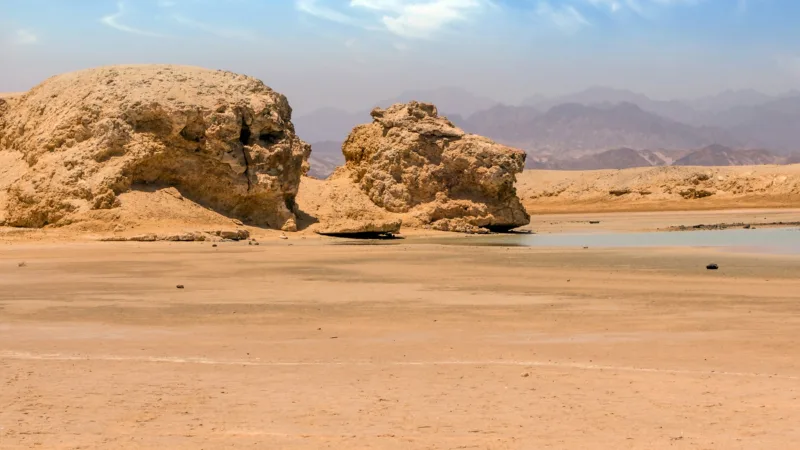
Located along Egypt’s Red Sea coast in the Eastern Desert, Wadi El Gemal National Park, or “Valley of the Camels,” is a remarkable reserve that combines desert landscapes, coastal plains, and vibrant marine habitats. The park is home to an impressive variety of wildlife, including gazelles, Nubian ibex, and endangered sea turtles that nest along its pristine beaches. Beyond its natural beauty, Wadi El Gemal also preserves traces of human history, from ancient Roman mining sites to the ruins of early Christian monasteries, offering a glimpse into Egypt’s rich past. Visitors can immerse themselves in eco-tourism activities such as hiking through rugged terrain, snorkeling among colorful coral reefs, and bird-watching in tranquil spots, making Wadi El Gemal an ideal destination for adventure seekers, nature lovers, and culture enthusiasts alike.
2. White Desert National Park
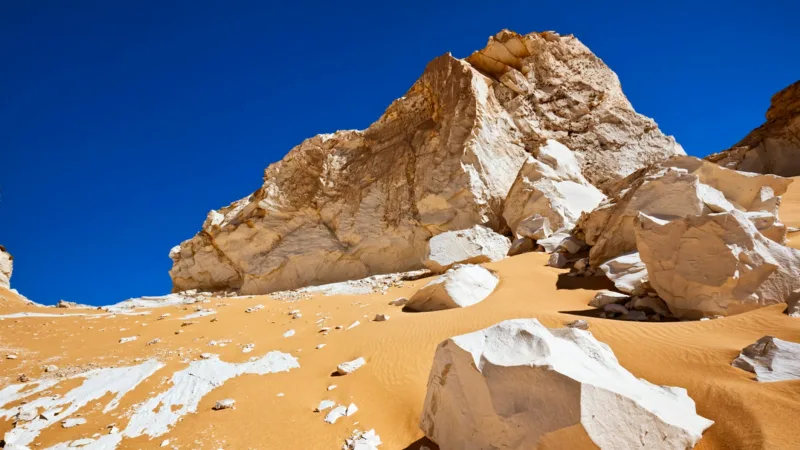
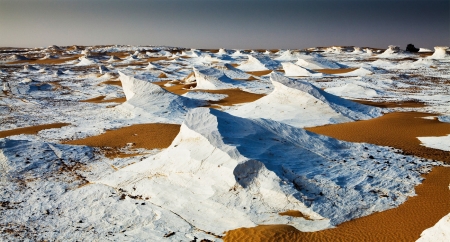
Located in the remote Farafra Depression of western Egypt, the White Desert National Park is one of the country’s most striking and surreal landscapes. Its chalk rock formations, sculpted over millennia by wind and sand, create a unique moonscape that captivates every visitor. These natural sculptures glow dazzling white under the sun and shift to warm golden and pink hues at sunset, providing an extraordinary backdrop for photography and sightseeing. Beyond its dramatic scenery, the park shelters rare desert wildlife, including the elusive fennec fox and Dorcas gazelle, offering nature enthusiasts a chance to observe creatures adapted to harsh desert conditions. Travelers often embark on guided tours to explore hidden valleys and rock formations, while camping overnight in the desert provides an unforgettable experience under a sky filled with stars, far from city lights. With its combination of natural beauty, adventure, and tranquility, the White Desert National Park is truly one of Egypt’s most extraordinary destinations, appealing to photographers, adventurers, and anyone seeking a magical encounter with nature.
Customize Your Dream Vacation!
Get in touch with our local experts for an unforgettable journey.
Plan Your Trip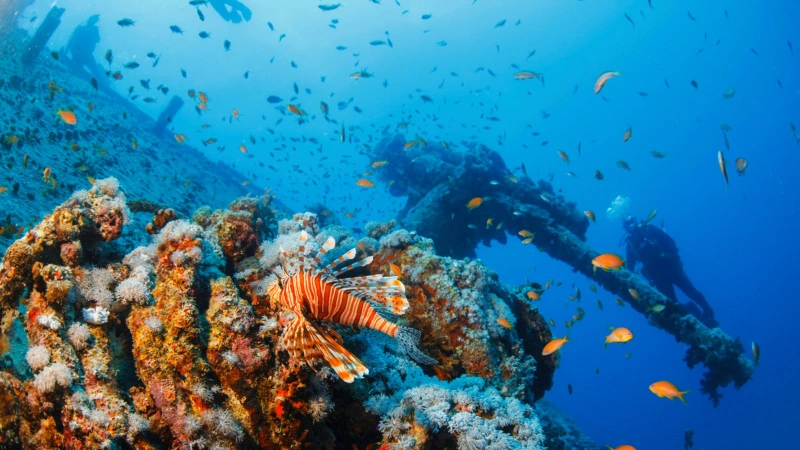
3. Ras Mohammed National Park
Located at the southernmost tip of the Sinai Peninsula near Sharm El Sheikh, Ras Mohammed National Park is Egypt’s first—and still its most iconic—protected area. Established in 1983, the park spans an impressive land and marine area that showcases some of the Red Sea’s most extraordinary natural treasures. Its diverse ecosystem includes pristine coral reefs, coastal mangroves, saltwater lakes, sweeping desert plains, and dramatic rocky cliffs shaped by millennia of geological activity.
Ras Mohammed is world-renowned among divers and snorkelers, offering access to over 200 vibrant coral species and more than 1,000 types of marine life, including colorful reef fish, sea turtles, rays, and seasonal sightings of dolphins and sharks. The waters here are exceptionally clear, making it a bucket-list destination for underwater photography and beginner-friendly snorkelling experiences.
Above water, the scenery is just as spectacular. Visitors can explore the enchanting Mangrove Channel, the earthquake-formed Crack of Earth, panoramic cliff viewpoints overlooking the Red Sea, and the serene Magic Lake, known for its shifting colors throughout the day. The park is not only a natural wonder but also a cornerstone for marine research and environmental conservation, playing a critical role in protecting the delicate Red Sea ecosystem from human impact.
Whether you’re an adventure seeker, a marine enthusiast, or simply a lover of nature’s untouched beauty, Ras Mohammed National Park offers an unforgettable blend of tranquility, biodiversity, and breathtaking landscapes.
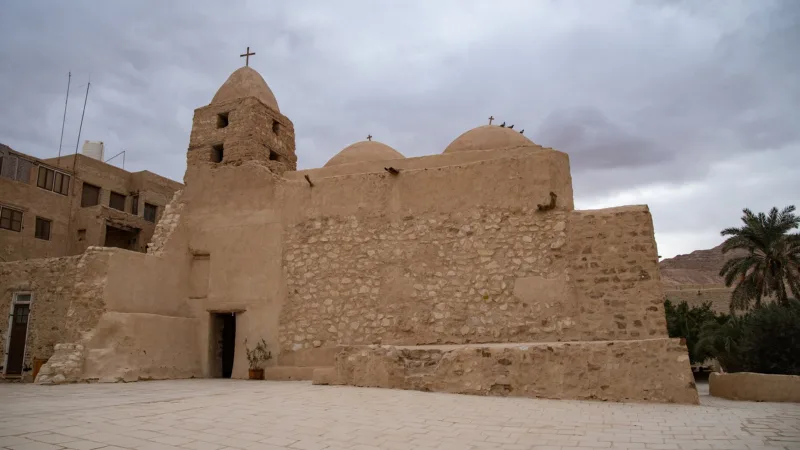
4. St. Katherine Protectorate
Situated in the heart of the Sinai Peninsula, the St. Katherine Protectorate is Egypt’s largest protected area and one of its most remarkable natural and cultural treasures. The protectorate encompasses Mount Catherine, the highest peak in Egypt, and the sacred Mount Sinai, a site of profound religious significance for Christianity, Judaism, and Islam. This UNESCO World Heritage Site is home to a diverse range of flora and fauna, including rare desert plants and unique wildlife adapted to the rugged terrain. The area is also inhabited by Bedouin communities who have preserved their traditional lifestyles for centuries, offering visitors a glimpse into their culture and customs. Adventurers and pilgrims flock here to hike the challenging trails, culminating in the unforgettable experience of watching the sunrise from Mount Sinai’s summit. The sweeping panoramic views of jagged mountains and desert plains are awe-inspiring, making St. Katherine Protectorate a destination that combines natural splendor, spiritual reflection, and cultural immersion for travelers from around the world.
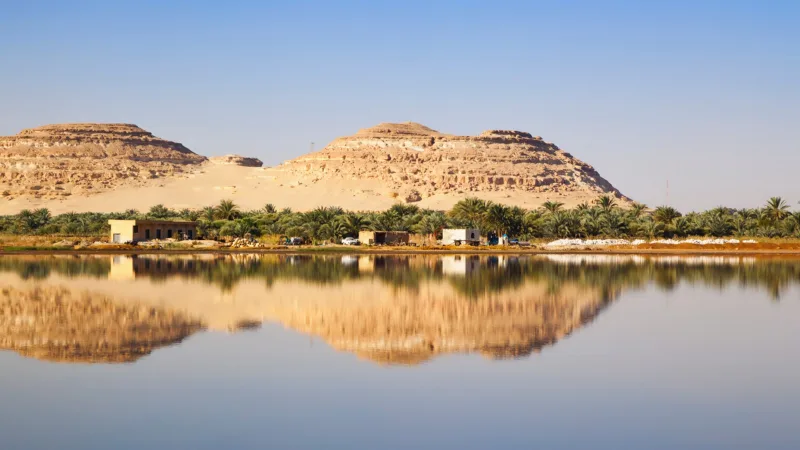
5. Siwa Oasis Protected Area
Nestled near Egypt’s western border with Libya, the Siwa Oasis Protected Area is one of the country’s most secluded and captivating destinations. Known for its stunning salt lakes, verdant palm groves, and ancient historical sites such as the Temple of the Oracle of Amun, Siwa offers a rare blend of natural beauty and rich heritage. The oasis is home to the indigenous Siwan people, who maintain their own language, customs, and unique way of life, providing visitors with an authentic cultural experience unlike anywhere else in Egypt. Travelers can wander through vast sand dunes, soak in rejuvenating natural springs, or explore historic mud-brick villages that have stood for centuries. With its serene landscapes, ancient ruins, and warm local hospitality, Siwa Oasis embodies a timeless charm, making it a must-visit destination for those seeking both adventure and tranquility in Egypt’s Western Desert.
Conclusion
Egypt’s national parks reveal a side of the country often overlooked by those focused solely on its ancient monuments. From the coral reefs of Ras Mohammed to the chalk landscapes of the White Desert and the cultural treasures of St. Katherine and Siwa, these protected areas showcase Egypt’s extraordinary environmental and cultural richness. Exploring them offers travelers a deeper appreciation of Egypt’s natural heritage and the importance of conservation in preserving its beauty for generations to come.
Egypt has over 30 protected areas, including several officially recognized national parks such as Ras Mohammed, Wadi El Gemal, and White Desert.
The best time to visit is between October and April, when temperatures are moderate, making it ideal for hiking, diving, and desert exploration.
Most national parks require a small entry fee, and some — like Ras Mohammed or Wadi El Gemal — may require diving or camping permits.
Yes, Egypt’s main national parks are considered safe and are popular with both domestic and international visitors, especially when visited through licensed tour operators.
Activities include diving, snorkeling, hiking, bird-watching, desert safaris, cultural tours, and camping under the stars, depending on the park’s location and ecosystem.
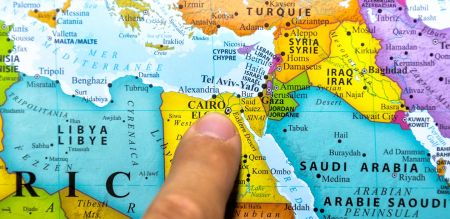
Asking where is Egypt on the Map! Find a detailed Map of Egypt and it's many cities and attractions to begin deciding where you want to go with Memphis Tours.
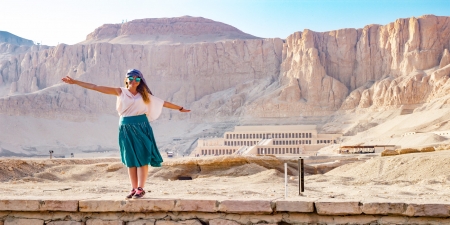
Egypt has been a popular destination for tourists around the world for decades filled to the brim with things to do, places to see our Guide will help you get the most of your trip with ease.
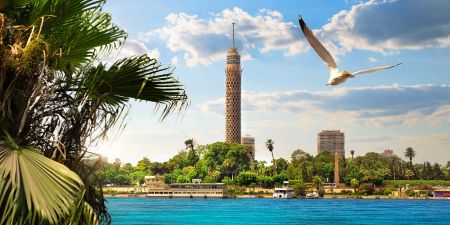
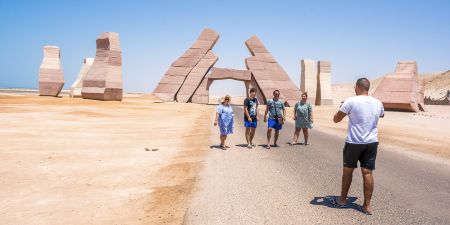
Discover Egypt’s stunning natural side through its diverse national parks. From coral reefs and deserts to oases and sacred mountains, Egypt’s protected areas reveal breathtaking landscapes, rare wildlife, and cultural treasures waiting to be explored on your next adventure.
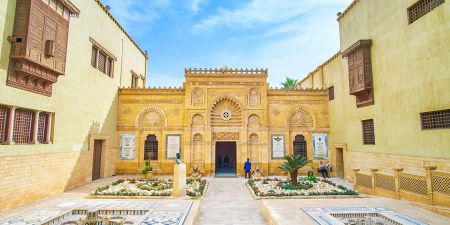
An important event that occurred in Egypt was the arrival of Jesus Christ and the Holy Family, Know more about the journey of the Holy Family where they stayed, and what they did.

Egypt is a bright and colourful country with vibrant people and a happy spirit. Throughout Egypt, all regions have celebrations for the Christmas and New Year season. Fireworks, special events and organised activities are laid on for the tourists visiting to ensure a memorable festive season in Egypt.