Home
Home
The most stunning locations within the Sinai Region of Egypt are undoubtedly Mount Sinai and Saint Catherine’s Monastery. Sitting majestically within this diverse location, it is simply magical with endless views and intense sunsets and sunrises
Location:
Situated just a short distance from Egypt’s beautiful Red Sea and all its wonderful attractions, there are few places in the world where you can be in such an awe-inspiring part of the world. Even before written history, oral traditions strongly favour this as the real site, and that spoken history has been handed down to us today. It is certainly true that the sheer magnificence of these mountains, and their isolation from everyday life, has inspired people of all religions.
Interesting Facts:
The traditional Mount Sinai is the name of a collection of peaks, sometimes called the Holy Mountains. At its southern end is Mount Musa (the mountain of Moses), traditionally believed to be the place where Moses communicated with God and received the Ten Commandments.
Mount Musa (Moses Mountain) is not the highest peak in Sinai. That honour belongs to nearby Mount Catherine which, at over 2500 metres high, is also the highest mountain in Egypt.
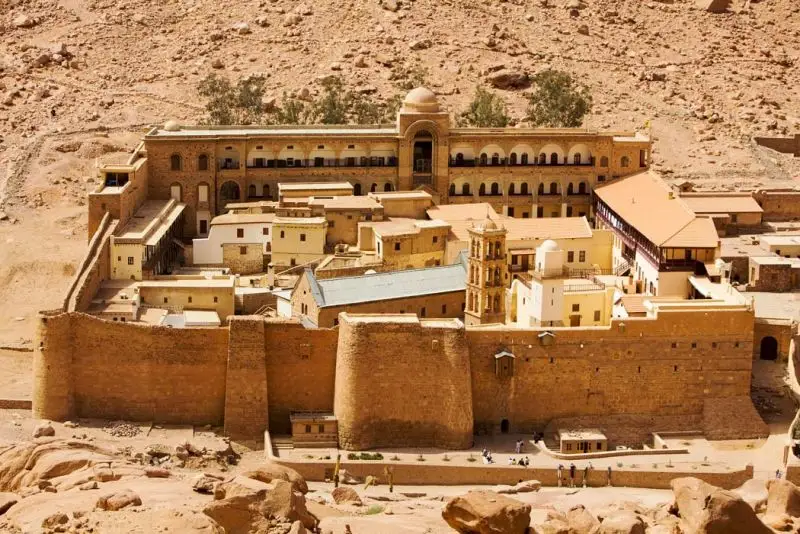
A: Mount Sinai and St. Catherine’s Monastery are among the most sacred and scenic places in Egypt’s Sinai region. Mount Musa, traditionally believed to be where Moses received the Ten Commandments, offers breathtaking sunrise and sunset views. Nearby Mount Catherine, Egypt’s highest peak, and the ancient monastery nestled below add to the area’s deep spiritual and historical significance.
If you’re planning to climb Mount Sinai, you’ll find several routes available, each offering a unique perspective on this unforgettable spiritual and scenic journey. Known for its deep religious significance and breathtaking natural beauty, Mount Sinai attracts pilgrims, adventurers, and travelers from all over the world. The experience of standing at the summit, where many believe Moses received the Ten Commandments, is both humbling and awe-inspiring, making the climb a memorable highlight of any visit to the region.
One of the most famous and historically significant paths is Siket Syidna Musa, often referred to as the Steps of Penitence. This route is the steepest and shortest way to the top but also the most physically demanding. It features approximately 3,750 stone steps, carefully carved centuries ago by the monks of St. Catherine’s Monastery, located at the mountain’s northeastern base. The steps wind dramatically upward through rugged terrain, offering moments of challenge but also rewarding climbers with quiet pauses and spectacular views of the desert landscape. Because of its steep incline, this path is usually recommended for those who are relatively fit or experienced in hiking.
Many travelers choose to begin their ascent late at night. Climbing in the cool darkness not only helps avoid the intense daytime heat of the Sinai Peninsula but also creates a serene and spiritual atmosphere. The silence of the night, broken only by the crunch of footsteps on the stone path, adds a reflective quality to the experience. Reaching the summit just before dawn allows visitors to witness one of the most breathtaking sunrises in the Middle East. As the sun rises over the surrounding mountains, the desert glows with shades of gold, purple, and soft orange—a sight that many describe as deeply moving and worth every step of the climb.
For those who prefer a gentler and more gradual ascent, the El Bashait route offers an ideal alternative. This longer path winds slowly around the mountain and can be completed on foot or by camel, making it suitable for travelers of varying fitness levels. The journey typically takes around two and a half hours, depending on pace and conditions. Along the way, small stalls operated by local Bedouins offer tea, snacks, and refreshments, giving climbers a chance to rest and enjoy the peaceful surroundings. This path is less steep than the Steps of Penitence and provides ample time to soak in the tranquil desert atmosphere.
A typical Moses Mountain itinerary from Sharm El Sheikh begins in the late evening with a comfortable two-hour drive to the base of Mount Sinai. After completing the climb and watching the magnificent sunrise, visitors make their descent and proceed to explore the historic St. Catherine’s Monastery. Built between 527 and 565 CE by order of Emperor Justinian, this ancient monastery stands on the site believed to be where Moses encountered the Burning Bush. Its rich history, religious significance, and remarkable architecture make it an essential final stop to complete the Mount Sinai experience.
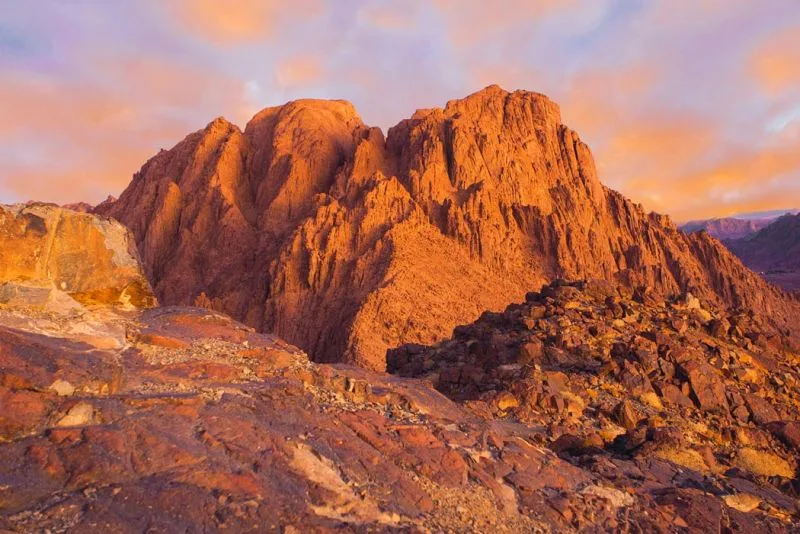
A: Most travelers start from Sharm El Sheikh in the evening to climb Mount Sinai overnight, either by the steep Steps of Penitence or the gentler El Bashait route. Reaching the summit at sunrise offers unforgettable views. After descending, visitors often tour St. Catherine’s Monastery, one of the world’s oldest Christian monasteries, built on the site of the Biblical Burning Bush.
Saint Catherine’s Monastery
Upon entering St. Catherine’s Monastery, visitors immediately feel the weight of history and spirituality that permeates every corner of this sacred site. Nestled at the foot of Mount Sinai, the monastery is one of the oldest continuously operating Christian monasteries in the world. Its remarkable preservation and profound religious importance have earned it a place as a UNESCO World Heritage Site. For centuries, it has served as a sanctuary of faith, culture, and learning, drawing pilgrims, scholars, and travelers from across the globe.
Inside the monastery walls, guests are greeted by an extraordinary collection of ancient and sacred art. The monastery houses priceless treasures that span multiple eras and artistic traditions. Among these are intricate Arab mosaics, exquisitely detailed Greek and Russian icons, and beautifully crafted European oil paintings. Each piece reflects a unique cultural influence, showcasing the diverse communities that have interacted with and contributed to the monastery over time. The wide range of religious artifacts—chalices, vestments, crosses, and liturgical objects—demonstrates the depth of devotion and craftsmanship that has flourished here for generations.
One of the most remarkable features of St. Catherine’s Monastery is its renowned library, considered one of the most significant in the world. Home to nearly 5,000 volumes of rare manuscripts, it holds the second-largest collection of illuminated manuscripts globally, surpassed only by the Vatican. These manuscripts are written in a wide variety of languages, including Greek, Arabic, Syriac, Georgian, Armenian, and more. The diversity of languages and texts reflects the monastery’s long-standing role as a crossroads of cultures and spiritual traditions. Scholars continue to study these manuscripts today, gaining insights into early Christian history, theology, and monastic life.
Because St. Catherine’s remains a functioning monastery, visitors are kindly asked to maintain a respectful attitude and dress modestly. The monastery is home to a small community of Greek Orthodox monks who carry on centuries-old traditions of prayer and stewardship.
At the heart of the monastery lies one of its most spiritually significant sites: the Chapel of the Burning Bush. This modest yet deeply revered chapel is believed to stand beside the very spot where Moses encountered God through the burning bush, as described in the Book of Exodus. The bush itself, known as Rubus Sanctus, is a rare species that continues to grow nearby. Pilgrims from around the world visit this sacred spot, drawn by its profound connection to a pivotal moment in Abrahamic religious history.
The monastery’s imposing fortified granite walls, constructed during the reign of Emperor Justinian in the 6th century, were originally designed to protect the monks and their treasures from invaders and the harsh conditions of the desert. Their sturdy construction has allowed the monastery to survive centuries of political and social upheaval virtually untouched. What makes St. Catherine’s particularly unique is its history of protection by leaders of various faiths—Christian, Jewish, and Muslim. The Prophet Muhammad himself is said to have granted the monastery a document ensuring its safety, further cementing its role as a symbol of peace and coexistence.
Visitors walking through the complex will find a blend of serenity, history, and architectural beauty. The courtyards, chapels, and simple monastic buildings reflect the quiet life of prayer and contemplation that has defined the monastery for more than 1,400 years.
Note:
Before planning a visit, it is essential to check St. Catherine’s Monastery’s opening hours, as it is closed on certain days and during religious holidays. Arriving early is recommended to avoid crowds and fully appreciate the tranquility and significance of this extraordinary holy site.
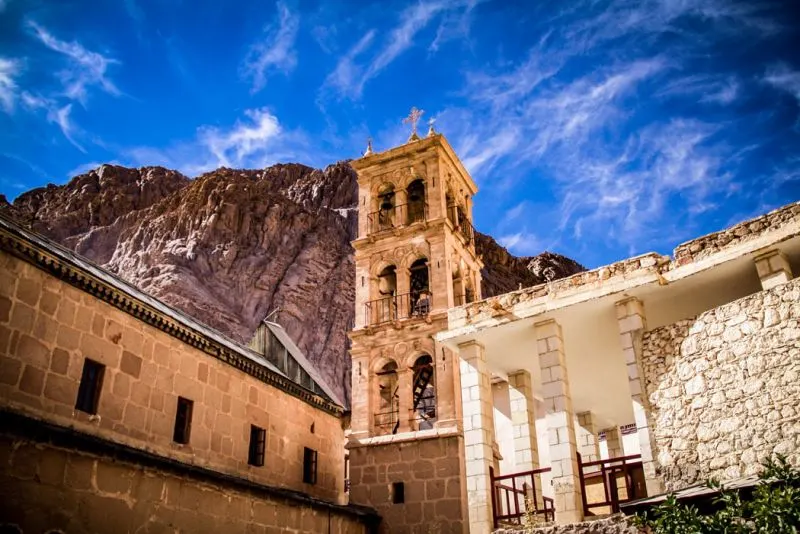
A: Visitors can explore rare religious art, ancient icons, and one of the world’s most important manuscript collections inside St. Catherine’s Monastery. The highlight is the Chapel of the Burning Bush, next to the legendary Rubus Sanctus plant, believed to be where Moses encountered God.
Customize Your Dream Vacation!
Get in touch with our local experts for an unforgettable journey.
Plan Your TripSinai’s Additional Attractions
Surrounding St. Catherine’s Monastery lies the vast and breathtaking St. Catherine’s National Park, one of Egypt’s most remarkable natural reserves and a haven for biodiversity, history, and geological wonders. Covering rugged mountains, sweeping valleys, and hidden oases, the park is a sanctuary for countless species of plants and wildlife—many of which are found nowhere else on the planet. Its dramatic landscapes and ecological significance make it an essential destination for nature lovers, hikers, and anyone seeking a deeper connection with the Sinai Peninsula’s natural heritage.
The park boasts an impressive variety of wildlife that reflects the region’s unique position at the crossroads of Asia, Africa, and Europe. Among its most notable residents is the Sinai Rosefinch, a charming pink-hued bird originating from Asia and considered one of the national symbols of Jordan. Its appearance adds a splash of color to the stark desert backdrop. From the European continent come species like the Ibex, known for its impressive curved horns and agility on steep rocky cliffs, and the elusive wolf, which roams the remote mountain areas far from human presence.
Africa also lends its share of wildlife to this extraordinary reserve, including the striped hyena, a shy and rarely seen animal that plays a vital role in maintaining ecological balance, and Tristram’s Grackles, beautiful black birds with striking orange wing patches that often follow hikers in hopes of sharing their snacks. These species highlight the unique blend of regional ecosystems that make the Sinai such an exceptional biological crossroads.
Perhaps even more fascinating is the park’s collection of endemic species—animals and plants that exist only in this region. St. Catherine’s National Park is home to two species of snakes unique to the Sinai, making it a point of interest for biologists and herpetologists. Additionally, around twenty plant species grow exclusively in this area, adapted to the extreme climate and rocky terrain. One of the most captivating examples is the Sinai primrose, a delicate flowering plant that blooms in shades of pink and purple, adding unexpected beauty to the rugged mountain environment.
The extraordinary biodiversity found here is no accident. Through careful management and conservation efforts, the park has succeeded in preserving its fragile ecosystems while making them accessible to visitors. Local Bedouin communities also play a significant role in these efforts, offering traditional knowledge and sustainable practices that have helped maintain the balance of life in the mountains for centuries.
For visitors, the park provides an ideal opportunity to immerse themselves in the natural beauty of the Sinai. Whether hiking through narrow wadis, exploring high-altitude plateaus, or simply observing wildlife in its natural habitat, every moment offers a connection to the region’s geological and ecological history. The dramatic rock formations, shaped by millennia of wind and erosion, create stunning vistas that leave a lasting impression.
Thanks to ongoing preservation efforts, St. Catherine’s National Park remains a thriving natural gem—one that invites travelers to experience the extraordinary diversity and timeless magic of the Sinai Peninsula.
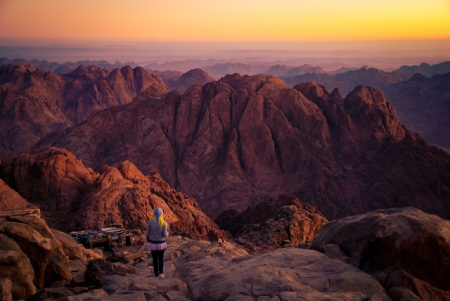
A: St. Catherine’s National Park is a biodiversity hotspot, home to rare animals like the Sinai Rosefinch, Ibex, wolves, striped hyenas, and unique plants such as the Sinai primrose. Thoughtful conservation ensures visitors can explore this natural wonder without harming its delicate ecosystem.
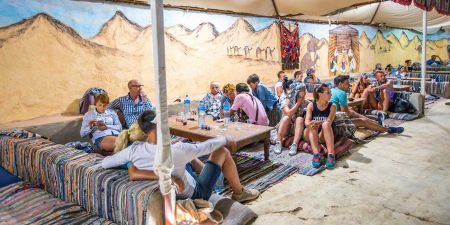
Sharm El Sheikh is a sunny seaside town of long sandy beaches and excellent water sports facilities. Memphis Tours will tell you what to do in Sharm El Sheikh!

Hurghada is Egypt's most famous and oldest resort. Because of the clean clear blue water of the Red Sea and an abundance of marine life as Hurghada is renowned as one of Egypt's primary capitals of snorkeling and scuba diving.
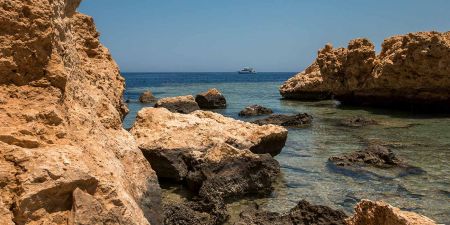
Ras Muhammad National Park is located on the Sinai Peninsula in Egypt and is one of the most famous national parks in Egypt as over 220 species of coral exist in Ras Mohammed National Park.
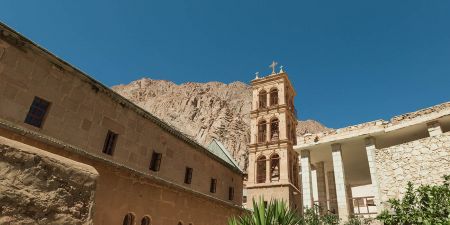
The most stunning locations within the Sinai Region of Egypt are undoubtedly Mount Sinai and Saint Catherine’s Monastery. Discover more about these two majestical locations within this diverse location with our article.
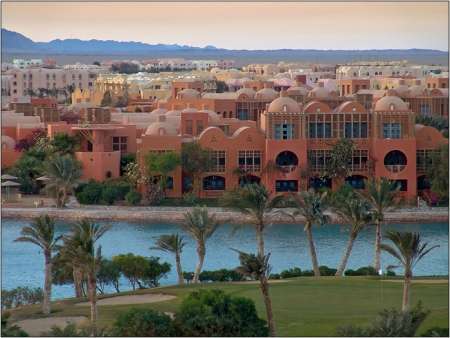
El Gouna on Egypt's Red Sea is one of the irresistible resorts in Egypt and it is noted for its lagoons and is situated along the coast and on tiny islands.

Marsa Alam became a well-known vacation spot. Marsa Alam is one of the greatest places for diving and snorkeling with a view of the Red Sea with its crystal water.

The Resort of Soma Bay is situated on the beautiful shores of the Red Sea in Egypt. Soma Bay is known for having the most magnificent sandy beaches on the Red Sea, as well as panoramic views of the desert mountains and blue sky all year.
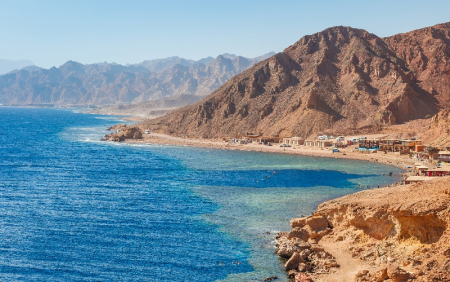
Dahab is a relaxed Sinai beach town famed for diving, Bedouin heritage, and its unique appeal to independent travelers and adventure seekers.
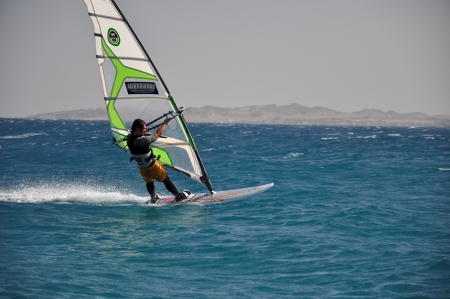
Makadi Bay is an Egyptian tourist town. On the Red Sea, roughly 30 kilometers south of Hurghada. With the turquoise waters and beautiful desert landscape of Makadi Bay.
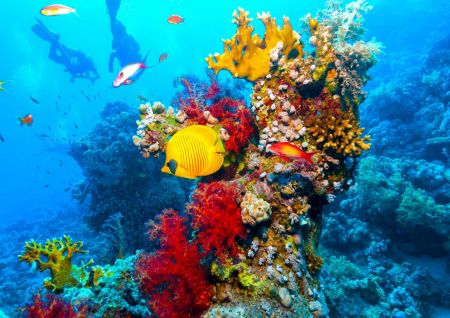
Safaga is well-known for its clean air, black sand dunes, and mineral springs

Port Ghalib spans 8 million square meters on Egypt's Red Sea with world-class diving, luxury resorts, marina & desert safaris. Just 10 minutes from airport.
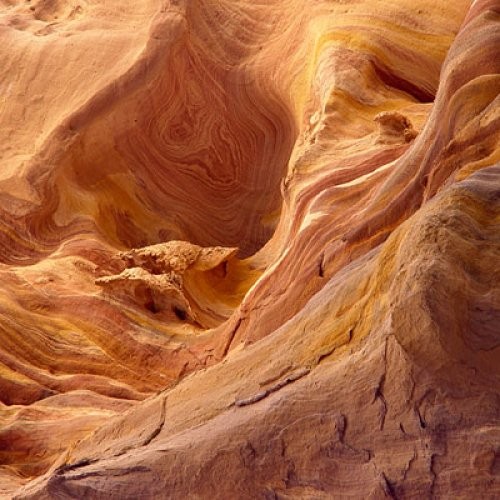
The breathtaking scenery of the Coloured Canyon is located about two to three hours from Sharm El Sheikh and about two hours from Dahab.
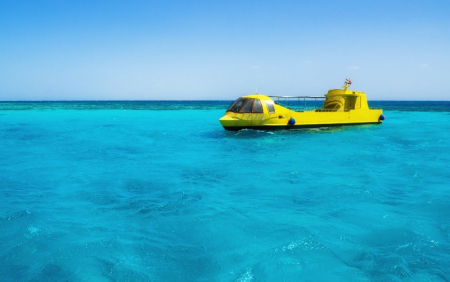
Sindbad Submarine offers a unique underwater adventure in Hurghada, letting visitors explore the Red Sea's coral reefs and marine life safely and comfortably.