Home
Home
Saint Barbara’s Church stands as one of the most significant Coptic Christian monuments in Old Cairo, reflecting over fifteen centuries of spiritual and architectural heritage. Although your text referenced the Gothic church in Kutná Hora, the true Saint Barbara Church in Egypt belongs to a completely different historical and cultural context. The Egyptian structure traces its origins to the early Christian period, making it one of the oldest churches in the region. Its history intertwines with the life of Saint Barbara, a revered martyr whose relics have shaped the church’s prestige and spiritual importance.
Located within the historic zone of Coptic Cairo, the church occupies part of the ancient Roman fortress of Babylon. Over the centuries, it has endured fires, reconstructions, and periods of political upheaval, yet continues to serve as a major site of Christian worship and pilgrimage. Architecturally, it reflects successive layers of Coptic, Byzantine, and medieval Christian styles, each bearing testimony to the religious developments of the region.
The church’s importance expanded significantly when Saint Barbara’s relics were transferred here in the 11th century. From that moment, it evolved into a major pilgrimage center, particularly during her annual feast celebrated each December. Despite numerous restorations—most recently in the 20th century—the church has preserved its ancient identity while functioning as a living place of worship within Egypt’s Christian community.
Saint Barbara is revered as a protector against sudden death, storms, and explosions. She is the patron saint of artillerymen, military engineers, and miners. Her unwavering faith despite persecution has made her an important figure in Coptic Christianity.
The Life and Martyrdom of Saint Barbara
Saint Barbara’s story is central to the spiritual identity of the church. Her legend, dating to the 3rd century, tells of a young woman of exceptional faith who chose Christianity despite intense persecution.
Legend of Saint Barbara
Barbara was the daughter of Dioscorus, a wealthy pagan who kept her confined in a tower to shield her from external influences. During his absence, Barbara embraced Christianity and ordered the addition of a third window in her bathhouse to symbolize the Holy Trinity. Her father, enraged by her conversion, handed her over to Roman authorities. Despite severe torture, her wounds were said to heal miraculously each night. Ultimately, Dioscorus executed her himself, only to be struck down by lightning—an event believed to signify divine justice.
Barbara’s martyrdom cemented her association with protection from sudden death, lightning, and violent disasters. Her veneration spread throughout the Christian world, especially within communities vulnerable to danger, including miners, soldiers, and engineers.
Her association with protection and faith
Her reputation as a protector grew over time through testimonies of miraculous interventions. One notable story relates to Henry Kock in 1448, who survived a burning building and attributed his rescue to Saint Barbara. Such accounts strengthened beliefs in her power, especially among those working in perilous environments.
Why she became a patron saint in Egypt
Though her exact martyrdom site is debated, her veneration thrived in Egypt due to the Coptic community’s long history of persecution and resilience. Her bravery resonated deeply, and her feast became a cherished celebration. The transfer of her relics to Coptic Cairo elevated the church’s significance, making it a major center of devotion.
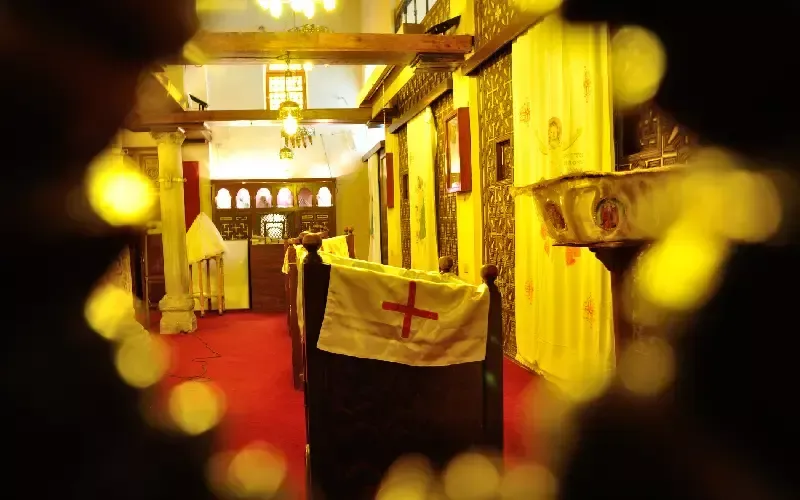
Foundation and Early Development of the Church
Establishment in Coptic Cairo
The Church of Saint Barbara dates back to the 5th or 6th century AD and stands among the oldest surviving churches in Egypt. It occupies a strategic position inside the fortified area of Old Cairo, near other prominent religious sites such as the Hanging Church, Abu Serga, and the Synagogue of Ben Ezra. Historical sources attribute its foundation to Athanasius, a wealthy scribe serving under Governor Abdelaziz ibn Marwan.
During restoration works, archaeologists discovered a door possibly dating to the 4th century, suggesting that Christian worship may have existed on this site earlier than previously assumed.
Historical context of 5th-century Egypt
At the time, Christianity was expanding rapidly throughout Egypt. Churches often served not only as places of worship but also as centers of community life. The Church of Saint Barbara was originally dedicated to Saints Cyrus and John, two physician martyrs widely venerated for healing miracles. This dedication reflects practical religious needs in a society where disease and hardship were constant threats.
Initial structure and early use
The church was designed as a basilica, a common architectural style in early Christian Egypt. It featured a long nave flanked by aisles, separated by rows of marble columns. Its height and layout allowed air circulation and natural lighting, essential in Egypt’s climate. To avoid drawing attention during times of persecution, the exterior was kept deliberately simple, blending with the surrounding buildings.
The sanctuary’s apse was reserved for the main altar, while other sections of the church remained rectangular in design. Over time, the church grew into a central place for worship and community gatherings.
The Church of Saint Barbara in Cairo dates back to the 5th or 6th century AD. It underwent significant reconstruction in the 11th century under Patriarch Christodoulos and has seen various modifications and restorations over the centuries.
Customize Your Dream Vacation!
Get in touch with our local experts for an unforgettable journey.
Plan Your TripArchitectural Evolution of the Church
Original basilica form
The initial basilican layout measured approximately 26 meters long and 14.5 meters wide. The interior contained two rows of columns dividing the space into three aisles. The roof combined wooden barrel vaults, flat ceilings, and small domes to maintain airflow. Openings along the roofline encouraged natural ventilation and cooling.
11th-century reconstruction under Patriarch Christodoulos
A major reconstruction occurred during the tenure of Patriarch Christodoulos (1047–1077), when he moved the Coptic papacy from Alexandria to Cairo. He initiated widespread restoration of churches, including Saint Barbara’s. This phase introduced structural reinforcements while preserving essential basilican elements. It also saw the church re-dedicated to Saint Barbara following the transfer of her relics.
Later modifications and preservation efforts
Between 1910 and 1922, the church underwent significant internal reorganization. The khurus (a transverse room) was removed to create additional space, and the medieval ambo—a pulpit from the 13th century—was reconstructed. The church survived fires in the 8th and 12th centuries, each requiring extensive rebuilding.
Comparison with other Coptic churches
Saint Barbara shares design similarities with the Church of Abu Serga, including its basilican shape and tripartite sanctuary. Like other Coptic churches, its exterior remains modest in appearance. Unlike later Coptic churches featuring transepts or martyrdom shrines, Saint Barbara largely maintained its original architectural configuration.
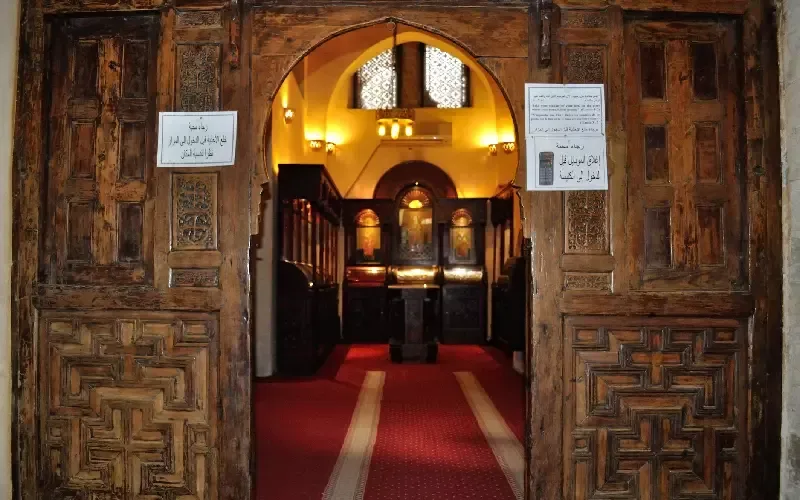
The church follows a traditional basilica form, typical of early Christian architecture. It features a rectangular structure with a nave separated from two aisles by marble columns. The church has maintained this basic layout despite various renovations over time.
Legacy and Role in Coptic Christianity
Housing the relics of Saint Barbara
The church’s identity transformed significantly in the 11th century when Saint Barbara’s relics were transferred from the Hanging Church. A new chapel was constructed specifically to house these relics, marking the church as a site of pilgrimage. This addition created a two-part structure: the original nave for worship and the new area for veneration.
Annual feast and religious celebrations
Saint Barbara’s feast day on December 4th remains a major religious celebration among Coptic Christians. Special liturgies, prayers, and community gatherings highlight her enduring influence. Medieval records indicate that her relics played a central role in major church festivals.
Educational and spiritual role in the community
The church continues to serve as a spiritual home for believers. Iconographic treasures depicting Saint Barbara, Christ, and the Virgin Mary adorn the interior, helping educate worshippers and deepen their connection to the faith. The church also hosts traditional Coptic liturgical rites, maintaining continuity with ancient practices.
Recognition as a historical monument
Today, the Church of Saint Barbara is recognized as a key monument in Coptic Cairo. Artifacts originally belonging to the church are preserved in the Coptic Museum nearby, reflecting its cultural significance and long historical journey.
The church houses the relics of Saint Barbara, which were transferred there in the 11th century. These sacred remains are kept in a small chapel to the left of the altar, along with relics of other saints.
Saint Barbara's feast day is celebrated on December 4th. In Egypt, particularly among Coptic Christians, this day is marked with special liturgical services and prayers. The celebration at the Church of Saint Barbara in Cairo holds particular significance due to the presence of the saint's relics.
Saint Barbara Church stands as one of Egypt’s most cherished Christian monuments, preserving nearly fifteen centuries of spiritual devotion and architectural evolution. Originally dedicated to Saints Cyrus and John, the church was transformed in the 11th century when Saint Barbara’s relics were brought into the sanctuary. Since then, it has remained a major religious landmark, celebrated annually during her feast and honored for its powerful association with faith, protection, and resilience.
Architecturally, the church maintained its basilican form while undergoing numerous reconstructions due to fires and historical upheavals. Its location within the ancient Babylon Fortress connects it deeply to Egypt’s Christian roots, while the traditions preserved within its walls continue to bind modern Copts to the earliest centuries of their faith.
The church’s legacy, strengthened by the relics it protects and the devotion it inspires, ensures its place as a cornerstone of Coptic history and one of the most fascinating religious sites in Egypt.
The Church of Saint Barbara is important because it preserves early Christian architectural traditions and houses significant relics. It is also located within Coptic Cairo, one of the earliest Christian centers in Egypt, making it a key destination for religious and historical study.
Visitors can see beautifully carved wooden icons, ancient marble columns, a traditional Coptic iconostasis, and the chapel preserving Saint Barbara’s relics. The church also contains historical artifacts and religious artwork dating back centuries.
Yes, the church is part of the Coptic Cairo complex, which includes other important religious sites such as the Hanging Church, the Church of Saints Sergius and Bacchus, and the Coptic Museum.
Major restoration efforts have been carried out to preserve the church’s structure, icons, and relics. These include reinforcing the ancient walls, restoring artwork, and updating the interior while maintaining its historical character.
Yes, tourists are welcome to visit the Church of Saint Barbara. Entry is typically free, though the Coptic area in general may have security checkpoints. Modest dress is recommended as it remains an active place of worship.

The Great Pyramids of Giza, Egypt’s iconic monuments, showcase ancient engineering brilliance and remain the last wonder of the ancient world, continuing to fascinate visitors and researchers alike.

The Egyptian Museum in Cairo houses over 170,000 ancient artifacts, including Tutankhamun's complete collection and golden death mask. Opened in 1902, it's the world's largest repository of Egyptian antiquities.

Khan el-Khalili is Cairo’s legendary medieval bazaar, where centuries-old Islamic architecture, vibrant trade, and timeless cafés create a living cultural landmark.

The Great Sphinx of Giza, with its lion body and pharaoh head, represents ancient Egyptian artistry, symbolic power, and enduring cultural fascination.

Tanoura is a traditional Egyptian Sufi dance known for its colorful spinning skirts, spiritual rhythm, and deep roots in ancient mystic traditions.

Saqqara, Egypt's ancient necropolis, features Djoser's Step Pyramid—the world's oldest. Spanning 3,000 years, it preserves royal tombs and sacred animal burials.

The Valley Temple at Giza, built 2570 BCE by Khafre, features 16 granite columns and hosted sacred afterlife rituals. Explore Fourth Dynasty architecture.

The Citadel of Cairo is a historic medieval fortress and royal complex, showcasing centuries of Egyptian power, Mamluk architecture, and Islamic heritage, now preserved as a UNESCO World Heritage Site.

Khufu's Solar Boat is a 142-foot cedar vessel discovered 1954 near the Great Pyramid. Built without nails 4,500 years ago, it's now at Grand Egyptian Museum.

St. George Church in Old Cairo, founded 684 AD, features unique circular design, sacred healing relics & underground chapel linked to the Holy Family's refuge.

Pyramids Sound and Light Show transforms Giza into open-air theater with 50 minutes of narration, music & lighting bringing ancient Egyptian history alive.

The Djoser Pyramid at Saqqara is Egypt's first pyramid, built 2600 BCE by architect Imhotep. Standing 62.5m tall, it reopened to visitors in 2020.

The Hanging Church in Old Cairo is a 1,300-year-old Coptic sanctuary built on Babylon Fortress. Free entry, open daily 9 AM-5 PM, dress modestly required.
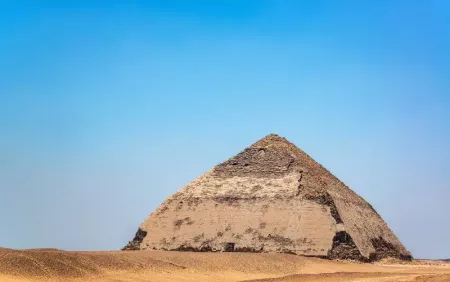
The Bent Pyramid at Dahshur features a rare bent profile created by ancient construction adjustments, offering insight into Egypt’s earliest attempts at smooth-sided pyramids.

Coptic Cairo features 4th-century churches and recent tomb discoveries revealing early Christian heritage. Explore the Hanging Church, Abu Serga & sacred sites.
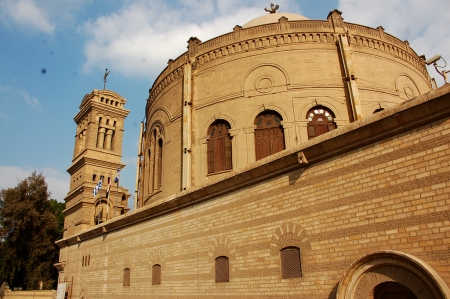
Saint Barbara’s Church in Coptic Cairo is one of Egypt’s oldest Christian monuments, dating back to the 5th–6th century. Known for housing the relics of Saint Barbara, the church reflects centuries of Coptic heritage, architectural evolution, and deep spiritual significance.

Explore the Fortress of Babylon, a major Roman fort in Old Cairo known for its strategic location, massive towers, and enduring historical significance.
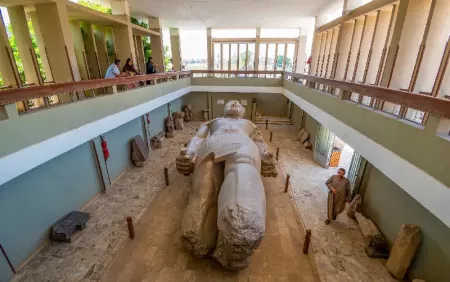
Memphis Necropolis is Egypt’s ancient royal burial site, home to pyramids, tombs, and monuments that reflect the early development of pharaonic civilization.
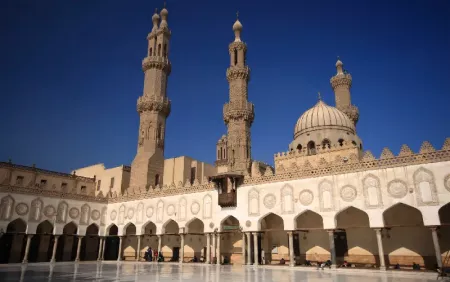
Al-Azhar Mosque is a landmark of Islamic scholarship and Fatimid architecture, home to the world’s second-oldest university and a symbol of Cairo’s spiritual heritage.
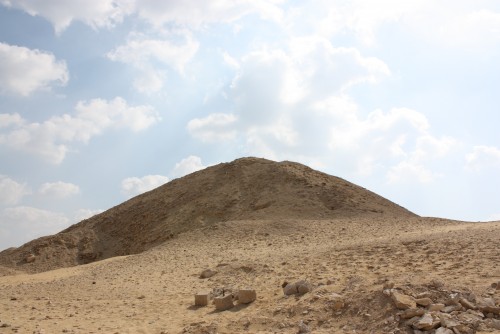
Teti’s Pyramid in Saqqara is an Old Kingdom monument built for the first king of the Sixth Dynasty. Known for its Pyramid Texts and unique mortuary chapel, it remains one of Egypt’s most historically important royal tombs.
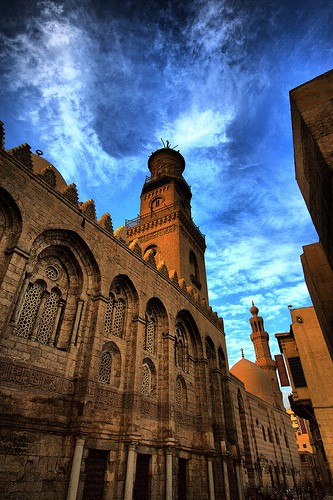
Al Muizz Street is one of Cairo’s oldest and most vibrant historic avenues, showcasing centuries of Islamic architecture. Lined with mosques, palaces, and bustling markets, it offers a captivating walk through Egypt’s medieval past.
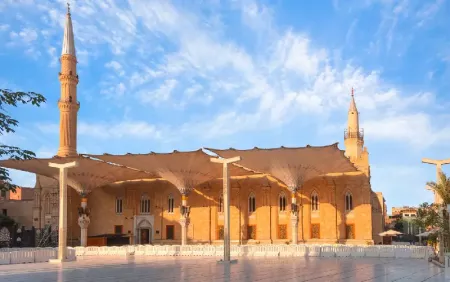
Al-Hussein Mosque is one of Cairo’s most sacred Islamic landmarks, built in 1154 and revered for housing the head of Imam Hussein. Located by Khan El-Khalili, it blends centuries of architectural heritage and remains a major pilgrimage site.
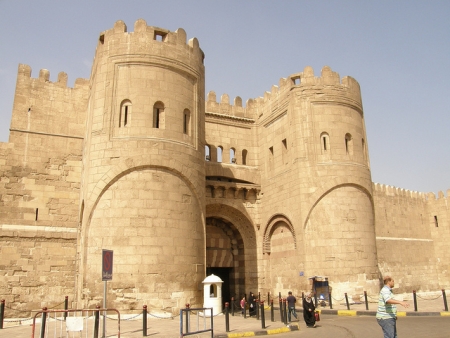
Bab al-Futuh is an 11th-century Fatimid gate in Old Cairo, famous for its massive round towers and strategic role in the city’s medieval fortifications.
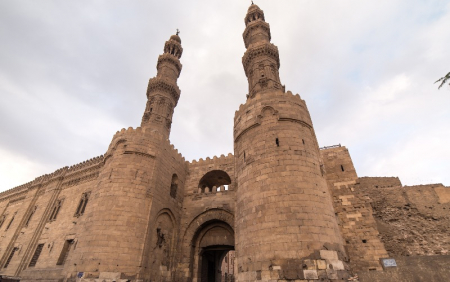
Bab Zuweila is one of Cairo’s last surviving medieval gates, built in 1092 CE by the Fatimid vizier Badr al-Jamali. Famous for its towering twin bastions, massive wooden doors, and later Mamluk minarets, it served as a defensive stronghold, execution site, and ceremonial gateway. Today, it stands as one of Cairo’s most iconic historic monuments.
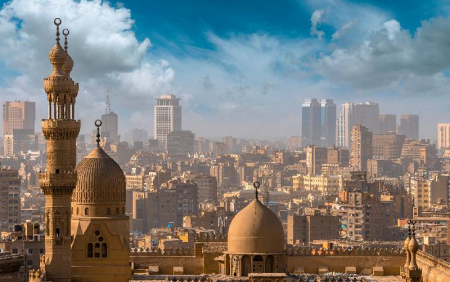
Al Rifai Mosque in Cairo blends Neo-Mamluk architecture with royal history. Completed in 1912, it serves as both a majestic mosque and mausoleum for Muhammad Ali’s family.
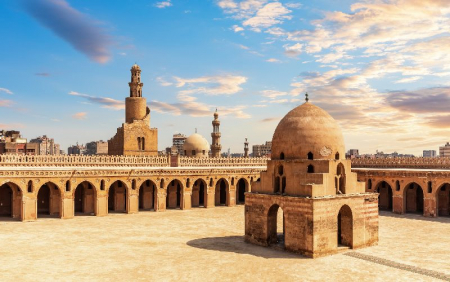
The Ibn Tulun Mosque, Cairo’s oldest well-preserved mosque, dates back to 879 CE. Famous for its vast square layout, intricate arches, and 128 ornate stucco windows, it remains a pinnacle of early Islamic architecture and a must-visit historical landmark.
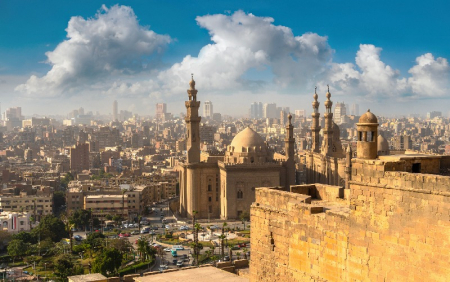
The Sultan Hassan Mosque, built in the 14th century, is a Bahri Mamluk architectural marvel in Cairo, renowned for its grand portal, extensive madrasas, and historic significance.

The Suez Canal, Egypt’s iconic waterway, connects Africa and Asia, handling thousands of ships yearly and shaping international trade.
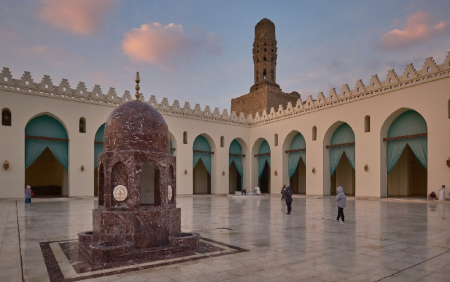
Al-Hakim Mosque, Cairo, is a stunning Fatimid-era mosque built between 990–1013 CE. Famous for its grand courtyard, distinctive minarets, and rich history, it remains a key cultural and religious landmark.
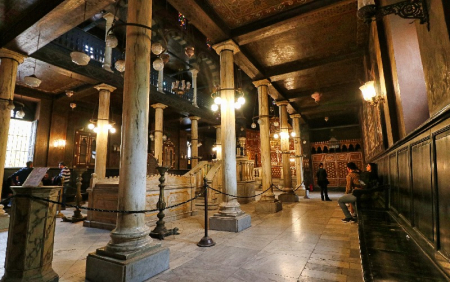
The Ben Ezra Synagogue, founded in the 11th century in Old Cairo, is Egypt’s oldest Jewish monument and the discovery site of the renowned Cairo Geniza.