Home
Home!['Morocco Accommodation Guide: Hidden Secrets From a Local Expert [2026]](https://res.cloudinary.com/ddjuftfy2/image/upload/f_webp,c_fill,q_auto,w_1300/memphis/large/ "'Morocco Accommodation Guide: Hidden Secrets From a Local Expert [2026]")
Morocco beckons travelers with accommodation experiences that span cultures, centuries, and landscapes within a single extraordinary kingdom. Mountain villages cradle ancient guesthouses, coastal towns harbor seaside retreats, and desert expanses shelter nomadic camps—each region revealing distinct lodging traditions as varied as the country's remarkable geography. Riads stand as perhaps the most iconic example: these Moroccan houses with interior gardens once served wealthy families exclusively, yet today welcome guests into their intimate courtyards and ornate chambers. Desert accommodations paint an entirely different picture, ranging from circles of traditional Berber tents to opulent glamping sanctuaries beneath star-filled skies.
Accommodation pricing across Morocco reveals fascinating patterns that often surprise first-time visitors. Dormitory beds in hostels begin at approximately $7 per night, while private rooms featuring basic bathroom facilities command slightly higher rates. Quality riads and hotels equipped with modern amenities—Wi-Fi, rooftop terraces, and traditional Moroccan breakfast spreads—typically fall between $30 and $70 per night. Morocco's luxury accommodations present remarkable value compared to similar destinations: five-star properties, desert resorts, and premier hotels generally start around $120 per night. This guide explores Morocco's finest accommodation secrets across distinct regions, from the labyrinthine medinas where ancient walls whisper stories to mountain retreats where silence speaks volumes.
Traditional Moroccan Stays
Traditional Moroccan accommodations transcend ordinary lodging experiences, weaving travelers into architectural narratives spanning centuries and cultural practices passed through generations. These authentic stays anchor Morocco's most profound travel memories, revealing intimate layers of local existence that conventional hotels cannot access.
Riads: The heart of Moroccan hospitality
Medina alleyways conceal treasures behind modest wooden doors—riads that once sheltered Morocco's prosperous families and today open their courtyards to discerning guests. Etymology tells its own story: "riad" springs from Arabic "ryad," meaning garden, honoring the central courtyard that defines these architectural marvels.
Riad architecture follows an inward-focused philosophy, constructing rooms around courtyards where fountains sing among flowering plants and geometric tilework creates visual poetry. This deliberate design achieves twin objectives: preserving family privacy while naturally cooling interior spaces during Morocco's intense summers. Ground-floor chambers typically forgo external windows entirely, instead embracing the tranquil courtyard as their primary light source.
Interior spaces dazzle the senses through zellige's intricate geometric patterns, hand-carved stucco work that seems to flow like frozen lace, and painted ceilings that soar toward elaborate wooden beams. Most riads house between five and eight chambers, ensuring each guest receives personal attention within an atmosphere of refined intimacy.
Gites: Rustic charm in the Atlas Mountains
Morocco's mountain regions harbor gîtes d'etape, rustic havens where Berber hospitality flourishes among towering peaks. These mud-brick structures began as humble farm workers' dwellings, evolving into welcoming refuges for modern trekkers seeking authentic mountain experiences.
Gîtes balance simplicity with essential comforts: private or shared sleeping quarters, bathroom facilities supplying hot water, reliable electricity, and frequently spectacular mountain panoramas stretching toward distant summits. Elevated gîtes enhance basic amenities with wireless internet connectivity and air conditioning systems.
Cultural immersion defines the gîte experience beyond physical comfort—arrival rituals include ceremonial mint tea presentations, while evenings unfold around communal tables laden with aromatic tagines, creating bonds among fellow travelers.
Homestays: Living with local families
Moroccan family homestays deliver unparalleled cultural immersion, placing visitors within functioning households where daily rhythms reveal authentic local existence. These arrangements foster genuine connections through shared activities and meaningful exchanges.
Homestay programs embrace remarkable diversity: guests might knead bread alongside family matriarchs, master traditional handicraft techniques, or participate in evening music sessions where ancient melodies fill candlelit rooms. Agricultural homestays extend experiences further, inviting participation in farming tasks, livestock care, and traditional goat milking practices.
Comfort standards vary considerably between family homes, yet Moroccan hospitality remains consistently extraordinary, offering cultural insights unavailable through any other accommodation style.
Unique Desert and Nomadic Experiences
Morocco's Saharan expanses stretch beyond bustling urban centers, creating otherworldly sanctuaries where millennia-old nomadic traditions dance with contemporary luxury. Desert stays frequently emerge as the crowning jewel of Moroccan adventures, etching unforgettable memories into travelers' consciousness.
Desert camps: From basic to luxury
Morocco's desert territories present two distinct accommodation philosophies. Traditional camps honor authentic nomadic heritage through goat hair or canvas tents, furnished with comfortable bedding, crisp linens, and abundant warm coverings essential for desert nights. These establishments feature communal bathroom facilities housed within separate adobe structures, equipped with solar-heated water systems.
Luxury desert camps occupy the opposite spectrum, presenting sumptuous tent accommodations with generous sleeping quarters, refined furnishings, and private en-suite facilities featuring heated showers. The 2025/2026 season introduces ultra-luxury private camps, delivering exclusive experiences complete with dedicated chefs and personal butler services.
Geographic distribution centers around two primary desert regions: Erg Chebbi near Merzouga and the more isolated Erg Chigaga. The Agafay stone desert presents a third option, positioned merely 50 minutes from Marrakech for convenient access.
Nomadic camps: A rare cultural immersion
Authentic cultural seekers discover nomadic camps offer windows into disappearing lifestyles. These extraordinary experiences involve accompanying genuine Berber families during their ancestral seasonal movements.
Daily participation encompasses livestock herding, water source location, and traditional meal preparation alongside family members. Evening rituals unfold around crackling campfires where ancient oral traditions and customary music fill the desert silence. Extended volunteering programs with nomadic families provide deeper cultural penetration for committed participants.
What to expect in terms of comfort and facilities
Practical preparation requires acknowledgment of dramatic temperature fluctuations—desert nights plunge toward freezing while days reach scorching extremes. Most camps supply electrical access for device charging, though power availability diminishes after sunset hours.
Culinary experiences consistently surpass visitor expectations, featuring fresh traditional Moroccan dishes served within communal dining tents or beneath celestial canopies. Popular activities encompass camel expeditions, sandboarding adventures, and astronomical observation sessions.
The fundamental decision between camp categories often hinges upon bathroom arrangements—this practical consideration frequently determines whether travelers choose authentic or luxurious desert experiences.
Modern and Budget-Friendly Options
Morocco's accommodation landscape extends far beyond its celebrated traditional offerings, embracing contemporary hospitality that caters to diverse travel styles and financial considerations. Hotel chains, vibrant hostels, and pioneering eco-retreats create a modern accommodation tapestry where comfort meets authenticity across the kingdom's varied terrain.
Hotels: From budget to five-star
The hotel spectrum across Morocco reveals remarkable breadth and value. Budget establishments begin at merely 60 MAD ($7) nightly for basic rooms, while mid-tier properties typically command 500-700 MAD ($50-70). Luxury seekers discover exceptional value: prestigious properties like Marrakech's El Fenn showcase 41 distinctive rooms, multiple swimming pools, acclaimed restaurants, and the charming detail of resident tortoises.
Boutique hotels occupy a particularly compelling middle ground, starting at 54 GBP for establishments featuring rooftop terraces and authentic Moroccan culinary experiences. Morocco's hotel architecture stands as perhaps the most fascinating aspect—properties masterfully weave contemporary amenities with traditional Moroccan design elements, creating spaces that honor both past and present.
Hostels and guesthouses: Affordable and social
Statistical evidence reveals Morocco's robust hostel network: over 285 properties span 29 cities, with Marrakech hosting 50 establishments, Agadir 29, and the surf haven Taghazout claiming 51. Dormitory accommodations typically start between 7-15 GBP nightly, positioning them perfectly for budget-conscious explorers.
Converted riads frequently house these hostels, transforming historic architecture into social hubs complete with communal terraces and shared dining spaces. Properties like Marrakech's Riad dar sahrawi exemplify this approach, achieving a remarkable 9.2/10 guest satisfaction rating while maintaining budget-friendly pricing. Coastal destinations like Essaouira and Taghazout specialize in surf-focused hostels, creating communities around shared oceanic passions.
Eco-lodges: Sustainable stays in remote areas
Environmental consciousness shapes Morocco's emerging eco-lodge movement, where sustainable practices enhance rather than compromise guest experiences. These establishments typically incorporate solar power systems, water conservation technologies, and locally sourced construction materials.
Atlas Kasbah Ecolodge holds the distinction of being North Africa's pioneering eco-friendly guesthouse, demonstrating sustainability through salt-treated pools, chemical-free cleaning protocols, and photovoltaic solar installations. Community engagement forms another cornerstone: most eco-lodges foster local connections through cooking workshops and village-guided hiking excursions.
Geographic diversity defines these sustainable retreats—remote High Atlas mountain lodges, pastoral Middle Atlas countryside inns, and innovative eco-desert camps across southern regions each offer distinct perspectives on responsible tourism. Each modern accommodation category provides its own lens through which to experience Morocco's evolving hospitality landscape.
Customize Your Dream Vacation!
Get in touch with our local experts for an unforgettable journey.
Plan Your TripWhere to Stay in Morocco by Region
Morocco's geography creates distinct accommodation personalities across different regions, each area offering lodging experiences that mirror its unique cultural identity and natural landscape.
Marrakech: Riads in the Medina vs. resorts in Palmeraie
Marrakech's ancient Medina pulses with centuries of history, where narrow alleyways wind past riads tucked behind weathered wooden doors. These hidden sanctuaries reveal courtyards adorned with fountains and rooftop terraces perfect for sunset contemplation. Gueliz presents a different narrative entirely—this French-colonial district features wide boulevards lined with contemporary hotels catering to visitors seeking modern conveniences. The Palmeraie district stretches across the city's periphery, where luxury resorts nestle among palm groves, offering swimming pools and manicured gardens alongside peaceful isolation—though reaching central attractions requires taxi journeys.
Fes: Ancient medina charm or modern Ville Nouvelle
Fes el Bali stands as Morocco's most authentic medieval city, where restored riads hide behind unmarked doorways amid twisting passages filled with artisan workshops and ancient madrasas. The Ville Nouvelle tells a contrasting story of French urban planning, featuring broader streets, modern hotel establishments, and significantly quieter evenings for travelers seeking easier vehicle access and contemporary amenities.
Essaouira: Coastal riads and oceanfront hotels
Essaouira's fortified Medina houses intimate riads and charming guesthouses mere steps from art galleries and bustling seafood restaurants. Ocean-facing hotels along the coastal promenade provide direct beach access and modern facilities for those prioritizing seaside convenience. Accommodation pricing spans from boutique hotels at 57 GBP to heritage riads reaching 148 GBP nightly.
Merzouga: Gateway to the Sahara
Merzouga village functions primarily as a practical base, offering basic guesthouses for desert expedition access. However, authentic Sahara encounters demand venturing into the dunes themselves, where accommodation options span from simple Berber tents to luxurious camps featuring private bathrooms and candlelit dining experiences. Desert Villa Boutique Hotel (€112/night) and Riad Chebbi (€96/night) provide alternative stays combining desert vistas with swimming pool amenities.
Chefchaouen: Blue city guesthouses
Chefchaouen's blue-painted Medina shelters cozy guesthouses featuring rooftop terraces that frame spectacular Rif Mountain panoramas. Most accommodations occupy traditional Moroccan buildings centered around peaceful courtyards. Hillside locations beyond the old town boundaries offer elevated stays with sweeping views and reduced foot traffic.
Atlas Mountains: Mountain lodges and gites
High Atlas peaks create Morocco's premier trekking destination, with Imlil serving as the principal base camp for Mount Toubkal expeditions, supported by mountain lodges and simple guesthouses. Regional gites range from spartan accommodations to delightfully rustic properties offering private rooms alongside shared facilities. Ouirgane presents gentler hiking terrain with fewer crowds, where boutique eco-lodges provide perfect relaxation retreats.
Conclusion
Morocco stands apart among world destinations where your chosen accommodation weaves itself into the very fabric of your travel narrative. Star-filled desert nights and dawn awakenings within ancient riad walls create experiences that extend far beyond simple lodging arrangements.
This exploration has revealed Morocco's remarkable accommodation tapestry. Riads nestled within medina labyrinths offer profound cultural encounters, while Atlas Mountain gites connect visitors with centuries-old Berber traditions. Desert camps—whether spartan tent circles or lavish glamping retreats—frequently become the most treasured memories travelers carry home.
Budget considerations need never limit your Moroccan adventure. Social hostel environments welcome guests from $7 nightly, while luxury seekers discover five-star properties at rates considerably below comparable Mediterranean destinations.
Understanding regional accommodation characteristics elevates any Moroccan sojourn. Choices between Marrakech's medina riads and Palmeraie resort compounds, ancient Fes el Bali versus contemporary Ville Nouvelle, or specific Atlas Mountain lodge selections directly shape your encounter with each distinctive landscape.
Consider this fundamental truth: Moroccan accommodations preserve living histories. Each ornately carved doorway guards centuries of architectural evolution, cultural practices, and hospitality traditions eager to embrace curious travelers. Your lodging choice becomes a cultural passport rather than mere shelter.
Match your accommodation selection thoughtfully with personal travel aspirations. Cultural immersion seekers will gravitate toward family homestays or traditional riads. Relaxation enthusiasts might favor coastal retreats or mountain eco-lodges. Your chosen resting place ultimately sculpts both daylight adventures and nighttime reflections, creating the complete Moroccan story you'll carry forward.
FAQs
Q1. What types of traditional accommodations can I find in Morocco? Morocco offers a variety of traditional stays, including riads (traditional houses with interior gardens), gites (rustic accommodations in the Atlas Mountains), and homestays with local families. These options provide an authentic cultural experience and a chance to immerse yourself in Moroccan hospitality.
Q2. Are there unique accommodation options in the Moroccan desert? Yes, Morocco's desert regions offer unique stays ranging from basic tents to luxury glamping experiences. You can choose between authentic desert camps that provide a traditional nomadic experience or opt for more luxurious camps with amenities like private bathrooms and gourmet dining under the stars.
Q3. What are the budget-friendly accommodation options in Morocco? Morocco caters to budget travelers with various affordable options. Hostels and guesthouses are widely available, with dorm beds starting from as low as $7 per night. Many hostels are located in converted riads, offering a blend of affordability and traditional Moroccan charm.
Q4. Where should I stay in Marrakech? In Marrakech, you can choose between staying in a riad within the bustling Medina for an authentic experience, or opt for modern hotels in the Gueliz area for a more relaxed atmosphere. For luxury and seclusion, consider the resorts in the Palmeraie area on the outskirts of the city.
Q5. Are there eco-friendly accommodation options in Morocco? Yes, Morocco has a growing number of eco-lodges that offer sustainable stays without compromising on comfort. These properties often use solar power, practice water conservation, and use locally sourced materials. Many are located in spectacular settings like the Atlas Mountains or remote desert areas, providing a unique and environmentally conscious experience.
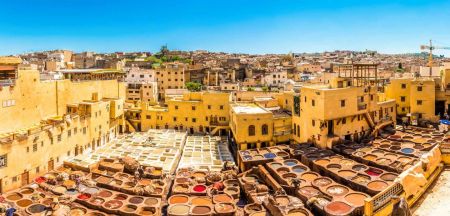
The crown Jewel of the Imperial cities of Morocco, Fez City is inriched with culture, sites, a great atmosphere & so much more, Discover the history of this city and many other amazing facts about Fez.
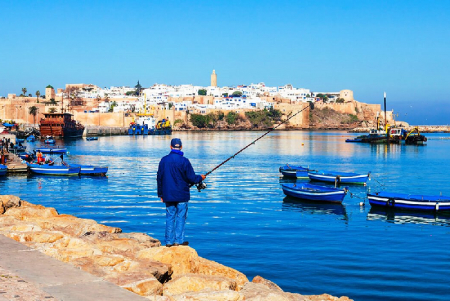
One of the most famous of the 4 imperial cities of Morocco and the current city capital, Rabat in Morocco is filled with endless activities, sites, and other delights. Read on and know all that you need about Rabat!
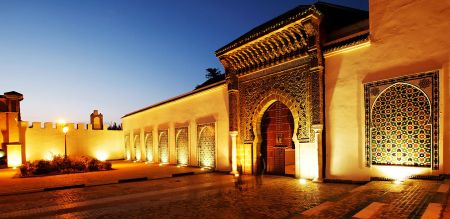
Discover Meknes City, Morocco’s imperial gem. Explore historic sites, vibrant medinas, and the stunning Meknes Bab Mansour gate, blending rich heritage with modern charm!
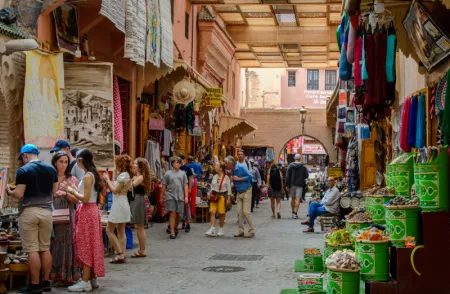
Marrakech, Morocco, is a vibrant city filled with history, culture, and adventure. From exploring the bustling souks and historic palaces to relaxing in stunning gardens, there are endless things to do in Marrakech.
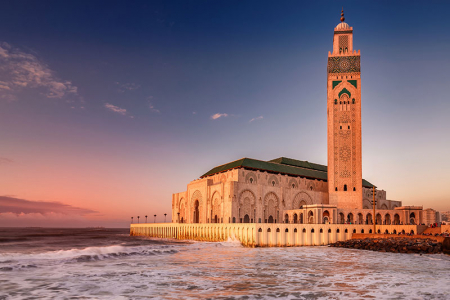
The main city in Morocco, Casablanca City, is situated in a lovely location with views of the ocean. Explore Casablanca City in-depth, looking at its history, culture, and attractions!
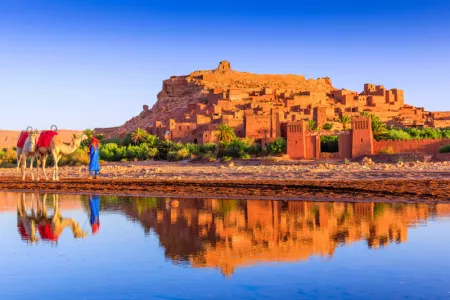
Uncover all the things to do in Ouarzazate, Morocco! A magnificent city that serves as the Sahara Desert's entryway.
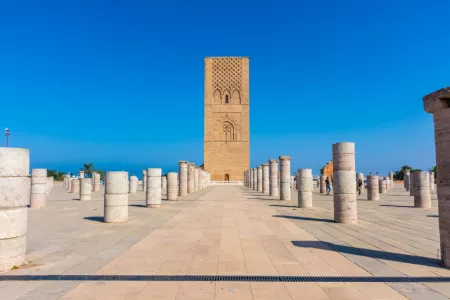
Discover the Hassan Tower in Rabat, Morocco, one of the country's most recognizable monuments and a must-see attraction. A symbol of Moroccan history and culture. Explore the majestic Hassan Tower!
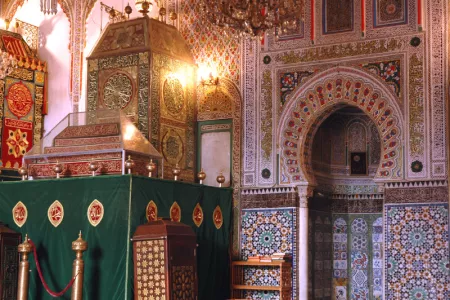
The final resting place of Moulay Idriss I. Discover Moulay Idriss Tomb, Learn about its significance, and cultural importance!
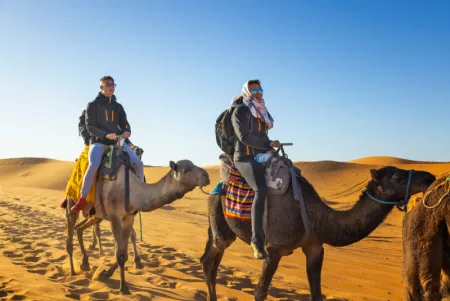
Merzouga offers both an exciting escape and a relaxing getaway, so there is something for everyone. let's explore what makes this one-of-a-kind place so popular!
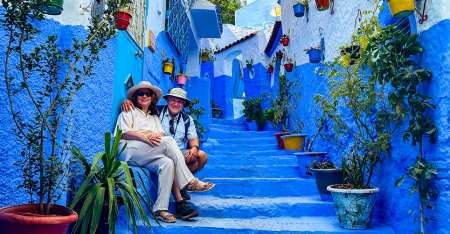
Discover Chefchaouen, Morocco, famously known as The Blue City, with its iconic blue-washed streets and breathtaking mountain scenery. Uncover the best things to do in Chefchaouen!
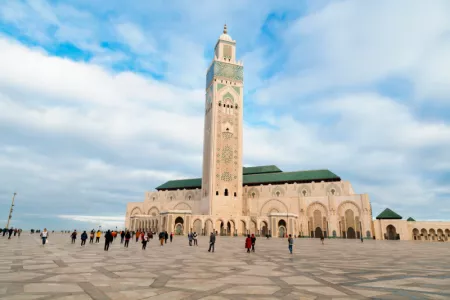
The Hassan II Mosque, also known as the Casablanca Mosque, is one of Morocco’s most breathtaking architectural wonders. Discover more about it!
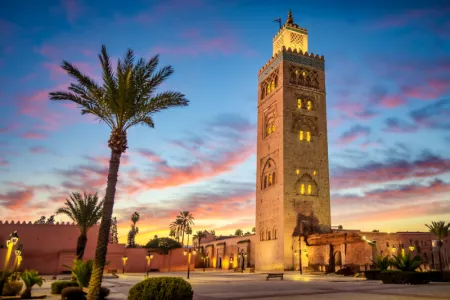
Discover the history and stunning architecture of Koutoubia Mosque, Marrakech’s largest and most iconic landmark!
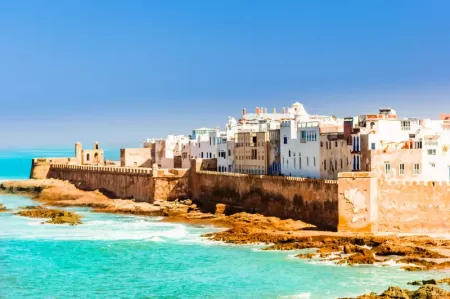
Explore the best things to do in Essaouira, from its historic medina to stunning beaches and vibrant souks. Find out everything about Essaouira, Morocco!
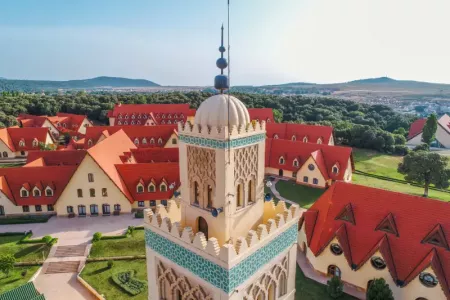
Known as the "Switzerland of Morocco". Discover top things to do in Ifrane, from exploring national parks to enjoying local culture.
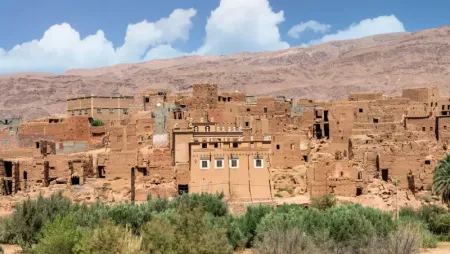
Tinghir, Morocco, is a picturesque town known for its dramatic Todra Gorge, lush oasis, and vibrant Berber heritage. A must-visit destination for nature lovers and adventure seekers!
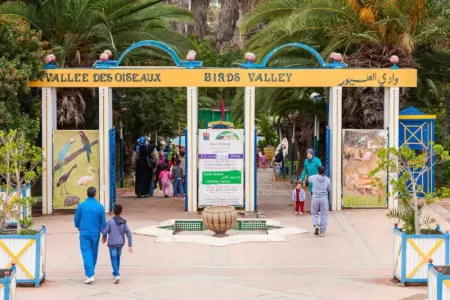
Agadir City is a must-visit destination in Morocco, offering golden beaches, vibrant souks, and exciting outdoor activities. Whether you're into surfing, sightseeing, or cultural experiences, find out the top things to do in Agadir!
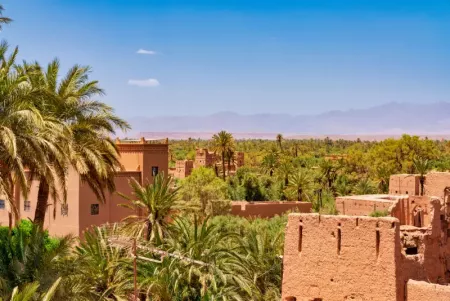
Skoura, Morocco, is a picturesque oasis filled with palm groves and historic kasbahs. Discover its rich heritage, stunning landscapes, and tranquil charm.
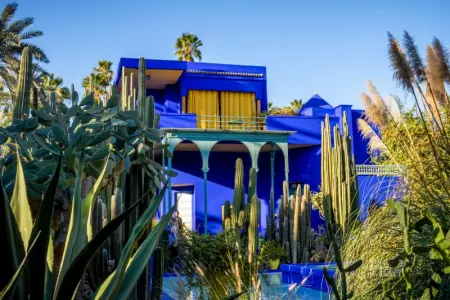
Majorelle Garden, a breathtaking oasis in Marrakech, is renowned for its striking blue hues, lush greenery, and artistic charm. Explore its rich history, exotic flora, and the legacy of Yves Saint Laurent in this must-visit Moroccan gem.
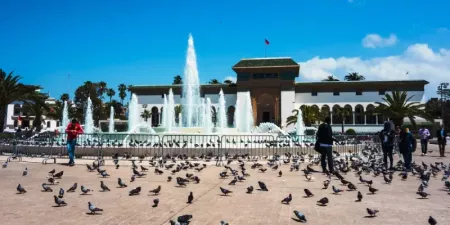
Mohammed V Square in Casablanca is a must-visit destination, featuring iconic architecture, lively public spaces, and a glimpse into the city's colonial past. Explore its history and charm today!
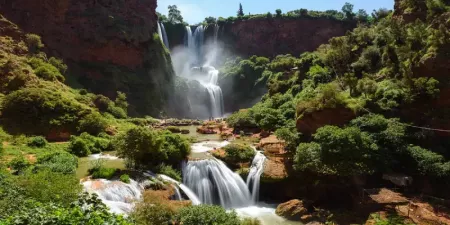
The Ouzoud Falls, also known as Cascades d'Ouzoud, are one of Morocco’s most spectacular natural attractions. Experience towering waterfalls, scenic landscapes, and vibrant wildlife in this breathtaking destination.
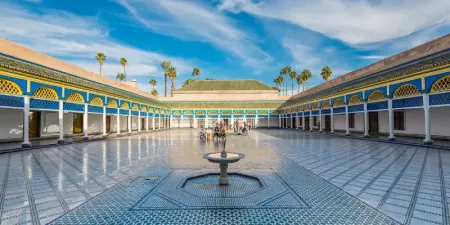
Explore Bahia Palace in Marrakech, a breathtaking example of Moroccan artistry featuring stunning courtyards, intricate tilework, and serene gardens. A must-visit historical gem!
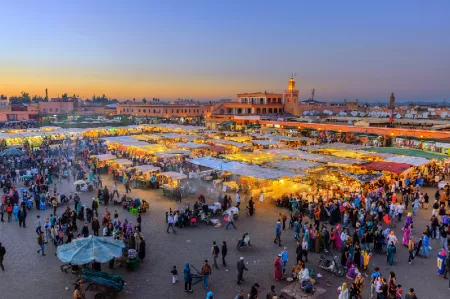
This guide takes you through the four historical capitals—Marrakech, Fez, Rabat, and Meknes—each of which once ruled a Moroccan dynasty.
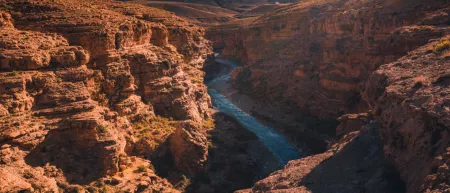
Midelt, Morocco: high-altitude "Apple City" and mining hub in the Atlas Mountains, offering Berber culture, rich agriculture, and stunning landscapes.
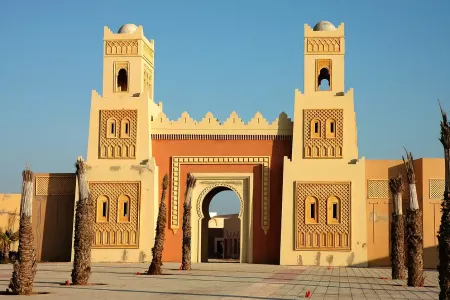
Saidia, Morocco, known as the Blue Pearl, is a Mediterranean paradise famed for its 14-kilometer Saidia Beach, vibrant marina, and authentic local charm. Discover top things to do in Saidia year-round.
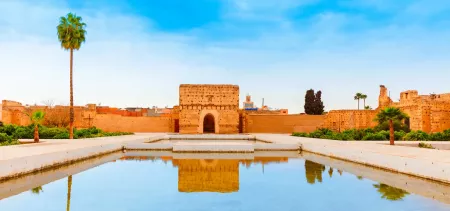
Explore El Badi Palace in Marrakesh, once a symbol of Saadian power, now a stunning ruin that reveals Morocco’s royal legacy and architectural grandeur.
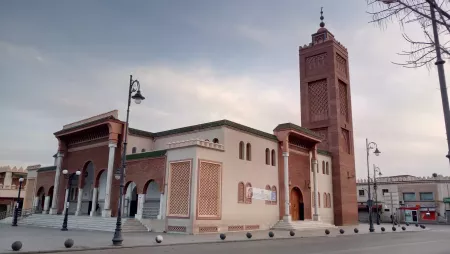
Oujda, Morocco’s eastern gateway, blends Berber roots, Arab heritage, and French colonial charm. Discover its souks, sacred sites, Raï music, and authentic culture, untouched by mass tourism.
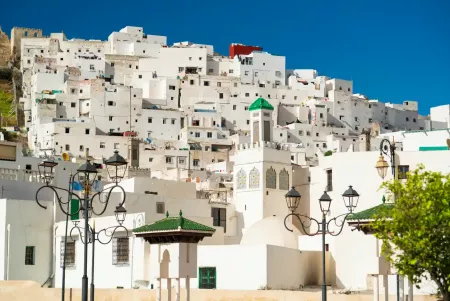
Discover Tetouan City, the “White Dove” of northern Morocco—a UNESCO-listed gem blending Andalusian charm, Roman history, and vibrant artisan culture.
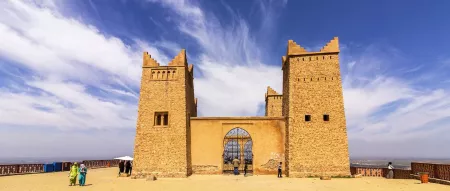
Beni Mellal is a scenic Moroccan city where mountain views, natural springs, and authentic culture meet. A perfect stop for nature and adventure lovers.
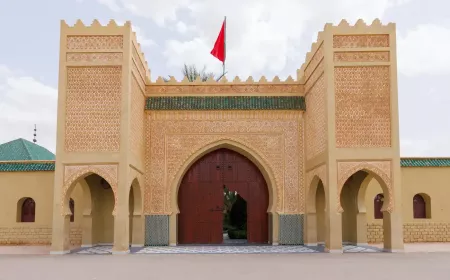
Rissani, Morocco’s gateway to the Sahara, offers a captivating blend of ancient trade history, royal heritage, bustling souks, and breathtaking desert adventures.
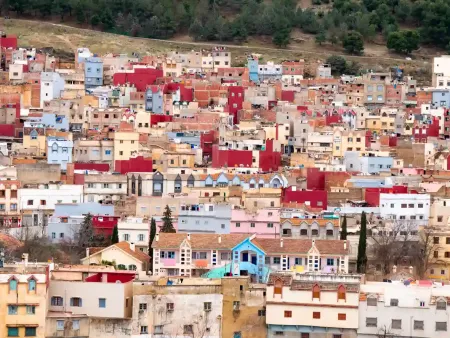
Azrou in Morocco’s Middle Atlas mountain town is known for its cedar forests, Barbary macaques, and red-roofed architecture. Discover authentic Berber culture, the lively Tuesday souk, and unforgettable things to do in Azrou, from hiking to trout fishing.
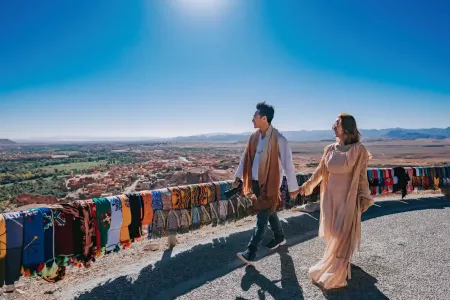
Morocco vacations blend culture, adventure, and affordability. Explore Marrakech, Fes, Chefchaouen, and the Sahara with visa-free entry, rich traditions, and unforgettable landscapes.
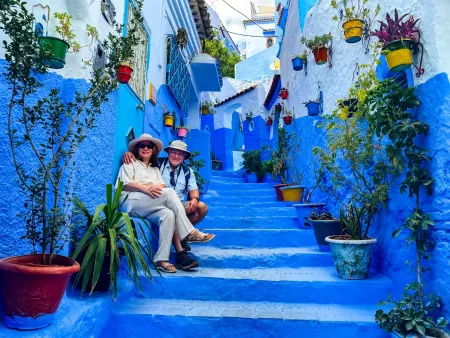
Discover fascinating facts about Morocco, its culture, history, landscapes, and unique traditions.
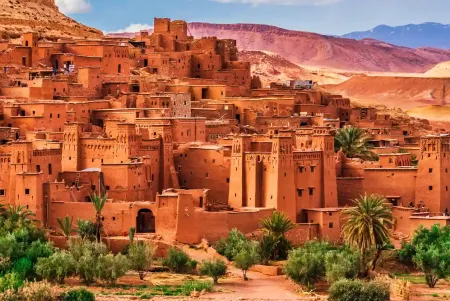
Explore Ait Benhaddou, Morocco’s iconic UNESCO fortress, famous for its clay architecture, history, and desert beauty.
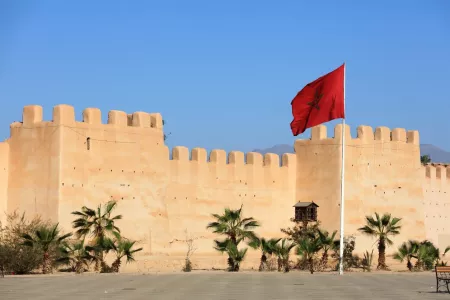
Taroudant, Morocco, known as “Little Marrakech,” is a historic trading city surrounded by ancient adobe walls, lively souks, and authentic Moroccan culture.
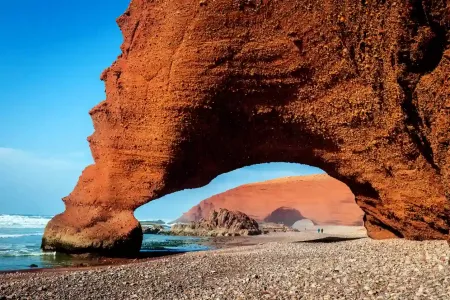
Discover Sidi Ifni, Morocco, a seaside city blending Spanish heritage with Moroccan culture, famous for its beaches, markets, and timeless charm.

Explore Khamlia village near Merzouga, Morocco, a hidden gem of Gnawa music, culture, and authentic Sahara traditions.
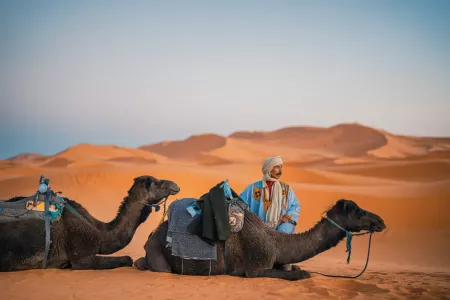
Explore Zagora Morocco, camel rides, palm groves, kasbahs, and timeless desert traditions await in this authentic Sahara gateway.
Discover Ben Youssef Medersa, Marrakech’s stunning Islamic school, famous for its artistry and history.
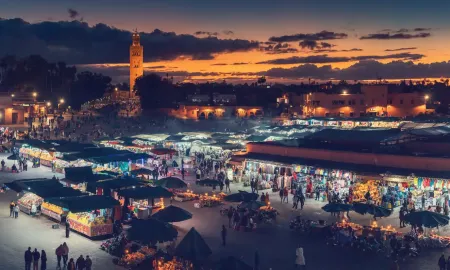
Discover Jemaa El Fna, Marrakech’s iconic square, where history, culture, and tradition come alive day and night.
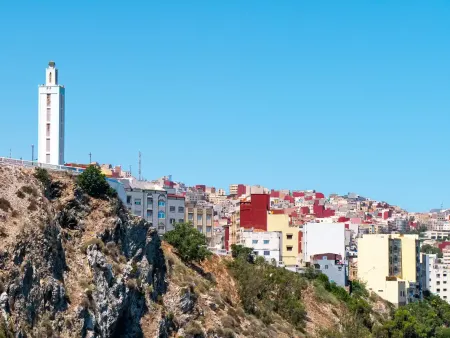
Al Hoceima Morocco is a stunning Mediterranean city where the Rif Mountains meet the sea. Visitors can enjoy pristine beaches like Quemado and Sfiha, scenic hikes in Al Hoceima National Park, and a vibrant mix of Moroccan and Spanish culture. From sea cave explorations to sunset views along Corniche Sabadia, Al Hoceima City embodies the serene and adventurous spirit of Morocco’s northern coast.
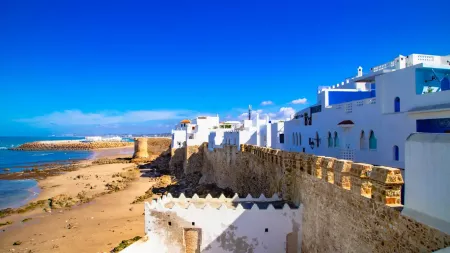
Asilah Morocco blends seaside charm with artistic flair. Explore its white-washed medina, murals, and Asilah Morocco Beach, a coastal treasure rich in history and culture.
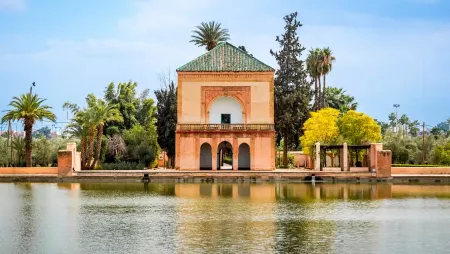
Menara Garden Marrakech is a tranquil 12th-century oasis featuring olive groves, a reflective pool, and breathtaking Atlas Mountain views, a must-see in Morocco.
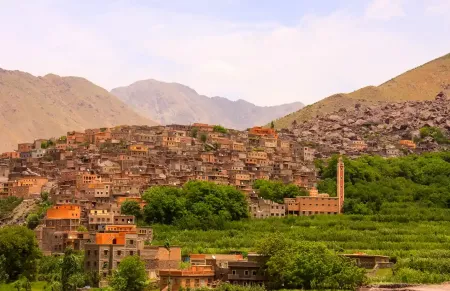
Discover Imlil Morocco, the gateway to the Atlas Mountains. Explore the stunning Imlil Valley, trek to Mount Toubkal, and experience authentic Berber culture.
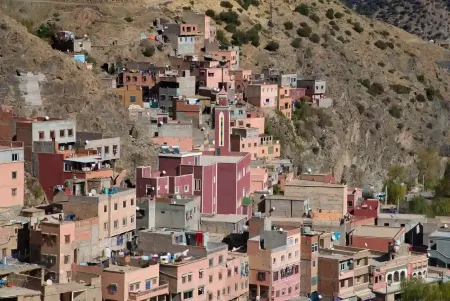
Discover Setti Fatma, a charming Berber village in Morocco’s Ourika Valley, famous for its stunning Seven Waterfalls, mountain hikes, and authentic culture.
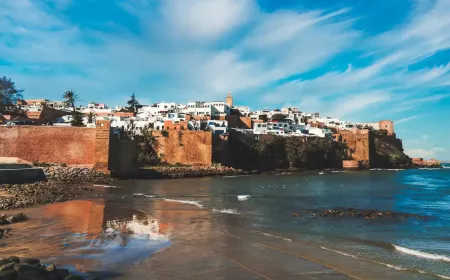
Discover Oudaya Kasbah in Rabat, a 12th-century fortress famed for its blue-and-white lanes, Andalusian gardens, and stunning Atlantic views.

Morocco visa 2026 made easy: visa-free countries, eVisa steps, AEVM requirements & documents needed. New visa-free: Kazakhstan, Albania, Benin, and Madagascar. Get approved in 24-48 hours!