
What Mistakes Do Travellers Make in Egypt, and How Do You Avoid Them?
In this article
- What are the most common mistakes travellers make in Egypt?
- Mistake 1: Cramming too many sites into one day – how do you avoid it?
- Mistake 2: Day-tripping to Luxor or Cairo from a Red Sea resort – how do you avoid it?
- Mistake 3: Booking half-term and Christmas dates too late – how do you avoid it?
- Mistake 4: Arriving without US dollars for the visa – how do you avoid it?
- Mistake 5: Wearing revealing clothes in cities and temples – how do you avoid it?
- Mistake 6: Trusting touts at the Pyramids – how do you avoid it?
- Mistake 7: Booking the cheapest tour – how do you avoid it?
- Mistake 8: Leaving the Grand Egyptian Museum ticket too late – how do you avoid it?
- Mistake 9: Assuming your GHIC covers you – how do you avoid it?
- Mistake 10: Getting mosque and Ramadan etiquette wrong – how do you avoid it?
- What should you check before you go to Egypt?
Mistake → Fix at a glance
|
# |
Mistake |
Fix |
|
1 |
Cramming too many sites into one day |
Two or three major sites a day, with a proper break |
|
2 |
Day-tripping to Luxor or Cairo from a Red Sea resort |
Stay at least one night near the sites |
|
3 |
Booking half-term and Christmas dates too late |
Book four to six months ahead |
|
4 |
Arriving without US dollars for the visa |
Carry US$30 in clean notes or buy the e-visa |
|
5 |
Wearing revealing clothes in cities and temples |
Cover shoulders and knees; pack a scarf |
|
6 |
Trusting touts at the Pyramids |
Agree prices first; let your guide arrange rides |
|
7 |
Booking the cheapest tour |
Compare hours at the sites, not the headline price |
|
8 |
Leaving the Grand Egyptian Museum ticket too late |
Book a timed slot online as soon as dates are fixed |
|
9 |
Assuming your GHIC covers you |
Buy travel insurance with medical cover for Egypt |
|
10 |
Getting mosque and Ramadan etiquette wrong |
Shoes off, cover up, avoid prayer times; eat discreetly |
Customize Your Dream Vacation!
Get in touch with our local experts for an unforgettable journey.
Plan Your Trip
What are the most common mistakes travellers make in Egypt?
Most of the mistakes British travellers make in Egypt come from how close it feels. It's only about five hours from London, and many people know it first as a Red Sea beach holiday, so they plan it like a European city break or a quick excursion from the pool. Egypt's sites are vast, its days start early and its rhythm is very different from home.
The ten Egypt travel mistakes below are the ones our Cairo team sees most often from UK visitors. Some are about planning, like resort day trips and school-holiday timing; others happen on the ground, like touts at Giza and mosque etiquette. Each comes with a simple fix.
Mistake 1: Cramming too many sites into one day – how do you avoid it?
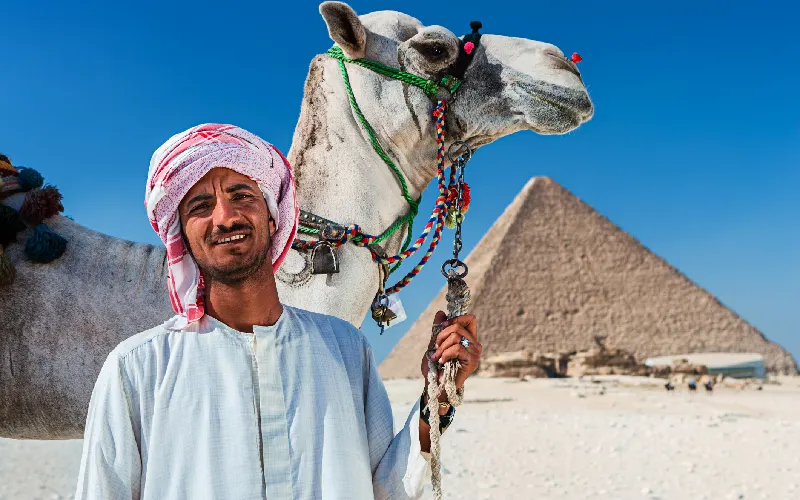
Limit yourself to two or three major sites a day, with a proper lunch break. Itineraries that squeeze the Pyramids, the Grand Egyptian Museum, the Citadel and Khan el-Khalili into one day look efficient but leave you too tired to enjoy any of them.
Why it happens: Egypt's sites are much bigger than they look in photos. The Giza Plateau takes two to three hours to see properly, the Grand Egyptian Museum needs at least three, and Cairo traffic can add an hour between stops. In Luxor, Karnak Temple sprawls across a huge complex and the Valley of the Kings means walking between tombs on open ground. By the fourth stop, most travellers remember the tiredness, not the monument.
Do this instead:
- Plan two full days in Cairo and two in Luxor.
- Pair sites that sit close together, such as the Pyramids and the Grand Egyptian Museum.
- Leave late afternoons free for a felucca ride or a rest.
Our Cairo and The Nile package is paced this way: eight days, with the long legs covered by air and river.
Mistake 2: Day-tripping to Luxor or Cairo from a Red Sea resort – how do you avoid it?
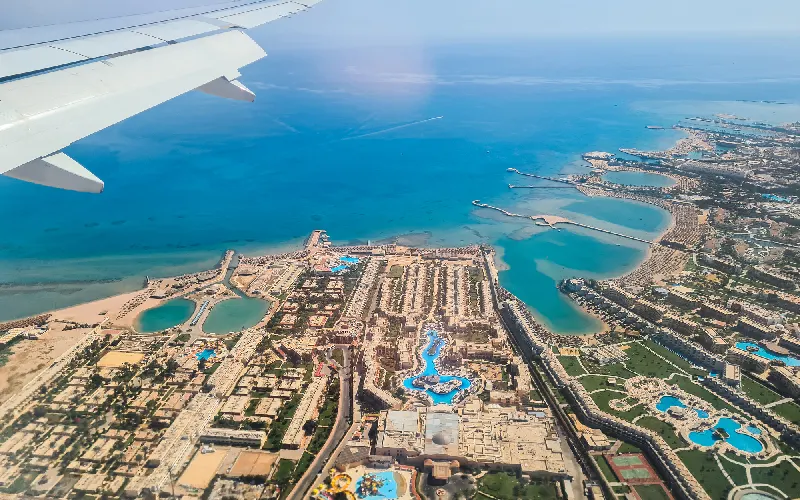
Stay at least one night near the sites. A same-day trip from Hurghada to Luxor means around eight hours on the road for a few rushed hours at the temples, and Cairo is further still.
Why it happens: Many British holidaymakers base themselves in Hurghada, Marsa Alam or Sharm El Sheikh and book a "Luxor in a day" or "Cairo in a day" excursion. These trips usually leave before dawn, return late at night and spend most of the day in a coach. You see the highlights through a window and arrive back too exhausted to enjoy the beach the next day.
Do this instead:
- Split your holiday: a few nights in Cairo and Luxor, then finish with the Red Sea.
- If you must go from a resort, choose an overnight Luxor trip rather than a same-day one.
- From Sharm, fly to Cairo rather than taking the long road journey.
★ Memphis Tours Expert Tip
Do the culture first and the beach last. Ending with four or five days on the Red Sea gives you time to rest after early temple starts, and you'll fly home relaxed rather than worn out.
Mistake 3: Booking half-term and Christmas dates too late – how do you avoid it?
Book four to six months ahead for October half-term, Christmas and February half-term. These are the busiest weeks for British families, and the best hotels, Nile cruises and flights sell out first.
Why it happens: School holidays line up with Egypt's best weather, so demand from the UK peaks at exactly the same time. Travellers who book late often end up on second-choice cruise ships, awkward flight times or itineraries that start in the wrong city. Grand Egyptian Museum slots and domestic flights also fill quickly in those weeks.
Do this instead:
- Lock in flights, your Nile cruise and hotels together.
- Consider early November or March for similar weather with fewer crowds.
- Check that domestic flights are confirmed, not "on request".
Mistake 4: Arriving without US dollars for the visa – how do you avoid it?
Carry US$30 in clean, undamaged notes for the visa on arrival, or buy the e-visa online before you fly. The visa fee is set in US dollars, so travellers who bring only sterling can lose time at the airport.
Why it happens: The single-entry visa on arrival rose from US$25 to US$30 in March 2026, and many UK guides still quote the old fee. Bank desks at the airport handle the visa before passport control, and queues after an evening flight can be long. Torn or very old notes are sometimes refused.
Do this instead:
- Order a few US dollars with your holiday money.
- Or apply for the e-visa on the official portal, never a look-alike agency site.
- Check the FCDO's Egypt travel advice for the latest entry rules before you go.
Mistake 5: Wearing revealing clothes in cities and temples – how do you avoid it?
Pack loose clothes that cover your shoulders and knees for Cairo, Luxor and Aswan, plus a scarf for mosques. Keep strappy tops and short shorts for the Red Sea resorts and the hotel pool.
Why it happens: Travellers who know Egypt from Hurghada or Sharm often pack the same way for the whole trip. Cities and temple towns are more conservative, and dressing modestly means fewer stares and easier entry to religious sites. Loose cotton or linen also keeps you cooler in strong sun than tight synthetic fabrics.
Do this instead:
- Pack light layers that cover shoulders and knees.
- Bring a scarf for mosques and dusty wind.
- Wear closed, comfortable walking shoes at the sites.

Mistake 6: Trusting touts at the Pyramids – how do you avoid it?
Agree every price before you start, buy tickets only at official counters and let your guide arrange any camel or horse ride. Most people you meet are genuinely friendly, but Giza attracts persistent touts.
Why it happens: The classic tricks at the Giza Pyramids are a camel ride that costs one price to get on and another to get off, a "free" headscarf that turns into a request for money, and someone in a uniform-like shirt offering a "secret" viewpoint. None of it is dangerous, but it's tiring and eats into the time you came to spend at the monuments.
Do this instead:
- Say a polite, firm "la, shukran" (no, thank you) and keep walking.
- Agree price, duration and route before any ride, and pay at the end.
- Travel with a licensed guide at the busiest sites; touts largely leave you alone.
★ Memphis Tours Expert Tip
For the classic panoramic photo of all nine pyramids, ask your guide to stop at the panorama point on the plateau rather than following a tout to a "better" spot. It's the same view, without the bill.
Mistake 7: Booking the cheapest tour – how do you avoid it?
Compare tours by hours at the sites, what's included and who your guide is, not by headline price. Very low prices are usually recovered through shopping stops, where the operator earns commission on what you buy.
Why it happens: A budget day tour often includes a perfume "factory", a papyrus "institute" and an alabaster workshop. Each stop takes 30 to 60 minutes, and together they can eat more of your day than the temples. In Egypt, Egyptologist guide is a licensed profession requiring a university degree and a government licence, so who leads your tour matters as much as the price.
Do this instead:
- Ask how many hours you'll spend at the sites.
- Check entrance fees, transport and lunch are included.
- Confirm your guide is a licensed Egyptologist.
Our Pyramids and Nile Cruise by Air itinerary lists every inclusion upfront, so you can compare like for like.
Mistake 8: Leaving the Grand Egyptian Museum ticket too late – how do you avoid it?
Book a timed slot online as soon as your dates are fixed. Since December 2025, the Grand Egyptian Museum has sold tickets online only, so you can't buy at the door, and school-holiday slots sell out.
Why it happens: Older guidebooks still describe buying tickets on arrival, and some travellers still head to the old Egyptian Museum in Tahrir Square expecting to see Tutankhamun's mask. The complete Tutankhamun collection is now at the GEM, beside the Pyramids, and the galleries alone can take 90 minutes.
Practical info: Grand Egyptian Museum
|
Opening hours |
Ticket price |
Time needed |
How to get there |
Best time |
|
Timed slots, typically 9:00 to 19:00 |
About EGP 1,450 per foreign adult (checked Oct 2026) |
3–4 hours |
About 10 minutes from the Giza Pyramids |
First morning slot |
Do this instead:
- Book your slot on the official GEM site the day your trip is confirmed.
- Pair it with the Pyramids on the same day.
- Allow at least three hours inside.
Mistake 9: Assuming your GHIC covers you – how do you avoid it?
Buy travel insurance that covers medical treatment and repatriation from Egypt. The UK Global Health Insurance Card isn't valid in Egypt, so without insurance you'll pay for any treatment yourself.
Why it happens: Many British travellers are used to the GHIC in Europe and assume it works everywhere. In Egypt, private clinics and hospitals expect payment upfront, and a twisted ankle on temple steps or a stomach bug that needs a doctor can quickly become expensive. Some cheaper policies also exclude activities such as hot-air ballooning or diving in the Red Sea.
Do this instead:
- Buy insurance as soon as you book, so cancellation cover starts straight away.
- Check it covers ballooning, snorkelling or diving if you plan to do them.
- Check vaccination advice on NHS fitfortravel at least eight weeks before travel.
Mistake 10: Getting mosque and Ramadan etiquette wrong – how do you avoid it?
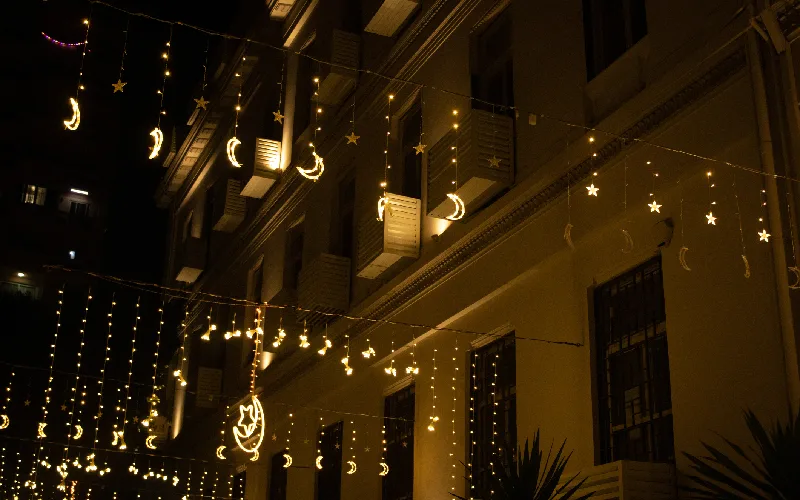
Remove your shoes, cover up and avoid visiting during prayer times, especially Friday midday. During Ramadan, eat and drink discreetly in daylight hours. These simple habits avoid almost every awkward moment.
Why it happens: Mosques such as the Mosque of Muhammad Ali at the Citadel and Al-Azhar welcome visitors, but they're working places of worship. Women will need to cover their hair, and everyone should cover shoulders and knees. Ramadan moves earlier each year; visitors aren't expected to fast, but eating openly in the street is seen as disrespectful, and opening hours and traffic shift around sunset.
Do this instead:
- Carry a scarf and wear easy-to-remove shoes on mosque days.
- Plan mosque visits outside the main prayer times.
- During Ramadan, eat in hotels and restaurants, and check opening hours with your operator.
- Ask before photographing people inside mosques.
What should you check before you go to Egypt?
Run through this checklist two to four weeks before you fly, and the mistakes to avoid in Egypt above simply won't happen.
- Passport valid for at least six months after your return date
- E-visa bought, or US$30 in clean notes for the visa on arrival
- Travel insurance with medical and repatriation cover (GHIC isn't valid)
- At least one night booked near Luxor or Cairo if you're staying on the Red Sea
- Grand Egyptian Museum timed ticket booked
- Licensed Egyptologist guide confirmed for Giza and Luxor
- Modest clothing, a scarf and walking shoes packed
- Vaccination advice checked on NHS fitfortravel
- Latest FCDO travel advice for Egypt read
Plan your first trip with an Egypt specialist
Memphis Tours has organised holidays in Egypt since 1955. Browse our Egypt holidays or tailor-make your trip with our team.
Millions of British holidaymakers visit Egypt every year, and the main tourist areas have a visible police presence. The FCDO advises against travel to some border regions, which are well away from the usual tourist routes. Check the latest FCDO travel advice for Egypt before booking and again shortly before you travel.
You can, but it's a very long day: around four hours each way by road, leaving only a few hours at the temples. An overnight trip lets you see Karnak, Luxor Temple and the Valley of the Kings properly. Better still, spend two nights in Luxor before or after your beach stay.
Sterling is accepted at some hotels and bank exchange desks, but day-to-day spending is in Egyptian pounds, and the visa fee is set in US dollars. Withdraw Egyptian pounds from bank ATMs and use cards in hotels and larger restaurants where they're accepted.
Yes. Late October brings warm, dry days that are comfortable for sightseeing, without the intense heat of summer. It's also one of the busiest periods for British families, so Nile cruises, flights and Grand Egyptian Museum slots sell out early. Book four to six months ahead for the best choice.
No. The UK Global Health Insurance Card only covers state healthcare in certain countries, and Egypt isn't one of them. You'll need travel insurance with medical and repatriation cover. Check the policy also covers any activities you plan, such as ballooning in Luxor or diving in the Red Sea.
Yes. Alcohol is available in most tourist hotels, Nile cruise ships and licensed restaurants, though it's less common in local cafés and is drunk discreetly. Egyptian beers and wines are widely served. During Ramadan, some venues limit alcohol sales, so check with your hotel if you're travelling then.
