The Most Magical Places I Saw in Jordan (That Photos Don’t Capture)
Why Jordan Felt Different
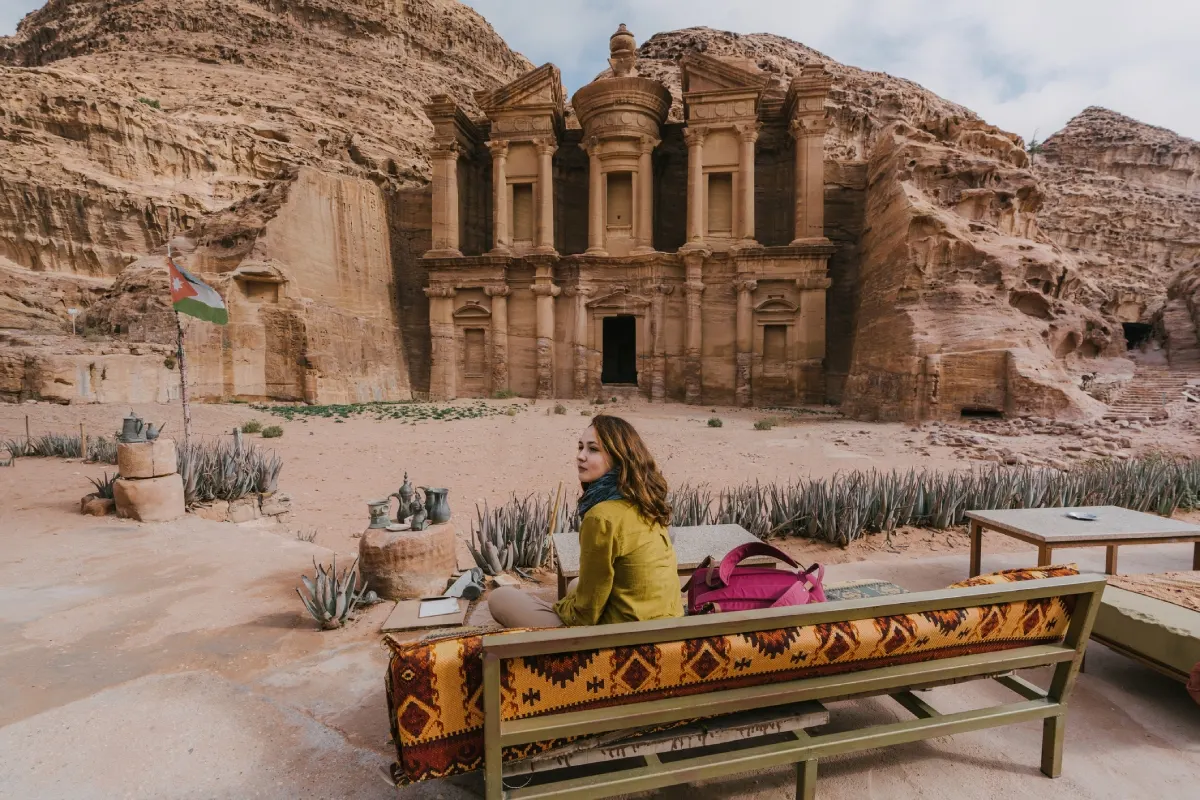
I’ve travelled to many destinations, seen countless landmarks, and taken thousands of photos—but nothing prepared me for how Jordan feels in real life.
You can scroll through images of Petra, Wadi Rum, or the Dead Sea all day long, but they won’t capture the silence of the desert, the warmth of the people, or the sense of history that surrounds you everywhere.
This isn’t just a guide to the places to see in Jordan. It’s a personal journey through the moments that stayed with me long after I left.
1- Petra: The Moment That Stopped Time
Walking Through the Siq
The first time I walked through the narrow canyon leading to Petra, I remember feeling completely disconnected from the outside world.
The towering rock walls, the soft echo of footsteps, and that slow reveal at the end—it’s not just an entrance. It’s an experience.
When the Treasury Appears
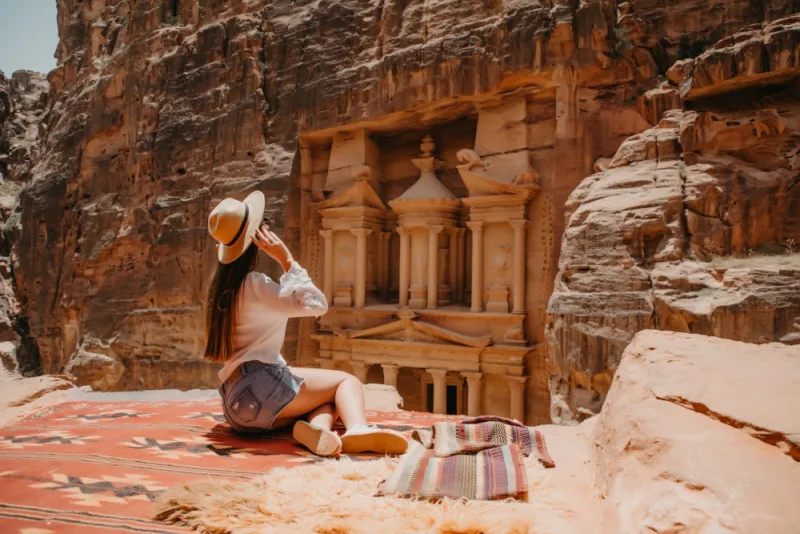
Then suddenly, it’s there—the Treasury. Not on a screen. Not filtered. Real.
And honestly, it felt bigger, quieter, and more emotional than anything I had imagined.
What Makes Petra Magical
- The early morning stillness
- The sound of wind echoing through stone
- The feeling of walking through 2,000 years of history
Travel Tip
Go at sunrise if you can. It completely changes the experience.
Customize Your Dream Vacation!
Get in touch with our local experts for an unforgettable journey.
Plan Your Trip
2- Wadi Rum: Silence I Didn’t Know Existed
A Desert That Feels Like Another Planet
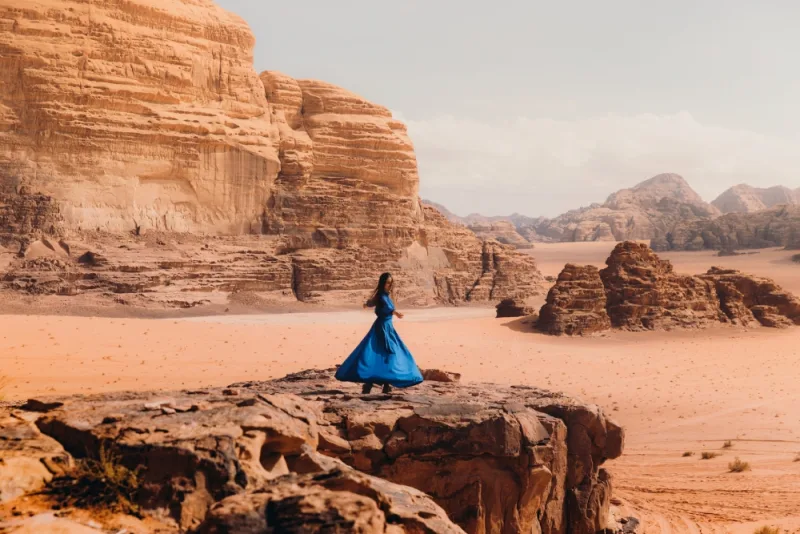
I had seen photos of Wadi Rum before, but nothing prepared me for how vast it actually is.
The desert isn’t empty—it’s alive in a quiet, powerful way.
The Sound of Nothing
At one point, I stood still and realized there was absolutely no sound. No cars. No voices. Just silence.
And somehow, that silence felt louder than any city I’ve ever been in.
The Night Sky
That night, lying under a sky full of stars, I understood why people fall in love with this place.
What Makes Wadi Rum Magical
- The depth of silence
- The warmth of Bedouin hospitality
- The scale of the landscape
Don’t Miss
Staying overnight in a desert camp is essential.
3- The Dead Sea: Floating, But Also Letting Go
Yes, You Really Float
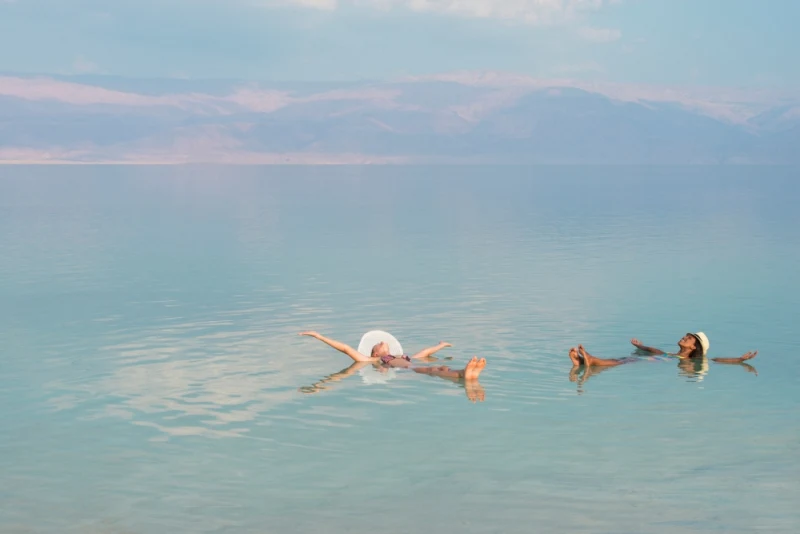
Floating in the Dead Sea feels unreal—but that’s not what stayed with me.
It’s the Stillness
The water is calm. The air feels different. Time slows down.
I found myself just existing. No rush. No noise.
What Makes It Special
- The peaceful atmosphere
- The surreal stillness
- A rare sense of complete calm
Travel Tip
Don’t rush this stop. Give yourself time to enjoy it fully.
4- Jerash: Walking Through a Living Roman City
More Than Ruins
When I arrived at Jerash, I expected ruins.
What I experienced instead felt like stepping into a living city from another time.
The Echo in the Theater
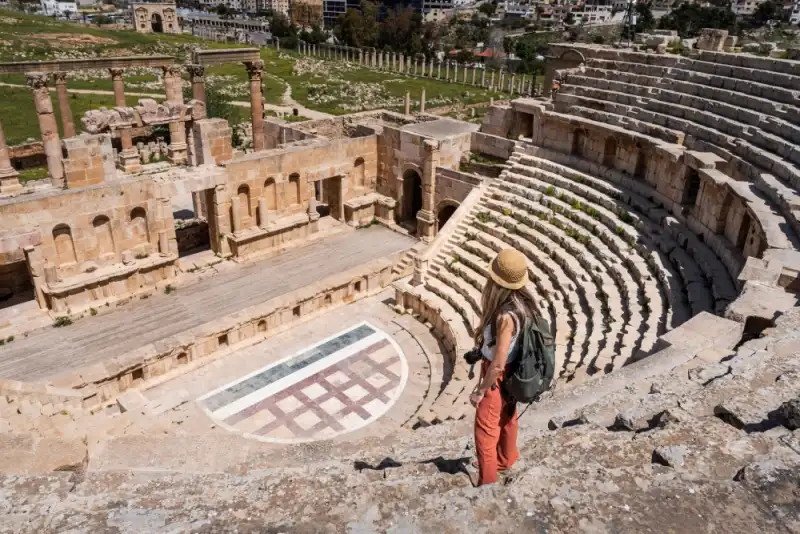
Standing in the Roman theater, I tested the acoustics and heard my voice carry across the space.
That single moment made history feel real.
What Makes Jerash Unique
- The scale of the ruins
- The feeling of walking ancient streets
- The quiet atmosphere between columns
5- Amman: The City That Surprised Me
Old Meets New
I didn’t expect to love Amman as much as I did.
It’s vibrant, chaotic, and full of contrast.
A City You Feel
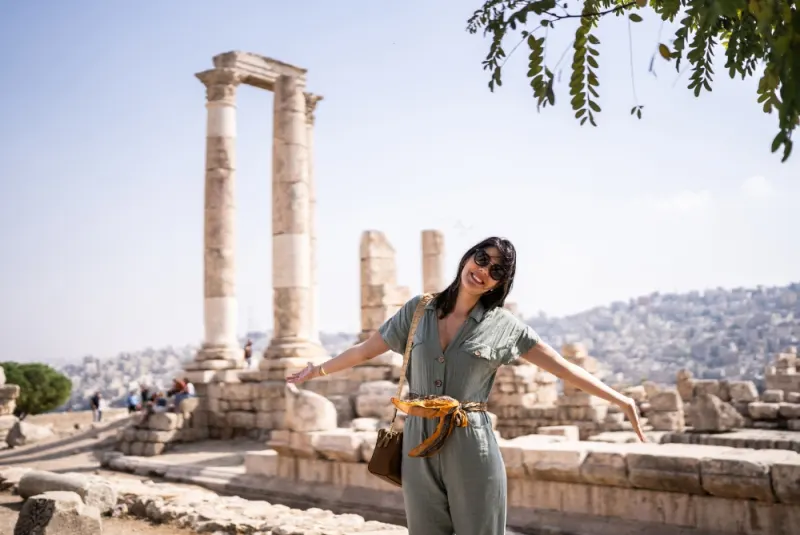
From the Citadel views to the energy of downtown, Amman isn’t just about landmarks—it’s about atmosphere.
What Makes Amman Special
- The energy of the streets
- The friendliness of locals
- The blend of tradition and modern life
Must Do
Sit in a local café and just watch the city move around you.
6- Aqaba: Where Everything Slows Down
A Different Side of Jordan
After deserts and ancient cities, Aqaba felt like a complete shift in pace.
Underwater Calm
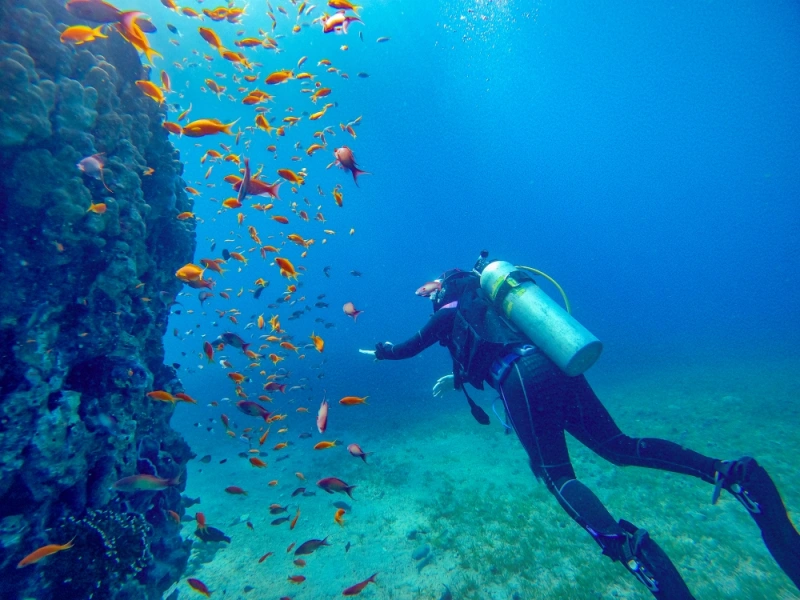
Snorkeling in the Red Sea revealed a peaceful and colorful world beneath the surface.
What Makes Aqaba Magical
- The calm rhythm of the sea
- The clarity of the water
- The feeling of slowing down
Why These Are the Best Places to See in Jordan
It’s Not Just About the Views
The best places to see in Jordan aren’t just about what you see—they’re about what you feel.
It’s the Moments Between
- A quiet walk through history
- A shared meal with locals
- A spontaneous conversation
- A sunset you didn’t plan
These are the moments that stay with you long after the trip ends.
Practical Tips From My Experience
Best Time to Visit
- Spring (March–May): perfect weather
- Autumn (September–November): comfortable and less crowded
How Long to Stay
- 5–7 days minimum
- 8–10 days for a slower, deeper experience
What I’d Do Differently
- Spend more time in Wadi Rum
- Explore more local food spots
- Leave room for unplanned moments
The absolute must-see places in Jordan are Petra, Wadi Rum, the Dead Sea, Jerash, Amman, and Aqaba. Petra is the most iconic — an ancient city carved into rose-red cliffs and one of the New Seven Wonders of the World. Wadi Rum is a vast, otherworldly desert landscape. The Dead Sea is the lowest point on Earth and famous for its effortless floating. Jerash is one of the best-preserved Roman cities anywhere in the world. Amman is a vibrant capital full of history and culture. And Aqaba offers warm Red Sea waters perfect for diving and snorkeling.
To see Jordan's main highlights properly — Petra, Wadi Rum, the Dead Sea, Jerash, Amman, and Aqaba — you need a minimum of 5 to 7 days. This allows one full day for Petra, one overnight in Wadi Rum, a half to full day at the Dead Sea, a day trip to Jerash, and time to explore Amman and Aqaba. If you want a slower, more immersive experience with room for unplanned moments and local meals, 8 to 10 days is the ideal length for a first trip to Jordan.
Jordan is widely regarded as one of the safest and most welcoming countries in the entire Middle East for international tourists, including solo travelers. The country has a long tradition of hospitality — the Arabic concept of "Ahlan wa Sahlan" (you are welcome here) is not just a phrase, it's a way of life. Tourist infrastructure is well developed across all major sites, English is widely spoken by guides and hospitality staff, and violent crime against tourists is extremely rare. First-time visitors consistently describe Jordan as one of the most reassuring and friendly destinations they have ever traveled to.
Yes, many of Jordan's top places are easily reachable as day trips from Amman. Jerash is just 48 km north of the capital and takes about an hour to reach. The Dead Sea is around 55 km west and perfect for a half-day or full-day visit. Madaba and Mount Nebo are about 30 km southwest and easily combined in one trip. Petra is further at around 3 hours away but very commonly done as a long day trip. Using Amman as a base makes it possible to see a great deal of Jordan without changing accommodation every night.
You can explore most places in Jordan independently, but having a licensed guide significantly enriches the experience. Sites like Petra and Jerash are vast and complex — a good guide brings the history to life in ways that self-guided visits simply cannot replicate. Wadi Rum requires a local guide or operator for desert navigation. For independent travelers, the Jordan Pass is an excellent investment, covering the tourist visa and entry fees to over 40 sites including Petra, Wadi Rum, and Jerash. A mix of guided excursions and independent exploration tends to give the most satisfying overall experience.