Table of Contents:-
#How safe is Morocco to visit in 2026?
#Top safety concerns for tourists in Morocco
#Safety tips for different types of travelers
#How safe is Morocco to visit in 2026?
#Top safety concerns for tourists in Morocco
#Safety tips for different types of travelers
Morocco welcomes over 12 million visitors each year, establishing itself as North Africa's premier destination for international travelers. Crime statistics reveal a consistent downward trend across the kingdom, yet many potential visitors harbor uncertainties about safety conditions. These concerns often stem from incomplete information rather than actual risk assessments.
The Kingdom of Morocco maintains strong diplomatic relations with the United States, reflected through its Level 2 advisory classification. This designation recommends exercising increased caution identical to advisories issued for beloved European destinations, including France, Italy, and Spain. Popular travel resources frequently emphasize petty theft incidents while overlooking a crucial fact: violent crime statistics in the United States exceed Morocco's rates by substantial margins. Statistical evidence suggests Morocco presents fewer safety risks than many travelers' home countries.
Travel advisories often omit essential context about Morocco's protective measures and cultural attitudes toward visitors. Local communities depend heavily on tourism revenue, with the sector employing one in ten Moroccans. This economic reality creates natural incentives for maintaining visitor safety and positive experiences. The following analysis reveals hidden aspects of Moroccan safety protocols, examines real versus perceived risks, and provides targeted guidance for various traveler profiles. Understanding these nuances helps explain why Morocco continues attracting millions seeking authentic North African cultural encounters.
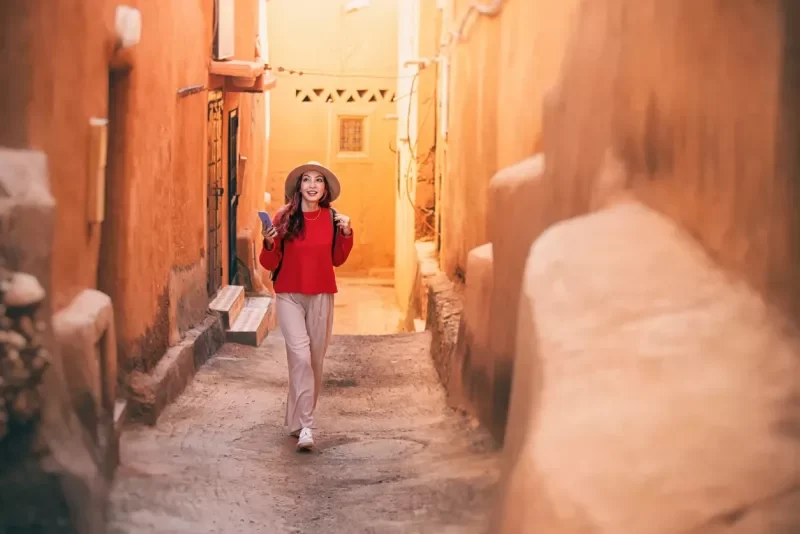
Yes, Morocco is safe for tourists right now. You'll find crime rates lower than many European cities, with 12 million visitors traveling safely each year. Morocco has a U.S. Level 2 advisory (same as France and Spain). Recent violent crime dropped 25%, making it one of North Africa's safest destinations for your trip.
Your main risks in Morocco are petty theft and pickpocketing in crowded areas like Marrakech's Jemaa el-Fnaa, fake guide scams, taxi overcharging, and street harassment for solo female travelers. You should also watch for henna scams and bag-snatching in medinas. Violent crime is rare; you'll mainly deal with minor scams, not serious threats.
The U.S. Department of State assigns Morocco a Level 2 travel advisory status, indicating travelers should "exercise increased caution" primarily due to terrorism concerns. This classification aligns Morocco with numerous sought-after European destinations, including France, Spain, and Italy. Decoding the actual meaning behind this advisory proves more important than concluding the numerical designation alone.
Level 2 advisories alert travelers to "be aware of increased risks to safety and security. While terrorism appears among the listed concerns, Morocco has experienced no major terrorist incidents in recent years. The most recent significant event occurred in 2018, since which the Moroccan government has implemented robust counterterrorism measures featuring enhanced security protocols and extensive international cooperation. The advisory functions primarily as a precautionary notification rather than a travel deterrent.
Official data demonstrates Morocco's continued safety improvements across multiple metrics. The nation's Directorate of National Security documented a notable 10% reduction in overall criminal activity during 2023. Violent crime statistics revealed even more encouraging trends, with murders, assaults, and deadly injuries declining by 25%.
Examining individual urban centers provides an additional perspective. Marrakech, among Morocco's most frequented tourist destinations, registers a crime index of 41.85 compared to London's 64.61. Independent safety assessments consistently position Morocco ahead of several popular travel destinations, including Jordan, France, and Italy.
Newcomers frequently mistake cultural vibrancy for potential threats. Animated marketplace negotiations, enthusiastic vendor interactions, and unfamiliar social customs create sensory experiences that visitors sometimes perceive as overwhelming or concerning. Yet beneath this energetic exterior exists a deeply family-centered society that naturally generates protective community networks.
Moroccan residents demonstrate a remarkable willingness to assist visitors facing difficulties, forming an informal support system throughout urban and rural areas alike. Travelers practicing reasonable precautions consistently report favorable experiences free from security complications. The dynamic atmosphere characterizing Moroccan city centers, while spirited and engaging, typically provides greater personal safety than comparable walks through numerous European metropolitan areas.
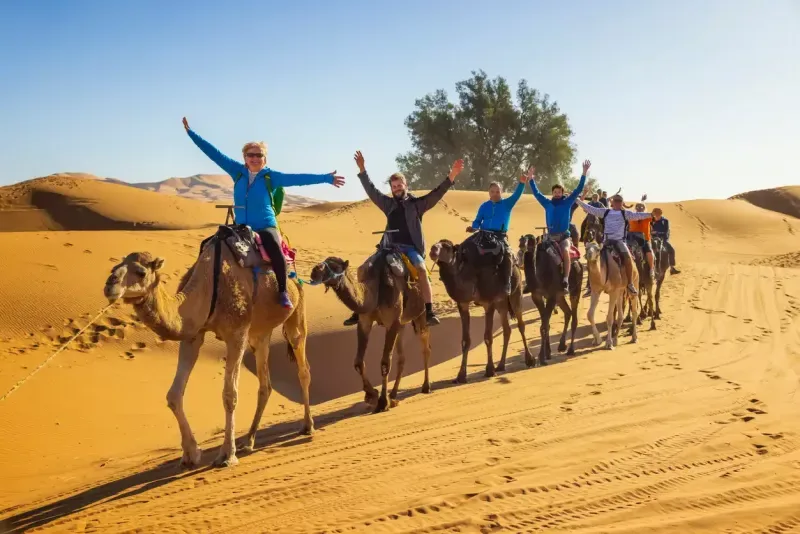
You should avoid walking alone at night, displaying valuables, using unlicensed taxis, drinking tap water, accepting unsolicited guides, wearing revealing clothing, public affection (especially LGBTQ+ couples), photographing people without asking, and leaving belongings unattended. Dress modestly and stay alert in tourist areas for a safer trip.
Morocco is generally safer than Egypt for tourists. You'll find lower crime rates in Marrakech; its crime index is 41.85 versus Cairo's higher rates. Morocco offers better infrastructure, more political stability, and fewer security concerns. Morocco welcomes 12 million tourists annually with fewer incidents than Egypt.
Get in touch with our local experts for an unforgettable journey.
Plan Your Trip
Four primary safety challenges emerge consistently across Morocco's tourist landscape, each requiring informed awareness rather than travel avoidance. Knowledge of these concerns enables visitors to navigate Morocco's cultural richness while maintaining personal security.
Tourist-concentrated zones present the highest risk for petty criminal activity, with historical medina quarters and coastal areas experiencing frequent incidents. Criminal methods include pickpocketing, bag-snatching, and motorcycle-based theft targeting visible jewelry and handbags. Marrakech's iconic Jemaa el-Fnaa square represents a particularly active location for such encounters. Sophisticated thieves utilize distraction tactics, engaging travelers in seemingly innocent conversations while accomplices execute thefts.
Protective measures prove highly effective against these opportunistic crimes. Travelers should limit cash quantities, secure valuables appropriately, and exercise heightened awareness throughout marketplace environments. Visiting popular areas during off-peak periods reduces exposure to criminal activity, as pickpockets capitalize on dense crowd conditions.
Unauthorized individuals frequently approach visitors throughout major urban centers, presenting themselves as guides while claiming official sites remain closed. These encounters serve commercial purposes, directing tourists toward shops where guides receive payment commissions. Official guides carry government-issued identification badges; requesting credential verification immediately distinguishes legitimate professionals.
Henna application scams present another persistent concern. Self-appointed "henna ladies" physically engage tourists without consent, applying designs before demanding substantial payment exceeding 200 dirham. Particularly dangerous black henna formulations contain gasoline-based compounds capable of producing severe skin reactions. Firm refusal works best, though offering minimal compensation, around 20 dirham can resolve unwanted encounters.
Female travelers encounter varying degrees of unwanted attention throughout Morocco, with solo travelers experiencing more frequent incidents. Harassment manifests through verbal commentary, persistent following, and inappropriate approaches. These behaviors reflect cultural disparities regarding public space utilization and gender interactions.
Transportation challenges represent Morocco's most universal tourist complaint. Drivers routinely avoid meter usage, propose inflated pricing, and select circuitous routes for financial gain. Additional tactics include arbitrary rate establishment and destination refusal based on profit calculations. Evening rates increase substantially; airport transfers range from 250-300 MAD during daylight hours compared to 300-350 MAD after sunset.
Meter enforcement and pre-negotiated fares provide effective countermeasures against overcharging. Mobile applications offer alternative transportation options, though verification of driver licensing remains important for passenger safety.
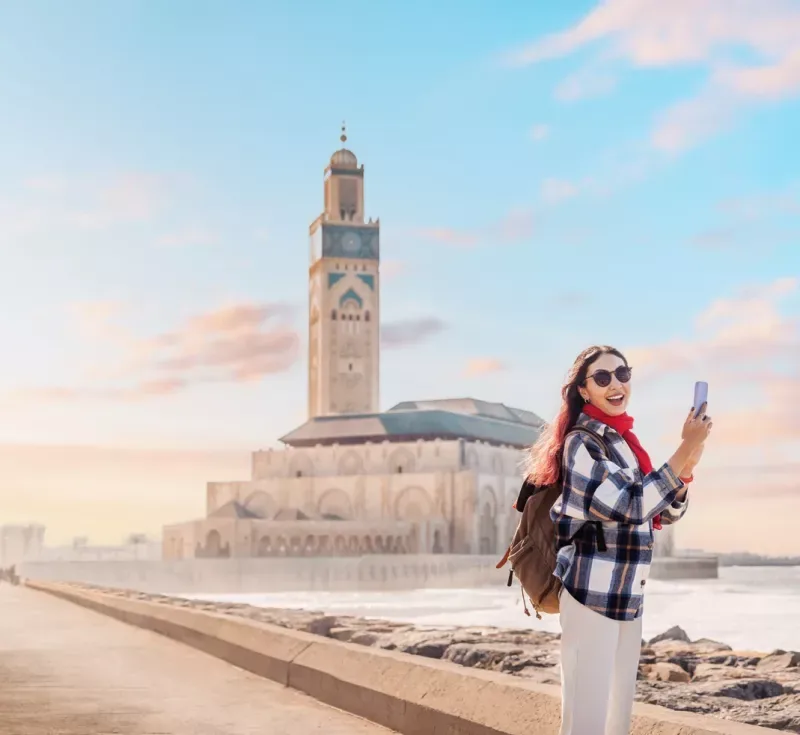
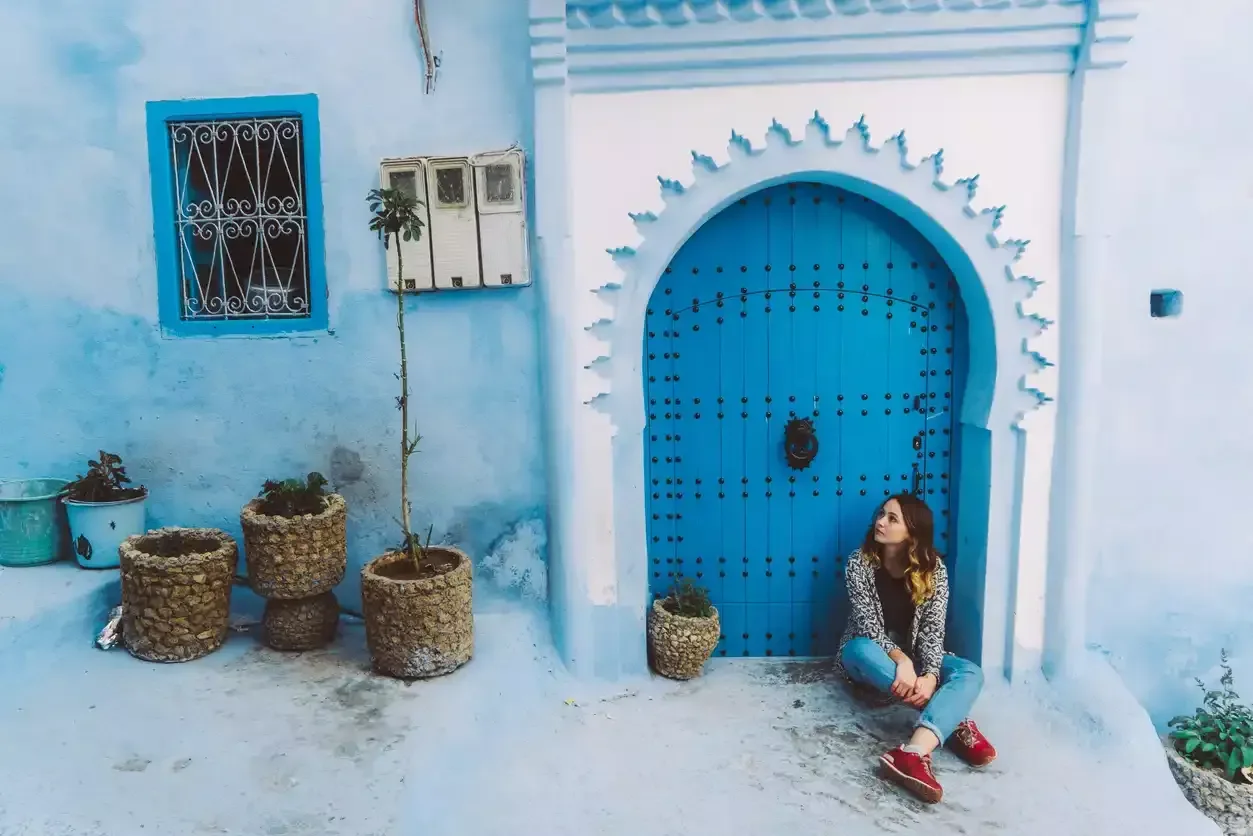
You can wear knee-length shorts in beach resorts like Agadir, but avoid short-shorts everywhere. In cities like Marrakech and Fes, you'll get less attention wearing loose pants or long skirts covering your knees. For medinas and mosques, dress modestly with covered shoulders and knees to respect customs and reduce harassment.
Moroccan society presents distinct experiences depending on traveler demographics and cultural backgrounds. Understanding these nuances enables visitors to navigate the kingdom's cultural landscape with greater awareness and confidence.
Independent exploration of Morocco rewards those who demonstrate cultural awareness and a confident demeanor. Confidence serves as the foundation for successful solo travel—purposeful walking and clear directional awareness signal experience to locals. Research neighborhood characteristics before venturing out, particularly avoiding dimly illuminated areas during evening hours. Accommodation selection requires particular attention; establishments receiving positive feedback from previous solo guests typically maintain higher safety standards. When facing persistent unwanted attention, employing the Arabic term "hshouma" (meaning shame) often proves more effective than English refusals.
Female visitors encounter Morocco's traditional gender dynamics, which influence public interactions significantly. Modest attire demonstrates cultural respect while reducing unwanted attention. Loose garments covering arms, legs, and chest align with local expectations. Religious sites particularly appreciate headscarves, while carrying a lightweight shawl provides flexibility for various situations. Public transportation seating near families or other women creates natural protective environments. Sunglasses offer practical protection from both desert glare and unwanted eye contact. Accommodation research should prioritize feedback from female travelers who understand gender-specific challenges.
American citizens benefit from Morocco's longstanding diplomatic relationship with the United States, established through the 1787 Treaty of Friendship. Anti-American sentiment remains notably absent, distinguishing Morocco from certain regional destinations. Embassy registration protocols provide essential emergency contact frameworks for all foreign nationals. The Smart Traveler Enrollment Program facilitates rapid location services during crises, proving invaluable for American tourists. Medical evacuation insurance addresses healthcare gaps, as Morocco lacks reciprocal medical agreements with most Western nations.
Morocco's Penal Code Article 489 criminalizes homosexual relationships, imposing imprisonment terms and financial penalties. Legal enforcement has resulted in arrests of same-sex couples displaying public affection. Criminal penalties extend to three years' incarceration for intimate same-sex conduct. Social attitudes vary from bewilderment to open hostility across different regions and demographics. These legal realities necessitate complete discretion regarding public displays of same-sex affection. Recent years have witnessed increased legal scrutiny affecting lesbian travelers, who previously experienced less enforcement attention.
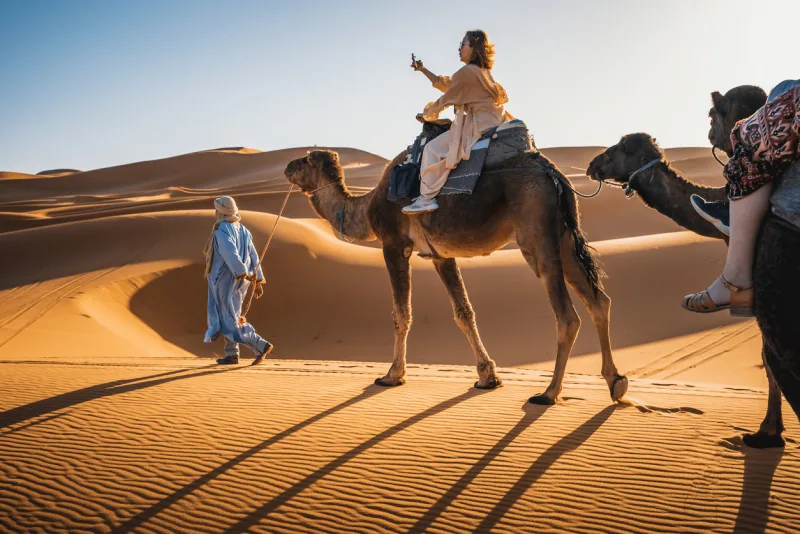
You can brush your teeth with tap water at upscale hotels in major cities like Marrakech and Casablanca. However, use bottled water if you have a sensitive stomach, stay in budget accommodation, or travel in rural areas. Never drink tap water directly; always use sealed bottled water for drinking.
Effective safety measures require understanding local customs alongside practical preparation. These specific strategies protect travelers while respecting Moroccan cultural values, ensuring positive interactions throughout the kingdom.
Clothing choices significantly influence your reception across Morocco. Women benefit from loose-fitting garments covering shoulders and knees, with flowing fabrics providing both cultural appropriateness and comfort. Men should avoid shorts and sleeveless shirts, particularly when venturing beyond tourist zones. Light cotton and linen materials offer breathability while meeting conservative dress expectations. This approach demonstrates cultural sensitivity while reducing unwanted interactions substantially.
Nighttime exploration requires strategic planning and situational awareness. Well-lit, populated thoroughfares provide safer passage after sunset. Transportation becomes preferable to walking, especially when navigating unfamiliar neighborhoods. Tourist districts maintain better security but demand continued vigilance; certain areas grow notably quiet during Ramadan evening hours when families gather for iftar. Environmental awareness helps recognize developing situations before they escalate.
Transportation choices directly impact both safety and budget considerations. Meter usage or pre-negotiated fares prevent common overcharging schemes. Licensed taxis in major cities offer air-conditioned comfort and regulated service standards. Marrakech visitors should seek the distinctive "taxi vert" windshield certification indicating official status. Modern alternatives include ride-sharing applications such as inDrive or Careem, which provide driver ratings and transparent pricing.
Smart storage prevents opportunistic theft while maintaining travel convenience. Hotel safes accommodate passports, electronics, and surplus currency securely. Money belts worn beneath clothing prove superior to visible external pouches for carrying essentials. Daily excursions require only immediate spending money, reducing financial exposure.
Medical coverage becomes essential given Morocco's limited reciprocal healthcare agreements with foreign nations. Embassy registration provides crucial communication channels. American citizens should utilize the Smart Traveler Enrollment Program for security updates and emergency coordination.
Hydration and nutrition choices affect health outcomes significantly. Sealed bottled water or portable filtration devices like LifeStraw ensure safe consumption. Street food selection follows local patronage patterns. Busy vendors indicate fresh ingredients and proper handling practices. Popular establishments typically maintain superior hygiene standards. Grilled preparations and hot dishes present fewer risks than raw salads or unrefrigerated dairy offerings.
Morocco's position as North Africa's premier tourist destination reflects decades of careful development and cultural preservation. The kingdom demonstrates how traditional hospitality traditions can coexist with modern safety protocols, creating an environment where visitors experience authentic Berber and Arab cultures while maintaining personal security.
Cultural misunderstandings often overshadow Morocco's actual safety record. The sensory richness of ancient medinas, the energetic atmosphere of traditional markets, and the warmth of local interactions can initially overwhelm newcomers. These authentic cultural elements represent Morocco's greatest attractions rather than safety hazards. Most security challenges involve minor inconveniences—opportunistic theft, commercial negotiations, or navigation difficulties rather than serious threats to personal well-being.
Each traveler demographic requires specific awareness of local customs and legal frameworks. Female visitors benefit from understanding dress codes and social expectations that vary between urban centers and rural communities. Independent travelers find success through confident navigation and careful accommodation selection. Certain communities must acknowledge legal restrictions that differ significantly from their home countries' frameworks.
Effective preparation creates the foundation for memorable Moroccan experiences. Conservative dress choices, transportation awareness, secure storage of important documents, comprehensive insurance coverage, and dietary caution form essential elements of responsible travel planning. These practices enable visitors to focus on Morocco's architectural marvels, culinary traditions, and renowned hospitality.
Morocco rewards cultural sensitivity and respectful engagement. Visitors who approach the kingdom with genuine curiosity about its Islamic heritage, Berber traditions, and contemporary society discover extraordinary depth beyond typical tourist experiences. The nation's commitment to preserving its cultural authenticity while welcoming international visitors has established Morocco as a model for sustainable cultural tourism throughout the Mediterranean and African regions.
Q1. Is Morocco safe for solo female travelers?
While Morocco is generally safe, solo female travelers should take extra precautions. Dress modestly, be aware of your surroundings, and consider joining group tours for certain activities. Many women travel solo in Morocco without issues, but it's important to respect local customs and be prepared for some unwanted attention.
Q2. What are the main safety concerns for tourists in Morocco?
The primary safety concerns for tourists in Morocco include petty theft, pickpocketing in crowded areas, scams involving fake guides, and potential taxi overcharging. Violent crime against tourists is rare, but it's wise to stay vigilant, especially in busy tourist areas.
Q3. How does Morocco's safety compare to other popular tourist destinations?
Morocco's safety profile is comparable to many popular European destinations. It has a Level 2 travel advisory from the U.S. Department of State, similar to countries like France and Spain. Crime rates in major Moroccan cities are often lower than in some European capitals.
Q4. What precautions should I take to ensure a safe trip to Morocco?
To stay safe in Morocco, dress modestly, avoid walking alone at night, use official taxis or ride apps, keep valuables secure, carry minimal cash, get travel insurance, and register with your embassy. Also, be cautious with food and water consumption to avoid health issues.
Q5. Are there any specific areas or cities in Morocco that tourists should avoid?
While most of Morocco is safe for tourists, it's advisable to exercise caution in less touristy areas, especially at night. Research your destinations beforehand and stay informed about current local conditions. Popular tourist cities like Marrakech, Fez, and Casablanca are generally safe, but always remain aware of your surroundings.