
 Home
Home
Egypt's ancient capital of Luxor harbors a remarkable institution dedicated entirely to one of humanity's enduring mysteries—the art of preserving the dead. The Mummification Museum, established in 1997, occupies 2,035 m² and ranks #36 of 140 attractions in Luxor, based on visitor reviews.
Within the museum lies a collection illuminating the sophisticated preservation techniques and spiritual beliefs that governed ancient Egyptian civilization. The crown jewel is the preserved mummy of Masaharta, a 21st-Dynasty high priest of Amun from Deir el-Bahri. Alongside him, visitors encounter mummified animals, embalmers’ tools, and ritual substances. A statue of Anubis, the jackal-headed god of embalming, welcomes guests, setting the stage for a profound exploration into Egypt’s most enigmatic practices.
The Historical Roots of Mummification in Egypt
Egyptian mummification began around 3600 BCE, with early linen-wrapped corpses treated in aromatic oils. The Fourth and Fifth Dynasties (c. 2600 BCE) saw the emergence of true artificial mummification, a practice flourishing for more than two millennia until the Roman Period (30 BCE–364 CE).
Mummification across the Old, Middle, and New Kingdoms
During the Old Kingdom (c. 2613–2181 BCE), embalmers perfected organ preservation in canopic jars, meticulous linen wrapping, and plaster molding. Cartonnage masks added artistic detail.
The Middle Kingdom brought innovations: bodies were laid on their backs, and cedar or juniper oil was used to dissolve internal structures. Bandaging became elaborate, forming protective cocoons.
The New Kingdom (c. 1570–1075 BCE) represents the pinnacle of mummification artistry. Legendary tombs, including Tutankhamun’s, showcase expertly preserved remains, often accompanied by daily life objects for the afterlife.
Why mummification was central to Egyptian culture
Mummification was driven by spiritual conviction rather than morbid fascination. Egyptians believed the preserved body anchored the ka (life-force), ba (personality), and akh (transformed spirit), ensuring eternal existence. The heart, considered the seat of intelligence and morality, played a vital role during divine judgment. Even commoners identified with Osiris, guaranteeing the promise of renewal and a blessed afterlife.
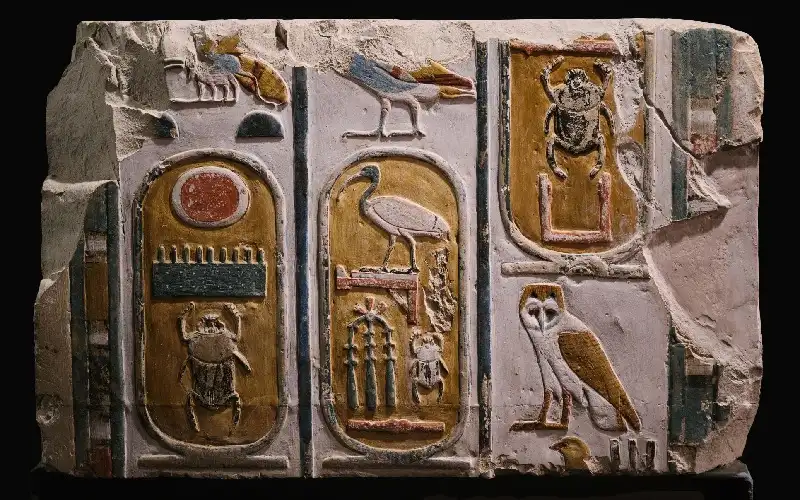
The mummification process involved several steps, including removing internal organs, desiccating the body with natron salt, applying preservative substances like resins and oils, and wrapping the body in linen bandages. The process typically lasted 70 days and concluded with the "Opening of the Mouth" ceremony.
How the Mummification Museum Brings History to Life
Opened in 1997, the museum educates visitors about ancient Egyptian mummification through real artifacts, visual storytelling, and detailed explanations.
Educational goals of the museum
The museum demonstrates both ritual procedures and religious meanings, offering a comprehensive understanding of Egyptian beliefs and funeral traditions.
Use of real artifacts to teach ancient practices
Authentic specimens include:
- The mummy of Masaharta
- A cross-section of a mummified skull showing brain removal
- Embalming instruments and substances
- Limestone headrests, canopic chests, and ritual implements
- Mummified animals like fish, baboons, cats, and a golden-encased ram
Visual storytelling through preserved items
Tomb artwork and ten tablets from the papyri of Ani and Hu-nefer illustrate the journey from death to afterlife, complementing the physical artifacts and clarifying the connection between mummification techniques and spiritual beliefs.
Customize Your Dream Vacation!
Get in touch with our local experts for an unforgettable journey.
Plan Your TripExhibits That Define the Museum
Masaharta's mummy and coffin
Masaharta’s remains, son of King Panedjem, exemplify elite preservation. His coffin cover shows evidence of tomb robbery, with face and hands removed centuries ago.
Mummified animals and their symbolism
Fish symbolized rebirth, baboons represented Thoth, and cats embodied Bastet. A golden sarcophagus ram honored Khnum, the creator deity.
Cross-section of a mummified skull
A bisected skull displays cranial removal techniques, demonstrating the precision of ancient embalmers.
Limestone headrests and ritual chests
Headrests and canopic chests, often decorated with Isis and Nephthys, ensured proper positioning and protection of the body and organs.
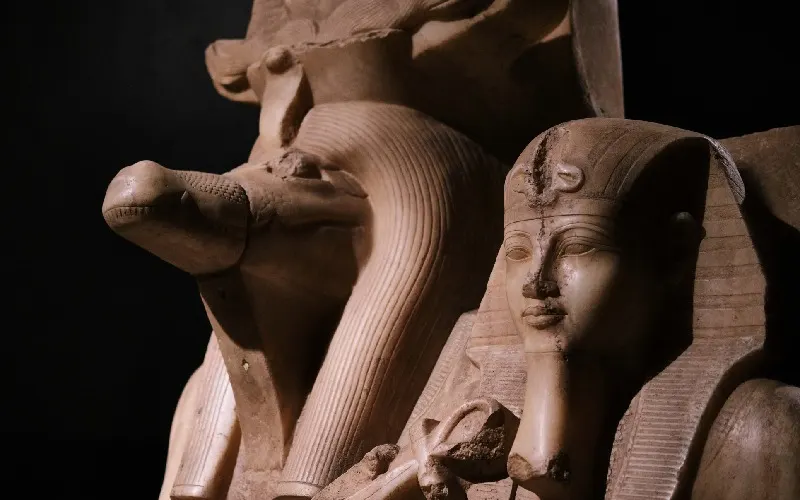
Tools, Techniques, and Rituals of the Embalmers
Instruments for organ removal
Bronze hooks extracted brains, while obsidian blades removed abdominal organs. The museum displays these tools, highlighting their precision and embalmers’ skill.
Substances used for preservation
Natron salt, pistachio resins, elemi, dammar, animal fats, beeswax, and cedar oils served both practical and ritual purposes, ensuring preservation while fulfilling religious significance.
Funeral journey as depicted in papyri
Painted scenes from papyri show the soul’s journey through death, divine judgment, and rebirth, complementing the physical mummification process.
Role of priests and religious rites
Sem priests conducted the 70-day mummification process, chanting protective spells. Rituals included mock abuse of the initial incisor priest and culminated with the "Opening of the Mouth" ceremony, restoring the deceased’s abilities in the afterlife.
The Mummification Museum provides an exceptional bridge between ancient wisdom and modern understanding. Visitors witness an evolution spanning millennia—from early preservation attempts to masterful techniques producing some of history’s most enduring human remains.
The collection demonstrates that mummification represented hope, ensuring continuity of the ka, ba, and akh. Beyond archaeological curiosity, the museum reveals how spiritual beliefs shaped practical action and highlights ancient Egyptians’ sophisticated solutions to universal human concerns. It stands as a testament to human ingenuity and the enduring quest to transcend mortality.
Yes, ancient Egyptians mummified various animals. The Mummification Museum displays mummified creatures such as fish, baboons, cats, and even crocodiles. These animals held religious significance, with each species symbolizing different deities or concepts in Egyptian mythology.
The museum houses several notable artifacts, including the mummy of Masaharta (a high priest of Amun), a cross-section of a mummified skull, original embalming tools, limestone headrests, ritual chests, and a collection of mummified animals. These items provide a tangible connection to ancient Egyptian funerary practices.
The museum was established in 1997 to showcase the ancient Egyptian art of mummification and its religious and cultural significance.
It is located in Luxor, Upper Egypt, near the city’s main museum, on the West Bank of the Nile.
The museum covers an area of 2,035 square meters, allowing space for extensive displays of mummies, artifacts, and educational exhibits.
Masaharta was a high priest of Amun during the 21st Dynasty. His well-preserved mummy is one of the museum’s main attractions.

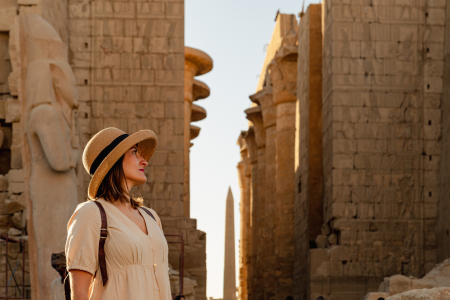

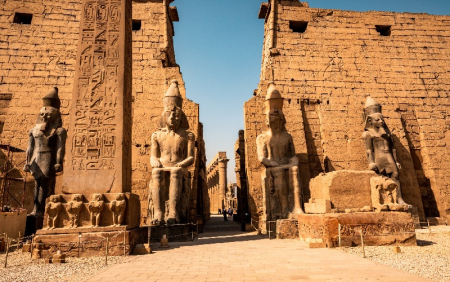
Luxor Temple, built by Amenhotep III and expanded by Ramses II, is a breathtaking New Kingdom monument dedicated to the renewal of kingship. Located on Luxor’s east bank, it stands as one of Egypt's most iconic sanctuaries, celebrated for its grand pylons, colossal statues, and deep religious significance.
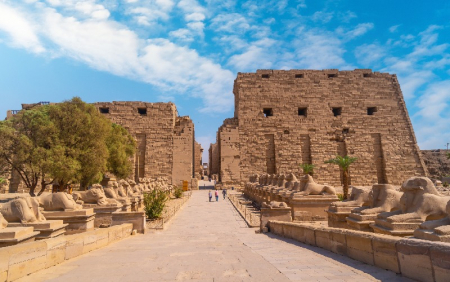
Karnak Temple in Luxor is an iconic ancient Egyptian complex, showcasing grand architecture, rich history, and the spiritual and political legacy of Thebes across nearly 2,000 years of construction.
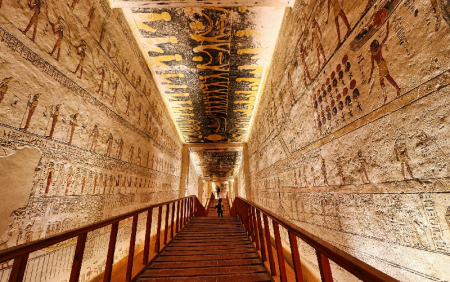
The Valley of the Kings is Egypt’s legendary royal necropolis, featuring 65 tombs of New Kingdom pharaohs, remarkable engineering, and world-famous discoveries like Tutankhamun’s burial.
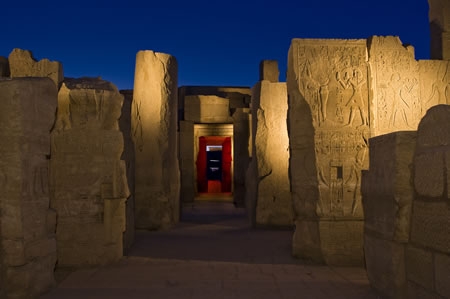
The Karnak Sound and Light Show transforms the vast temple complex into a magical nighttime spectacle, combining illuminated monuments, music, and storytelling to bring ancient Egyptian history vividly to life.
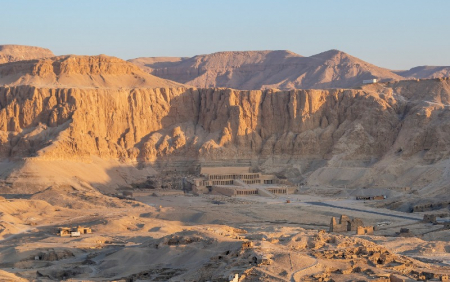
Discover the Valley of the Queens in Luxor, Egypt, with royal tombs, stunning art, and UNESCO heritage significance.
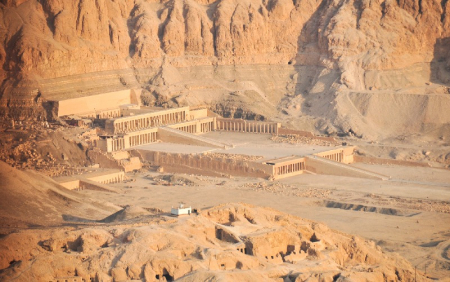
The Temple of Hatshepsut is a breathtaking 18th-Dynasty mortuary temple at Deir el-Bahari, famed for its grand terraces, cliffside design, and historical significance.
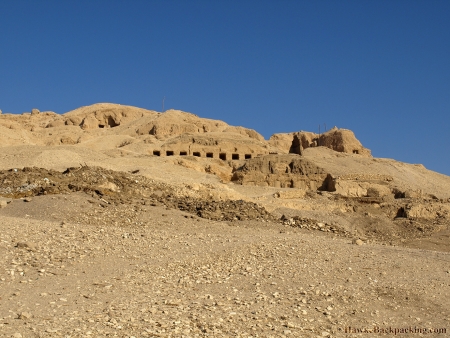
Explore the Valley of the Nobles in Luxor and learn how its 400+ tombs reveal vivid scenes of daily life and remarkable artistry from ancient Egypt’s New Kingdom.
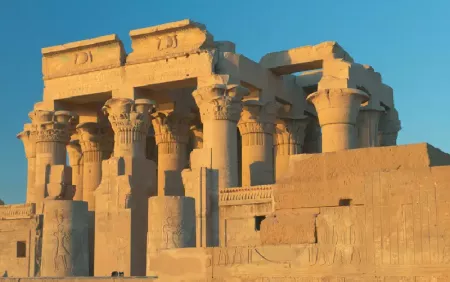
Kom Ombo Temple—Egypt’s remarkable twin sanctuary honoring Sobek and Haroeris, famed for its perfect symmetry and sacred crocodile traditions.
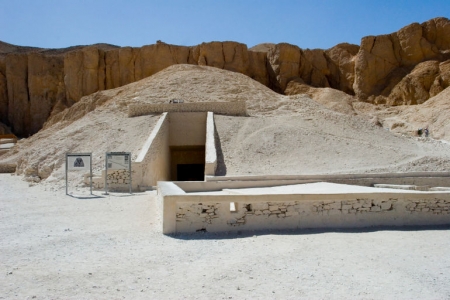
Tutankhamun’s tomb revealed over 5,000 stunning treasures, from gold chariots to the iconic mask, reshaping our understanding of ancient Egypt after its discovery in 1922.

Dendera Temple, 60km from Luxor, is Egypt's remarkably preserved healing sanctuary for Hathor. Explore vivid colors, hidden crypts & ancient astronomical knowledge.
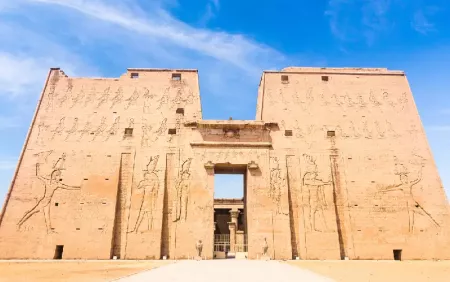
The Temple of Edfu, buried for centuries, is one of Egypt’s best-preserved temples—offering a vivid look into Ptolemaic religion, mythology, and architecture.
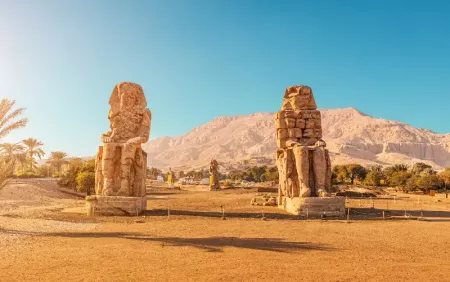
The Colossi of Memnon are 18-meter statues of Amenhotep III, once famed for their mysterious dawn “singing,” which captivated ancient visitors and inspired over a hundred inscriptions.
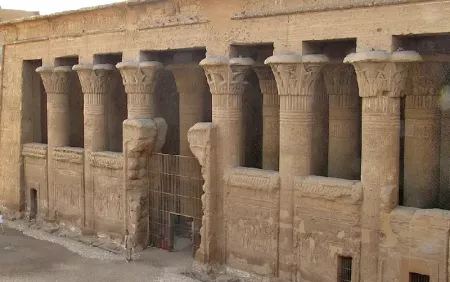
The Temple of Khnum at Esna, built from the Ptolemaic to Roman periods, features a stunning hypostyle hall with 24 ornate columns and reflects centuries of devotion to the creator god Khnum.
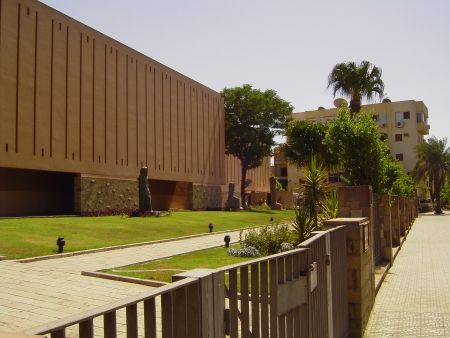
Luxor’s Mummification Museum offers an immersive look at ancient embalming methods, displaying tools, human and animal mummies, and the notable mummy of Masaharta.
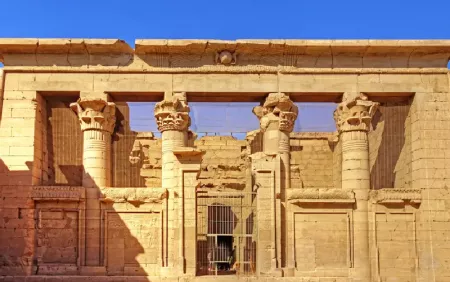
Kalabsha Temple, built under Emperor Augustus, was rescued from rising Nile waters in the 1960s and relocated block by block to New Kalabsha Island. Today, it remains a key UNESCO-recognized Nubian monument.
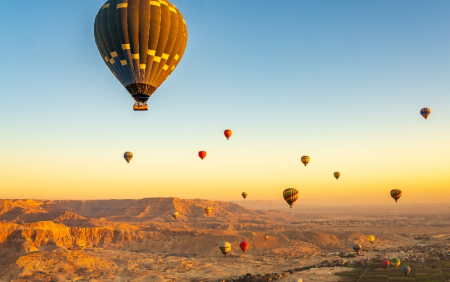
Soar above Luxor at sunrise in a hot air balloon and witness ancient temples, the Nile, and royal necropolises from the sky. This unforgettable experience offers breathtaking views and a unique perspective on Egypt’s timeless heritage.
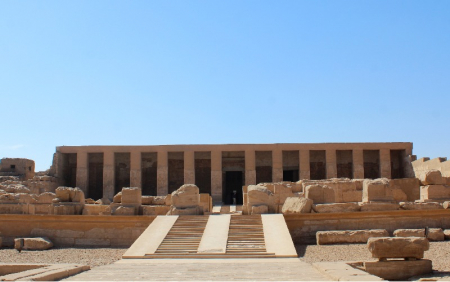
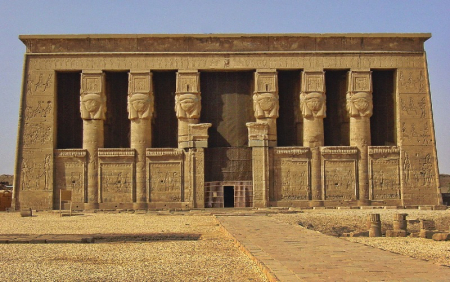
Explore the Temple of Hathor at Dendera, a remarkably preserved ancient Egyptian sanctuary dedicated to the goddess of love, music, and healing, renowned for its zodiac, vibrant reliefs, and astronomical ceilings.
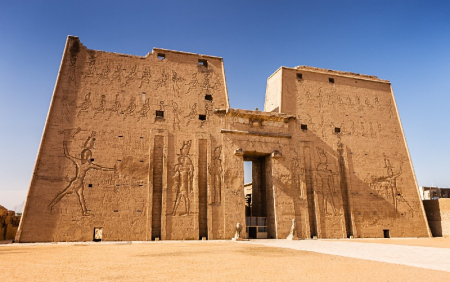
Visit the Temple of Horus at Edfu, a remarkably preserved Ptolemaic temple showcasing ancient Egyptian rituals, art, and architecture.
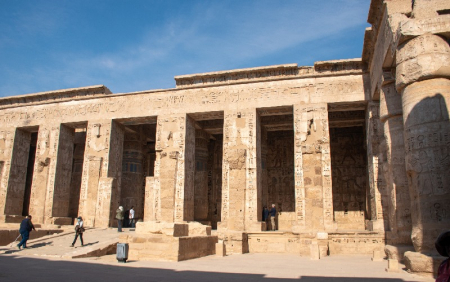
Explore Medinet Habu, Ramesses III’s temple, where history, religion, and artistry come alive on Luxor’s West Bank.
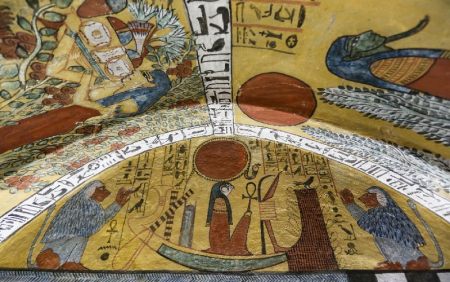
Deir el-Medina was home to the elite artisans who built and decorated Egypt’s royal tombs. Discover their homes, work, religion, and extraordinary daily life.
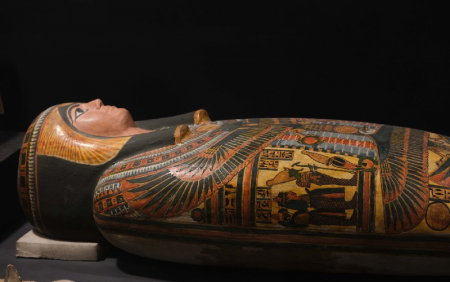
The Mummification Museum in Luxor showcases ancient Egyptian embalming, mummies, and artifacts, including Masaharta’s preserved remains and mummified animals.
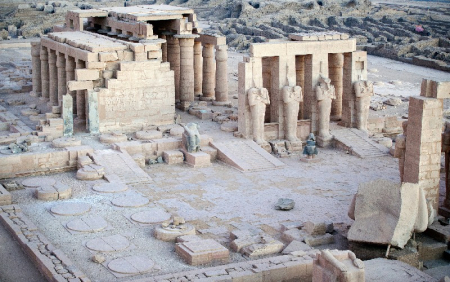
Discover the Mortuary Temple of Amenhotep III, once the largest in Thebes, famed for the Colossi of Memnon and ongoing restorations in Luxor.