Home
HomeAttractions In & Around Luxor
Known as the world’s largest ‘Open Air Museum’ for its sheer number of ancient sites and attractions within a small city, Luxor (which was the old Capital known as Thebes) has an extensive array of treasures ranging from the famous Valley of the Kings, where Howard Carter discovered the tomb of King Tutankhamun, hundreds of other Tombs, Karnak and Luxor Temples, the Temple of Queen Hatshepsut and Ramses Temple. Besides all of this are 2 Museums, balloon rides, Luxor city and Market and much more to explore
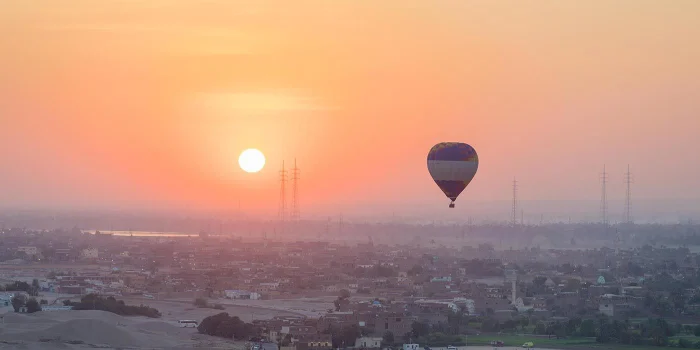
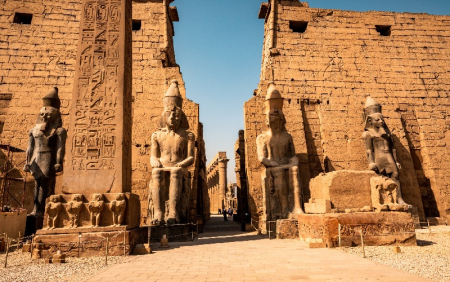
Luxor Temple, built by Amenhotep III and expanded by Ramses II, is a breathtaking New Kingdom monument dedicated to the renewal of kingship. Located on Luxor’s east bank, it stands as one of Egypt's most iconic sanctuaries, celebrated for its grand pylons, colossal statues, and deep religious significance.
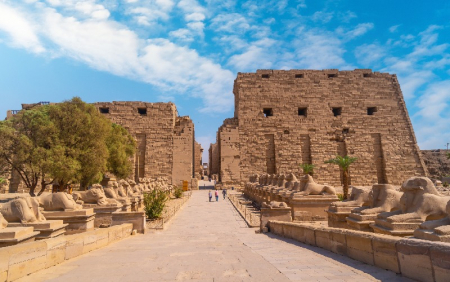
Karnak Temple in Luxor is an iconic ancient Egyptian complex, showcasing grand architecture, rich history, and the spiritual and political legacy of Thebes across nearly 2,000 years of construction.
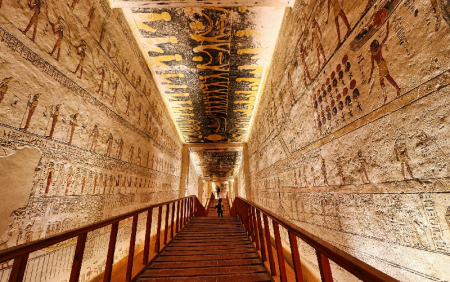
The Valley of the Kings is Egypt’s legendary royal necropolis, featuring 65 tombs of New Kingdom pharaohs, remarkable engineering, and world-famous discoveries like Tutankhamun’s burial.
.jpg "Sound and Light Show at Karnak Temple")
The Karnak Sound and Light Show transforms the vast temple complex into a magical nighttime spectacle, combining illuminated monuments, music, and storytelling to bring ancient Egyptian history vividly to life.
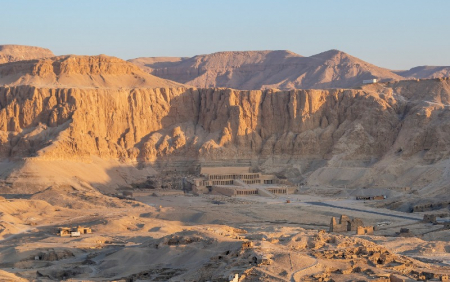
Discover the Valley of the Queens in Luxor, Egypt, with royal tombs, stunning art, and UNESCO heritage significance.
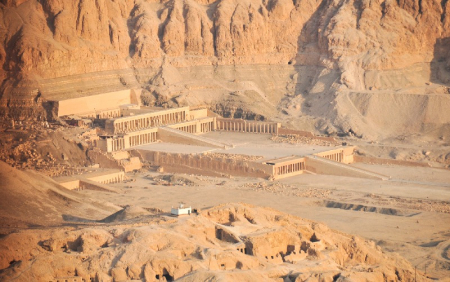
The Temple of Hatshepsut is a breathtaking 18th-Dynasty mortuary temple at Deir el-Bahari, famed for its grand terraces, cliffside design, and historical significance.
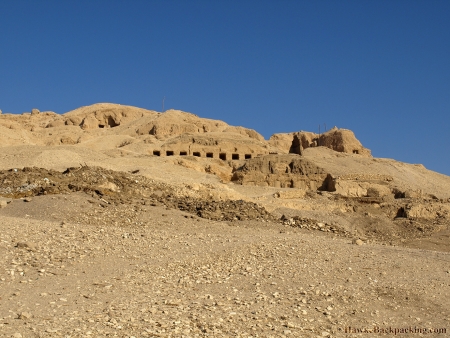
Explore the Valley of the Nobles in Luxor and learn how its 400+ tombs reveal vivid scenes of daily life and remarkable artistry from ancient Egypt’s New Kingdom.
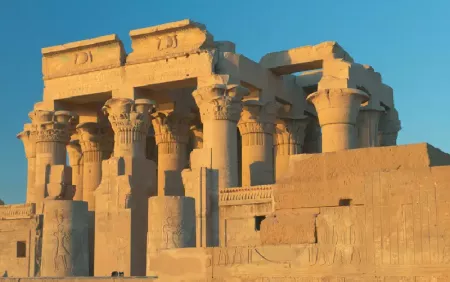
Kom Ombo Temple—Egypt’s remarkable twin sanctuary honoring Sobek and Haroeris, famed for its perfect symmetry and sacred crocodile traditions.
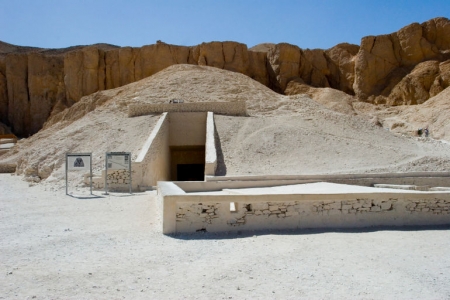
Tutankhamun’s tomb revealed over 5,000 stunning treasures, from gold chariots to the iconic mask, reshaping our understanding of ancient Egypt after its discovery in 1922.

Dendera Temple, 60km from Luxor, is Egypt's remarkably preserved healing sanctuary for Hathor. Explore vivid colors, hidden crypts & ancient astronomical knowledge.
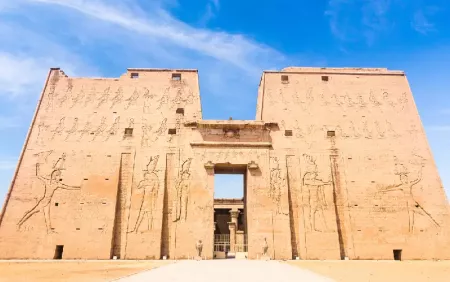
The Temple of Edfu, buried for centuries, is one of Egypt’s best-preserved temples—offering a vivid look into Ptolemaic religion, mythology, and architecture.
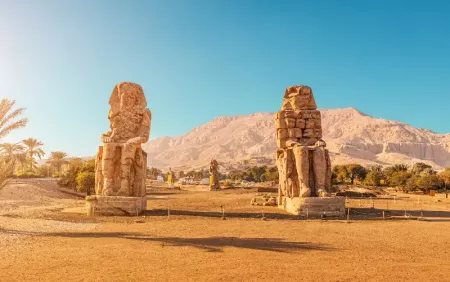
The Colossi of Memnon are 18-meter statues of Amenhotep III, once famed for their mysterious dawn “singing,” which captivated ancient visitors and inspired over a hundred inscriptions.
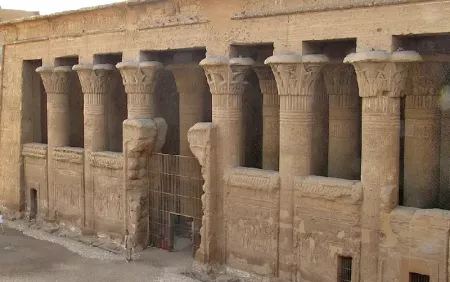
The Temple of Khnum at Esna, built from the Ptolemaic to Roman periods, features a stunning hypostyle hall with 24 ornate columns and reflects centuries of devotion to the creator god Khnum.
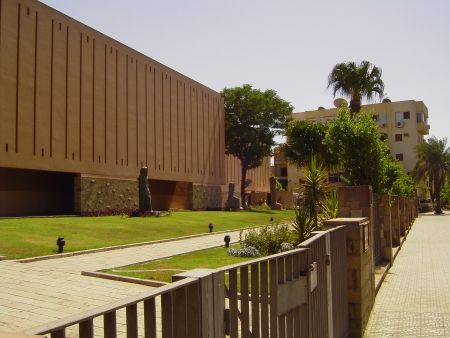
Luxor’s Mummification Museum offers an immersive look at ancient embalming methods, displaying tools, human and animal mummies, and the notable mummy of Masaharta.
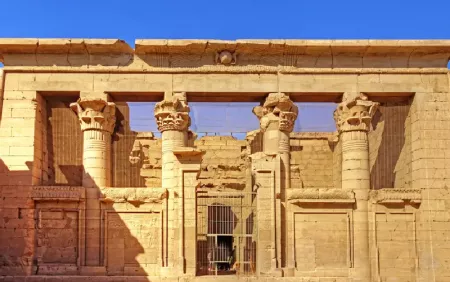
Kalabsha Temple, built under Emperor Augustus, was rescued from rising Nile waters in the 1960s and relocated block by block to New Kalabsha Island. Today, it remains a key UNESCO-recognized Nubian monument.
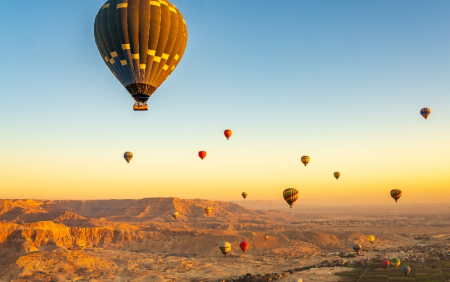
Soar above Luxor at sunrise in a hot air balloon and witness ancient temples, the Nile, and royal necropolises from the sky. This unforgettable experience offers breathtaking views and a unique perspective on Egypt’s timeless heritage.
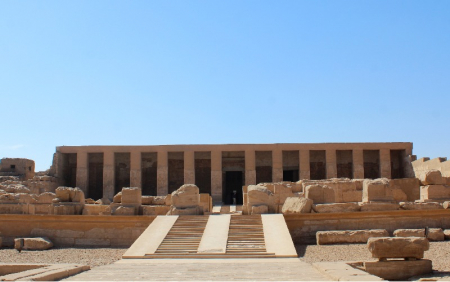
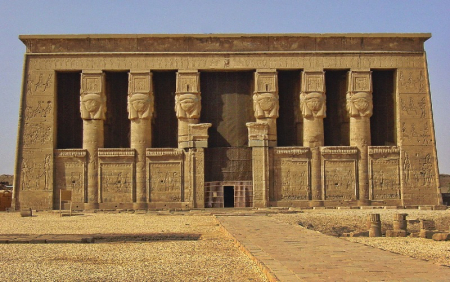
Explore the Temple of Hathor at Dendera, a remarkably preserved ancient Egyptian sanctuary dedicated to the goddess of love, music, and healing, renowned for its zodiac, vibrant reliefs, and astronomical ceilings.
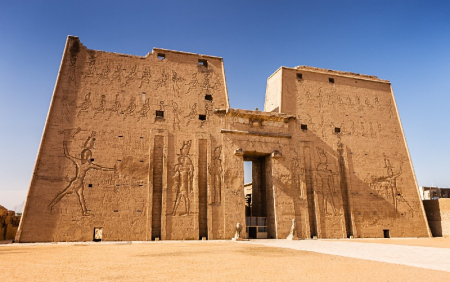
Visit the Temple of Horus at Edfu, a remarkably preserved Ptolemaic temple showcasing ancient Egyptian rituals, art, and architecture.
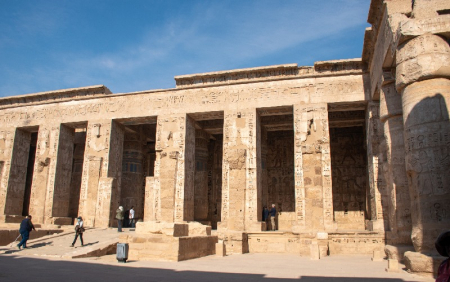
Explore Medinet Habu, Ramesses III’s temple, where history, religion, and artistry come alive on Luxor’s West Bank.
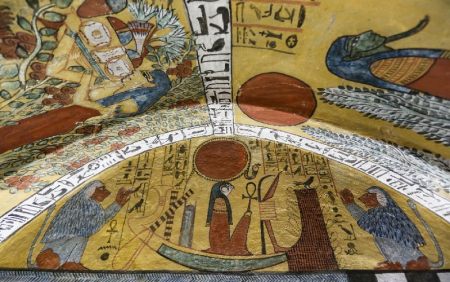
Deir el-Medina was home to the elite artisans who built and decorated Egypt’s royal tombs. Discover their homes, work, religion, and extraordinary daily life.
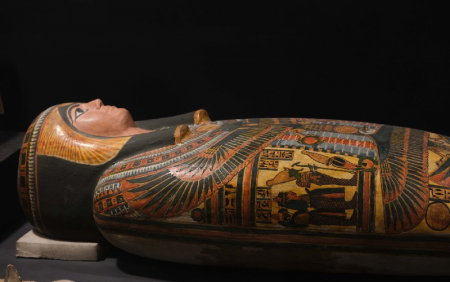
The Mummification Museum in Luxor showcases ancient Egyptian embalming, mummies, and artifacts, including Masaharta’s preserved remains and mummified animals.
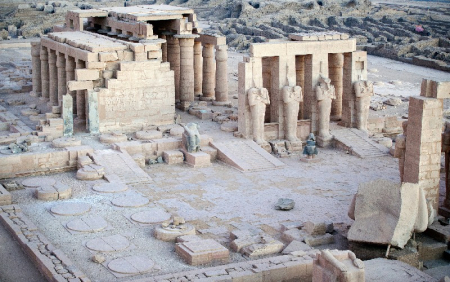
Discover the Mortuary Temple of Amenhotep III, once the largest in Thebes, famed for the Colossi of Memnon and ongoing restorations in Luxor.
Frequently Asked Questions
Got questions? We’ve got answers. Find everything you need to know to plan your perfect trip.
Seven or eight days is the sweet spot for a first visit — enough for Cairo, Giza and a Nile cruise between Luxor and Aswan without feeling rushed. Ten to twelve lets you add Abu Simbel, Alexandria or a few days on the Red Sea. Under five days, be realistic: you're seeing Cairo and the pyramids, and that's fine, but Luxor won't fit.
October to April, if you can. The heat is manageable and you'll actually enjoy walking around the sites rather than counting down to the next shaded spot. Luxor and Aswan regularly top 40°C in summer — some people don't mind, but it does change how much you'll want to do each day.
Accommodation, private air-conditioned transfers, entrance fees to everything on the itinerary, and licensed Egyptologist guides at the major sites. Daily breakfast throughout, and lunch on most touring days. International flights are usually separate, which keeps the pricing clear and lets you fly from whichever UK airport suits you.
You can change almost anything. Extra nights in Cairo, a different hotel, a Red Sea extension, a private departure instead of a group one. And if nothing on the site quite fits what you're picturing, just tell us what you want — plenty of our Egypt trips start as a conversation rather than a booking.
Yes, if you're travelling on a UK passport. You can get one on arrival at the airport or apply in advance through the official e-visa system. Requirements do get updated from time to time, so it's worth a quick check closer to departure.
For the Luxor to Aswan stretch, the cruise wins comfortably. The temples sit right along the river, so you step off the boat and you're there — no long transfers, no hotel changes. The sailing between them is genuinely pleasant rather than dead time. Road travel makes more sense if you're basing yourself in one city.
Very much so. Small-group departures are popular with solo travellers — you get company without committing to anything social. Private itineraries work too if you'd rather set your own pace. Single supplements apply to private rooms either way.
For October to April, three to six months is sensible. Christmas, New Year and Easter go earliest. Summer is more relaxed, though Nile cruise cabins are always worth locking in sooner rather than later whatever month you're travelling.
No, and this trips a lot of people up. Abu Simbel is around 280 km south of Aswan, reached by road or a short flight as a separate excursion. It's a genuinely extraordinary place and most people who go say it was worth the early start — but plan it as an add-on, not something the cruise covers.
The main tourist areas — Cairo, Giza, Luxor, Aswan, the Red Sea resorts — are well established with a visible security presence, and the overwhelming majority of visitors have no issues at all. As anywhere, check current Foreign Office advice before you go, and listen to your local team once you're there.
Light, loose clothes that cover shoulders and knees — comfortable in the heat, and appropriate at mosques and churches. Women will want a scarf for head covering at religious sites. And proper closed shoes: the amount of walking on uneven ground surprises people every time.
Yes, and they're built differently — shorter touring days, more downtime, and the things kids actually remember. Camel rides, sailing on a felucca, the mummy rooms. Private travel tends to work better than group departures if you've got younger children, simply because you can stop when you need to.
A tour follows a published route with set inclusions — straightforward, and usually better value. Tailor-made starts from scratch with what you want: your dates, your interests, your pace. Same guides, same support, just built around you rather than the other way round.
It's one of our most popular combinations, and it works well — a short flight between Cairo and Amman, then Petra, the Dead Sea and Wadi Rum on the other side. The two countries complement each other rather than repeating each other. Several of our Egypt tour packages cover both.
Our teams are based in Egypt, not in a call centre somewhere else, and someone is reachable 24/7 throughout your stay. If a timing needs shifting or something isn't right, it's handled by people who are twenty minutes away rather than five time zones.
Some sites are genuinely hard work — the Valley of the Kings and the Giza plateau involve steps and uneven ground, and we'd rather say so upfront. Others are much more manageable, including the Grand Egyptian Museum and most of a Nile cruise. Tell us what you're working with and we'll give you an honest picture of what's realistic.
Yes — licensed Egyptologists, formally qualified and registered with the Egyptian Ministry of Tourism. It makes more difference than you'd think. There's a real gap between someone who can explain why a tomb was decorated the way it was and someone reading the information board aloud.
Often. The usual shape is history first — Cairo, a Nile cruise — then several days at Hurghada or Sharm El Sheikh doing very little. Room upgrades and private arrangements can be built in wherever you'd like them.
Absolutely, as long as the route matches the time. Four or five days around Cairo, Giza and the Grand Egyptian Museum works nicely. Stretching that to include Luxor means most of your days go on travel, which isn't much of a break.
Pace is the thing to get right. We'd usually suggest fewer sites per day, an early start to beat the heat, and a Nile cruise rather than road transfers between Luxor and Aswan. Plenty of our travellers are in their seventies and eighties — it just needs planning properly rather than squeezing everything in.
Discover More About Egypt
Explore unique stories, insider tips, and must-see spots to make the most of your visit.