
 Home
Home
Coptic Cairo is one of Egypt’s most powerful living history sites - a place where faith, memory, and architecture intertwine. Long before modern Cairo was founded in 969 AD, this district already stood as a spiritual refuge and a center of early Christianity. Walking through its narrow lanes today feels like traveling back to the earliest chapters of Christian history in Egypt.
According to Christian tradition, this sacred area once sheltered the Holy Family during their flight from King Herod. That belief alone gives Coptic Cairo an emotional and spiritual depth unmatched anywhere else in the country. Some of Egypt’s oldest churches still stand here, many dating back to the 4th century AD, built on layers of Roman and Byzantine history.
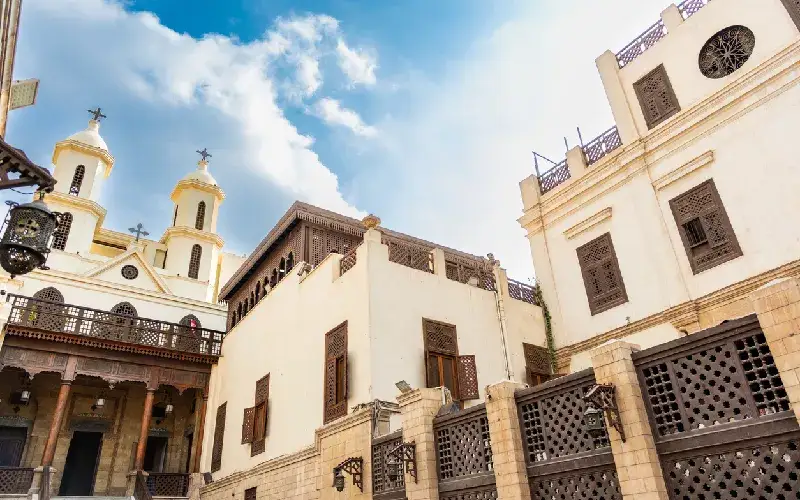
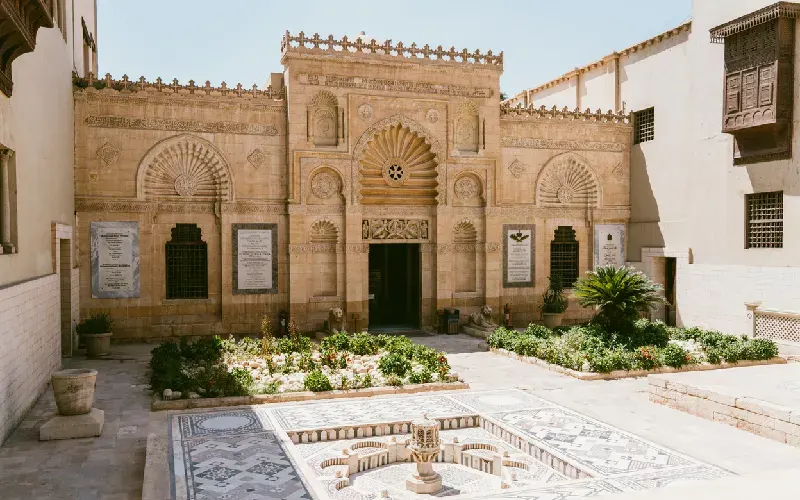
At the heart of the district rises the Hanging Church, surrounded by landmarks such as the Babylon Fortress, the Coptic Museum, the Church of Saints Sergius and Bacchus (Abu Serga), the Ben Ezra Synagogue, and the Mosque of Amr ibn al-As - Egypt’s first mosque. Few places in the world reflect such close coexistence of Christianity, Judaism, and Islam within one compact historical landscape.
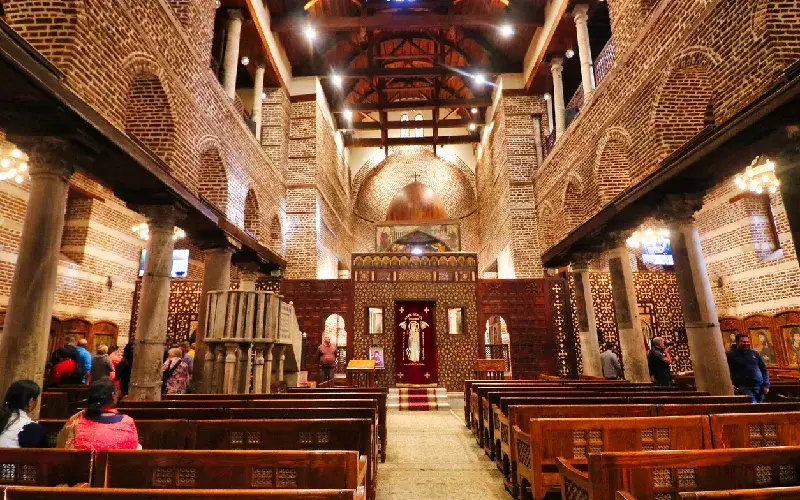
Coptic Cairo is one of Egypt's oldest Christian districts, located in Old Cairo. It predates modern Cairo (founded 969 AD) and served as a spiritual refuge and center of early Christianity. The area contains some of Egypt's oldest churches dating back to the 4th century AD.
A District Shaped by Faith and Continuity
Even after Egypt’s Muslim conquest in the 7th century, Coptic Cairo remained a thriving Christian community. Churches continued to be built, restored, and expanded during the Islamic era, reflecting a long tradition of religious tolerance and cultural continuity.
What makes Coptic Cairo especially remarkable is not just its monuments, but its uninterrupted spiritual life. Prayers, rituals, and pilgrimages have continued here for centuries, making it a live.
Archaeologists Discover Ancient Tombs Linked to Early Christianity
Recent archaeological discoveries have added a new chapter to Coptic Cairo’s story. A joint Egyptian–Spanish archaeological mission uncovered a remarkable collection of ancient tombs in the Al-Bhansa region, located in Minya Governorate, south of Cairo. While geographically distant from Old Cairo, the site shares strong historical and religious connections with early Christian communities.
Where the Tombs Were Found
Archaeologists uncovered 22 tombs representing three major historical periods: Persian, Roman, and Coptic. The Coptic-era tombs follow early Christian burial traditions, with rectangular shafts oriented eastward - a symbolic direction associated with resurrection and the Second Coming of Christ.
Who Led the Excavation
The excavation was carried out by Egypt’s Supreme Council of Antiquities in collaboration with the University of Barcelona. The team used advanced documentation techniques, including 3D imaging and aerial photography, to record the site while carefully preserving fragile wall paintings and inscriptions.
Why This Discovery Matters
What makes this find extraordinary is the way it captures centuries of religious evolution in one location. The tombs reveal how burial customs changed as Christianity spread across Egypt, blending Roman architectural techniques with emerging Christian symbolism.
Hidden Details Revealed Inside the Tombs
- Coptic inscriptions carved in limestone, containing biblical passages, prayers, and references to saints.
- Clay and glass vessels once used for food storage, oil lamps, and ritual purposes.
- Burials of women and children, possibly linked to early Christian martyrs.
- Frescoes depicting Christ healing the sick, echoing themes found in other Coptic monasteries.
- Underground chambers similar in design to crypts beneath major churches in Coptic Cairo.
- Evidence of long-term use, showing how structures were adapted through Roman, Coptic, and later Islamic periods.
- Consecration seals bearing crosses and early Christian symbols, used to dedicate religious spaces.
- Roman basilica-style construction techniques, revealing how architectural ideas traveled across the empire.
Discoveries included Coptic inscriptions with biblical passages and prayers, clay and glass vessels, burials of women and children possibly linked to early martyrs, frescoes depicting Christ healing the sick, underground chambers similar to church crypts, consecration seals with crosses, and evidence of Roman basilica-style construction.
Customize Your Dream Vacation!
Get in touch with our local experts for an unforgettable journey.
Plan Your TripArchitectural and Spiritual Links to Coptic Cairo
Scholars have identified striking similarities between the newly discovered tombs and Coptic Cairo’s most important religious sites.
Saints Sergius and Bacchus Church (Abu Serga)
The underground crypt beneath Abu Serga, believed to mark the resting place of the Holy Family, closely resembles the burial chambers found at the new site. Both share eastward orientation and limestone construction, reinforcing early Christian beliefs about resurrection.
Ben Ezra Synagogue
Located just steps from Abu Serga, the Ben Ezra Synagogue reflects centuries of religious continuity. Architectural parallels between the synagogue and the tombs highlight how sacred spaces were reused and adapted by different faiths over time.
The Hanging Church
The Hanging Church’s elevated position above the Babylon Fortress and its Roman structural elements echo techniques found in the tombs. These similarities help trace how early Christian architecture spread across Egypt.
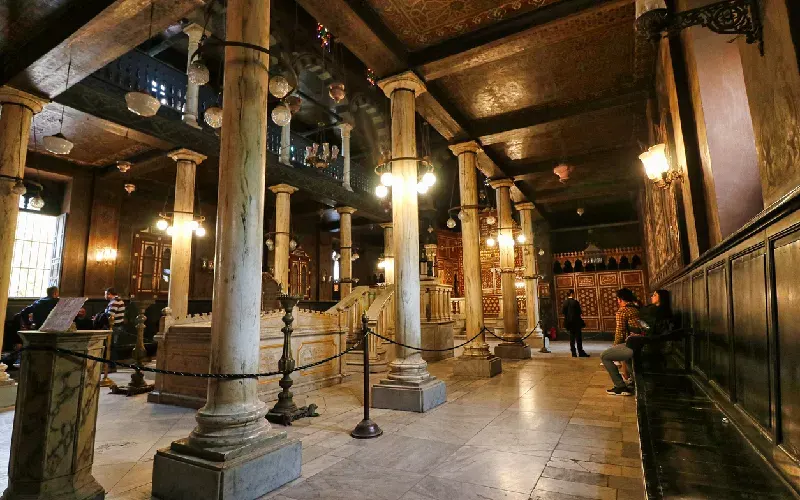
Major landmarks include the Hanging Church, Babylon Fortress, Coptic Museum, Church of Saints Sergius and Bacchus (Abu Serga), Ben Ezra Synagogue, and the Mosque of Amr ibn al-As—Egypt's first mosque. These sites represent Christianity, Judaism, and Islam coexisting in one area.
What This Discovery Means for Coptic Heritage
Coptic heritage faces ongoing threats from neglect, looting, and political instability. Many historic churches and monasteries have suffered damage in recent decades. Discoveries like this one strengthen the case for preservation by highlighting the depth and importance of Egypt’s Christian legacy.
The tombs offer physical evidence of Christianity’s growth between the 3rd and 7th centuries, showing how early believers adapted local customs while shaping a new religious identity.
Looking Ahead: Future Discoveries in Old Cairo
For years, Coptic sites received less archaeological attention than Egypt’s pharaonic monuments. This discovery may change that. Increased scholarly interest could lead to new excavations, conservation projects, and a deeper appreciation of Egypt’s diverse religious history.
Old Cairo still holds countless secrets beneath its streets - waiting to reconnect modern generations with the spiritual lives of those who came before.
The discovery of ancient tombs connected to early Christianity marks a turning point in understanding Egypt’s religious past. These findings reveal how faith, architecture, and daily life evolved together during one of history’s most transformative periods.
Coptic Cairo emerges not only as a historic district, but as a symbol of endurance - where Christianity took root, adapted, and survived across centuries of change. The connections between the tombs and iconic landmarks like the Hanging Church and Abu Serga highlight the unity of Egypt’s sacred landscape.
As archaeological work continues, Coptic Cairo stands as a powerful reminder that Egypt’s story is not defined by one civilization alone, but by many faiths woven together through time.
Coptic Cairo at a Glance
- Coptic Cairo is one of the world’s oldest Christian centers, with churches dating back to the 4th century AD.
- The district reflects the coexistence of Christianity, Judaism, and Islam within one historic area.
- Archaeologists discovered 22 tombs spanning Persian, Roman, and Coptic periods.
- The tombs reveal rare inscriptions, frescoes, relics, and early Christian burial practices.
- Architectural similarities link the discovery to major Coptic Cairo landmarks.
- The findings deepen understanding of how Christianity spread across Egypt.
- The discovery strengthens efforts to preserve endangered Coptic heritage.
- Old Cairo may hold many more archaeological secrets yet to be revealed.
Yes. Coptic Cairo is one of Egypt’s most meaningful historical areas, offering a peaceful and deeply spiritual experience with some of the country’s oldest churches and sacred sites.
It is traditionally believed to have sheltered the Holy Family and became one of the earliest centers of Christian worship in Egypt.
Archaeologists uncovered 22 tombs from Persian, Roman, and Coptic eras, along with inscriptions, frescoes, and religious artifacts linked to early Christian communities.
The tombs share architectural features and religious symbolism with major Coptic Cairo landmarks such as the Hanging Church and Abu Serga.
It shows how early Christians adapted Roman architecture and local customs while developing distinct religious practices.
Some findings are still under study, but they contribute to ongoing exhibitions and research that enhance visits to Coptic Cairo and related museums.
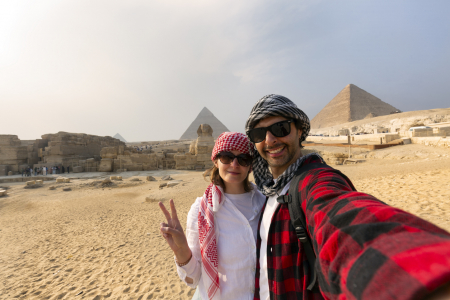

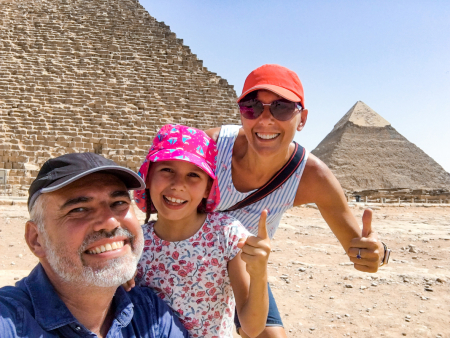

The Great Pyramids of Giza, Egypt’s iconic monuments, showcase ancient engineering brilliance and remain the last wonder of the ancient world, continuing to fascinate visitors and researchers alike.

The Egyptian Museum in Cairo houses over 170,000 ancient artifacts, including Tutankhamun's complete collection and golden death mask. Opened in 1902, it's the world's largest repository of Egyptian antiquities.

Khan el-Khalili is Cairo’s legendary medieval bazaar, where centuries-old Islamic architecture, vibrant trade, and timeless cafés create a living cultural landmark.

The Great Sphinx of Giza, with its lion body and pharaoh head, represents ancient Egyptian artistry, symbolic power, and enduring cultural fascination.

Tanoura is a traditional Egyptian Sufi dance known for its colorful spinning skirts, spiritual rhythm, and deep roots in ancient mystic traditions.

Saqqara, Egypt's ancient necropolis, features Djoser's Step Pyramid—the world's oldest. Spanning 3,000 years, it preserves royal tombs and sacred animal burials.

The Valley Temple at Giza, built 2570 BCE by Khafre, features 16 granite columns and hosted sacred afterlife rituals. Explore Fourth Dynasty architecture.

The Citadel of Cairo is a historic medieval fortress and royal complex, showcasing centuries of Egyptian power, Mamluk architecture, and Islamic heritage, now preserved as a UNESCO World Heritage Site.

Khufu's Solar Boat is a 142-foot cedar vessel discovered 1954 near the Great Pyramid. Built without nails 4,500 years ago, it's now at Grand Egyptian Museum.

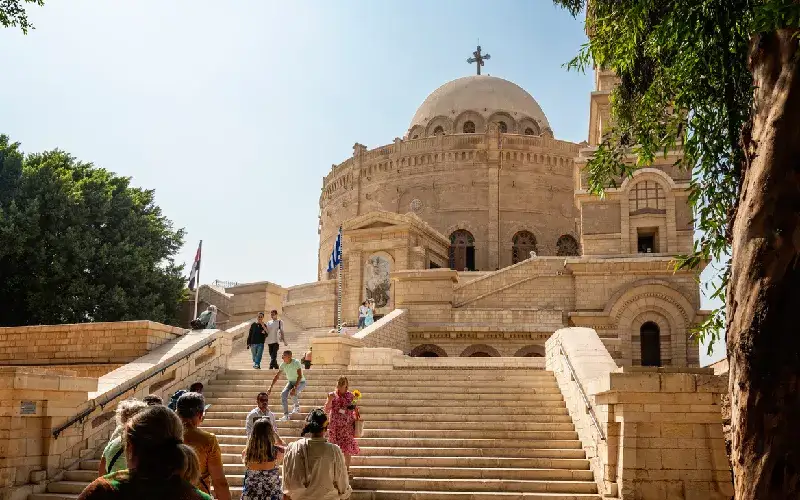
St. George Church in Old Cairo, founded 684 AD, features unique circular design, sacred healing relics & underground chapel linked to the Holy Family's refuge.

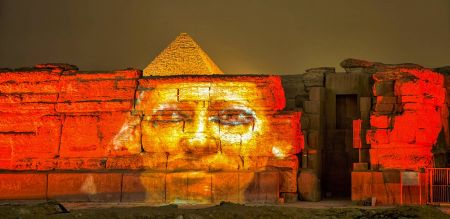
Pyramids Sound and Light Show transforms Giza into open-air theater with 50 minutes of narration, music & lighting bringing ancient Egyptian history alive.

The Djoser Pyramid at Saqqara is Egypt's first pyramid, built 2600 BCE by architect Imhotep. Standing 62.5m tall, it reopened to visitors in 2020.

The Hanging Church in Old Cairo is a 1,300-year-old Coptic sanctuary built on Babylon Fortress. Free entry, open daily 9 AM-5 PM, dress modestly required.
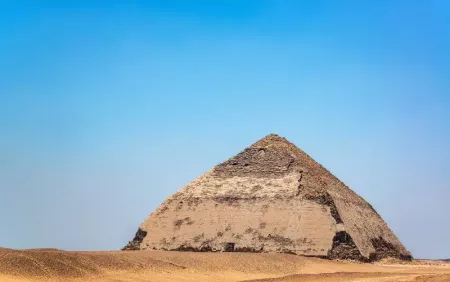
The Bent Pyramid at Dahshur features a rare bent profile created by ancient construction adjustments, offering insight into Egypt’s earliest attempts at smooth-sided pyramids.

Coptic Cairo features 4th-century churches and recent tomb discoveries revealing early Christian heritage. Explore the Hanging Church, Abu Serga & sacred sites.
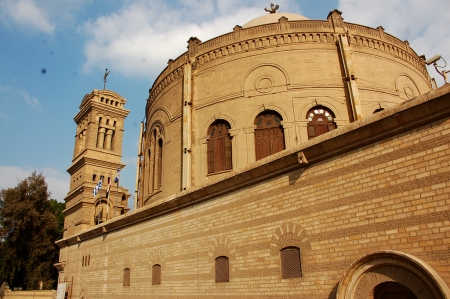
Saint Barbara’s Church in Coptic Cairo is one of Egypt’s oldest Christian monuments, dating back to the 5th–6th century. Known for housing the relics of Saint Barbara, the church reflects centuries of Coptic heritage, architectural evolution, and deep spiritual significance.

Explore the Fortress of Babylon, a major Roman fort in Old Cairo known for its strategic location, massive towers, and enduring historical significance.
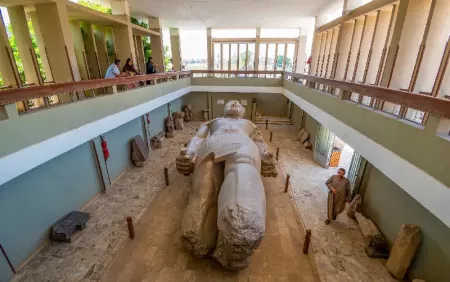
Memphis Necropolis is Egypt’s ancient royal burial site, home to pyramids, tombs, and monuments that reflect the early development of pharaonic civilization.
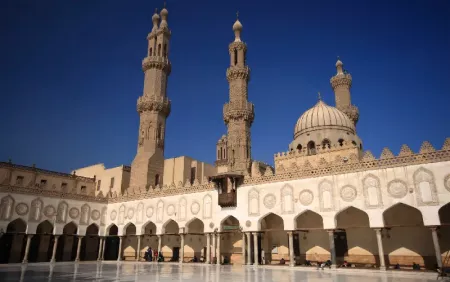
Al-Azhar Mosque is a landmark of Islamic scholarship and Fatimid architecture, home to the world’s second-oldest university and a symbol of Cairo’s spiritual heritage.
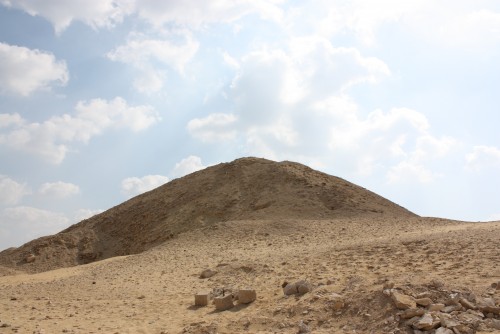
Teti’s Pyramid in Saqqara is an Old Kingdom monument built for the first king of the Sixth Dynasty. Known for its Pyramid Texts and unique mortuary chapel, it remains one of Egypt’s most historically important royal tombs.
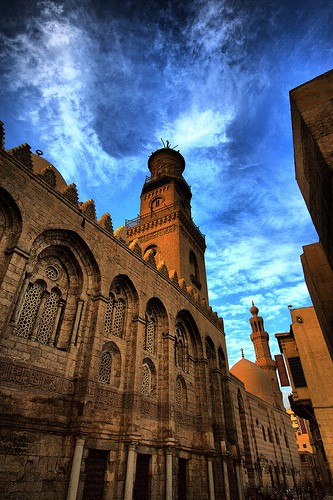
Al Muizz Street is one of Cairo’s oldest and most vibrant historic avenues, showcasing centuries of Islamic architecture. Lined with mosques, palaces, and bustling markets, it offers a captivating walk through Egypt’s medieval past.
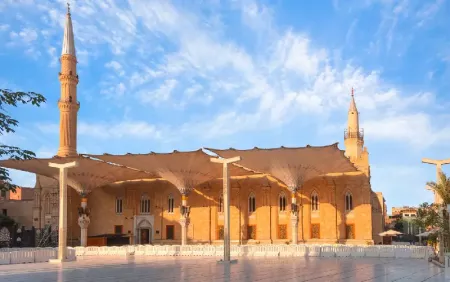
Al-Hussein Mosque is one of Cairo’s most sacred Islamic landmarks, built in 1154 and revered for housing the head of Imam Hussein. Located by Khan El-Khalili, it blends centuries of architectural heritage and remains a major pilgrimage site.
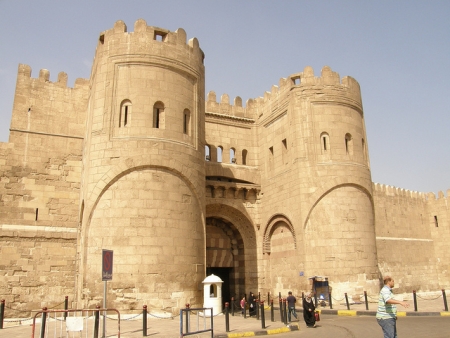
Bab al-Futuh is an 11th-century Fatimid gate in Old Cairo, famous for its massive round towers and strategic role in the city’s medieval fortifications.
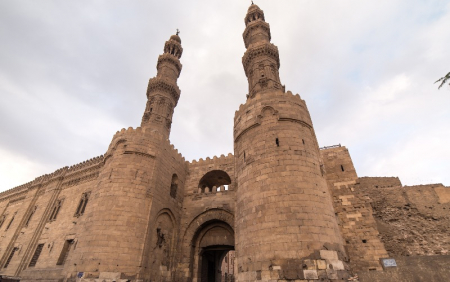
Bab Zuweila is one of Cairo’s last surviving medieval gates, built in 1092 CE by the Fatimid vizier Badr al-Jamali. Famous for its towering twin bastions, massive wooden doors, and later Mamluk minarets, it served as a defensive stronghold, execution site, and ceremonial gateway. Today, it stands as one of Cairo’s most iconic historic monuments.
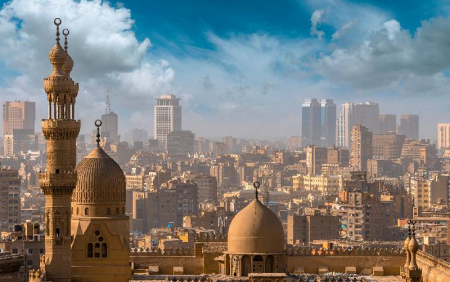
Al Rifai Mosque in Cairo blends Neo-Mamluk architecture with royal history. Completed in 1912, it serves as both a majestic mosque and mausoleum for Muhammad Ali’s family.
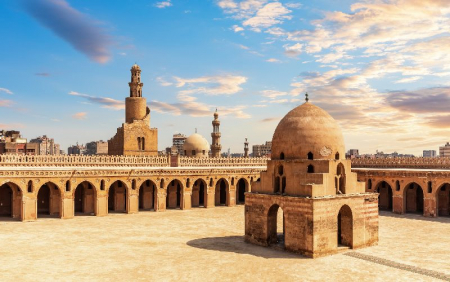
The Ibn Tulun Mosque, Cairo’s oldest well-preserved mosque, dates back to 879 CE. Famous for its vast square layout, intricate arches, and 128 ornate stucco windows, it remains a pinnacle of early Islamic architecture and a must-visit historical landmark.
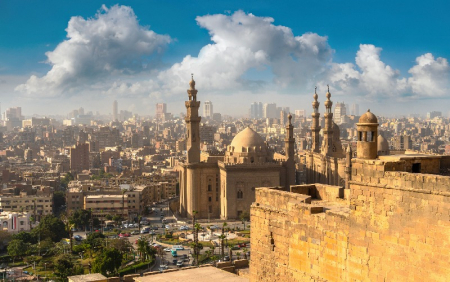
The Sultan Hassan Mosque, built in the 14th century, is a Bahri Mamluk architectural marvel in Cairo, renowned for its grand portal, extensive madrasas, and historic significance.

The Suez Canal, Egypt’s iconic waterway, connects Africa and Asia, handling thousands of ships yearly and shaping international trade.
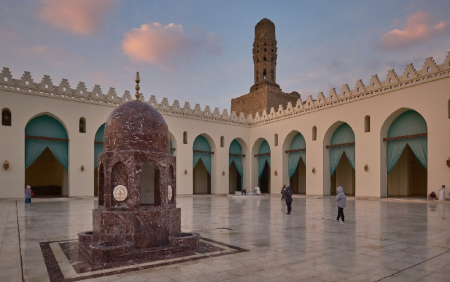
Al-Hakim Mosque, Cairo, is a stunning Fatimid-era mosque built between 990–1013 CE. Famous for its grand courtyard, distinctive minarets, and rich history, it remains a key cultural and religious landmark.
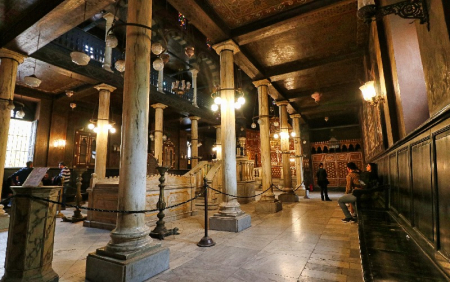
The Ben Ezra Synagogue, founded in the 11th century in Old Cairo, is Egypt’s oldest Jewish monument and the discovery site of the renowned Cairo Geniza.