Seasons in Jordan: Your Complete Guide to the Best Time to Visit
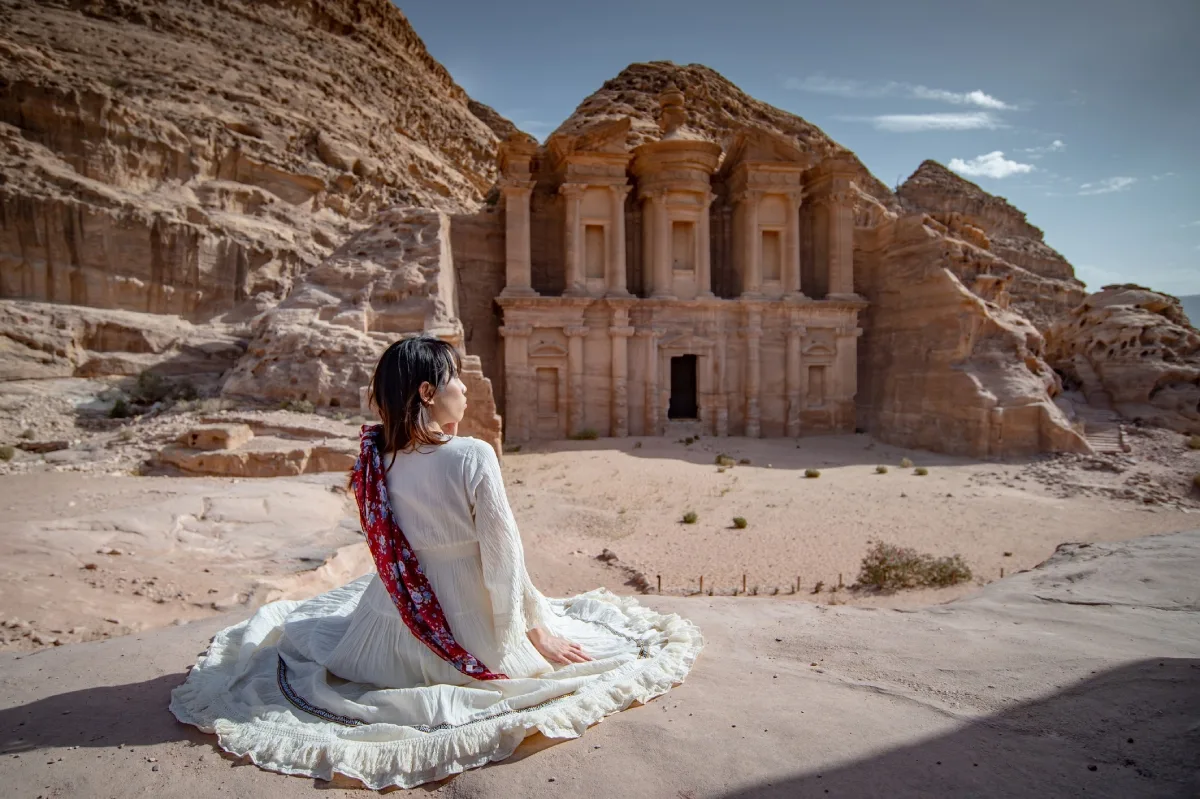
One of the first questions I get from people planning a trip to Jordan is always the same: "When should I go?" And honestly, it's one of my favourite questions to answer — because the truth is, every single season in Jordan offers something genuinely special.
Jordan isn't the kind of destination that has one "perfect" month and a lot of disappointment on either side of it. This country transforms throughout the year in ways that are dramatic, beautiful, and sometimes completely unexpected. The desert blooms in spring. The Red Sea glitters all summer long. The ancient ruins glow golden in the autumn light. And yes, it actually snows in Amman in winter — which is something most people never see coming.
So instead of giving you a single "best time to visit," I want to walk you through each season, what it looks, feels, and smells like, and what you can do that makes it truly worth the trip. By the end of this guide, you'll know exactly when your Jordan visit should be.
Why Understanding the Seasons in Jordan Matters for Your Trip
Jordan sits at a fascinating geographical crossroads. The north is Mediterranean — green, rainy in winter, lush in spring. The south is desert — dry, hot, dramatic all year round. And in between, you have the Jordan Valley, the Dead Sea basin, and the highlands of Petra and Dana, each with their own microclimate.
This means that "the weather in Jordan" isn't one single thing. It depends enormously on where you are and when you go. Understanding the seasons in Jordan before you book isn't just helpful — it's the difference between an uncomfortable trip and an unforgettable one.
Customize Your Dream Vacation!
Get in touch with our local experts for an unforgettable journey.
Plan Your TripSpring in Jordan (March to May) — The Crown Jewel of All Seasons
If I had to pick one season to recommend to absolutely everyone, it would be spring. And I say that without hesitation.
From March through May, Jordan is at its most magical. The temperatures are warm but not punishing — typically between 18°C and 26°C across most of the country. The landscapes, which spend much of the year in shades of sand and dust, suddenly explode with wildflowers. The hills around Ajloun and the Dana Reserve turn green. Even the desert of Wadi Rum takes on a softer, more welcoming light.
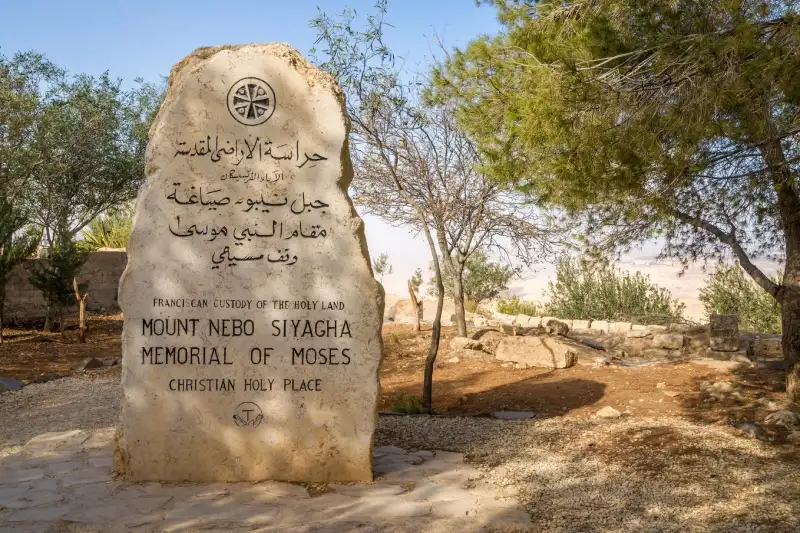
This is also when Easter in Jordan draws thousands of Christian pilgrims and international visitors, particularly to sites like Mount Nebo, Bethany Beyond the Jordan (the baptism site of Jesus), and Madaba. If you're planning a faith-based journey or simply want to experience Jordan's deep connection to biblical history, Easter in Jordan is one of the most moving times to visit. The atmosphere at holy sites during Holy Week is unlike anything else I've witnessed in all my years of travel.
What to do in spring:
- Hike the Jordan Trail through the Dana Biosphere Reserve while the wildflowers are in bloom
- Visit Petra in the most comfortable temperatures of the year
- Attend Easter celebrations at Mount Nebo and Madaba
- Explore the forests of Ajloun Nature Reserve
Take a morning hot air balloon ride over Wadi Rum
Spring is also peak tourist season, so book your accommodation and guided tours well in advance. The sites are busier, but the energy is wonderful.
Summer in Jordan (June to August) — Hot, Vibrant and Surprisingly Rewarding
Let me be honest with you: summer in Jordan is hot. In Amman and Petra, temperatures regularly reach 30–35°C. In Wadi Rum and the Jordan Valley, it can exceed 40°C. This is not the season for the faint-hearted or those who dislike the heat.
But here's what most people don't know about summer in Jordan: if you know where to go and how to pace yourself, it's actually a fantastic time to visit.
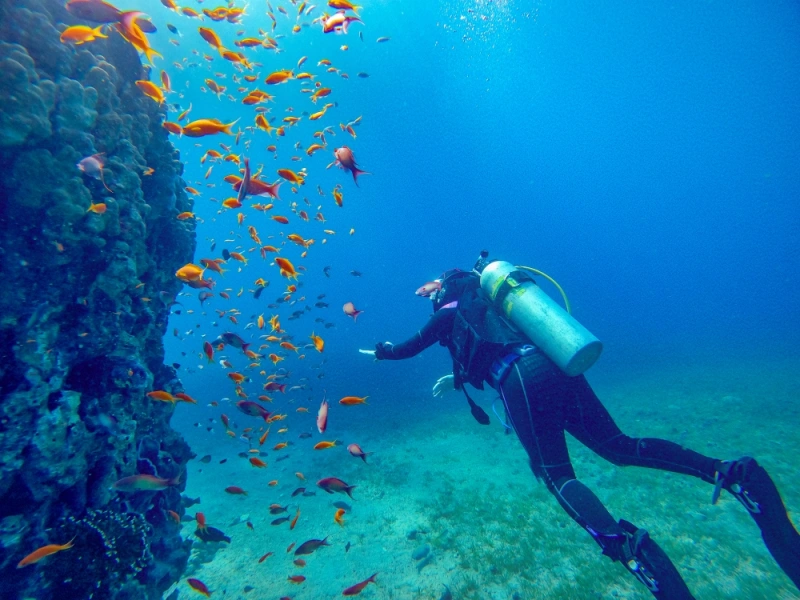
Aqaba in summer is brilliant. The Red Sea is warm, the visibility underwater is exceptional, and the long evenings are perfect for seafood dinners by the water. Aqaba's beach resorts operate at full swing during these months, and the diving and snorkeling conditions are some of the best of the year.
Amman, being at higher altitude (around 800 metres above sea level), is noticeably cooler than the rest of the country and becomes a popular summer escape for visitors from the Gulf region. The city's café culture, rooftop restaurants, and cultural events are all in full swing.
What to do in summer:
- Dive and snorkel in Aqaba's crystal-clear Red Sea waters
- Explore Amman's food scene and cultural venues in the cooler evenings
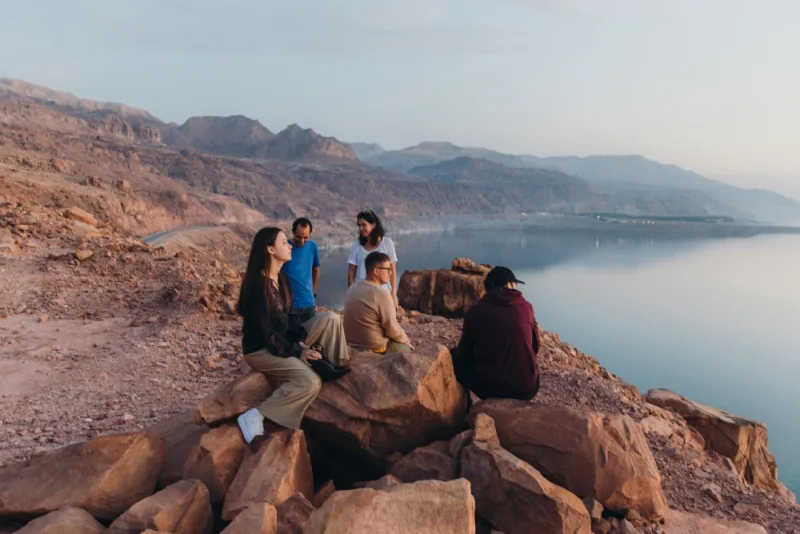
- Visit the Dead Sea at sunrise or sunset to avoid peak heat
- Take early morning tours of Petra before the midday sun sets in
- Enjoy stargazing nights in Wadi Rum from a Bedouin camp
Autumn in Jordan (September to November) — The Traveler's Secret Season
If spring is Jordan's most celebrated season, then autumn in Jordan is its best-kept secret. And I genuinely mean that.
September through November brings cooling temperatures, quieter crowds, and an extraordinary quality of golden light that photographers and painters dream about. Petra in October looks like something painted rather than built. The sandstone cliffs glow in shades of amber and rose that the harsh summer sun simply doesn't allow.
The Dead Sea is still warm enough to swim and float comfortably through October. Hiking trails that were too hot in summer suddenly become inviting again. And accommodation prices, which spike in spring, are often more favorable in autumn — meaning you can sometimes access the same five-star resorts and private tours for significantly less.
Autumn in Jordan is also excellent for birdwatching. Jordan sits on one of the most important migration corridors in the world, and millions of birds pass through the Rift Valley between September and November. The Azraq Wetland Reserve in eastern Jordan is a spectacular place to witness this.
What to do in autumn:
- Walk the Petra By Night experience under a cooler sky
- Hike in Dana Biosphere Reserve with comfortable temperatures
- Visit Azraq Wetland Reserve for migratory bird watching
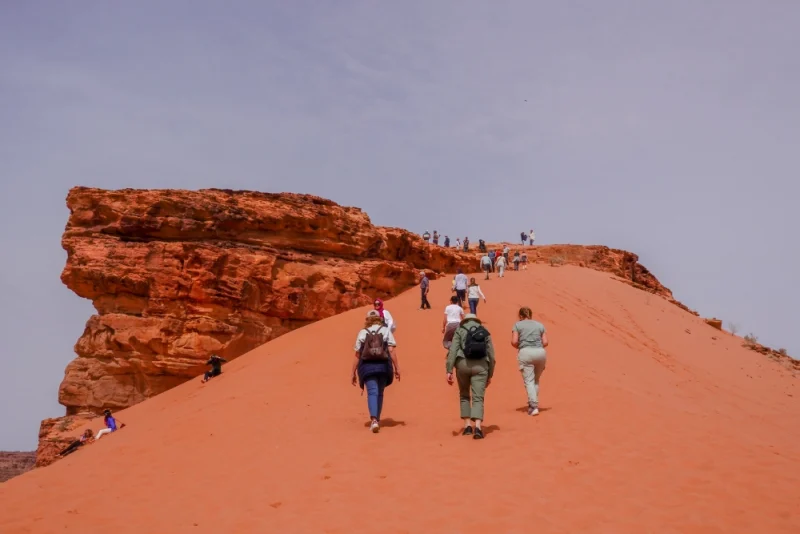
- Take a jeep safari through Wadi Rum in golden afternoon light
- Explore Jerash and the northern highlands before winter rain arrives
Winter in Jordan (December to February) — Unexpected, Atmospheric and Deeply Rewarding
Here's something that surprises almost every first-time visitor: winter in Jordan is real. I mean proper cold, proper rain, and yes — snow. Amman sees snowfall most winters, usually in January or February, and when it happens, the city transforms into something utterly magical. Ancient ruins dusted with white, locals building snowmen by the Roman Citadel — it's one of those travel moments that feels entirely unscripted.
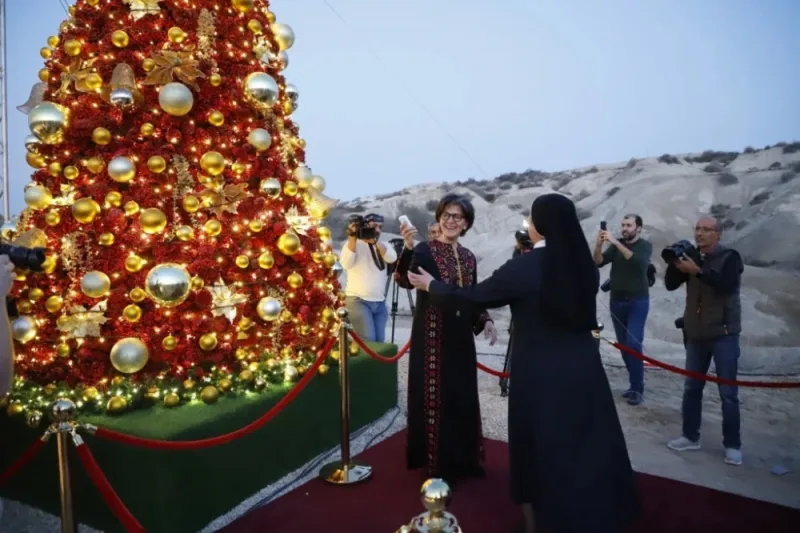
December is also when Christmas in Jordan creates a warm, festive atmosphere that many people simply don't expect from this part of the world. Jordan has a significant Christian population, and cities like Madaba and Fuheis come alive with lights, church services, and celebrations. The juxtaposition of Christmas traditions in a Middle Eastern landscape is genuinely moving and beautiful.
In winter, Petra is at its most atmospheric and least crowded. The lack of tourists means you can walk through the Siq almost entirely alone — which is an experience that very few travelers ever get to have. The colder air, the silence, the drama of the cliffs — it's Petra on a completely different emotional register.
Aqaba, being in the far south, stays mild and pleasant in winter (around 20–25°C), making it an ideal warm-weather escape while the rest of the country is chilly.
What to do in winter:
- Experience the magic of a snowy Amman and Roman Citadel
- Attend Christmas in Jordan celebrations in Madaba and Fuheis
- Visit Petra with almost no crowds for a truly personal experience
- Enjoy warm, sunny beach days in Aqaba
- Discover Wadi Rum under dramatic winter skies
- Warm up with Jordanian hospitality — mint tea, mansaf, and open fires in Bedouin camps
A Quick Seasonal Comparison: Jordan at a Glance
- Spring (March–May) Temperatures: 18–26°C | Crowds: High | Prices: Higher | Highlights: Wildflowers, Easter, hiking, Petra
- Summer (June–August) Temperatures: 30–40°C+ | Crowds: Moderate | Prices: Moderate | Highlights: Aqaba diving, Amman culture, evening life
- Autumn (September–November) Temperatures: 20–30°C | Crowds: Low to Moderate | Prices: Lower | Highlights: Golden light, hiking, birdwatching, value
- Winter (December–February) Temperatures: 5–15°C (north), 20–25°C (Aqaba) | Crowds: Low | Prices: Lowest | Highlights: Snow, Christmas, uncrowded Petra, Aqaba warmth
What Season Is Right for You?
That depends entirely on what kind of traveler you are.
If you want the best weather and the most vibrant atmosphere — go in spring. If you love the sea and don't mind heat — summer in Jordan, specifically Aqaba, is perfect. If you want fewer crowds, beautiful light, and great value — autumn in Jordan is your answer. And if you want something atmospheric, deeply cultural, and utterly unexpected — winter in Jordan, especially around Christmas, is one of travel's hidden gems.
The honest answer is that there's no wrong time to visit Jordan. There's only the time that's right for what you want to experience.
Ready to Choose Your Season and Start Planning?
Our team of Jordan travel experts can help you design a personalized itinerary built around your ideal travel dates, interests, and budget. Whether you're planning a spring pilgrimage, a summer dive trip in Aqaba, an autumn hike through Dana, or a winter escape to snowy Amman and warm Petra — we're here to make it extraordinary.
Get in touch today and let's start planning your perfect Jordan journey together.