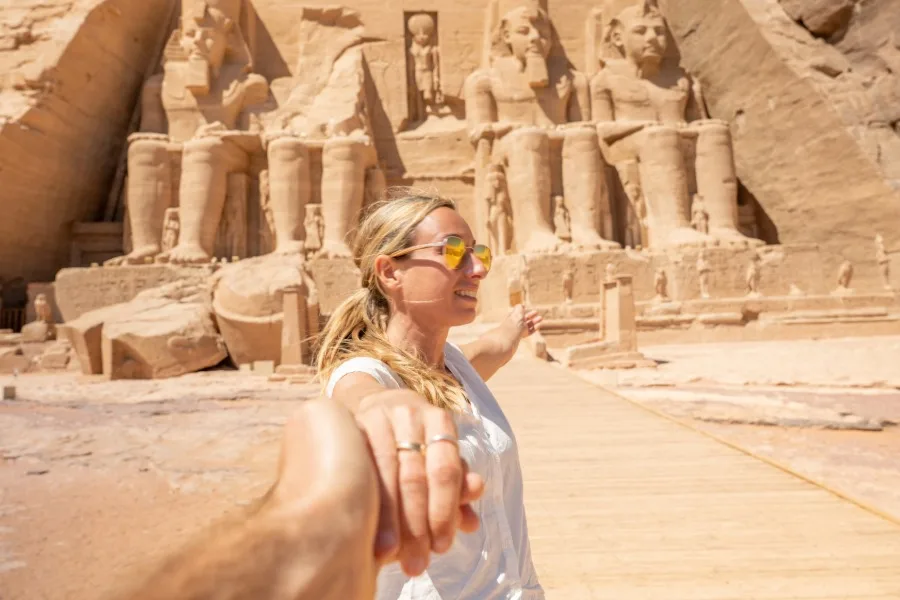
Nestled along the banks of the majestic Nile, Aswan City Egypt beckons travelers with its golden desert landscapes, ancient temples, and vibrant Nubian culture. This enchanting southern Egyptian city offers an authentic glimpse into both pharaonic grandeur and contemporary African heritage. Whether you're sailing past granite boulders on a traditional felucca or exploring millennia-old monuments, Aswan promises experiences that will forever change your perspective on Egypt.

Aswan City Egypt
Must-See Attractions & Ancient Wonders
Q: What's the absolute must-see attraction in Aswan?
A: Abu Simbel takes the crown! These colossal temples, carved directly into cliffsides by Ramesses II, will leave you speechless. The morning sun illuminating the four 20-meter-tall statues creates a magical moment you'll treasure forever. Pro tip: arrive early to witness this spectacular light show without the crowds.
Q: Is Philae Temple really worth the boat ride?
A: Absolutely! This "Pearl of Egypt" sits gracefully on Agilkia Island, accessible only by motorboat. The temple dedicated to goddess Isis feels like stepping into an ancient fairy tale. The evening sound and light show transforms the temple into a mesmerizing spectacle of colors and shadows dancing across hieroglyphic walls.
Q: What makes the Aswan High Dam special?
A: Beyond its engineering marvel status, the High Dam created Lake Nasser – one of the world's largest artificial lakes. Standing atop this massive structure, you'll witness the raw power of human ingenuity taming the mighty Nile. The panoramic views stretch endlessly across shimmering waters and desert horizons.
Q: Can I explore the Unfinished Obelisk?
A: Yes, and it's fascinating! This massive granite obelisk, abandoned mid-creation 3,500 years ago, reveals ancient Egyptian stone-cutting techniques. You'll see tool marks and understand how these monuments were born from solid rock. It's like discovering an ancient construction site frozen in time.
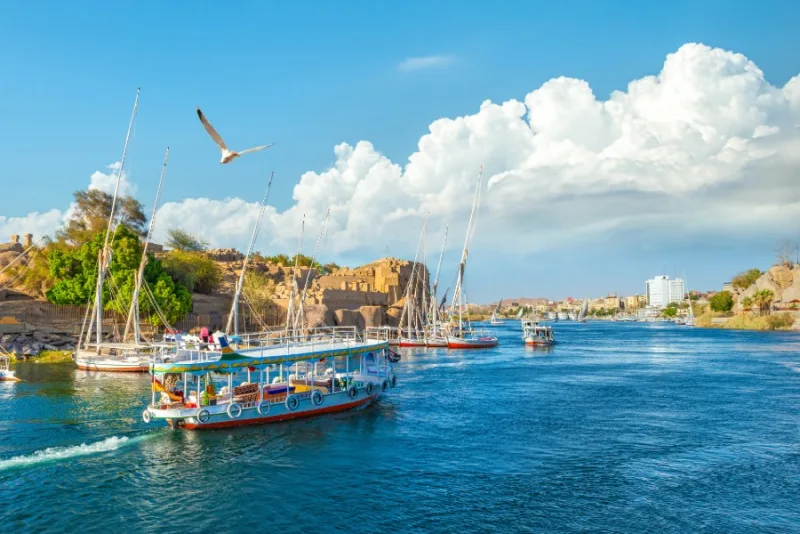
Nile River Cruise
Historical Treasures & Archaeological Marvels
Q: Why was Aswan so important in ancient times?
A: Aswan served as ancient Egypt's southern gateway, controlling trade routes between Africa and the Mediterranean. The city's granite quarries supplied stone for pyramids and temples throughout Egypt. Its strategic location made it a cultural melting pot where Egyptian, Nubian, and African civilizations intertwined.
Q: What's the story behind the Nubian monuments?
A: When the High Dam threatened to submerge these treasures, UNESCO orchestrated history's greatest rescue mission. Twenty-two monuments were carefully dismantled and relocated, stone by stone. This incredible feat preserved 3,000 years of human heritage for future generations.
Q: Are there any hidden archaeological sites?
A: The Tombs of the Nobles on the west bank offer intimate glimpses into ancient Egyptian daily life. These beautifully painted burial chambers showcase scenes of farming, fishing, and family life – far more personal than royal tombs. Each tomb tells a unique story of individuals who lived along the Nile millennia ago.
Customize Your Dream Vacation!
Get in touch with our local experts for an unforgettable journey.
Plan Your Trip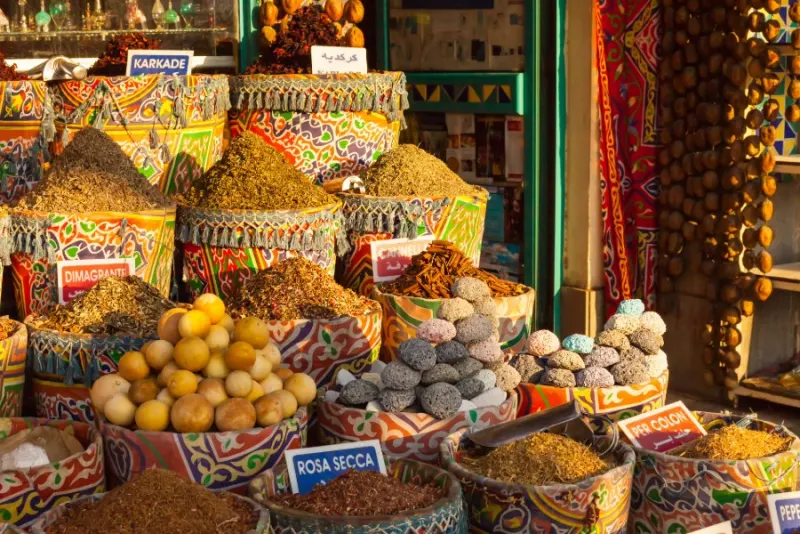
Aswan Markets
Nubian Culture & Local Traditions
Q: What makes Nubian culture unique?
A: Nubian culture radiates warmth and hospitality that's genuinely infectious. Their colorful houses painted in vibrant blues, yellows, and greens create rainbow villages along the Nile. Traditional music featuring drums and lyres fills the air, while intricate henna designs adorn hands during celebrations.
Q: How do locals live along the Nile today?
A: Many families still follow ancient rhythms – fishing at dawn, tending date palms, and crafting traditional goods. You'll see children playing along riverbanks while their grandparents weave baskets using techniques passed down through generations. Modern life blends seamlessly with timeless traditions.
Q: What should I know about local customs?
A: Respect and warmth define Aswan's social fabric. Dress modestly when visiting religious sites, accept offered tea graciously (it's a sign of friendship), and don't photograph people without permission. Learning basic Arabic greetings like "As-salamu alaykum" opens hearts and doors instantly.
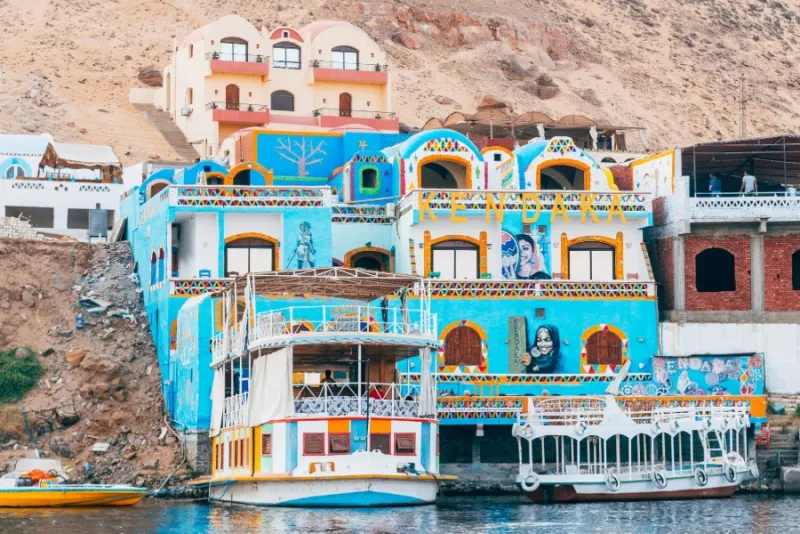
Nubia Aswan
Travel Essentials & Practical Tips
Q: How do I get around Aswan?
A: Horse-drawn carriages offer charming city tours, while motorboats connect island attractions. Taxis are plentiful for longer distances, and many hotels provide bicycle rentals for leisurely exploration. Walking along the Corniche (waterfront promenade) remains the most delightful way to soak in the atmosphere.
Q: Where should I stay for the best experience?
A: The Old Cataract Hotel offers legendary luxury with Nile views that inspired Agatha Christie's novels. For authentic experiences, consider Nubian guesthouses where families welcome you as extended relatives. Budget travelers find excellent hostels near the train station with easy access to all attractions.
Q: What's the best way to book tours?
A: Local tour operators offer personalized experiences often superior to large group tours. Book Abu Simbel trips the day before, as early morning departures (4 AM) provide cooler temperatures and better lighting. Always negotiate prices respectfully – it's part of the cultural experience.
Q: How much should I budget daily?
A: Budget travelers can manage on $30-40 daily, including accommodation, meals, and local transport. Mid-range comfort requires $60-80, while luxury experiences start around $150. Temple entrance fees add $10-15 per site, but the memories are priceless.
Culinary Adventures & Dining Experiences
Q: What foods must I try in Aswan?
A: Ful medames (slow-cooked fava beans) makes a perfect breakfast, while koshari (rice, lentils, and pasta with spicy sauce) satisfies any hunger. Don't miss grilled Nile perch – fresher fish doesn't exist! Local bakeries serve warm aish baladi (traditional bread) that's absolutely divine.
Q: Where do locals eat their best meals?
A: Street food stalls near the Aswan Market serve authentic flavors at unbeatable prices. Nubian restaurants in the villages offer home-cooked meals with recipes passed down through generations. For special occasions, rooftop restaurants provide stunning Nile views alongside delicious cuisine.
Q: What about drinks and refreshments
A: Hibiscus tea (karkade) offers a refreshing crimson-colored drink perfect for hot days. Fresh sugarcane juice squeezed before your eyes provides instant energy. Traditional Nubian coffee ceremonies create social experiences where conversations flow as smoothly as the aromatic brew.
Timing Your Visit & Seasonal Insights
Q: How can I experience authentic Nubian village life?
A: Gharb Soheil village welcomes visitors into family homes where you'll share meals, learn traditional crafts, and hear ancient stories. Children often guide tours, their enthusiasm infectious as they show off pet crocodiles and explain family traditions. These encounters create lifelong memories and friendships.
Q: What's special about felucca sailing?
A: These traditional white-sailed boats have navigated the Nile for centuries. Sunset felucca rides transform the river into liquid gold while gentle breezes carry the sounds of lapping water and distant calls to prayer. Multi-day felucca journeys to Kom Ombo offer camping under star-filled desert skies.
Q: Are the local markets worth exploring?
A: The Aswan Souk bursts with sensory delights – aromatic spices, colorful textiles, and intricate handicrafts. Nubian jewelry featuring traditional symbols makes meaningful souvenirs. Haggling becomes an art form here, but always maintain respect and humor throughout negotiations.
Q: What desert adventures await nearby?
A: Camel treks into the Eastern Desert reveal ancient rock art and mining sites. The Monastery of St. Simeon requires a desert walk but rewards visitors with stunning Nile valley views. Bedouin guides share desert survival wisdom while preparing traditional meals around campfires under brilliant stars.
Ready to embark on your Aswan adventure? This timeless city where ancient pharaohs once ruled and Nubian culture thrives today awaits your discovery. From sunrise over Abu Simbel to sunset felucca sails, every moment in Aswan writes itself into your travel story with golden ink.
[Plan Your Aswan Journey Today →]
Experience the magic where the Nile meets the desert, and let Aswan's eternal beauty capture your heart forever.
Q: When's the absolute best time to visit Aswan?
A: October through March offers perfect weather with comfortable temperatures (20-25°C) and clear skies. December and January represent peak season with higher prices but ideal conditions. Avoid summer months (June-August) when temperatures soar above 40°C, making outdoor exploration challenging.
Q: How do Nile water levels affect my visit?
A: High water levels (August-October) make island temples more accessible by boat, while low levels (April-June) reveal more archaeological sites along riverbanks. The controlled flow from the High Dam ensures year-round navigation, but seasonal variations create different scenic experiences.
Q: Are there special festivals I shouldn't miss?
A: The Abu Simbel Sun Festival (February 22 and October 22) sees sunlight penetrate the temple's inner sanctuary – a phenomenon occurring only twice yearly. Nubian cultural festivals throughout winter months showcase traditional music, dance, and crafts. Ramadan brings special evening atmospheres with communal iftar meals.
Q: What about weather patterns I should know?
A: Aswan enjoys 300+ sunny days annually, making it one of the world's driest places. Winter nights can be surprisingly cool (10-15°C), so pack layers. Spring brings occasional sandstorms, while summer heat creates stunning desert mirages. Rain remains virtually non-existent year-round.